How to Say "cover" in Spanish
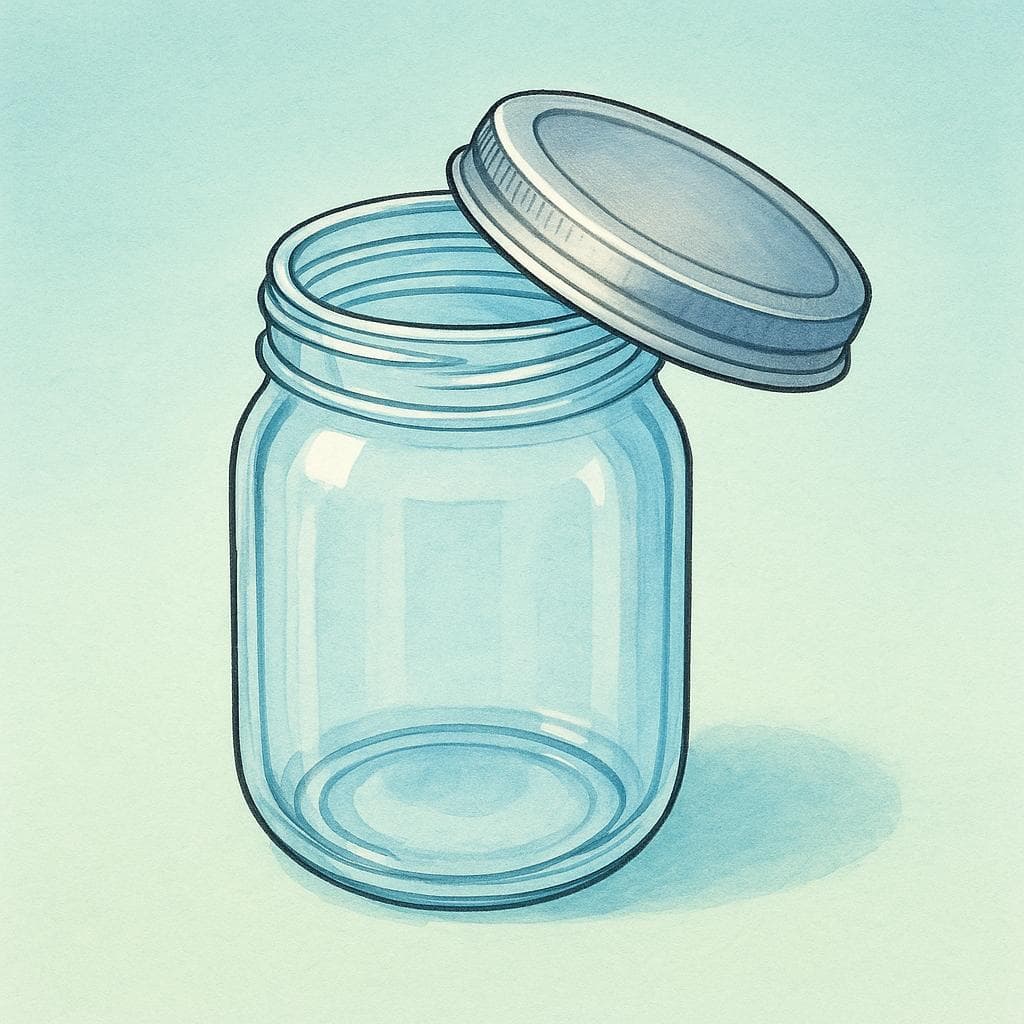
The most common Spanish word for “cover” is “tapa” — use 'tapa' for the general lid or top part that closes an opening, like on a container or pot.
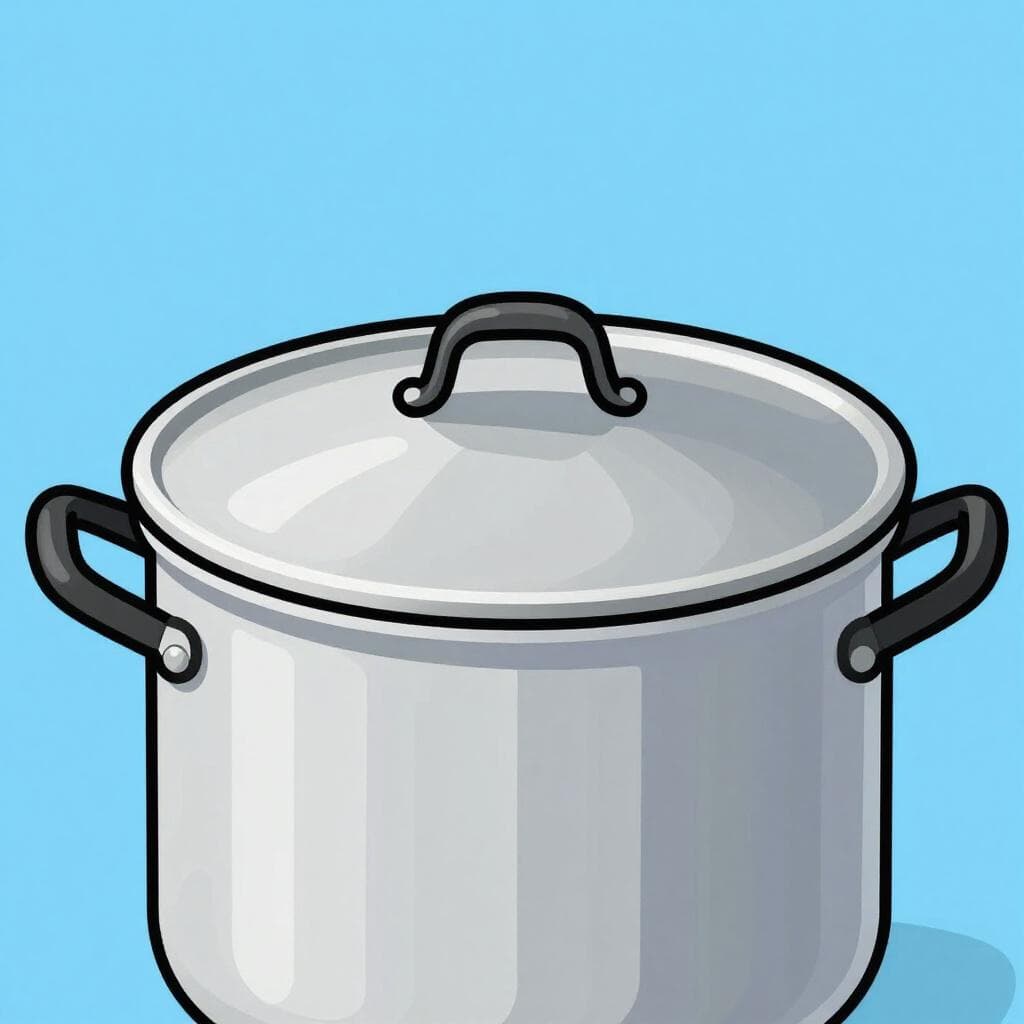

tapa
TAH-pahˈtapa
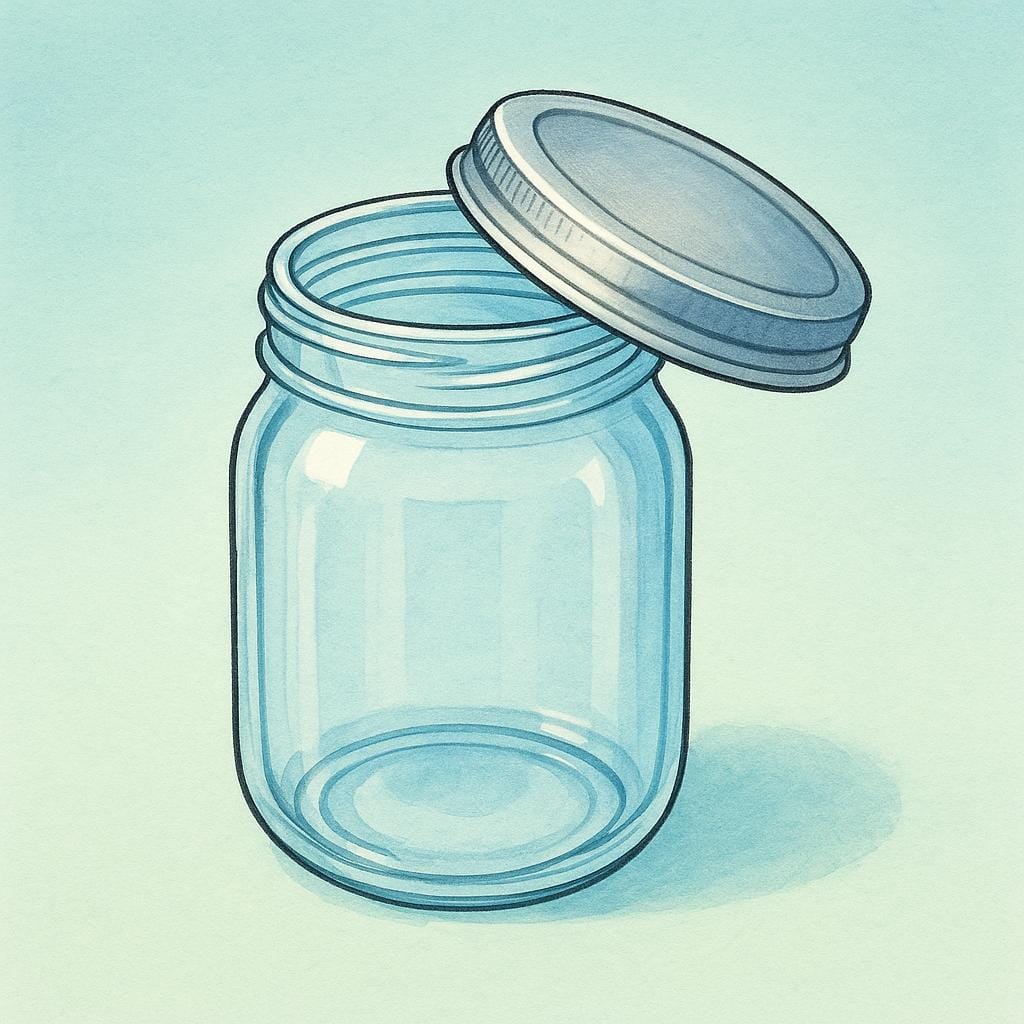
Examples
Cierra el bote con su tapa para que no se seque.
Close the jar with its lid so it doesn't dry out.
La tapa de la botella está rota.
The cap of the bottle is broken.
Necesito quitar la tapa de la olla para ver si el agua hierve.
I need to take the lid off the pot to see if the water is boiling.
cubierta
koo-BYEHR-tahkuˈβjeɾta
Examples
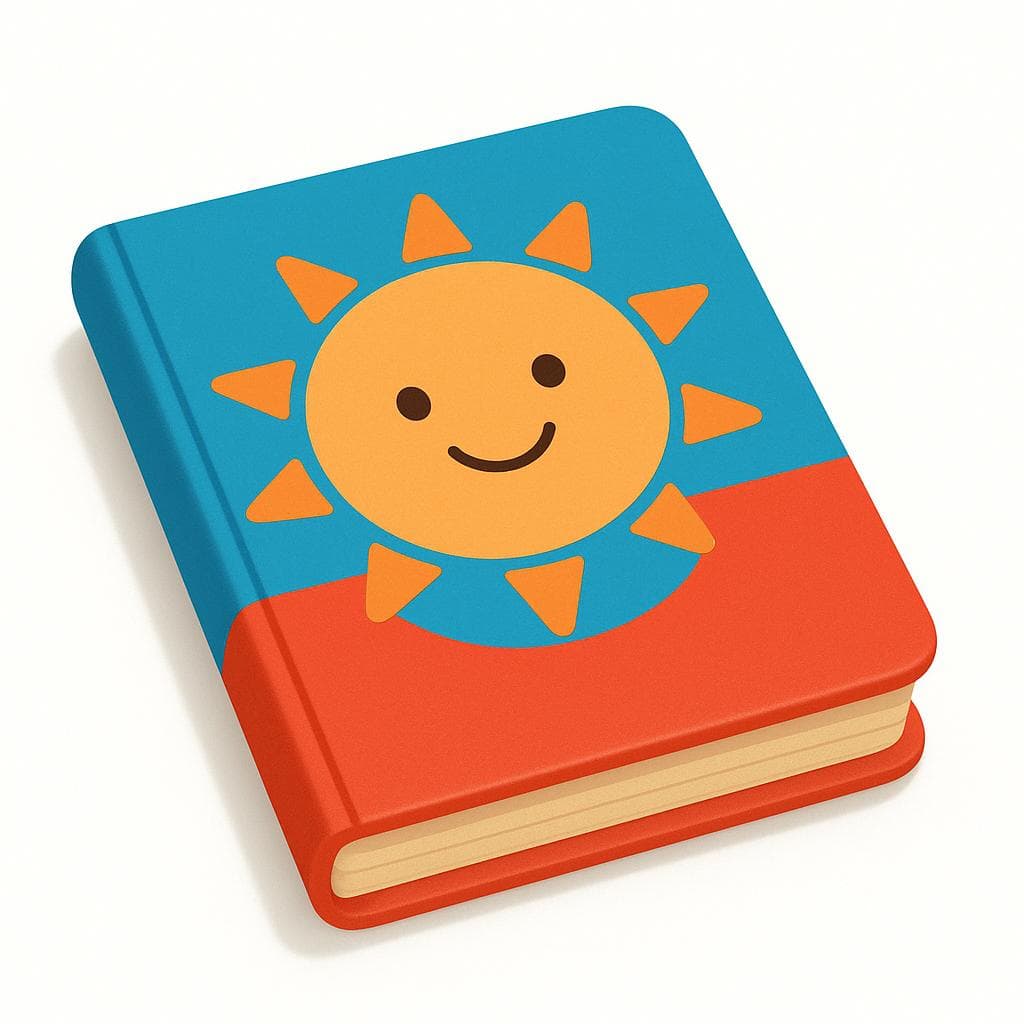
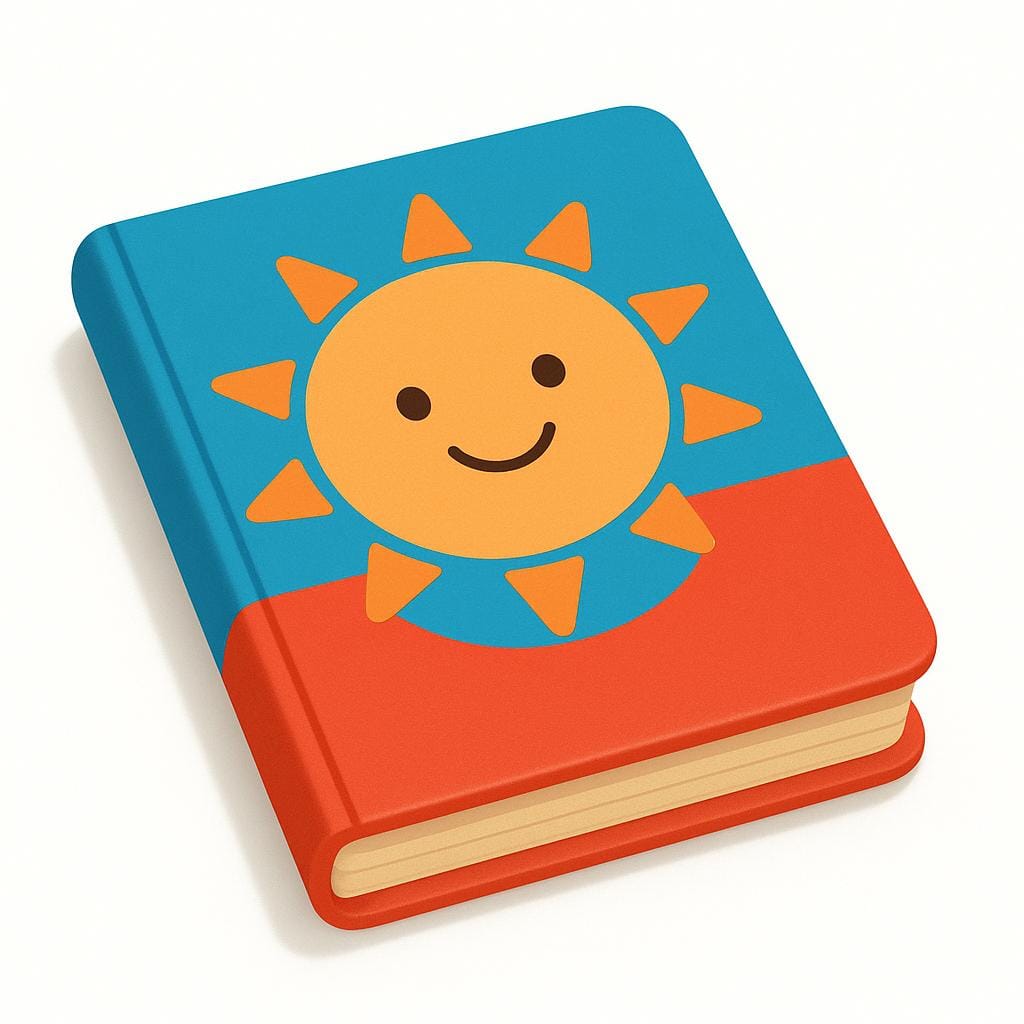
La cubierta del libro está dañada.
The cover of the book is damaged.
Pusieron una cubierta de lona sobre el coche para protegerlo.
They put a canvas cover over the car to protect it.
Gender Reminder
Even though 'cubierta' ends in -a, remember it is a feminine noun, so use 'la' or 'una' before it.
portada
por-TAH-dahporˈtaða
Examples
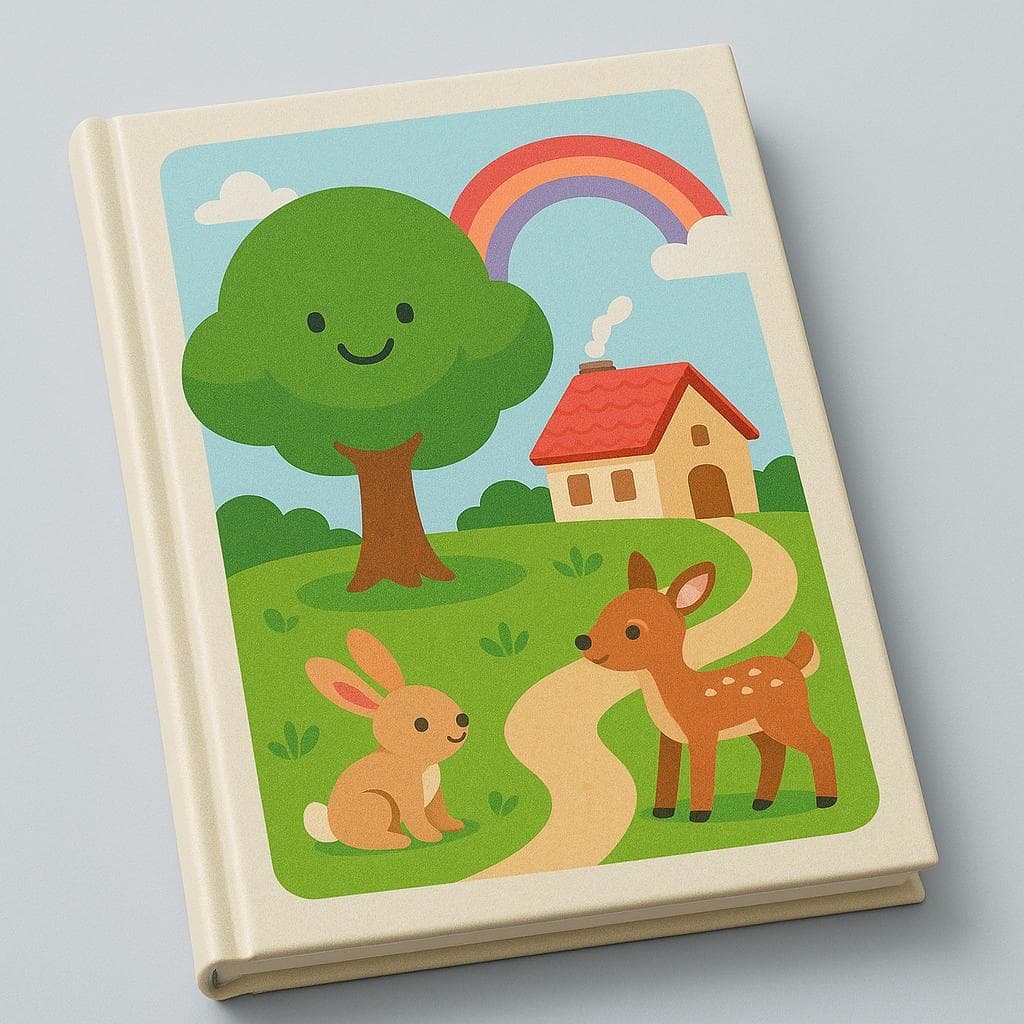
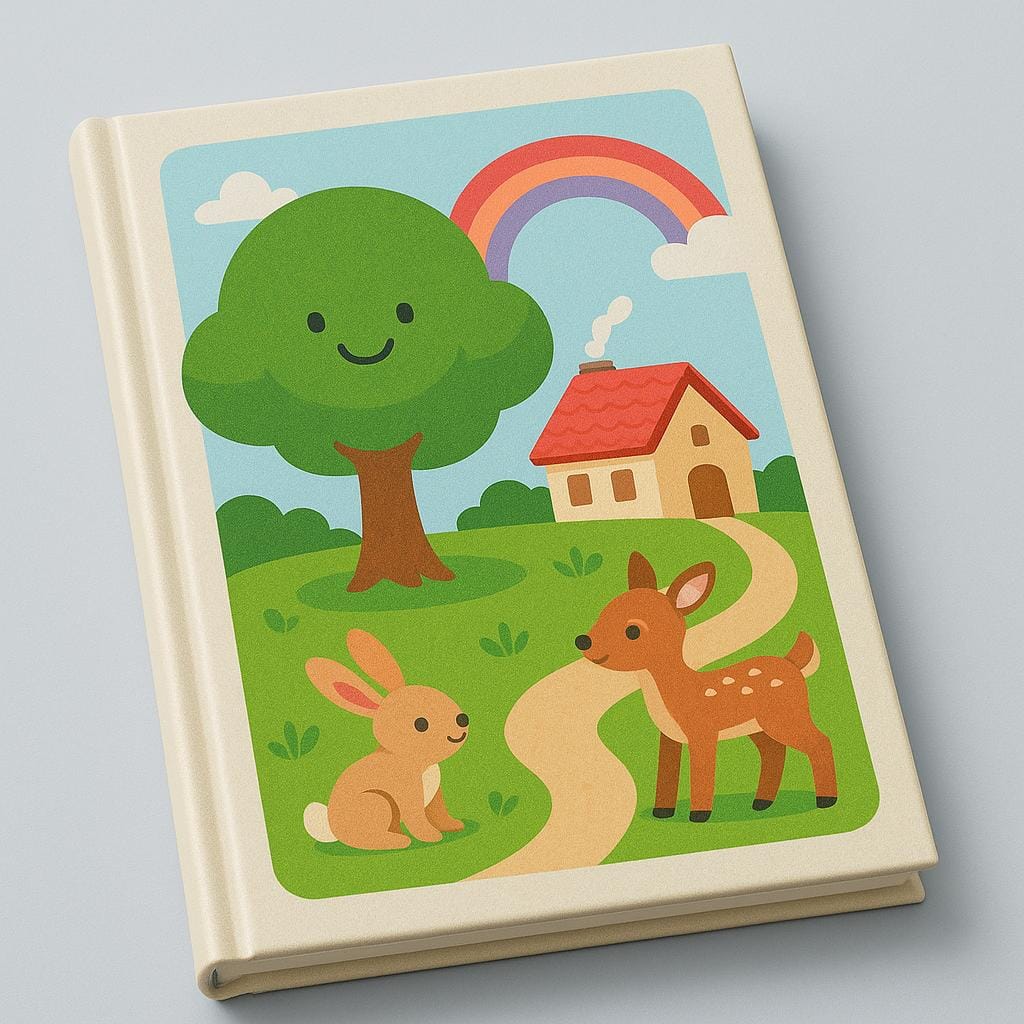
Me encanta el diseño de la portada de este libro.
I love the design of this book's cover.
La noticia del accidente está en la portada de todos los periódicos.
The news of the accident is on the front page of all the newspapers.
Gender Check
Remember that 'portada' is always feminine, so you must use 'la' or 'una' before it.
Cover vs. Page
Mistake: “Using 'página principal' for the front of a book.”
Correction: Use 'portada' for the outside front of a book or magazine. 'Página principal' (or 'portada') is usually reserved for websites.
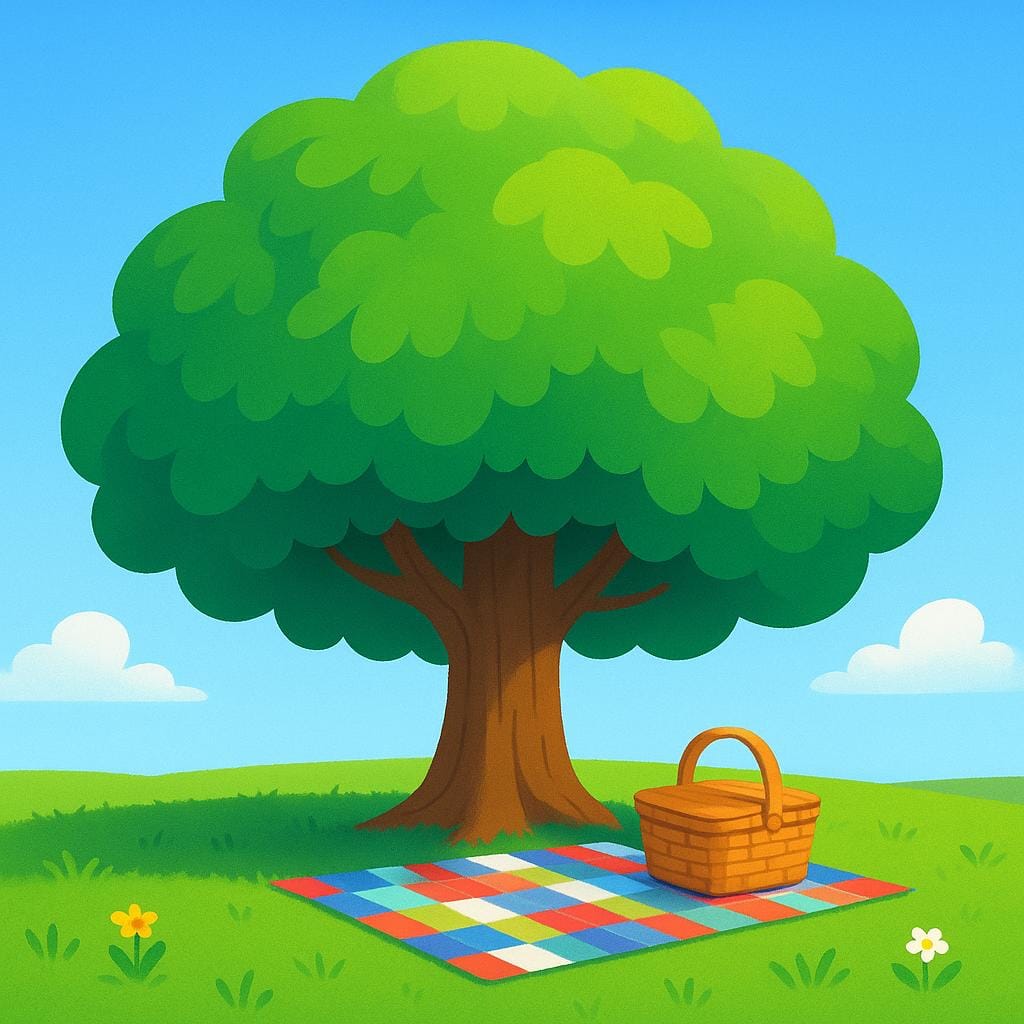
sombra
SOM-brahˈsom.bɾa
Examples
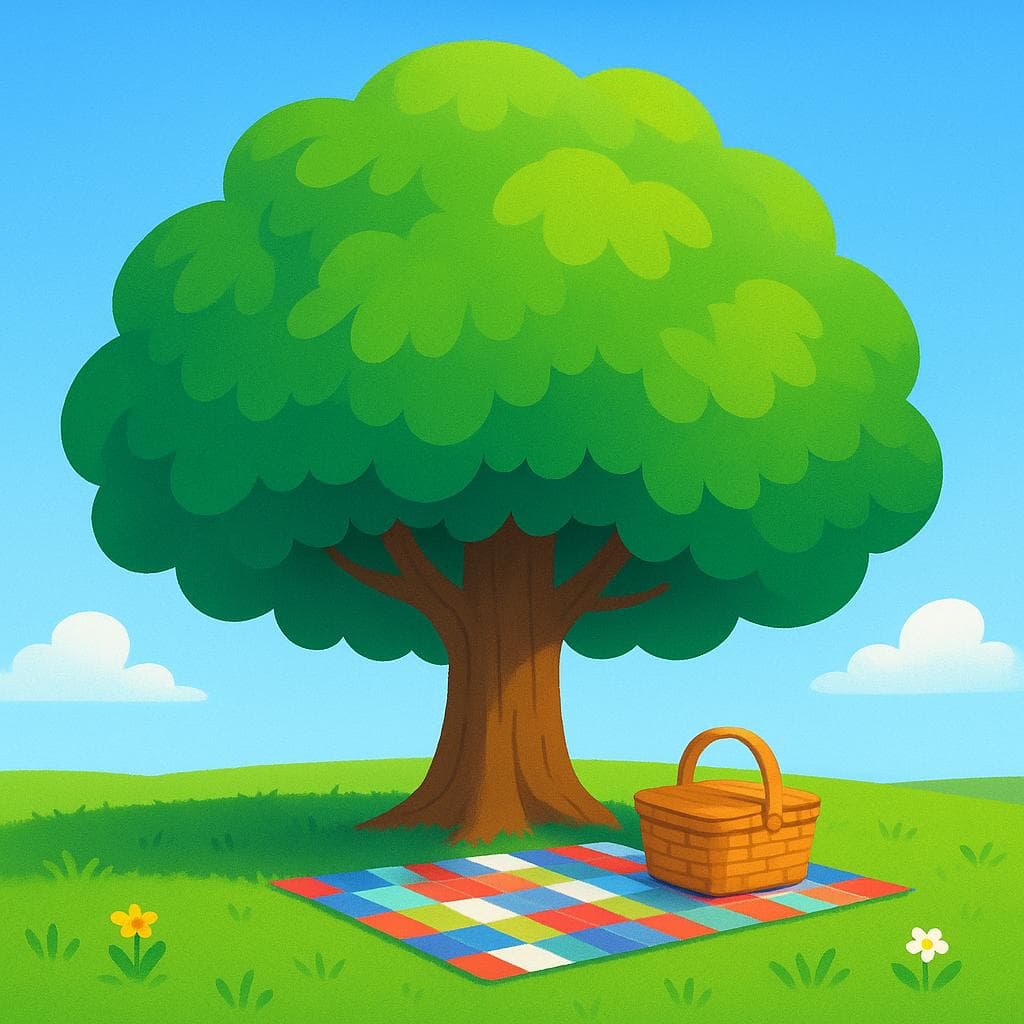
Hace mucho calor, ¡busquemos la sombra de ese árbol!
It's very hot, let's look for the shade of that tree!
Prefiero leer a la sombra que bajo el sol directo.
I prefer reading in the shade than under direct sun.
Using 'A la sombra'
To say you are 'in the shade,' Spanish often uses the preposition 'a' (to/at) or 'en' (in): 'Estamos a la sombra' or 'Estamos en la sombra.'
Mixing Shade and Darkness
Mistake: “Using 'oscuridad' when referring to shade from the sun.”
Correction: 'Oscuridad' means total darkness (like night). Use 'sombra' when you mean 'shade' from the sun.
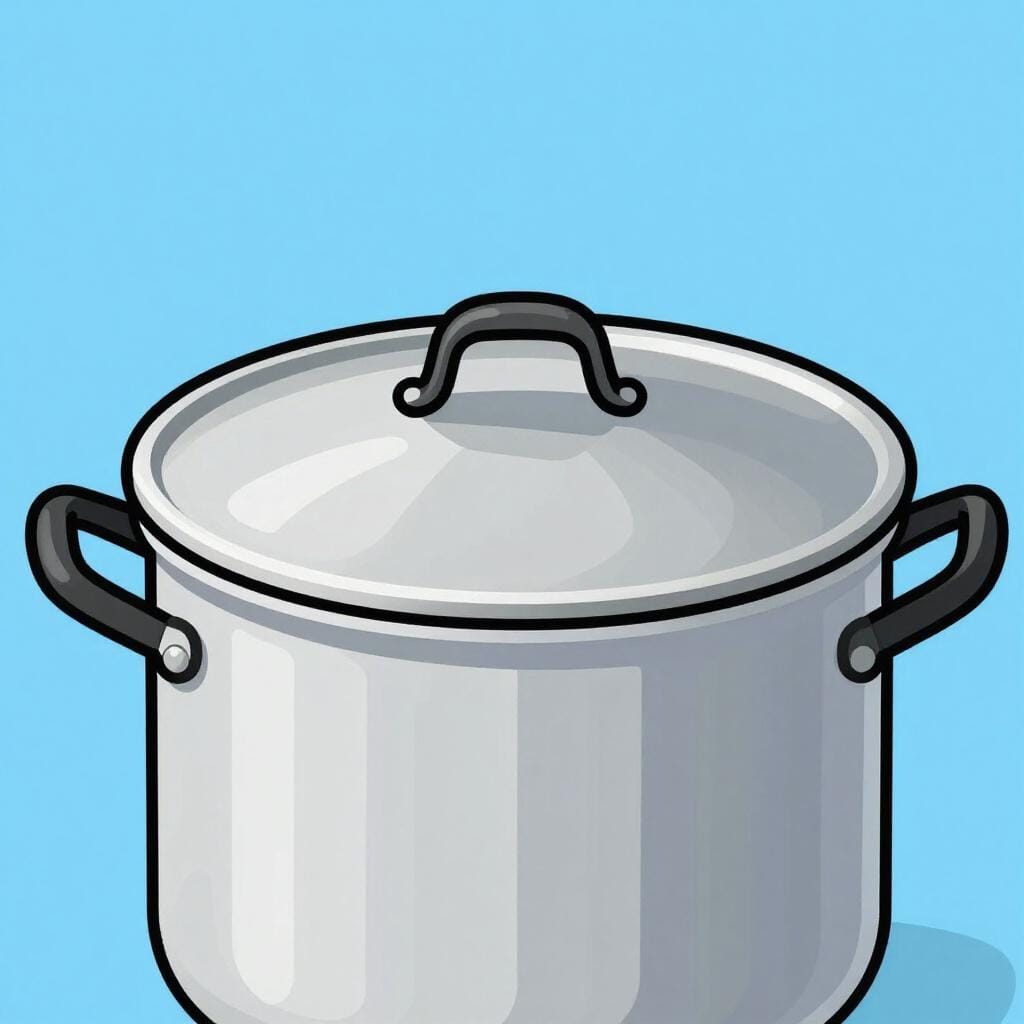
tapadera
ta-pa-DE-ratapaˈðeɾa
Examples
Pon la tapadera en la olla para que el agua hierva más rápido.
Put the lid on the pot so the water boils faster.
No encuentro la tapadera de este recipiente de plástico.
I can't find the lid for this plastic container.
Ten cuidado, la tapadera está muy caliente.
Be careful, the lid is very hot.
Always Feminine
This word ends in 'a' and is feminine. You should always use 'la' or 'una' with it, even if the object it covers (like 'un frasco' - a jar) is masculine.
Tapa vs. Tapadera
While 'tapa' is a general word for any cover, 'tapadera' specifically refers to a lid made to fit a specific container like a pot or a pan.
Gender Error
Mistake: “El tapadera.”
Correction: La tapadera. Remember that most words ending in -dera are feminine in Spanish.
pasta
PAHS-tahˈpas.ta

Examples
Este diccionario tiene una pasta muy dura y resistente.
This dictionary has a very hard and resistant cover.
El libro de texto está disponible en pasta blanda o dura.
The textbook is available in softcover or hardcover.
Regional Preference
Mistake: “Using 'pasta' for 'cover' outside of Spain.”
Correction: In most of Latin America, use 'tapa' or 'cubierta' instead of 'pasta' for a book cover.
Tapa vs. Cubierta vs. Portada
Related Translations
Learn Spanish with Inklingo
Interactive stories, personalized learning, and more.