tapadera
“tapadera” means “lid” in Spanish. It has 2 different meanings depending on context:
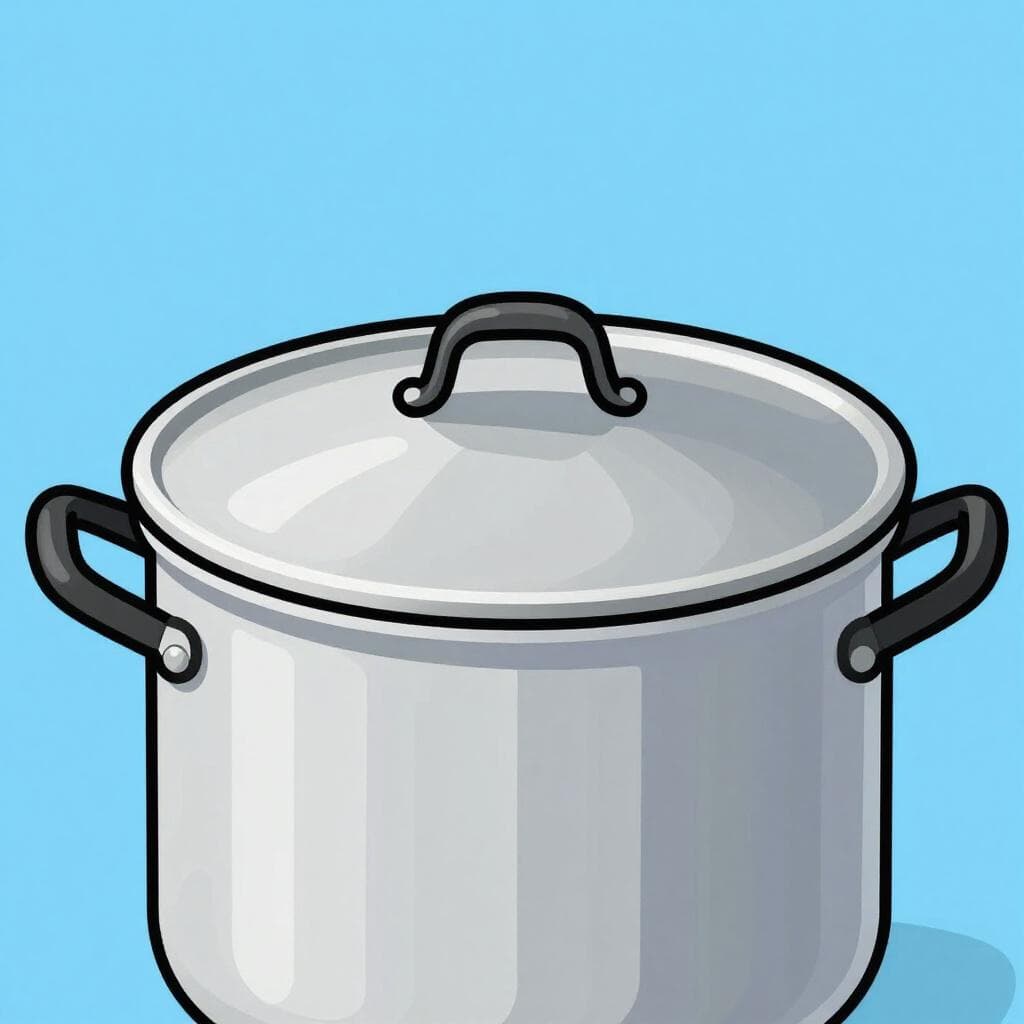

lid
Also: cover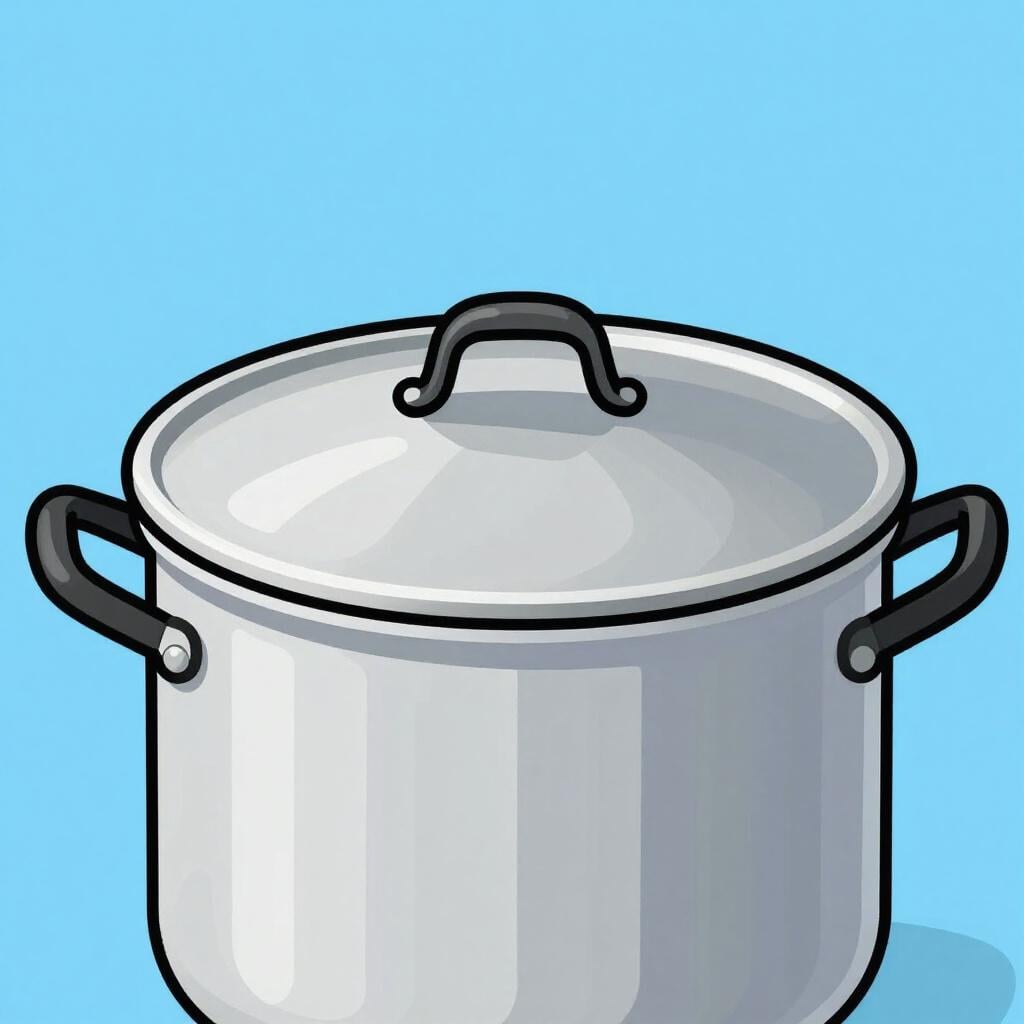
📝 In Action
Pon la tapadera en la olla para que el agua hierva más rápido.
A2Put the lid on the pot so the water boils faster.
No encuentro la tapadera de este recipiente de plástico.
A2I can't find the lid for this plastic container.
Ten cuidado, la tapadera está muy caliente.
B1Be careful, the lid is very hot.
front
Also: cover-up
📝 In Action
Esa peluquería es solo una tapadera para el casino ilegal.
B2That hair salon is just a front for the illegal casino.
Usaron la empresa como tapadera para no pagar impuestos.
C1They used the company as a cover-up to avoid paying taxes.
Nadie sospechaba que su trabajo era una tapadera.
B2Nobody suspected that his job was a front.
✏️ Quick Practice
Quick Quiz: tapadera
Question 1 of 3
If you are cooking soup and want to keep the heat in, what do you need?
📚 More Resources
👥 Word Family▼
📚 Etymology▼
Derived from the Spanish verb 'tapar' (to cover), which comes from a Germanic root 'tappa' meaning a plug or stopper. The suffix '-dera' is used in Spanish to create nouns that describe tools or instruments.
First recorded: 13th century
Cognates (Related words)
💡 Master Spanish
Take your Spanish to the next level. Read 200+ illustrated and narrated Spanish stories tailored to your level with the Inklingo app!
Frequently Asked Questions
What is the difference between 'tapa' and 'tapadera'?
They are very similar. 'Tapa' is more general (a bottle cap, a snack, a lid), while 'tapadera' usually refers specifically to a lid for a pot or a figurative 'front' for a crime.
Is 'tapadera' used for people?
No, it refers to objects or businesses. If a person is helping someone hide a secret, you might say they are 'sirviendo de tapadera' (serving as a cover), but you don't call the person 'a tapadera' directly.
Can I use 'tapadera' for a bottle cap?
Usually, for a bottle cap, you would use 'tapa' or 'tapón'. 'Tapadera' is usually for wider openings, like jars, pots, or boxes.