How to Say "cap" in Spanish
The most common Spanish word for “cap” is “gorro” — use 'gorro' for a brimless, soft hat worn on the head, like a beanie or skullcap.







gorro
GOH-rrohˈɡoro

Examples
Me puse un gorro de lana porque está nevando.
I put on a wool beanie because it is snowing.
Es obligatorio usar gorro en la piscina municipal.
It is mandatory to use a swim cap in the local pool.
El cirujano se ajustó el gorro antes de empezar la operación.
The surgeon adjusted his medical cap before starting the operation.
Gender Agreement
Gorro is a masculine word. Always use 'el' or 'un' with it, even if the person wearing it is a woman.
Describing Purpose
To say what the cap is for, use 'gorro de' + the activity. For example: 'gorro de dormir' (sleeping cap).
Gorro vs. Gorra
Mistake: “Using 'gorro' for a baseball hat.”
Correction: Use 'gorra' for hats with a visor or brim at the front, and 'gorro' for soft, round hats like beanies.
tapa
TAH-pahˈtapa

Examples
Cierra el bote con su tapa para que no se seque.
Close the jar with its lid so it doesn't dry out.
La tapa de la botella está rota.
The cap of the bottle is broken.
Necesito quitar la tapa de la olla para ver si el agua hierve.
I need to take the lid off the pot to see if the water is boiling.
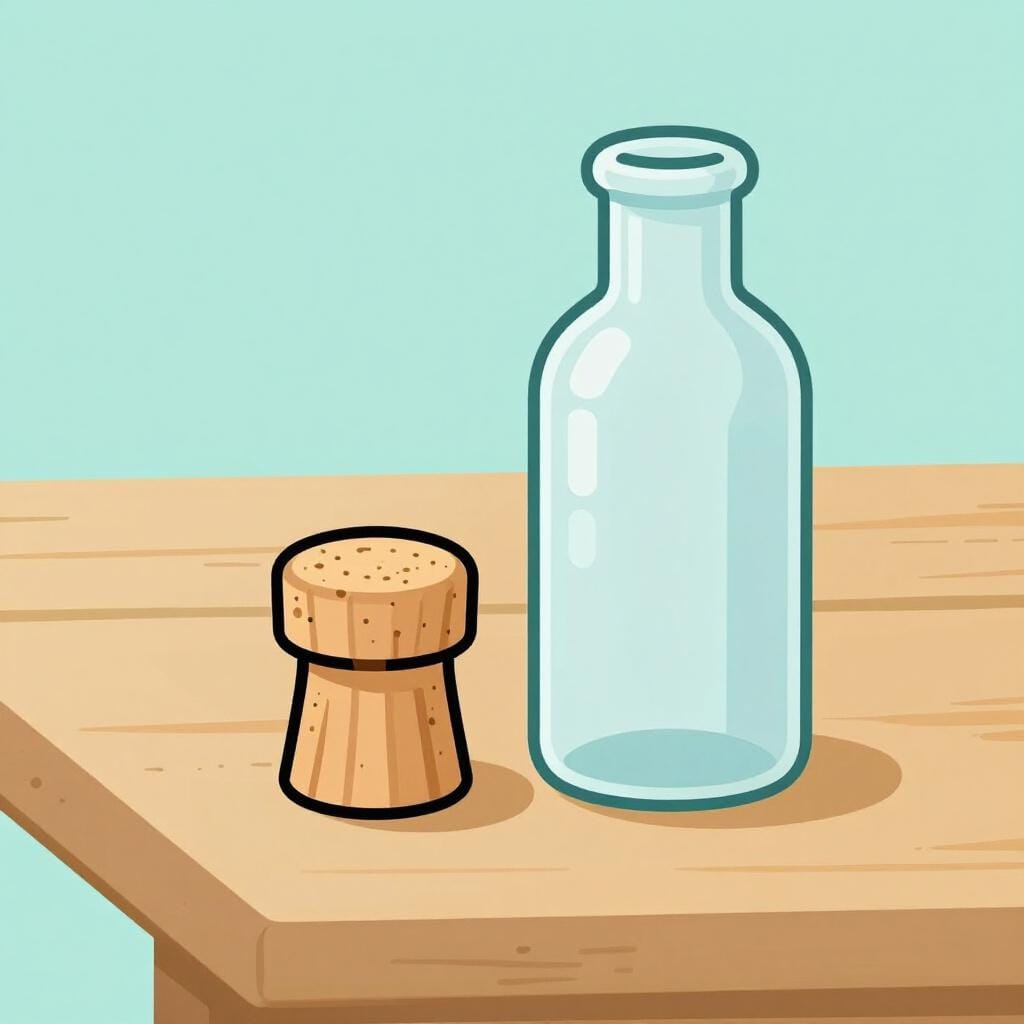
tapón
ta-PONtaˈpon
Examples
No encuentro el tapón de la botella de agua.
I can't find the cap for the water bottle.
Quita el tapón para que salga el agua del fregadero.
Take the plug out so the water can drain from the sink.
La botella de vino tiene un tapón de corcho.
The wine bottle has a cork stopper.
The Disappearing Accent
When you make this word plural (more than one), the accent mark on the 'o' disappears: 'un tapón' becomes 'dos tapones'.
Tapón vs. Tapa
Mistake: “Using 'tapón' for the lid of a cooking pot.”
Correction: Use 'tapa' for lids that sit on top, and 'tapón' for things that fit inside or screw onto a small opening.
capucha
ka-POO-chakaˈput͡ʃa
Examples
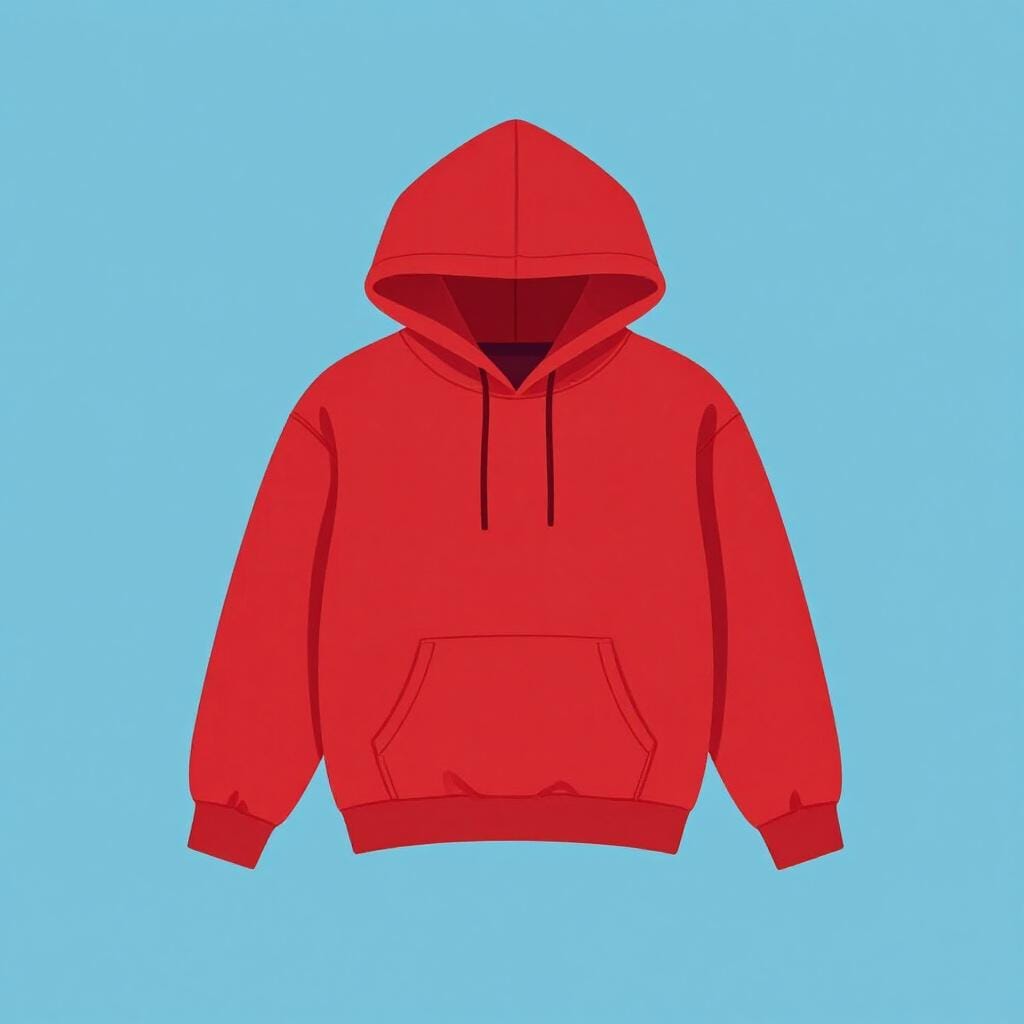
Ponte la capucha, que está empezando a llover.
Put your hood on; it's starting to rain.
Prefiero comprar sudaderas que tengan una capucha grande.
I prefer to buy sweatshirts that have a big hood.
El sospechoso llevaba una capucha para que no se viera su cara.
The suspect was wearing a hood so his face wouldn't be seen.
Always Feminine
Even if a man is wearing it, the word is always 'la capucha'. Don't forget to match your describing words (adjectives) to its feminine ending, like 'una capucha negra'.
Describing Clothes
To say something 'has' a hood, Spanish uses the word 'con' (with). Instead of saying 'a hooded jacket,' you say 'una chaqueta con capucha'.
Capucha vs. Gorro
Mistake: “Using 'capucha' for a winter woolly hat.”
Correction: Use 'gorro' for a hat you put on separately, and 'capucha' for the one that is physically attached to your jacket or sweater.
tope
toh-pehˈto.pe

Examples
El gobierno puso un tope a los precios.
The government put a cap on prices.
Hay un tope salarial en esta empresa.
There is a salary cap in this company.
Llegamos al tope de nuestra capacidad.
We reached the limit of our capacity.
Abstract use
When used for money or numbers, it functions just like 'limit' in English.
Using 'techo' for everything
Mistake: “El techo de gastos”
Correction: El tope de gastos (While 'techo' works for 'ceiling', 'tope' is much more common for specific financial caps).
techo
TAY-choˈte.tʃo

Examples
Han puesto un techo al precio de la gasolina.
They have put a cap on the price of gasoline.
Siento que he tocado techo en esta empresa; ya no puedo ascender más.
I feel like I've hit the ceiling in this company; I can't be promoted any further.
Figurative Use
When 'techo' is used figuratively, it refers to the highest point or limit you can reach, often in a career or economic situation.
Using 'Límite' vs. 'Techo'
Mistake: “Sometimes learners use 'límite' when 'techo' sounds more idiomatic for a maximum level.”
Correction: Use 'techo' for established caps (like salary or debt) or reaching a personal peak. Example: 'Hemos llegado al techo de la deuda' (We've reached the debt ceiling).
corona
koh-ROH-nahkoˈɾo.na
Examples
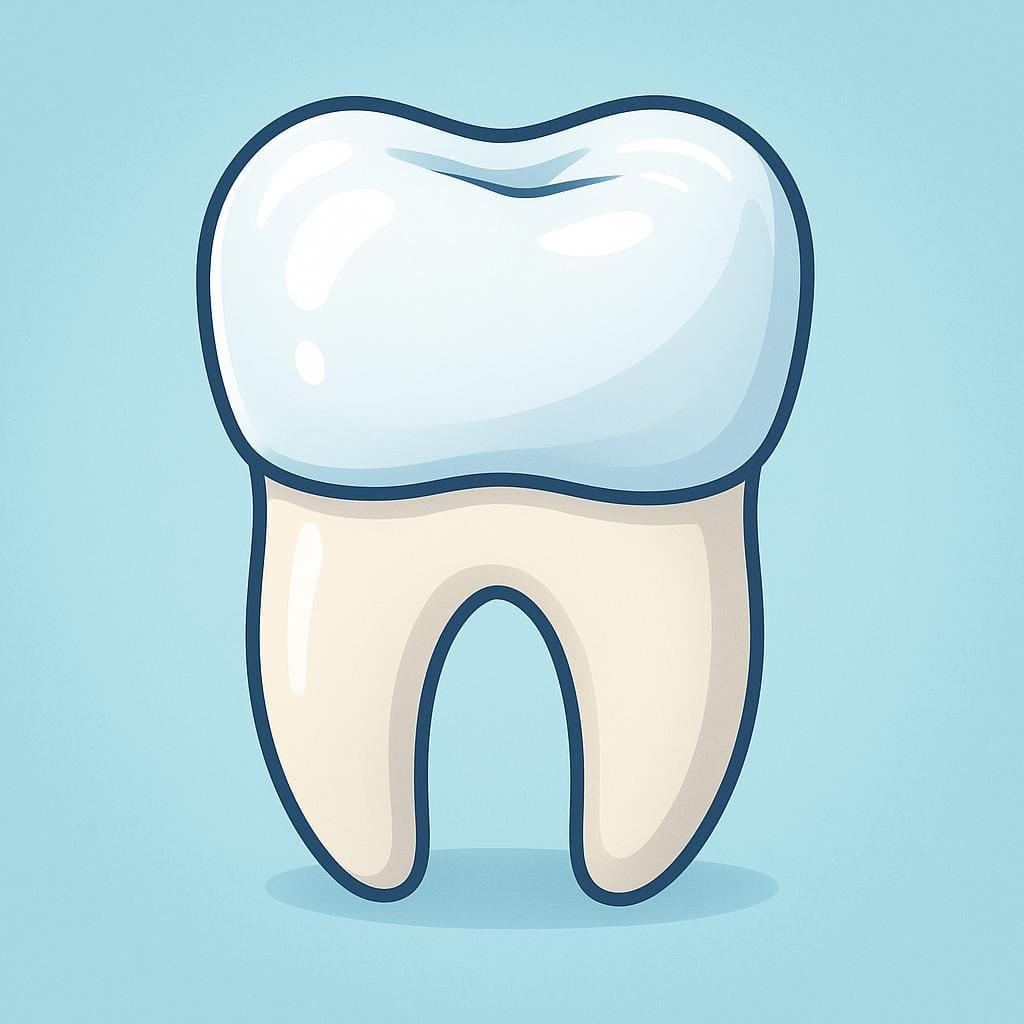
El dentista me dijo que necesito una corona de porcelana.
The dentist told me I need a porcelain crown.
La corona de la muela está floja.
The crown of the molar is loose.
toca
TOH-kahˈtoka

Examples
Las enfermeras usaban una toca blanca durante la operación.
The nurses wore a white cap during the operation.
La toca de la monja cubría su rostro casi por completo.
The nun's wimple covered her face almost completely.
Tapa vs. Tapón
Related Translations
Learn Spanish with Inklingo
Interactive stories, personalized learning, and more.