How to Say "border" in Spanish
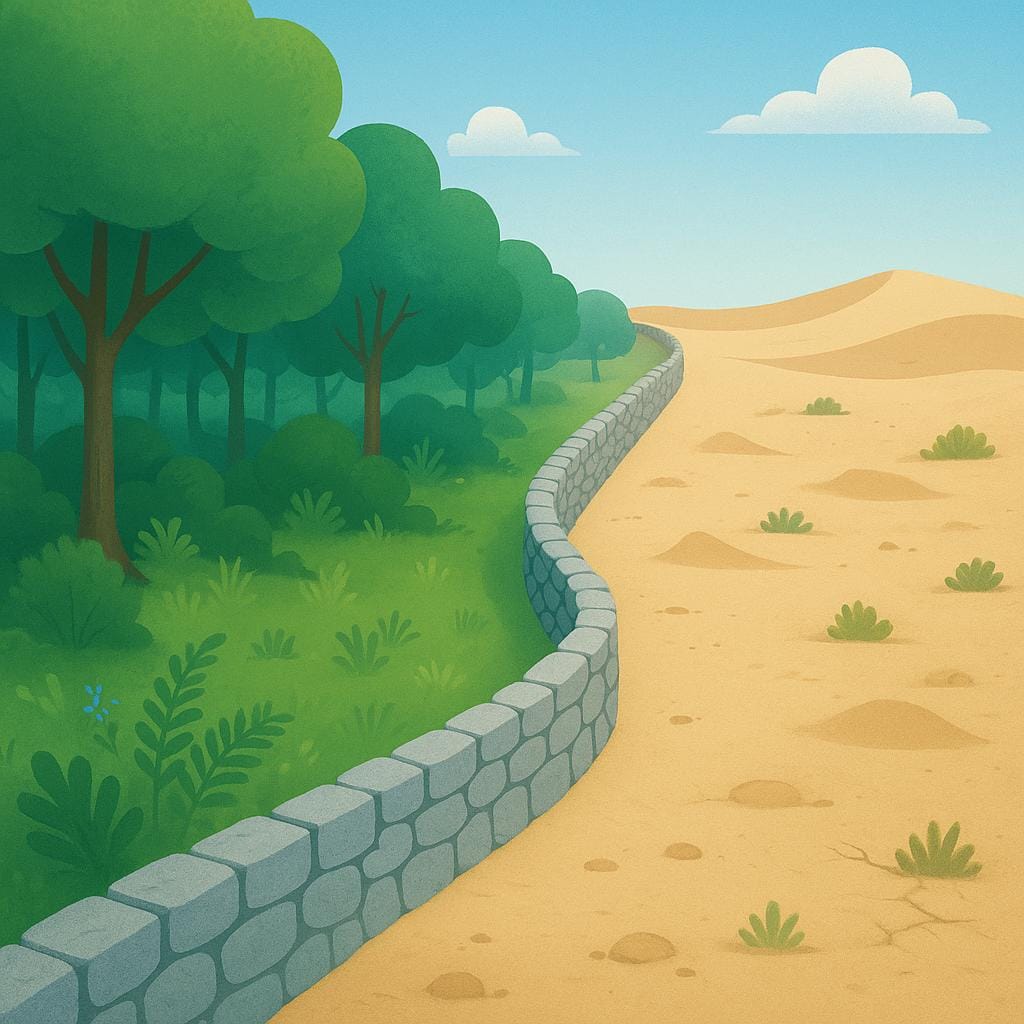
The most common Spanish word for “border” is “frontera” — use 'frontera' specifically when referring to the political boundary between two countries or nations.
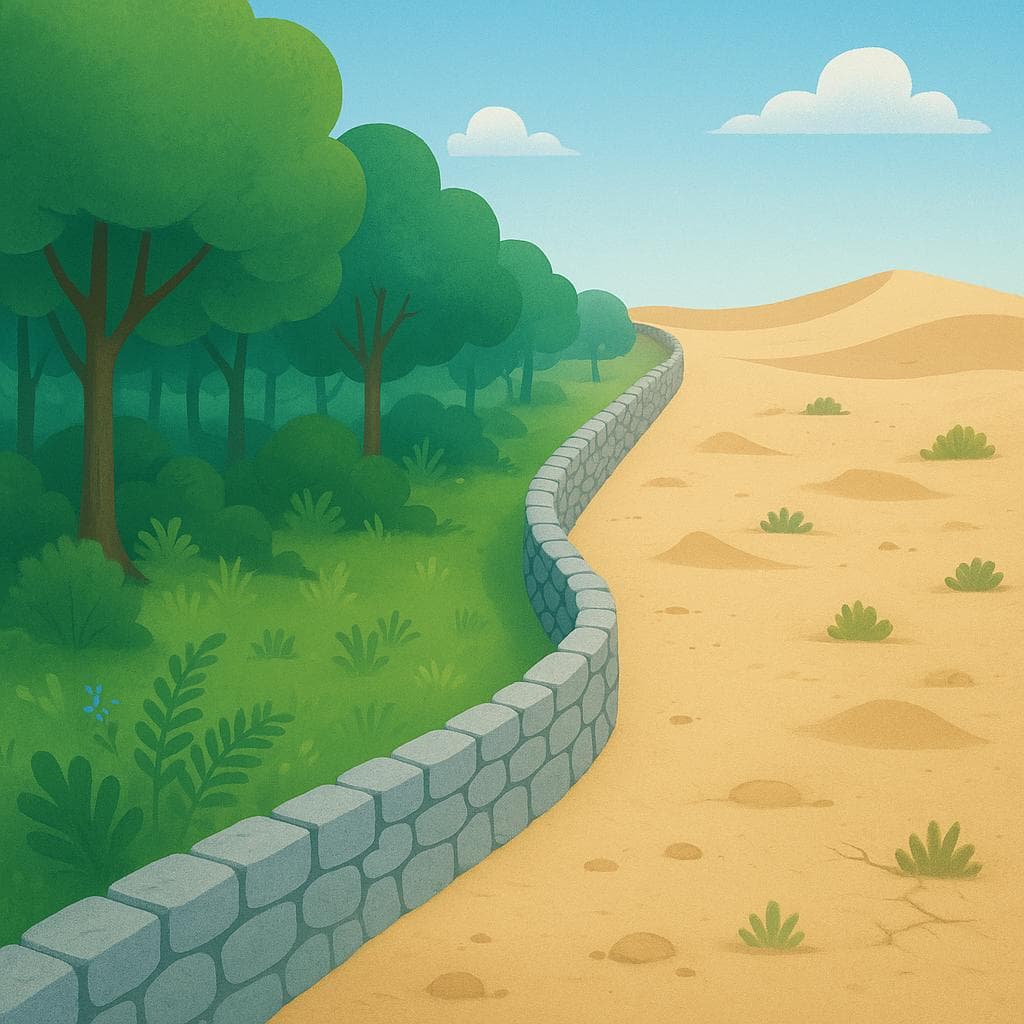


frontera
frohn-TEH-rahfɾonˈteɾa
Examples
Tuvimos que mostrar nuestros pasaportes al cruzar la frontera.
We had to show our passports when crossing the border.
La frontera entre Estados Unidos y Canadá es la más larga del mundo.
The border between the United States and Canada is the longest in the world.
La pequeña ciudad fronteriza dependía del comercio internacional.
The small border town depended on international trade.
Gender Alert
Remember that 'frontera' is always a feminine noun, so you must use 'la' or 'una' with it: 'la frontera'.
límite
Examples
Esta valla marca el límite de nuestra propiedad.
This fence marks the boundary of our property.
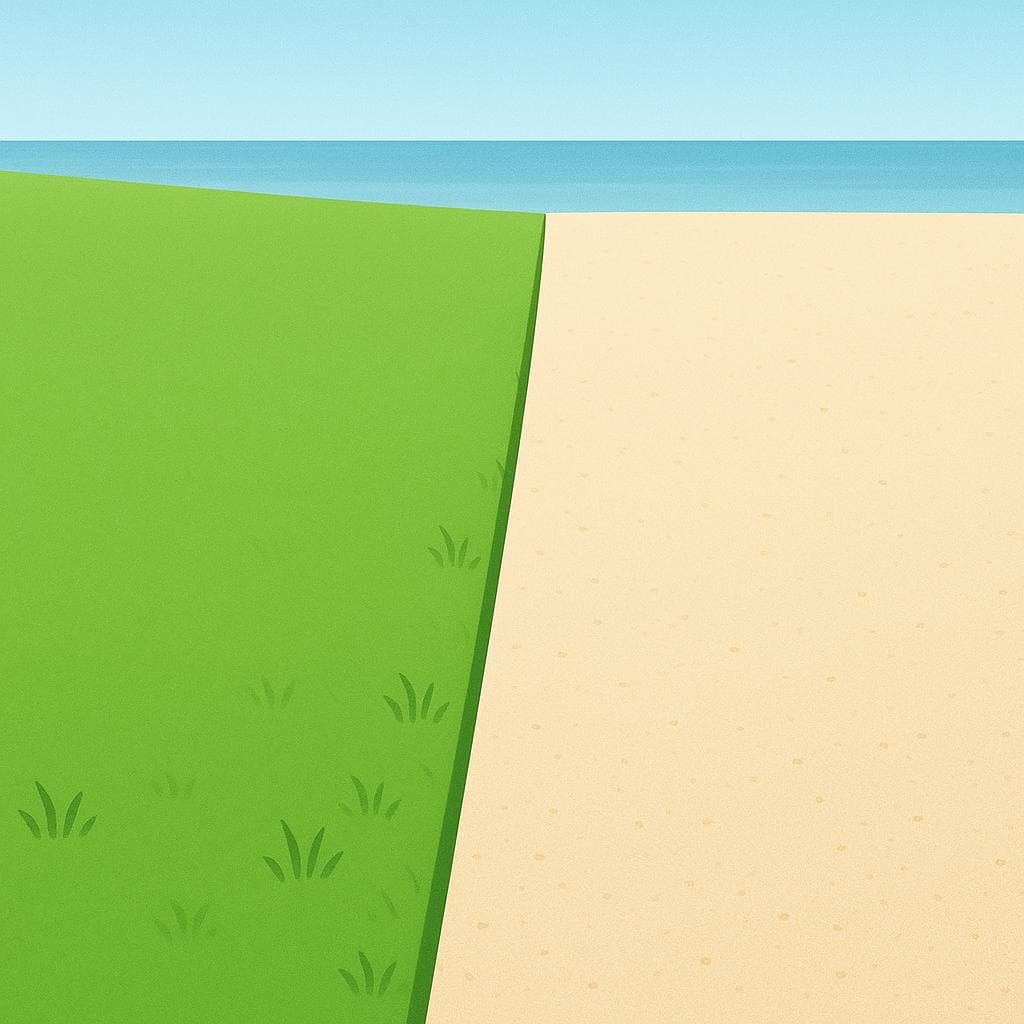
borde
BOAR-dehˈboɾ.ðe
Examples
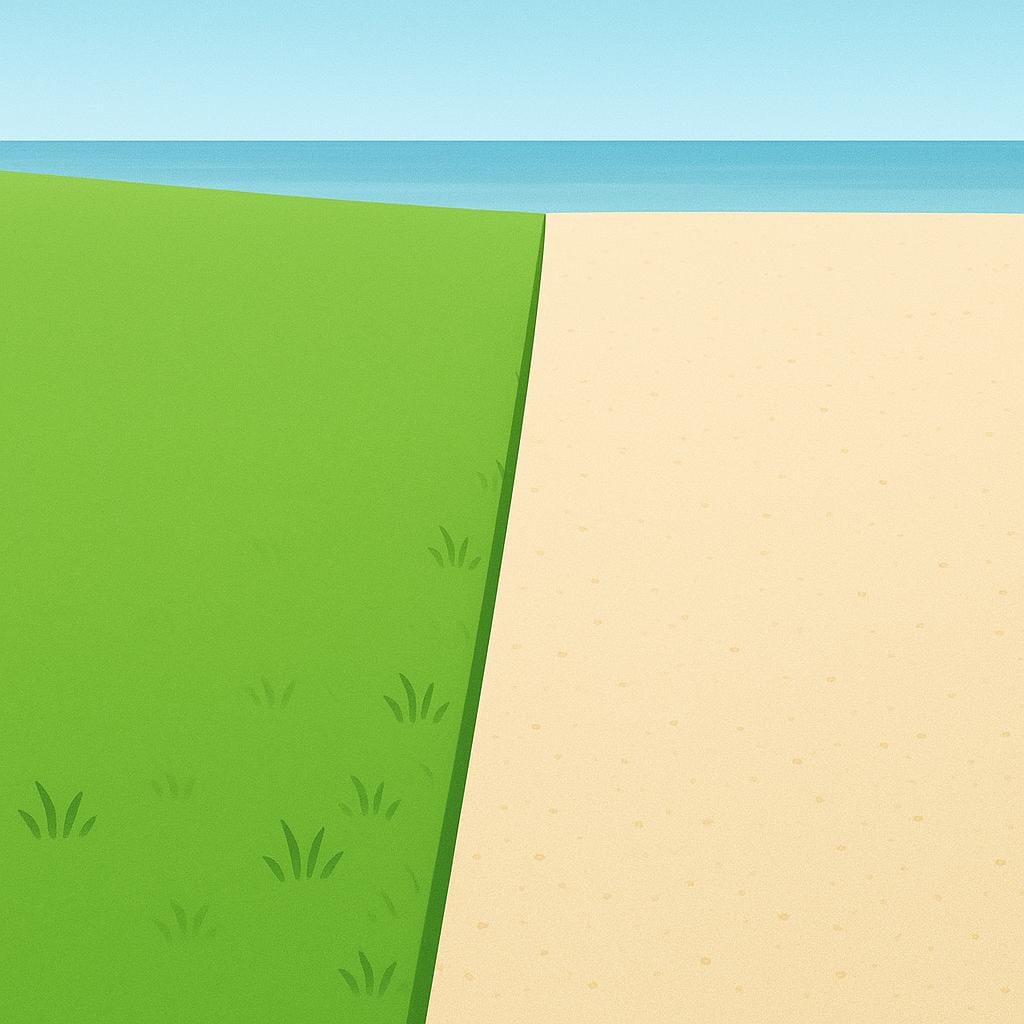
Ten cuidado de no caerte del borde de la piscina.
Be careful not to fall off the edge of the pool.
El borde del plato estaba decorado con oro.
The rim of the plate was decorated with gold.
Estábamos al borde de la desesperación.
We were on the verge of desperation.
Masculine Noun Rule
'Borde' is always a masculine noun, so you must use 'el' or 'un' before it.
Confusing 'Borde' and 'Esquina'
Mistake: “Using 'borde' when you mean 'corner' (esquina).”
Correction: Use 'borde' for the length of an edge, and 'esquina' for where two edges meet.
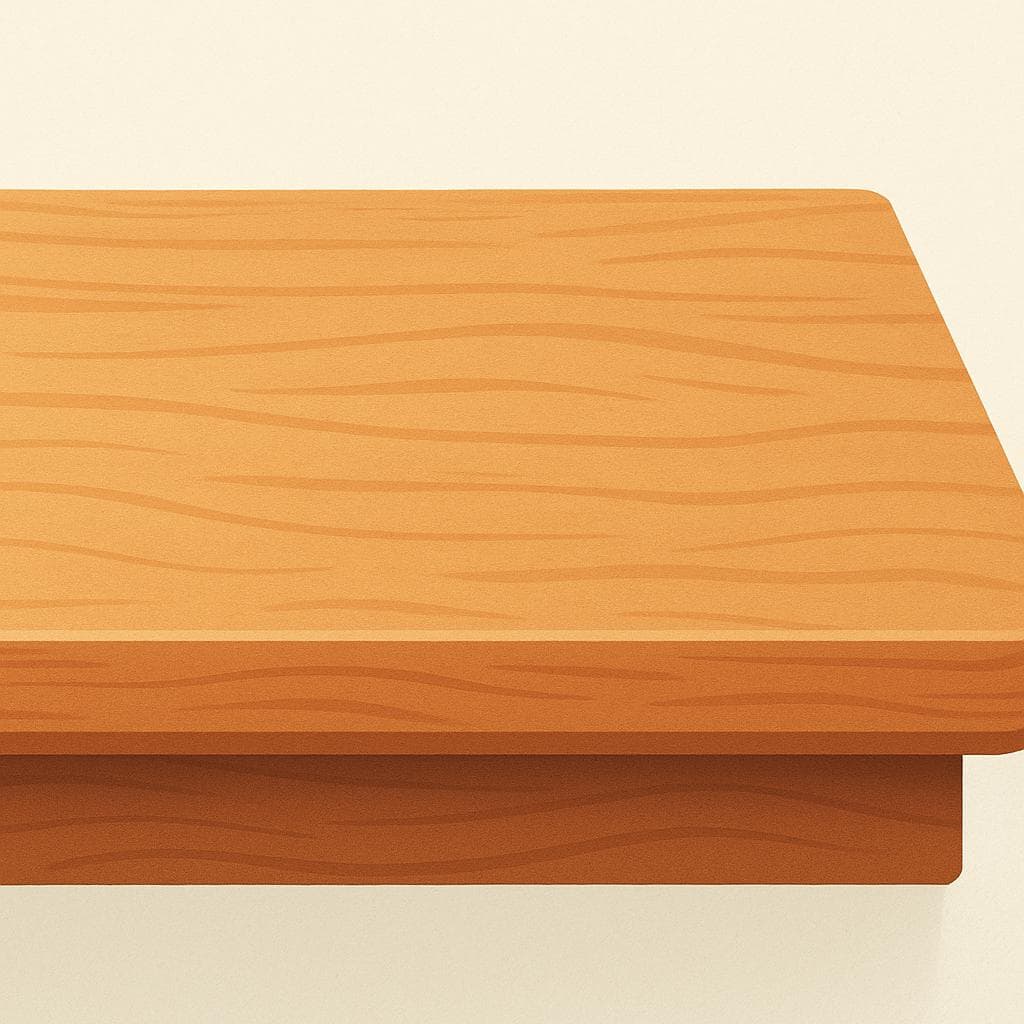
orilla
oh-REE-yahoˈɾiʝa
Examples
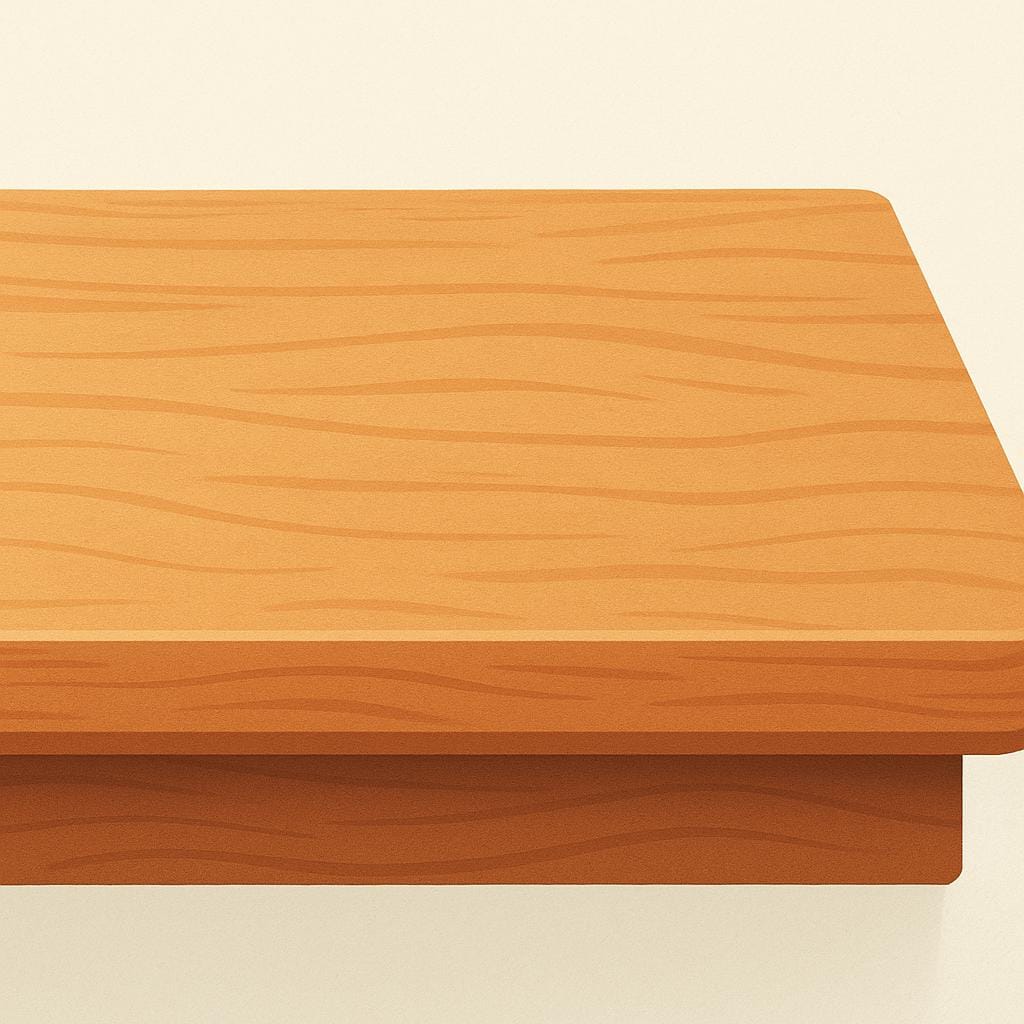
Ten cuidado, el plato está justo en la orilla de la mesa.
Be careful, the plate is right on the edge of the table.
Vivimos en la orilla de la ciudad, cerca del campo.
We live on the border/outskirts of the city, near the countryside.
Figurative Use
Just like in English, 'orilla' can be used figuratively to mean being close to a major change or emotion (e.g., 'on the edge of success').
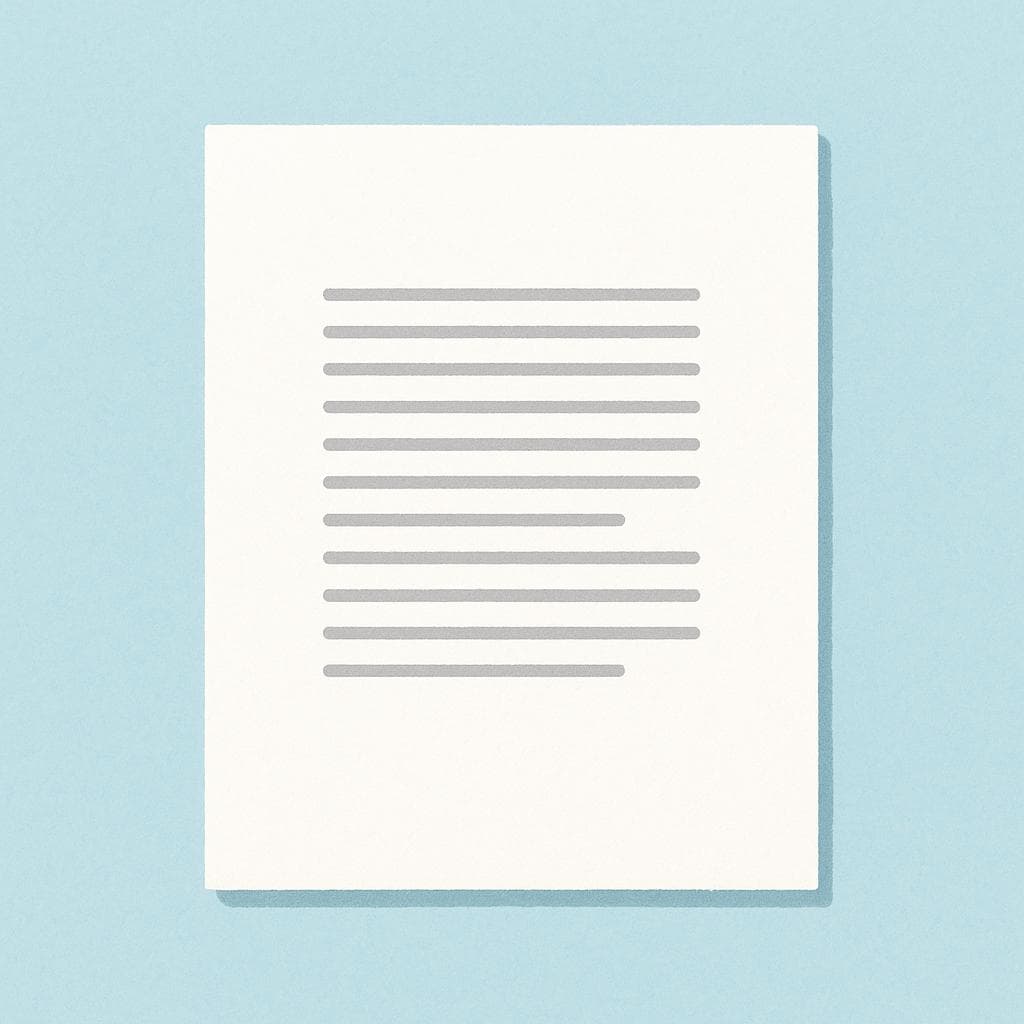
margen
MAHR-henˈmaɾxen
Examples
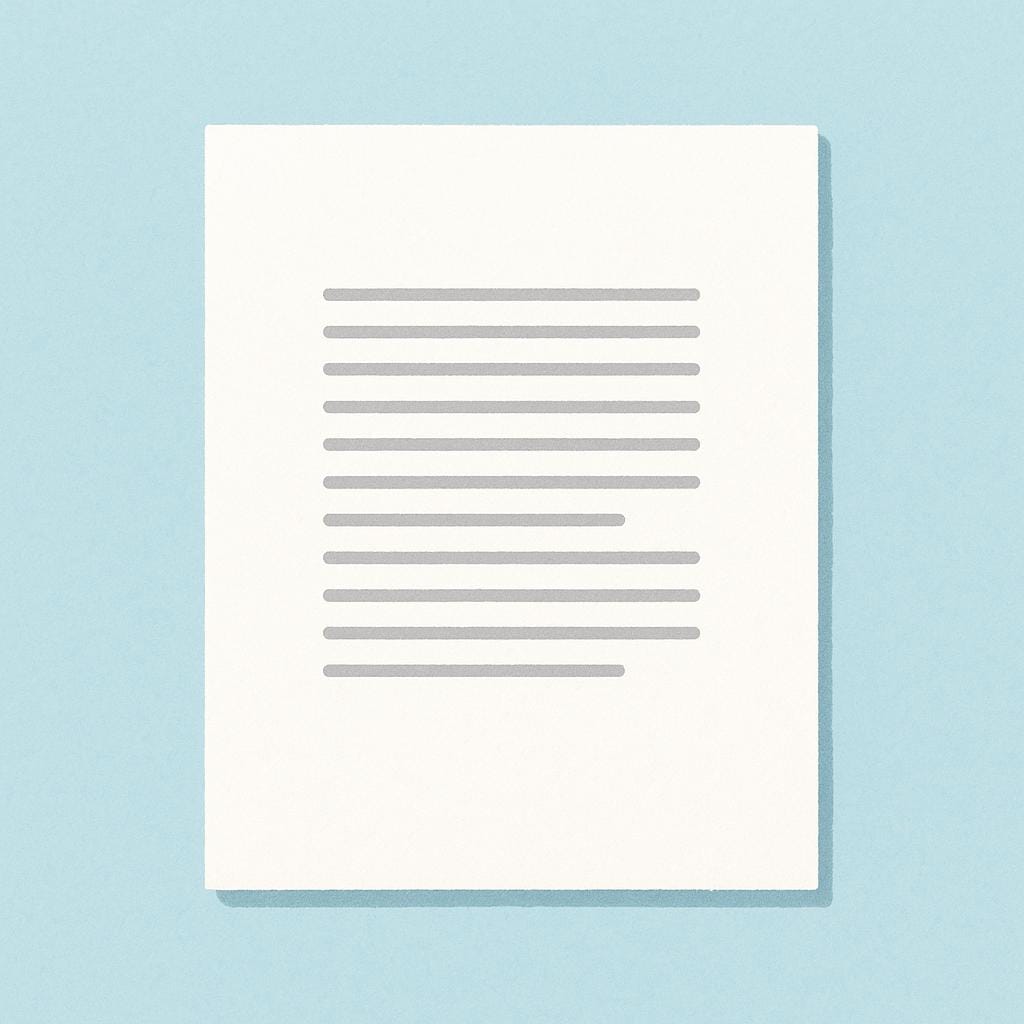
Por favor, no escribas en el margen del examen.
Please, do not write in the margin of the exam.
Caminamos por el margen del río hasta encontrar un puente.
We walked along the bank of the river until we found a bridge.
El coche se detuvo en el margen de la carretera.
The car stopped on the side (verge) of the road.
Gender Note
Even though 'margen' ends in '-en', it is a masculine noun ('el margen'). However, in older usage or specifically referring to a riverbank, you might occasionally hear 'la margen'.
Using the wrong gender
Mistake: “La margen es muy estrecha.”
Correction: El margen es muy estrecho. (Always use the masculine article 'el' for the paper margin or general edge.)
fronterizo
fron-teh-REE-sohfɾonteˈɾiθo

Examples
Vivimos en una ciudad fronteriza.
We live in a border city.
El comercio fronterizo es muy importante para la región.
Border trade is very important for the region.
Hay nuevos controles fronterizos este mes.
There are new border controls this month.
Matching the Noun
Since this is an adjective, you must change the ending to match what you are describing. Use 'fronterizo' for masculine words (el pueblo) and 'fronteriza' for feminine words (la ciudad).
Word Placement
In Spanish, 'fronterizo' almost always comes after the noun it describes, unlike in English where 'border' comes before (e.g., 'ciudad fronteriza' vs 'border city').
Forgetting Gender Agreement
Mistake: “La zona fronterizo.”
Correction: La zona fronteriza. Because 'zona' is feminine, the adjective must also end in 'a'.
filete
fee-LEH-tehfiˈlete

Examples
La portada del libro tiene un filete de oro.
The book cover has a gold border.
El sofá tiene un filete blanco que resalta el color azul.
The sofa has white piping that highlights the blue color.
Abstract use
Think of this meaning as a 'thin strip' of something, which helps connect it to the food meaning (a thin strip of meat).
Country Borders vs. Other Boundaries
Learn Spanish with Inklingo
Interactive stories, personalized learning, and more.