How to Say "frontier" in Spanish
The most common Spanish word for “frontier” is “frontera” — use 'frontera' when you are talking about the actual line or area that separates two countries.
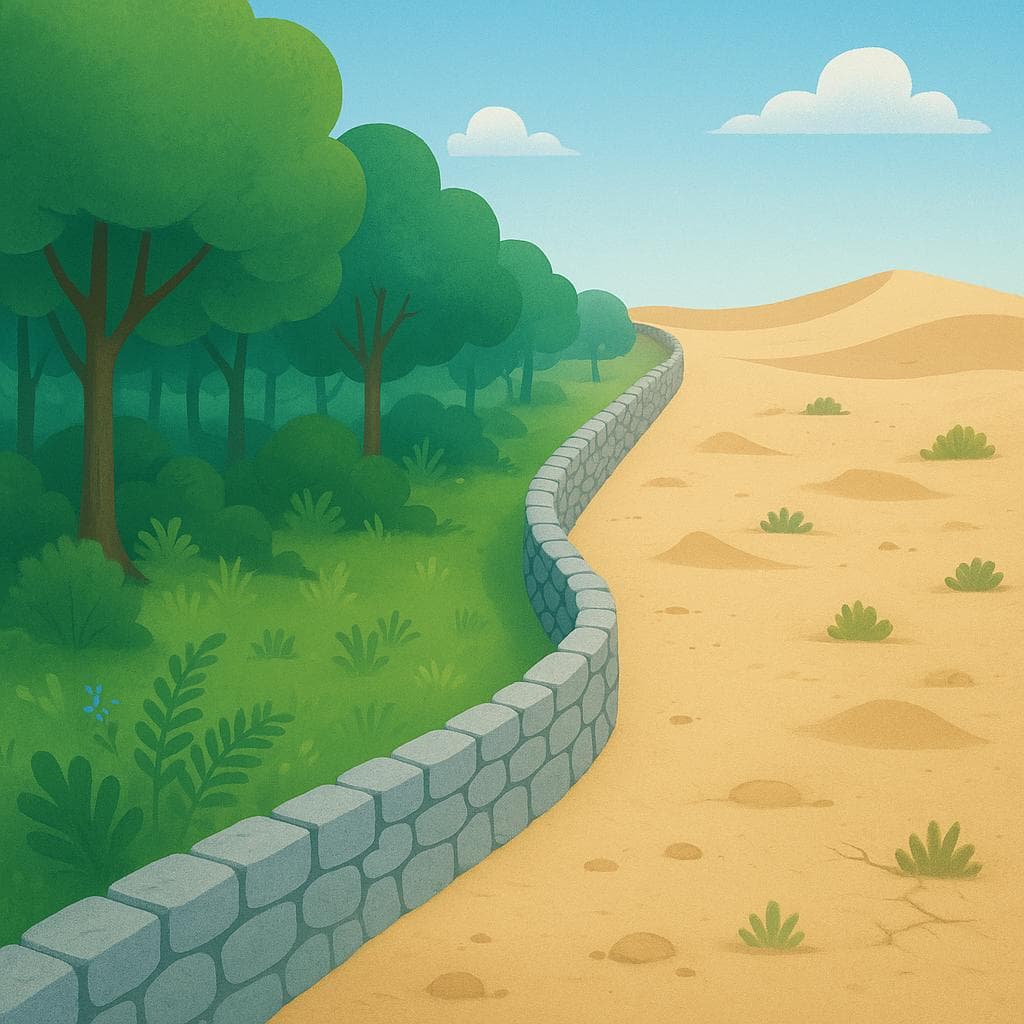

frontera
frohn-TEH-rahfɾonˈteɾa
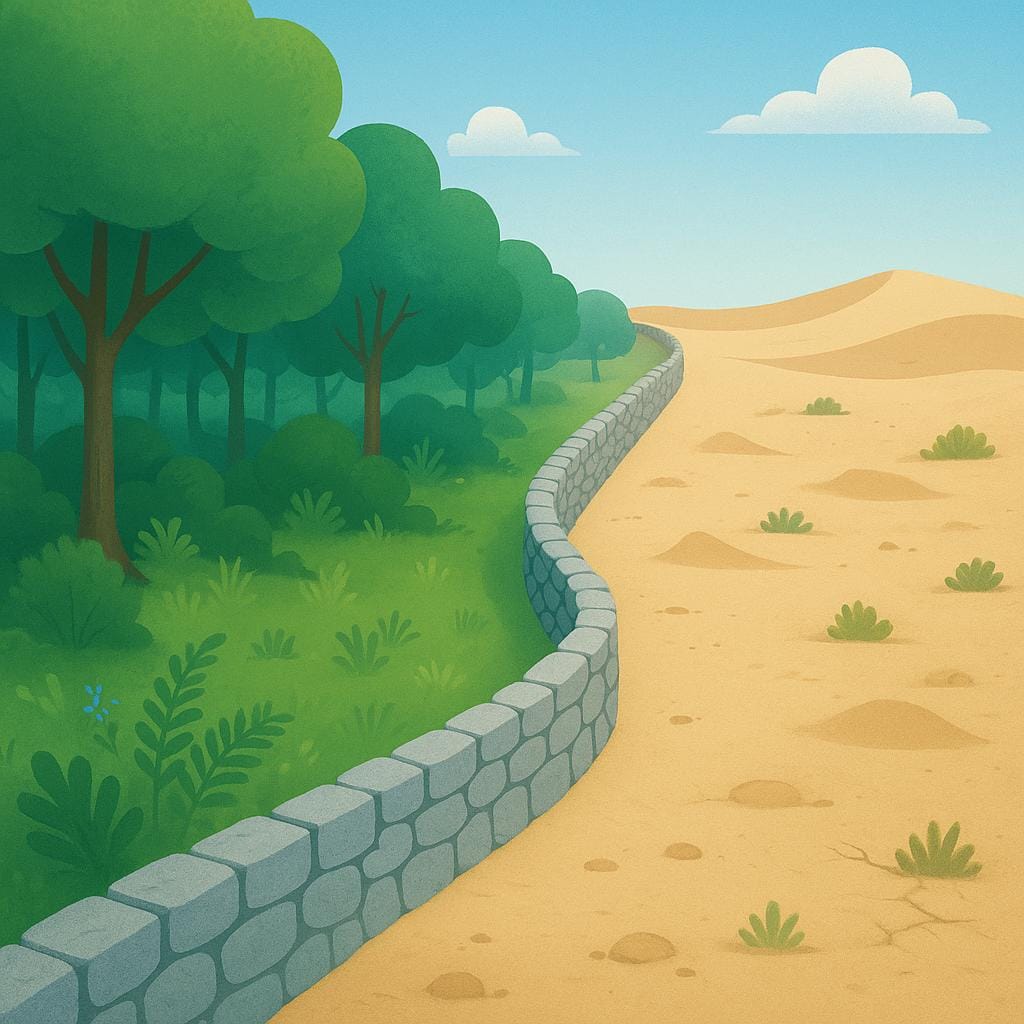
Examples
La vida en la frontera puede ser muy diferente a la del interior del país.
Life on the frontier can be very different from that of the country's interior.
Tuvimos que mostrar nuestros pasaportes al cruzar la frontera.
We had to show our passports when crossing the border.
La frontera entre Estados Unidos y Canadá es la más larga del mundo.
The border between the United States and Canada is the longest in the world.
La pequeña ciudad fronteriza dependía del comercio internacional.
The small border town depended on international trade.
Gender Alert
Remember that 'frontera' is always a feminine noun, so you must use 'la' or 'una' with it: 'la frontera'.
fronterizo
fron-teh-REE-sohfɾonteˈɾiθo

Examples
Los comerciantes de la zona fronteriza se benefician del intercambio cultural.
Merchants from the border area benefit from cultural exchange.
Vivimos en una ciudad fronteriza.
We live in a border city.
El comercio fronterizo es muy importante para la región.
Border trade is very important for the region.
Hay nuevos controles fronterizos este mes.
There are new border controls this month.
Matching the Noun
Since this is an adjective, you must change the ending to match what you are describing. Use 'fronterizo' for masculine words (el pueblo) and 'fronteriza' for feminine words (la ciudad).
Word Placement
In Spanish, 'fronterizo' almost always comes after the noun it describes, unlike in English where 'border' comes before (e.g., 'ciudad fronteriza' vs 'border city').
Forgetting Gender Agreement
Mistake: “La zona fronterizo.”
Correction: La zona fronteriza. Because 'zona' is feminine, the adjective must also end in 'a'.
Noun vs. Adjective Confusion
Related Translations
Learn Spanish with Inklingo
Interactive stories, personalized learning, and more.