How to Say "verge" in Spanish
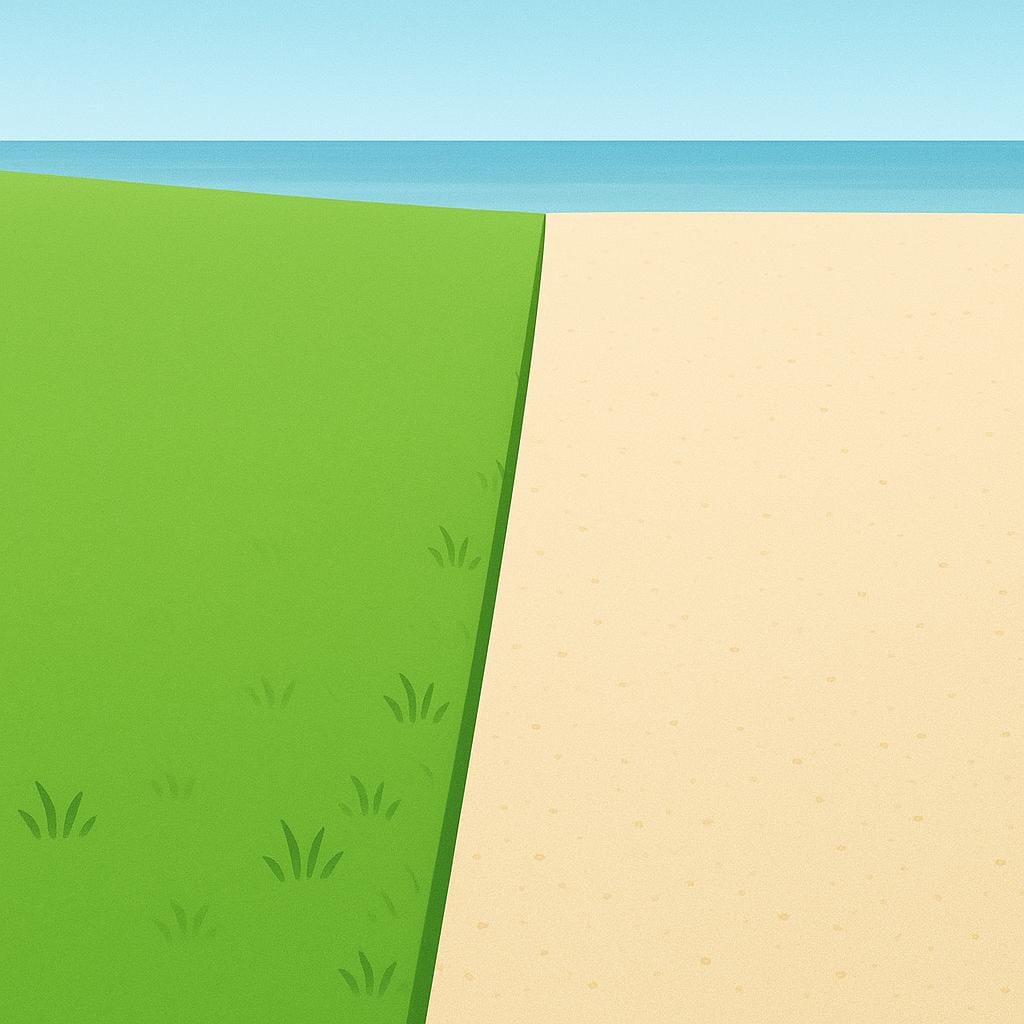
The most common Spanish word for “verge” is “borde” — use 'borde' for the edge of a physical object like a cliff, a pool, or a table, emphasizing a sharp or defined boundary.
Use 'borde' for the edge of a physical object like a cliff, a pool, or a table, emphasizing a sharp or defined boundary.
Learn more →
Choose 'orilla' to refer to the side or edge of a road, path, or sometimes a body of water, often implying a softer or more natural boundary.
Learn more →
Use 'margen' specifically for the margin of a page, a document, or the space along the side of a road.
Learn more →
Employ 'vera' to describe the edge or bank of a road or path, often with a slightly more literary or descriptive feel.
Learn more →
Use 'punto' in the idiomatic expression 'en su punto' to mean 'on the verge of' or 'just right' when referring to a state or condition.
Learn more →BOAR-dehˈboɾ.ðe
Examples
Ten cuidado de no caerte del borde de la piscina.
Be careful not to fall off the edge of the pool.
El borde del plato estaba decorado con oro.
The rim of the plate was decorated with gold.
Estábamos al borde de la desesperación.
We were on the verge of desperation.
Masculine Noun Rule
'Borde' is always a masculine noun, so you must use 'el' or 'un' before it.
Confusing 'Borde' and 'Esquina'
Mistake: “Using 'borde' when you mean 'corner' (esquina).”
Correction: Use 'borde' for the length of an edge, and 'esquina' for where two edges meet.
oh-REE-yahoˈɾiʝa
Examples
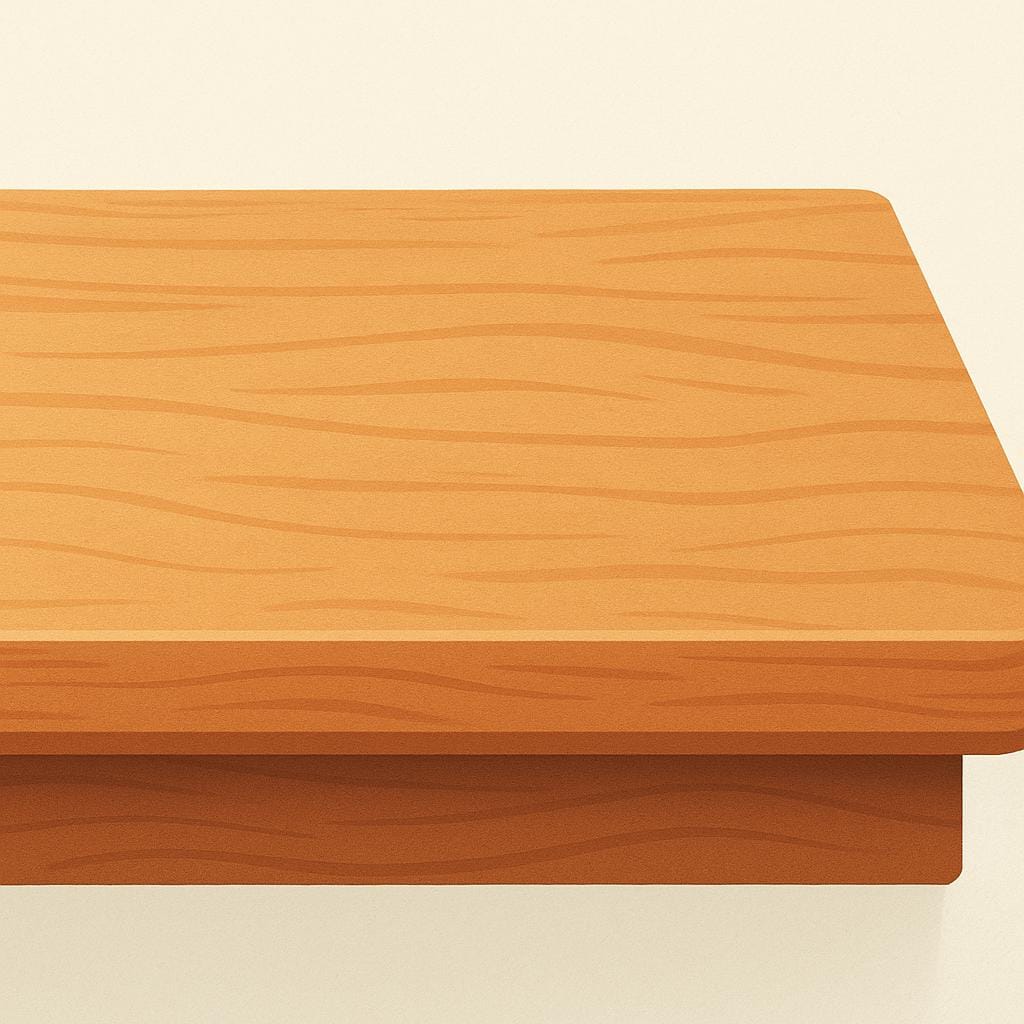
Ten cuidado, el plato está justo en la orilla de la mesa.
Be careful, the plate is right on the edge of the table.
Vivimos en la orilla de la ciudad, cerca del campo.
We live on the border/outskirts of the city, near the countryside.
Figurative Use
Just like in English, 'orilla' can be used figuratively to mean being close to a major change or emotion (e.g., 'on the edge of success').
MAHR-henˈmaɾxen
Examples
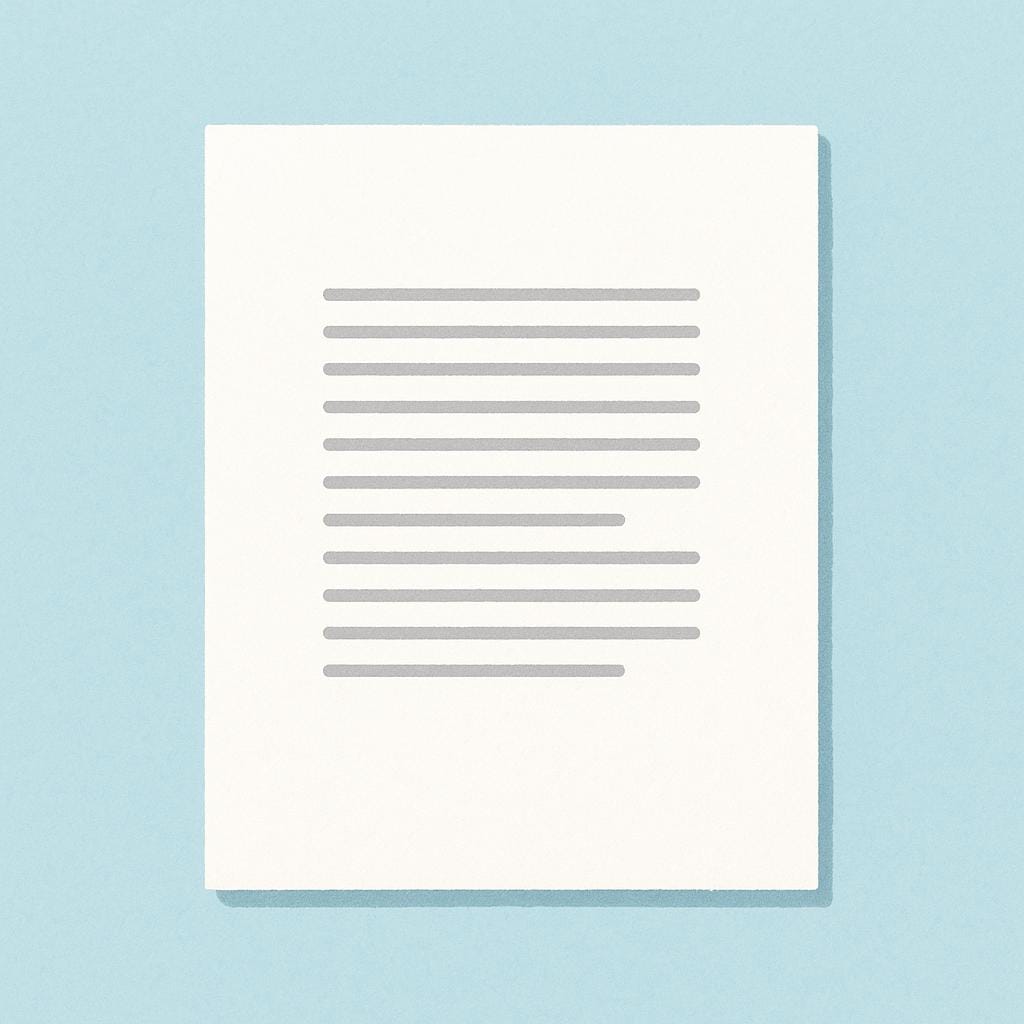
Por favor, no escribas en el margen del examen.
Please, do not write in the margin of the exam.
Caminamos por el margen del río hasta encontrar un puente.
We walked along the bank of the river until we found a bridge.
El coche se detuvo en el margen de la carretera.
The car stopped on the side (verge) of the road.
Gender Note
Even though 'margen' ends in '-en', it is a masculine noun ('el margen'). However, in older usage or specifically referring to a riverbank, you might occasionally hear 'la margen'.
Using the wrong gender
Mistake: “La margen es muy estrecha.”
Correction: El margen es muy estrecho. (Always use the masculine article 'el' for the paper margin or general edge.)
VAY-rahˈbeɾa
Examples
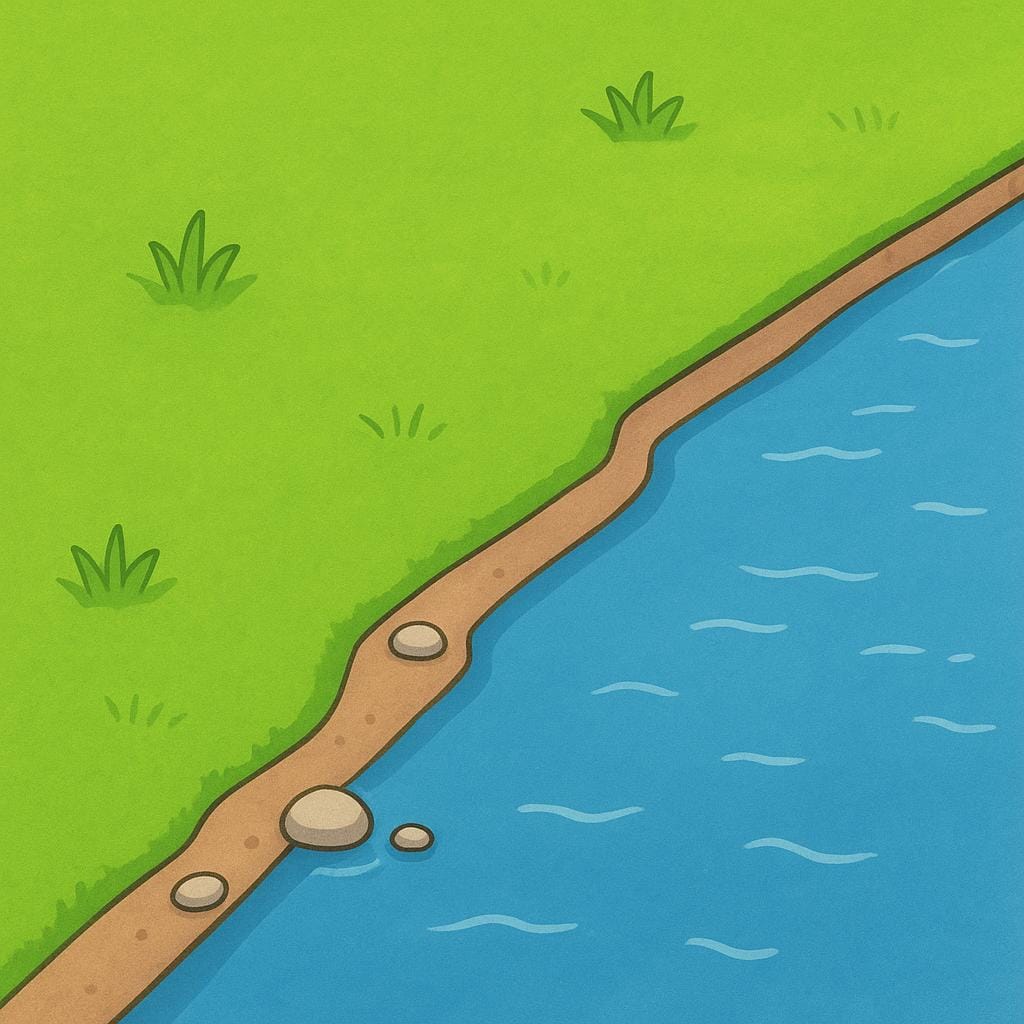
Caminamos por la vera del camino hasta encontrar el pueblo.
We walked along the edge of the road until we found the town.
El picnic fue a la vera del río, bajo un gran árbol.
The picnic was on the bank of the river, under a large tree.
Always Feminine
Remember to always use the feminine article 'la' with 'vera': 'la vera'.
Confusing with 'Verdad'
Mistake: “Using 'vera' when you mean 'truth' (verdad).”
Correction: 'Vera' refers to a physical edge; use 'verdad' for truth.
poon-tohˈpun.to

Examples
La sopa está en su punto.
The soup is just right.
Estaba a punto de llamarte cuando llegaste.
I was about to call you when you arrived.
Llegó un punto en que no podía más.
It got to a point where I couldn't take it anymore.
Edge vs. Margin vs. Roadside
Learners often confuse 'borde', 'orilla', 'margen', and 'vera' when referring to physical edges. Remember 'borde' is for defined edges of objects, 'orilla' for sides of roads/paths, and 'margen' is specifically for page margins or roadside space. 'Vera' is also for roadsides but often more descriptive.
Related Translations
Learn Spanish with Inklingo
Interactive stories, personalized learning, and more.