How to Say "jerk" in Spanish
The most common Spanish word for “jerk” is “gilipollas” — use this as a general, common, and often lighthearted insult for someone acting foolishly or annoyingly.
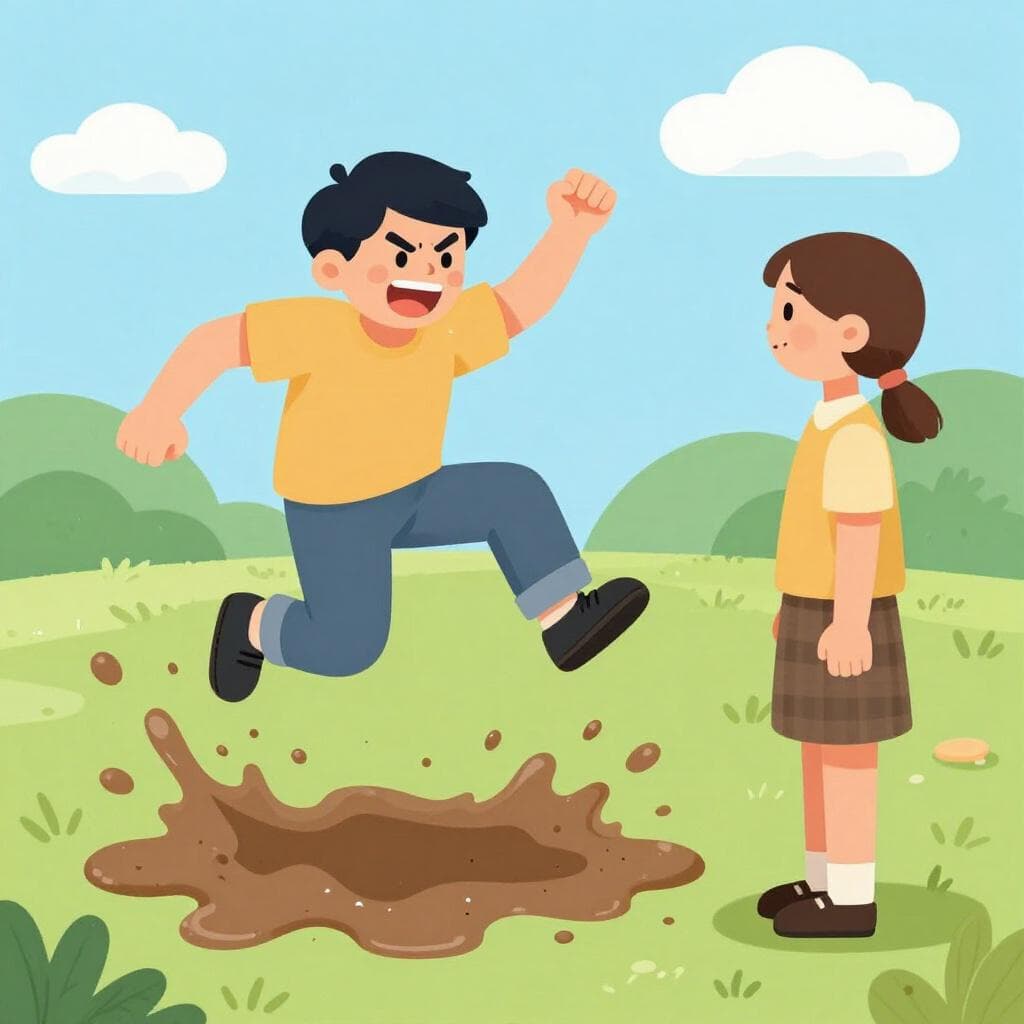



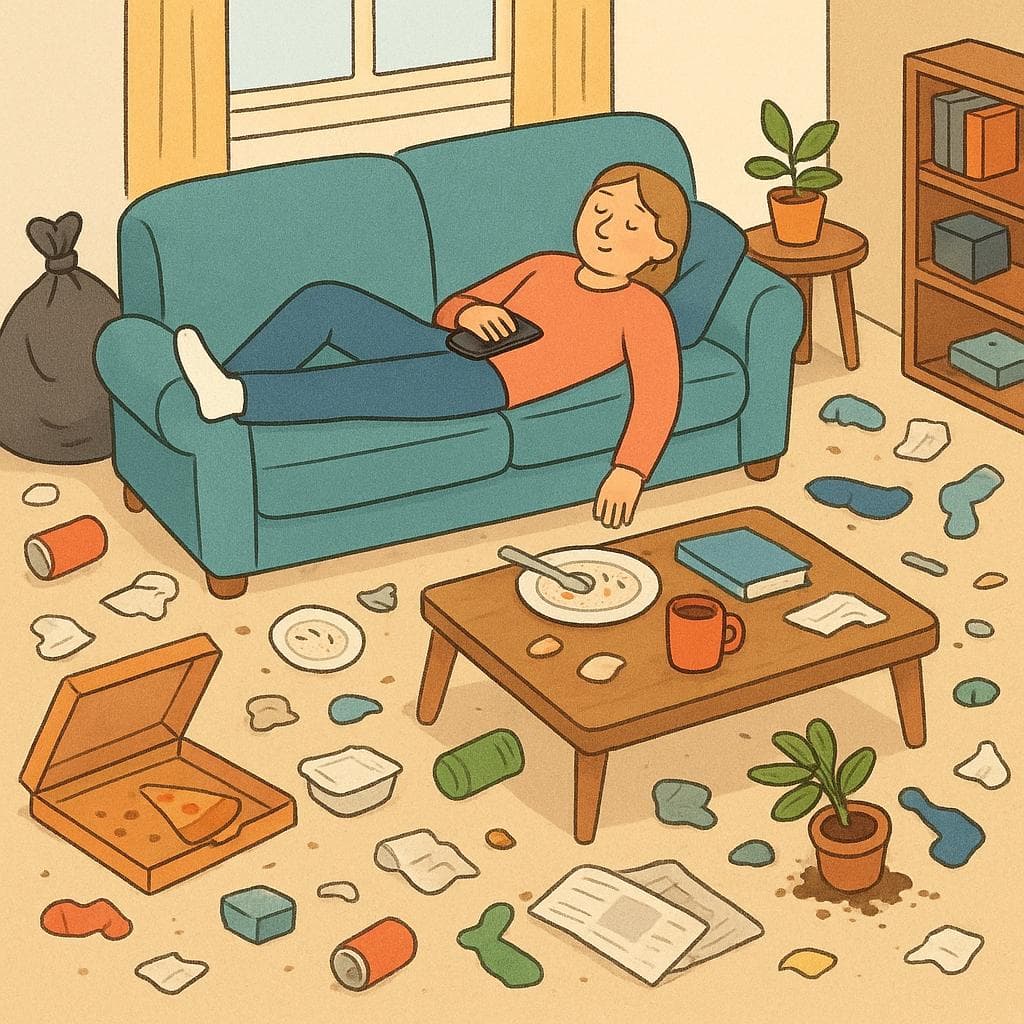





gilipollas
hee-lee-POY-yasxiliˈpoʎas
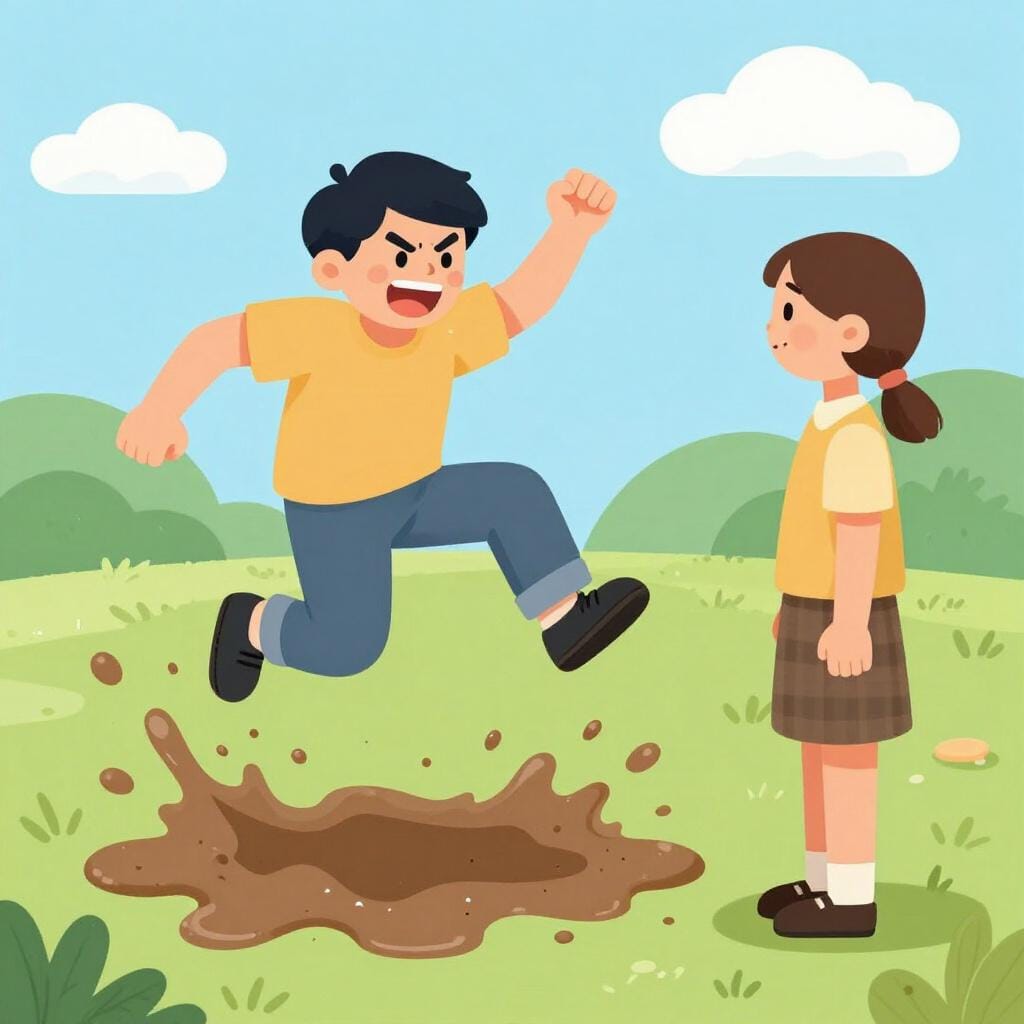
Examples
No seas gilipollas y ven a la fiesta.
Don't be a jerk and come to the party.
Ese tío es un gilipollas integral.
That guy is a complete idiot.
¡Qué gilipollas es mi jefe!
My boss is such an asshole!
The 'S' trap
The word always ends in 's', even when you are only talking about one person.
One size fits all
This word doesn't change its ending for men or women. You just change the word 'the' or 'a' in front: 'el gilipollas' for a man, 'la gilipollas' for a woman.
Avoid 'Gilipolla'
Mistake: “Ese hombre es un gilipolla.”
Correction: Ese hombre es un gilipollas. You must keep the 's' at the end even for one person.
patán
Examples
Ese patán no me pidió perdón después de empujarme.
That jerk didn't apologize after pushing me.
borde
BOAR-dehˈboɾ.ðe

Examples
El camarero fue un borde, ni siquiera nos miró al servir.
The waiter was a jerk; he didn't even look at us while serving.
No seas borde y pide disculpas.
Don't be rude and apologize.
Used as Adjective and Noun
In this context, 'borde' can be used as a noun ('es un borde') or as an adjective ('es muy borde'). It usually doesn't change form based on gender, even when referring to a woman.
tarado
tah-RAH-dohtaˈɾaðo

Examples
Ese tarado casi choca mi auto.
That idiot almost hit my car.
No escuches a ese tarada.
Don't listen to that idiot (female).
Vino un tarado y se llevó mi silla.
Some jerk came and took my chair.
Adding 'A' or 'An'
In Spanish, we use the articles 'un' or 'una' before 'tarado' when using it as a noun to refer to a person: 'Un tarado' (An idiot).
Gender confusion
Mistake: “Referring to a woman as 'el tarado'.”
Correction: Always say 'la tarada' for a female person to match the gender correctly.
asqueroso
ahs-keh-ROH-sohas.keˈro.so

Examples
No te juntes con ese asqueroso, tiene muy mala fama.
Don't hang out with that creep; he has a very bad reputation.
Ella es una asquerosa por haberle robado el dinero a su propia abuela.
She is a disgusting person (or scumbag) for having stolen money from her own grandmother.
Adjective Used as Noun
When you put an article (like 'el' or 'un') before 'asqueroso' or 'asquerosa,' you are treating the descriptive word like a person. It means 'the disgusting one' or 'a disgusting person.'
cerdo
SEHR-doh'seɾ.ðo
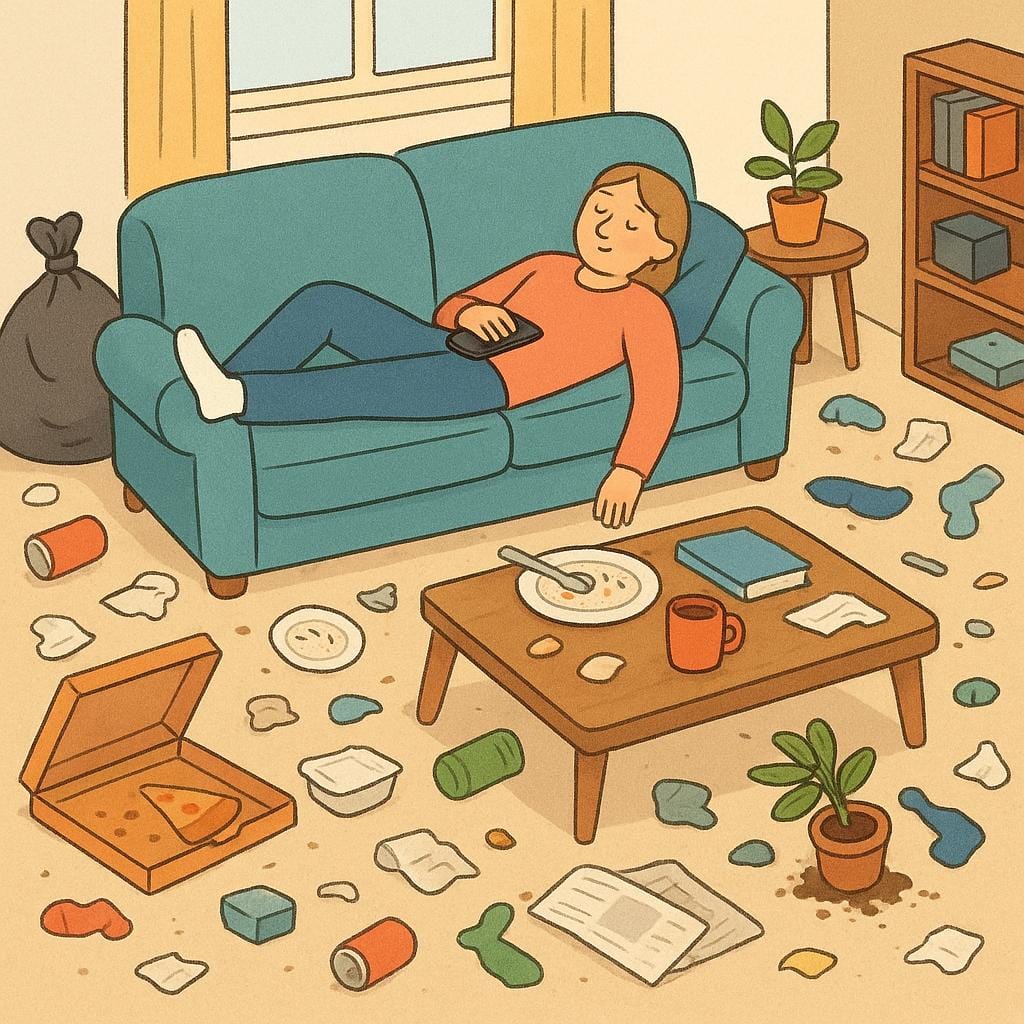
Examples
¡Qué cerdo eres, dejaste todos los platos sin lavar!
What a slob you are, you left all the dishes unwashed!
No quiero tratar con ese hombre, es un cerdo egoísta.
I don't want to deal with that man, he is a greedy pig/jerk.
Using 'Cerdo' as an Adjective
When used to describe a person, 'cerdo' acts like an adjective, meaning 'filthy' or 'gross.' You must match the gender: 'la persona cerda' (the filthy person) or 'el hombre cerdo'.
perro
PEH-rroh'pero

Examples
No confíes en él, es un perro.
Don't trust him, he's a dog/jerk.
¡Qué perro! Me mintió todo el tiempo.
What a dog! He lied to me the whole time.
Using the Feminine Form 'Perra'
Mistake: “Thinking 'perra' is a simple equivalent insult for a woman.”
Correction: Be extremely careful. While 'perro' is a strong insult for a man, 'perra' is a much more offensive and vulgar insult for a woman, often with strong sexual connotations. It's best to avoid using it entirely.
cabrón
Examples
Ese cabrón me robó la idea.
That jerk stole my idea.
pendejo
pen-DEH-hopenˈde.xo
Examples
¡No seas pendejo! Esa oferta es una estafa.
Don't be an idiot! That offer is a scam.
Ese pendejo me chocó el coche y se fue.
That jerk hit my car and drove away.
Me siento como un pendejo por haber creído su mentira.
I feel like a dumbass for believing his lie.
Using it as a label vs. description
You can use this word as a label ('un pendejo') or as a describing word ('él es muy pendejo'). It changes to 'pendeja' when talking about a female.
Softening with 'ser'
When used with 'no seas' (don't be), it is often a warning to a friend, whereas 'él es' (he is) is a direct insult.
High Offense Risk
Mistake: “Using this word with people you don't know well.”
Correction: Only use this word with very close friends in casual settings, or avoid it entirely, as it is a strong swear word in many countries.
capullo
ka-poo-yokaˈpuʝo

Examples
¡No seas capullo y ayúdame!
Don't be a jerk and help me!
Ese tío es un capullo integral.
That guy is a total jerk.
Lo hizo solo para molestar, es un capullo.
He did it just to annoy [me], he's an idiot.
Using 'Ser' for Character
Use the verb 'ser' (to be) because you are describing a person's character or current behavior: 'Es un capullo'.
Regional Use
Mistake: “Using 'capullo' as an insult in Latin America.”
Correction: Be careful! In most of Latin America, this isn't an insult; it's just a flower bud. If you call someone this in Mexico, they might just be confused. In Spain, however, it's very common.
bastardo
bahs-TAHR-dohbasˈtardo

Examples
¡Ese bastardo me robó los ahorros de toda mi vida!
That bastard stole my entire life savings!
No seas un bastardo y ayúdame con esto.
Don't be a jerk and help me with this.
El villano de la película era un auténtico bastardo.
The movie villain was a real bastard.
Used as an Exclamation
In Spanish, you can use '¡Bastardo!' alone as a shout to express anger at someone's actions.
Very High Intensity
Mistake: “Using 'bastardo' with a friend as a light joke.”
Correction: Use 'tío' or 'amigo' for friends; 'bastardo' can start a real fight.
verga
behr-gahˈbeɾɣa

Examples
Ese tipo es una verga con sus empleados.
That guy is a real jerk to his employees.
No digas esa palabra delante de mi abuela, la verga es una grosería.
Don't say that word in front of my grandma; that's a swear word.
Me golpeé la verga sin querer.
I hit my dick by accident.
Gender and Meaning
Even though this word refers to male anatomy, the word itself is feminine ('la verga').
Social Appropriateness
Mistake: “Using 'verga' in a business meeting to mean 'the best'.”
Correction: Use 'el mejor' or 'excelente'. 'Verga' is very vulgar and can get you in trouble in professional settings.
tirón
Examples
Le dio un tirón a la cuerda para abrir la cortina.
He gave the rope a pull to open the curtain.
Choosing the Right Insult
Learn Spanish with Inklingo
Interactive stories, personalized learning, and more.