How to Say "blossom" in Spanish
The most common Spanish word for “blossom” is “flor” — use 'flor' when referring to a flower in its open, blooming state, or more generally as a flower in a garden.
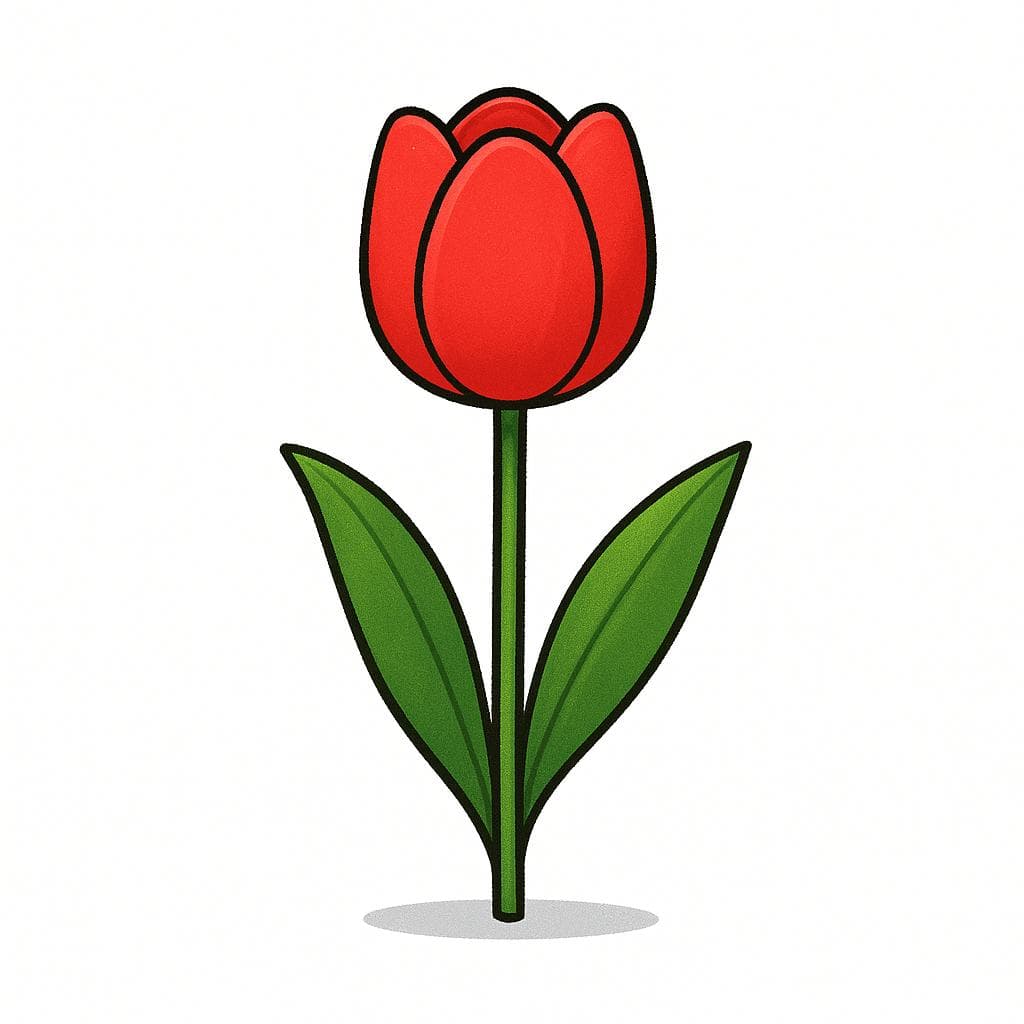

flor
florfloɾ
Examples
Mi abuela cultiva rosas y otras flores en su jardín.
My grandmother grows roses and other flowers in her garden.
¡Qué bonita flor! ¿De qué tipo es?
What a beautiful flower! What type is it?
Las flores del almendro anuncian la primavera.
The almond tree blossoms announce spring.
Gender Alert
Even though 'flor' ends in 'r', it is a feminine noun. Always use the feminine article: 'la flor' or 'una flor'.
Using the Wrong Article
Mistake: “El flor es rojo.”
Correction: La flor es roja. Remember 'flor' is feminine, so adjectives describing it must also be feminine ('roja').
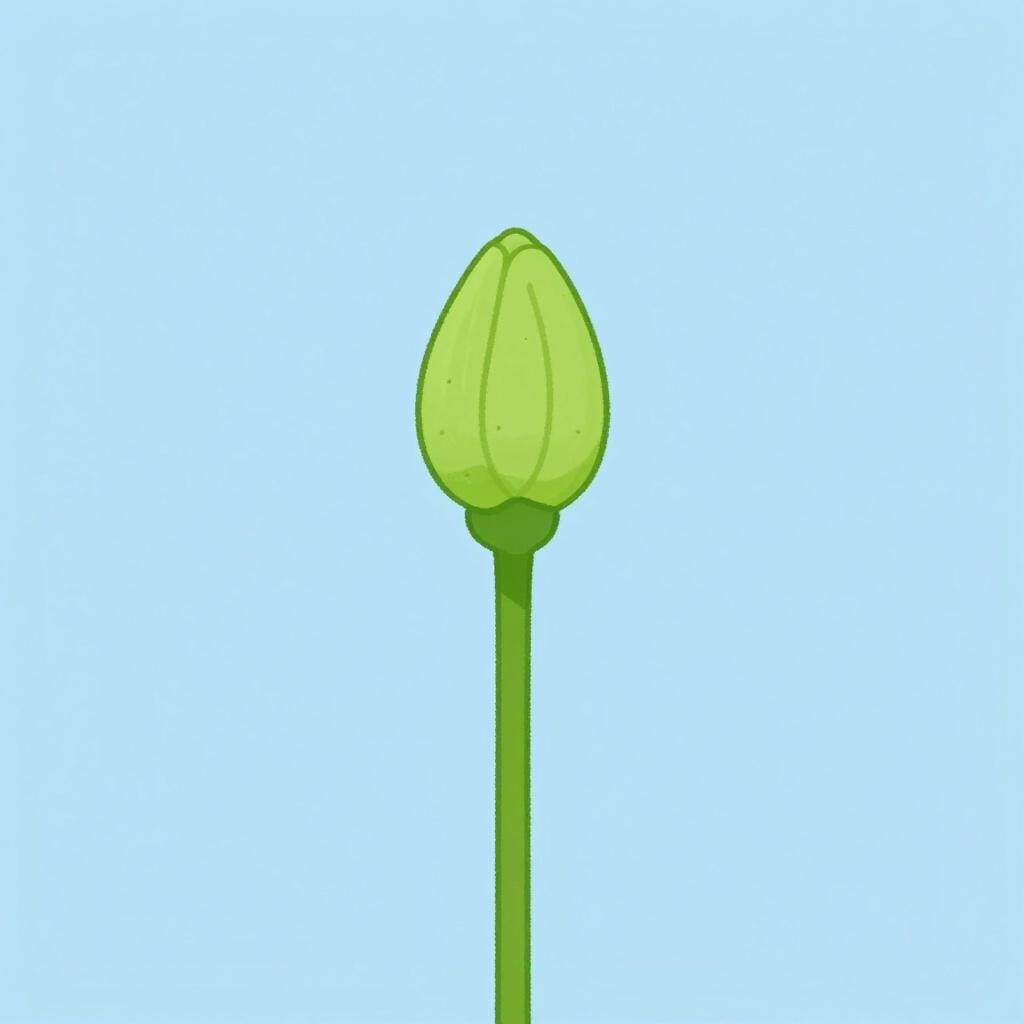
capullo
ka-poo-yokaˈpuʝo
Examples
Las rosas todavía están en capullo.
The roses are still in bud.
El capullo de la flor se abrirá mañana.
The flower bud will open tomorrow.
Ella es como un capullo que está a punto de florecer.
She is like a bud about to bloom.
Gender and Articles
This word is masculine. Always use 'el' or 'un'. Even if the flower (la flor) is feminine, the bud is 'el capullo'.
Bud vs. Button
Mistake: “Using 'botón' for every kind of flower bud.”
Correction: While 'botón' works for some flowers, 'capullo' is the more specific and poetic word for a flower that hasn't bloomed yet.
Bud vs. Bloom
Learn Spanish with Inklingo
Interactive stories, personalized learning, and more.