flor
“flor” means “flower” in Spanish. It has 2 different meanings depending on context:
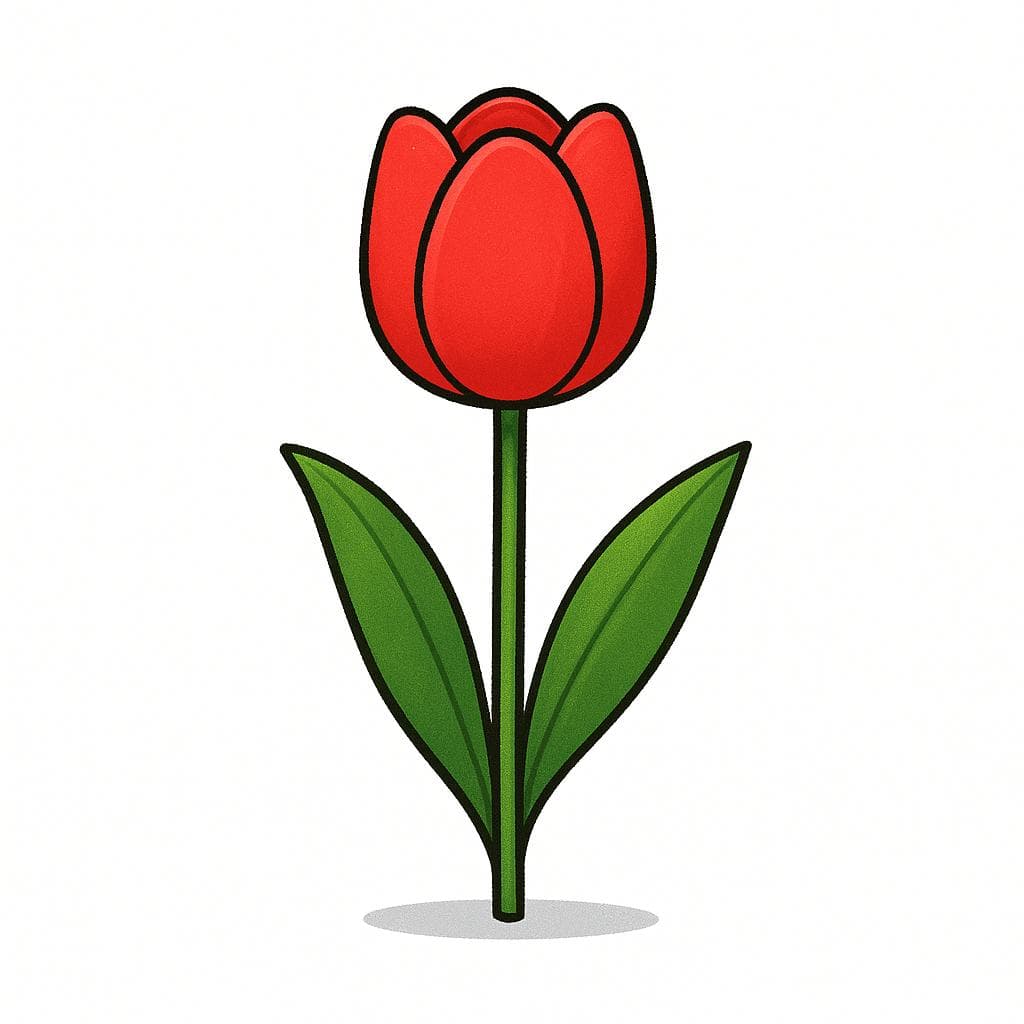
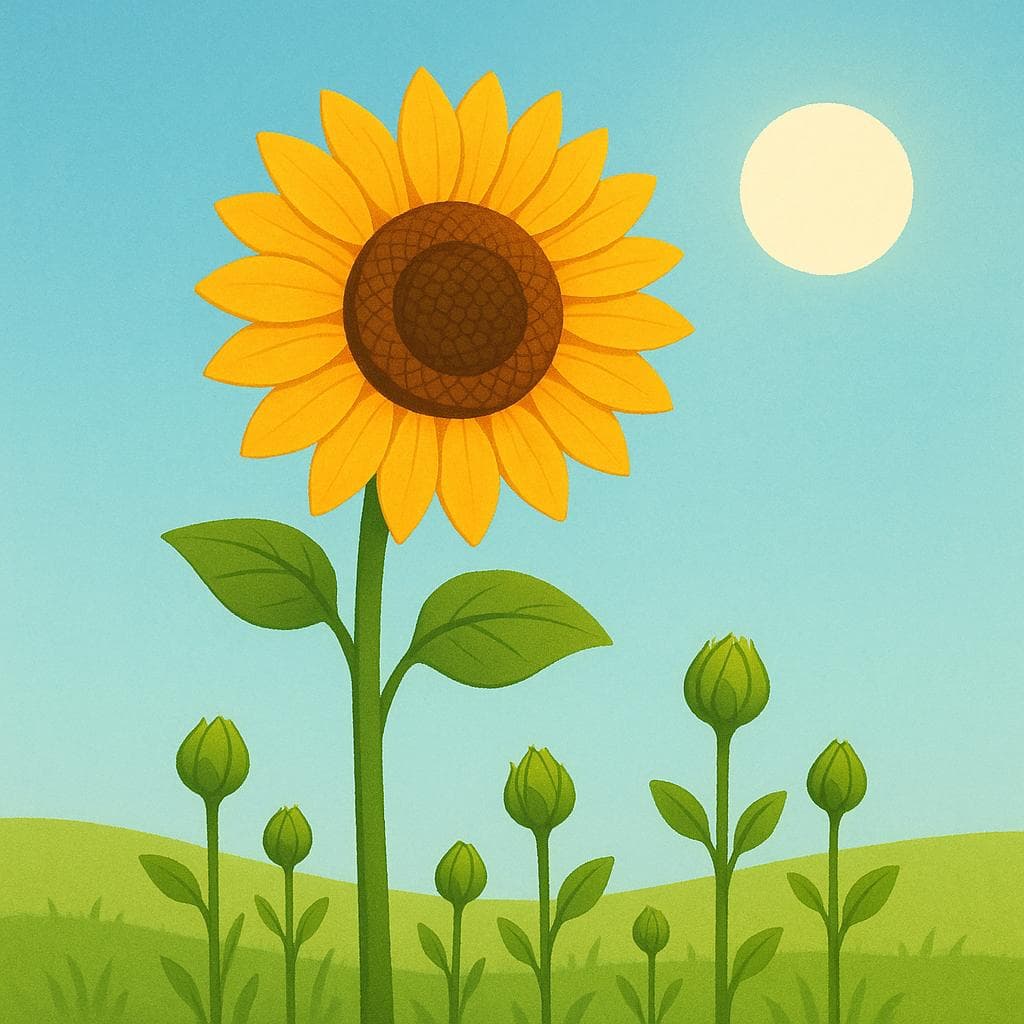
flower
Also: blossom, bloom
📝 In Action
Mi abuela cultiva rosas y otras flores en su jardín.
A1My grandmother grows roses and other flowers in her garden.
¡Qué bonita flor! ¿De qué tipo es?
A1What a beautiful flower! What type is it?
Las flores del almendro anuncian la primavera.
A2The almond tree blossoms announce spring.
prime
Also: peak, cream
📝 In Action
Estaba en la flor de su juventud cuando se hizo famoso.
B1He was in the prime of his youth when he became famous.
Esa novela representa la flor de la literatura de esa época.
C1That novel represents the cream of the literature of that era.
Translate to Spanish
✏️ Quick Practice
Quick Quiz: flor
Question 1 of 1
Which sentence uses 'flor' to mean 'the best part' or 'prime'?
📚 More Resources
👥 Word Family▼
📚 Etymology▼
Comes directly from the Latin word 'flos' (stem 'floris'), meaning 'flower' or 'blossom.' It has been used in Spanish since the earliest days of the language.
First recorded: 10th century
Cognates (Related words)
💡 Master Spanish
Take your Spanish to the next level. Read 200+ illustrated and narrated Spanish stories tailored to your level with the Inklingo app!
Frequently Asked Questions
Is 'flor' masculine or feminine?
'Flor' is a feminine noun. Even though it ends in 'r,' which often suggests a masculine word, you must use 'la flor' or 'una flor.'
How do I say 'to be in full bloom'?
You can use the verb 'florecer' (to bloom, to flourish). For example, 'Las rosas están floreciendo' (The roses are blooming).