How to Say "bud" in Spanish
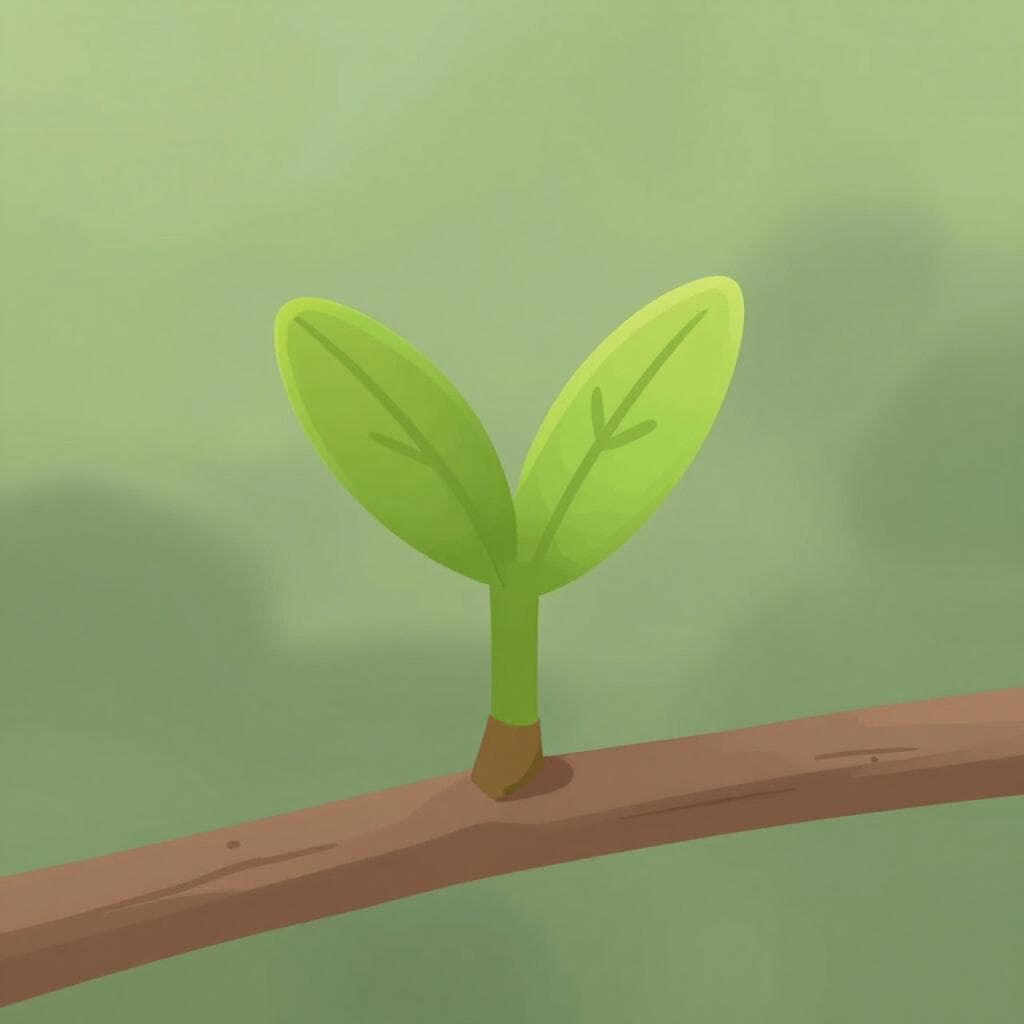
The most common Spanish word for “bud” is “botón” — use 'botón' when referring to a flower that is still closed and unopened, often implying it's on the verge of blooming.


botón
Examples
Las flores de cerezo están en botón, listas para abrir.
The cherry blossoms are in bud, ready to open.
brote
BROH-tehˈbɾote
Examples
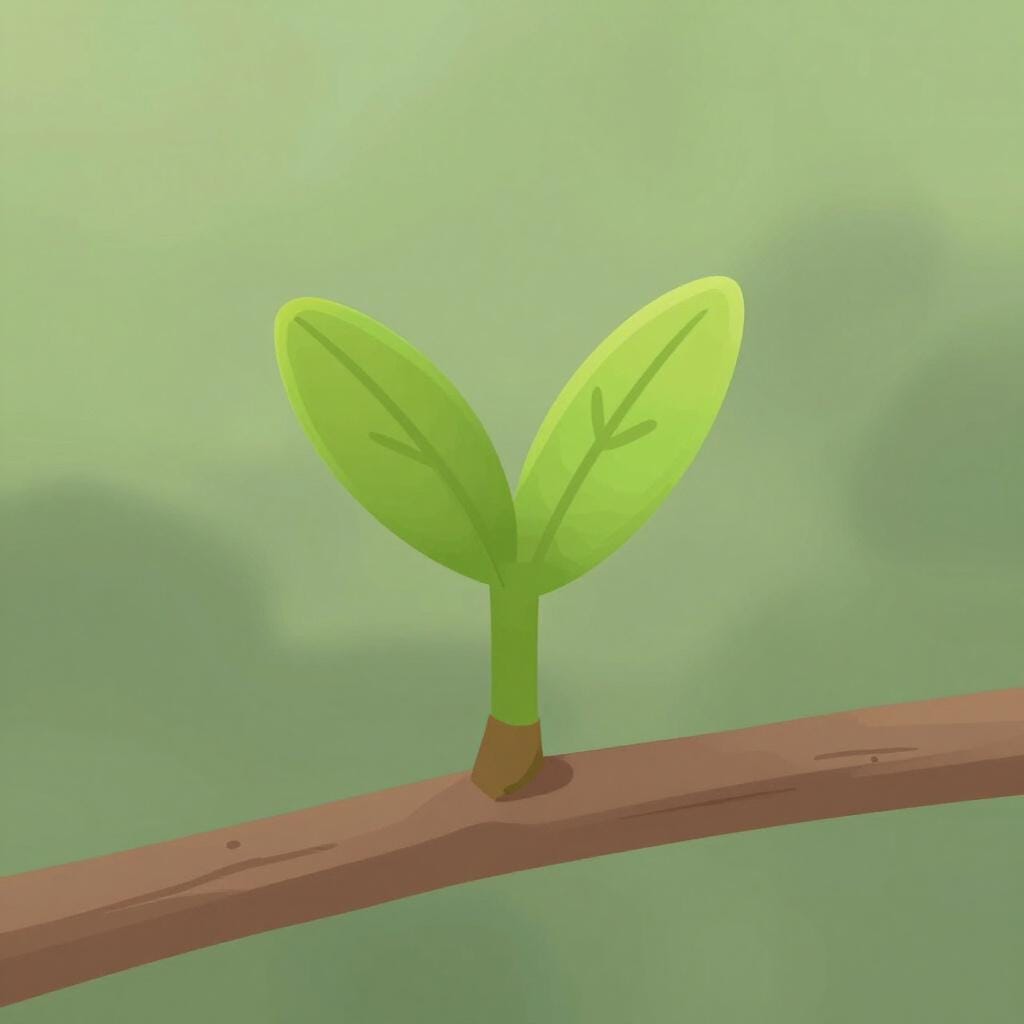
Los primeros brotes aparecen en primavera.
The first buds appear in spring.
Añadí brotes de soja a la ensalada.
I added soy sprouts to the salad.
El jardinero cortó los brotes secos del rosal.
The gardener cut the dry shoots off the rose bush.
Always Masculine
Even though it ends in -e, 'brote' is always masculine. You must say 'el brote' or 'un brote'.
Noun vs. Action
'Brote' is the thing that grows. If you want to say 'to sprout,' use the action word 'brotar'.
Confusing with Brócoli
Mistake: “Quiero comer brote.”
Correction: Quiero comer brócoli (if you mean broccoli) or Quiero comer brotes (if you mean sprouts). Use the plural for food.
capullo
ka-poo-yokaˈpuʝo

Examples
Las rosas todavía están en capullo.
The roses are still in bud.
El capullo de la flor se abrirá mañana.
The flower bud will open tomorrow.
Ella es como un capullo que está a punto de florecer.
She is like a bud about to bloom.
Gender and Articles
This word is masculine. Always use 'el' or 'un'. Even if the flower (la flor) is feminine, the bud is 'el capullo'.
Bud vs. Button
Mistake: “Using 'botón' for every kind of flower bud.”
Correction: While 'botón' works for some flowers, 'capullo' is the more specific and poetic word for a flower that hasn't bloomed yet.
yema
YEH-mahˈʝema

Examples
Las yemas de los árboles empiezan a salir en marzo.
The tree buds start to come out in March.
Si cortas la yema principal, la planta crecerá hacia los lados.
If you cut the main bud, the plant will grow sideways.
Biological terms
In a scientific context, 'yema' is used for both plants and the 'buds' of certain animals (like in budding reproduction).
Botón vs. Brote
Learn Spanish with Inklingo
Interactive stories, personalized learning, and more.