How to Say "shoot" in Spanish
The most common Spanish word for “shoot” is “dispare” — use 'dispare' when referring to the action of firing a gun or other projectile weapon.



dispare
dees-PAH-rehdisˈpa.ɾe

Examples
El policía le ordenó que dispare.
The police officer ordered him to shoot.
El capitán quiere que yo dispare primero.
The captain wants me to shoot first (I may shoot first).
¡No dispare! Es solo una advertencia.
Don't shoot! It's just a warning.
El entrenador dijo: '¡Dispare, señor!'
The coach said, 'Shoot, sir!' (Formal command)
Subjunctive Use (Wishes/Influence)
You use 'dispare' (yo/él/usted) when talking about wishes, requests, or doubts: 'Espero que él dispare bien' (I hope he shoots well).
Formal Command
'Dispare' is the formal 'You' command (Usted): '¡Dispare, por favor!' (Shoot, please!). It is the same form as the subjunctive.
Mixing Commands
Mistake: “Using 'dispara' for a formal command to an elder.”
Correction: Use 'dispare' for formal commands (Usted) and 'dispara' for informal commands (Tú).
brote
BROH-tehˈbɾote
Examples
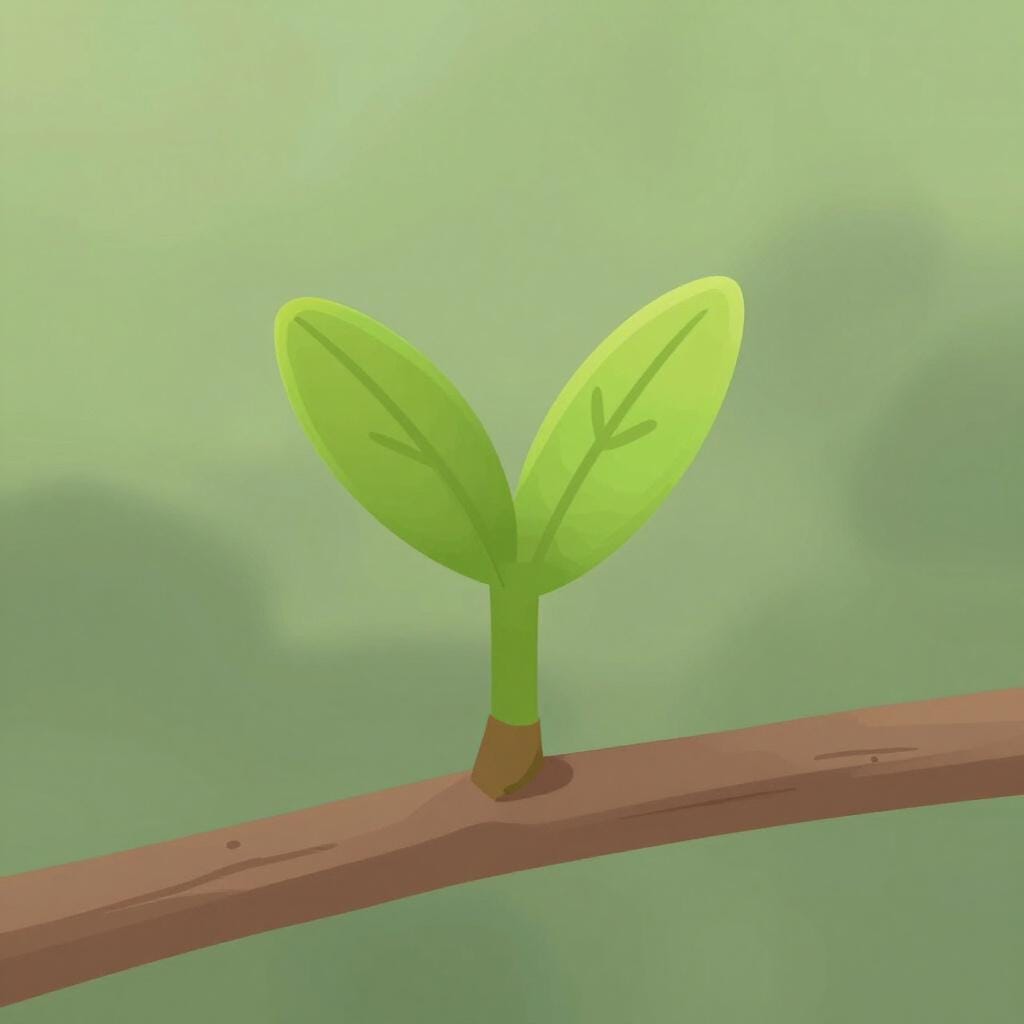
Los árboles muestran nuevos brotes en primavera.
The trees show new shoots in spring.
Los primeros brotes aparecen en primavera.
The first buds appear in spring.
Añadí brotes de soja a la ensalada.
I added soy sprouts to the salad.
El jardinero cortó los brotes secos del rosal.
The gardener cut the dry shoots off the rose bush.
Always Masculine
Even though it ends in -e, 'brote' is always masculine. You must say 'el brote' or 'un brote'.
Noun vs. Action
'Brote' is the thing that grows. If you want to say 'to sprout,' use the action word 'brotar'.
Confusing with Brócoli
Mistake: “Quiero comer brote.”
Correction: Quiero comer brócoli (if you mean broccoli) or Quiero comer brotes (if you mean sprouts). Use the plural for food.
yema
YEH-mahˈʝema
Examples
Las yemas de las rosas están listas para abrir.
The rose buds are ready to open.
Las yemas de los árboles empiezan a salir en marzo.
The tree buds start to come out in March.
Si cortas la yema principal, la planta crecerá hacia los lados.
If you cut the main bud, the plant will grow sideways.
Biological terms
In a scientific context, 'yema' is used for both plants and the 'buds' of certain animals (like in budding reproduction).
filmación
Examples
La filmación duró tres meses.
The filming lasted three months.
pulgar
pool-GAHRpulˈɡaɾ

Examples
El podador cortó el pulgar de la vid.
The pruner cut the shoot of the vine.
El agricultor dejó dos yemas en cada pulgar de la vid.
The farmer left two buds on each shoot of the vine.
jo
hoxo

Examples
¡Jo! Se me olvidaron las llaves.
Jeez! I forgot the keys.
¡Jo! Otra vez he perdido el autobús.
Jeez! I missed the bus again.
Jo, qué mala suerte tienes con el tiempo.
Man, you have such bad luck with the weather.
¡Jo, mamá! No quiero comer verduras.
Darn it, mom! I don't want to eat vegetables.
Using 'jo' for emotion
This word doesn't have a literal meaning; it functions as an 'emotional placeholder' to show you're slightly upset or surprised.
Softening your speech
Think of this as a 'safe' word. It's a milder version of much stronger swear words, making it acceptable to use in most casual conversations.
Pronunciation Mix-up
Mistake: “Pronouncing it like 'yo' (I).”
Correction: The 'j' in Spanish sounds like a breathy 'h' in English (as in 'hot'). Say it like 'ho!'
Formal Settings
Mistake: “Using 'jo' in a job interview or formal meeting.”
Correction: It is very informal. Use 'vaya' or 'qué pena' in formal situations instead.
Plant Growth vs. Firing a Weapon
Learn Spanish with Inklingo
Interactive stories, personalized learning, and more.