How to Say "tail" in Spanish
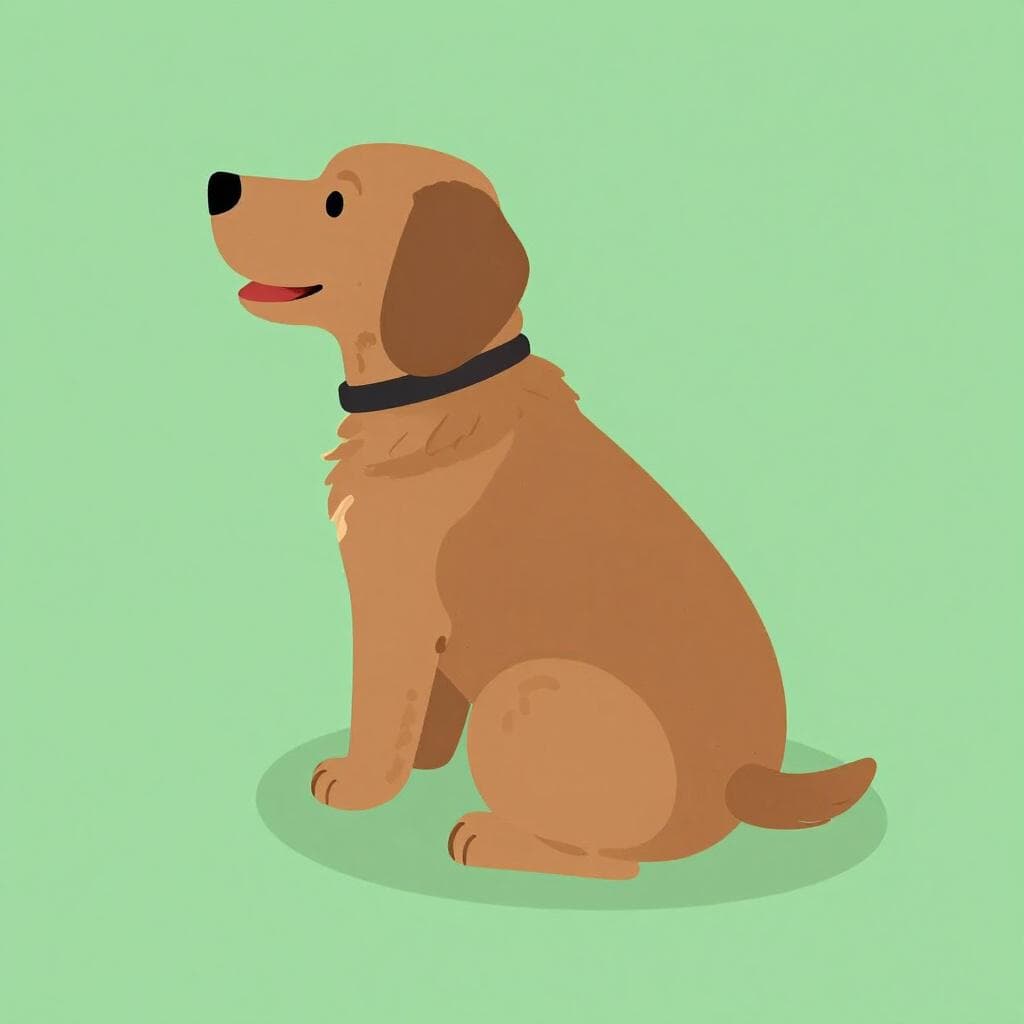
The most common Spanish word for “tail” is “cola” — use 'cola' to refer to the tail of an animal or as a general term for tail-like appendages or parts.

cola
KOH-lahˈko.la

Examples
El gato tiene una cola muy larga y esponjosa.
The cat has a very long and fluffy tail.
La novia caminó con su impresionante cola de vestido.
The bride walked with the impressive train of her dress.
Gender Reminder
Even though 'cola' ends in '-a', remember that not all feminine words end in '-a' and not all masculine words end in '-o', but 'cola' follows the common pattern.
rabo
rah-bohˈra.βo
Examples
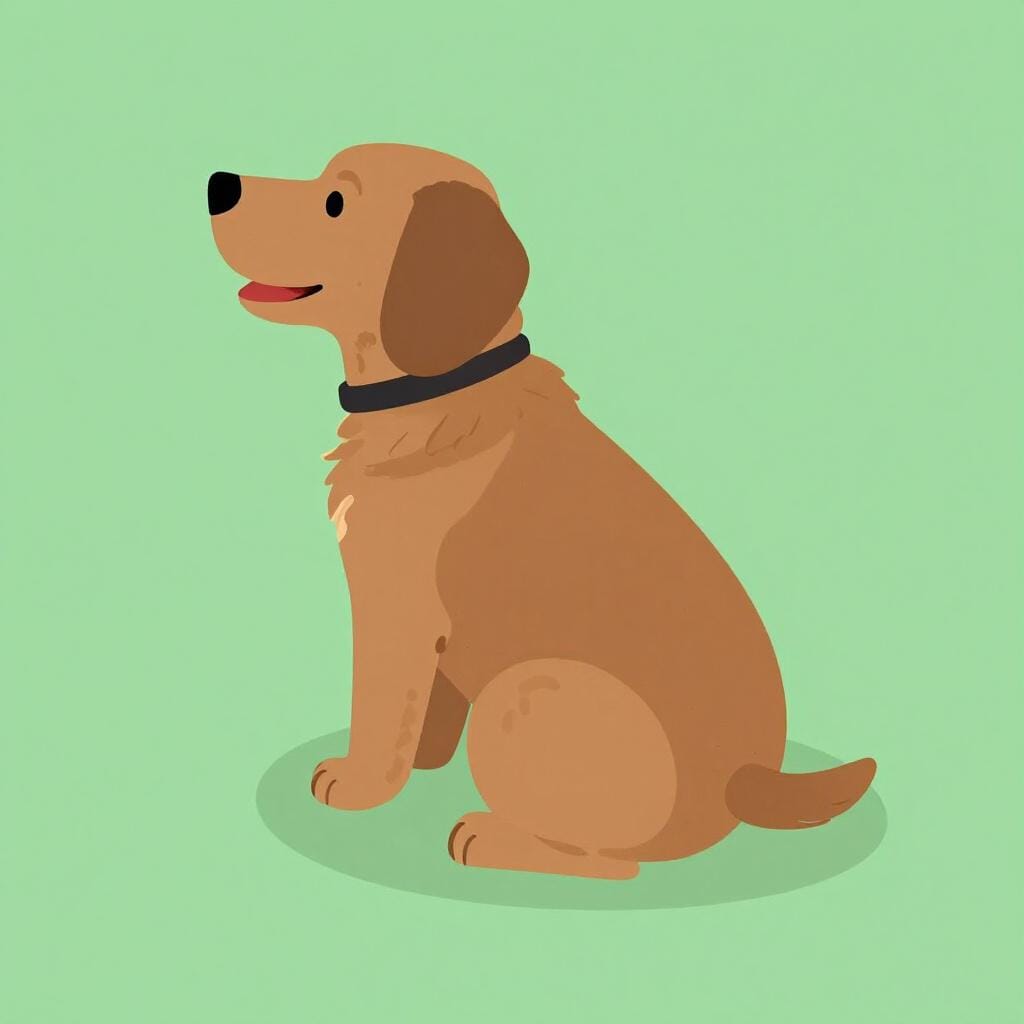
El perro movía el rabo con mucha alegría.
The dog was wagging its tail with great joy.
Hoy vamos a cocinar rabo de toro estofado.
Today we are going to cook stewed oxtail.
El cerdo tiene un rabo pequeño y rizado.
The pig has a small, curly tail.
Rabo vs. Cola
While both mean 'tail,' 'rabo' is often used for shorter, thicker tails (like a pig's or bull's) or specifically in cooking. 'Cola' is more common for birds, long-haired animals, or objects like planes and lines of people.
Always Masculine
Even if you are talking about a female dog or a cow, the word for tail is always 'el rabo'. The gender of the object doesn't change based on the animal.
Using 'rabo' for objects
Mistake: “El rabo del avión.”
Correction: La cola del avión. (Spanish uses 'cola' for the tail of a plane, a comet, or a line of people.)
Choosing Between 'Cola' and 'Rabo'
Learn Spanish with Inklingo
Interactive stories, personalized learning, and more.