How to Say "stem" in Spanish
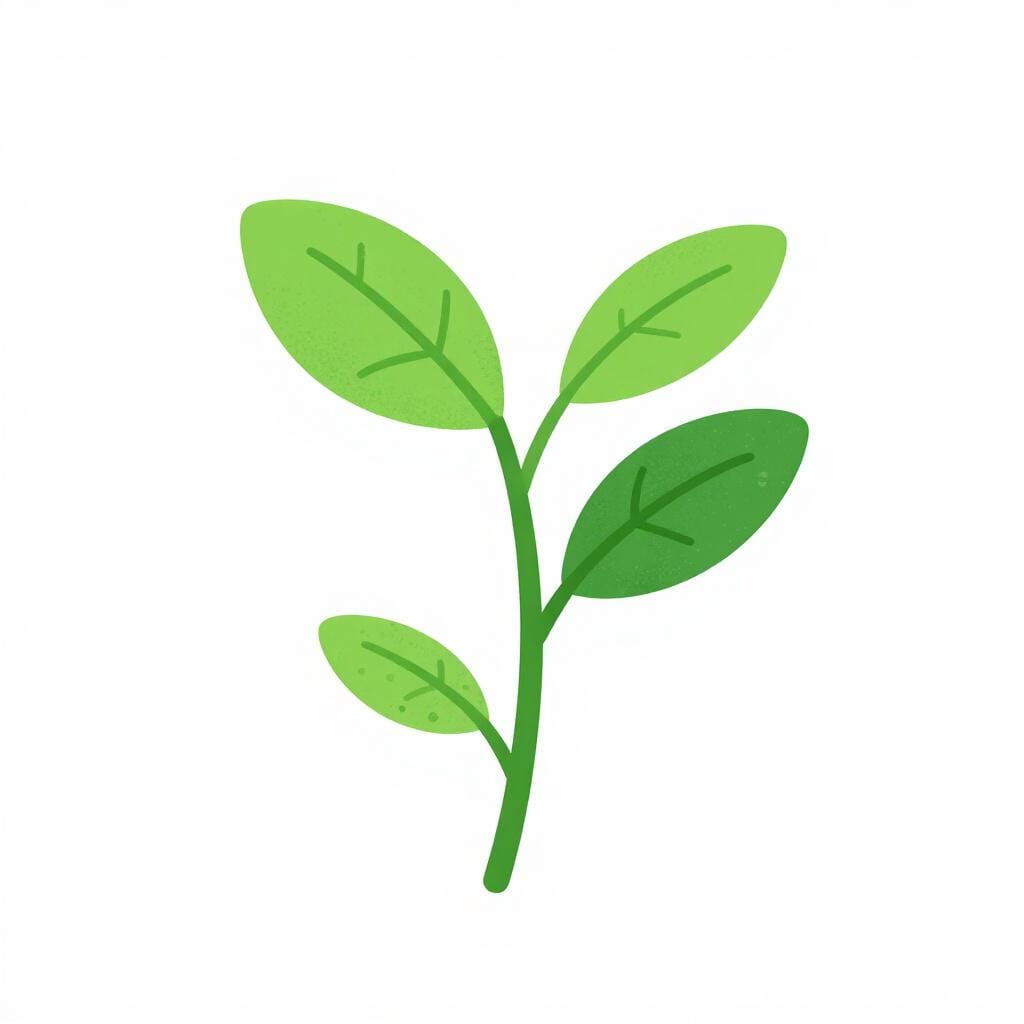
The most common Spanish word for “stem” is “tallo” — use 'tallo' when referring to the main structural stalk of a plant, like the stem of a flower or a tree.
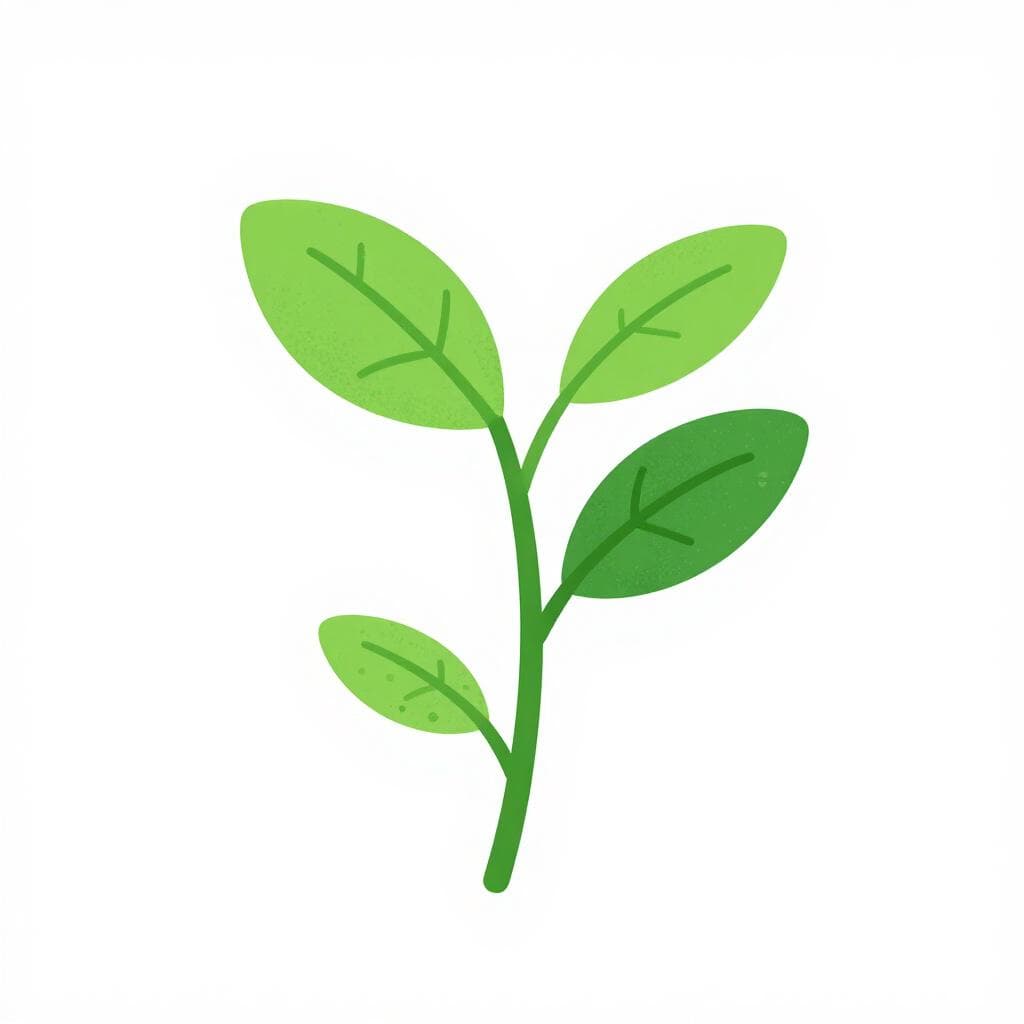
tallo
TAH-yohˈtaʝo
Examples
La rosa tiene un tallo largo y espinoso.
The rose has a long, thorny stem.
La flor tiene un tallo muy largo.
The flower has a very long stem.
Corta los tallos de las rosas antes de ponerlas en el agua.
Cut the rose stems before putting them in the water.
El tallo del apio es crujiente y delicioso.
The celery stalk is crunchy and delicious.
Always Masculine
Even though it ends in 'o', it's worth remembering this is always a 'masculine' word. You must use 'el' or 'un' with it.
Plural Form
To talk about more than one, simply add an 's' to get 'los tallos'.
Tallo vs. Talle
Mistake: “Using 'tallo' to talk about clothing size.”
Correction: Use 'talle' or 'talla' for clothing sizes; 'tallo' is only for plants or the action of carving.
caña
Examples
El azúcar se extrae de la caña.
Sugar is extracted from the sugarcane stem.
rabo
rah-bohˈra.βo
Examples
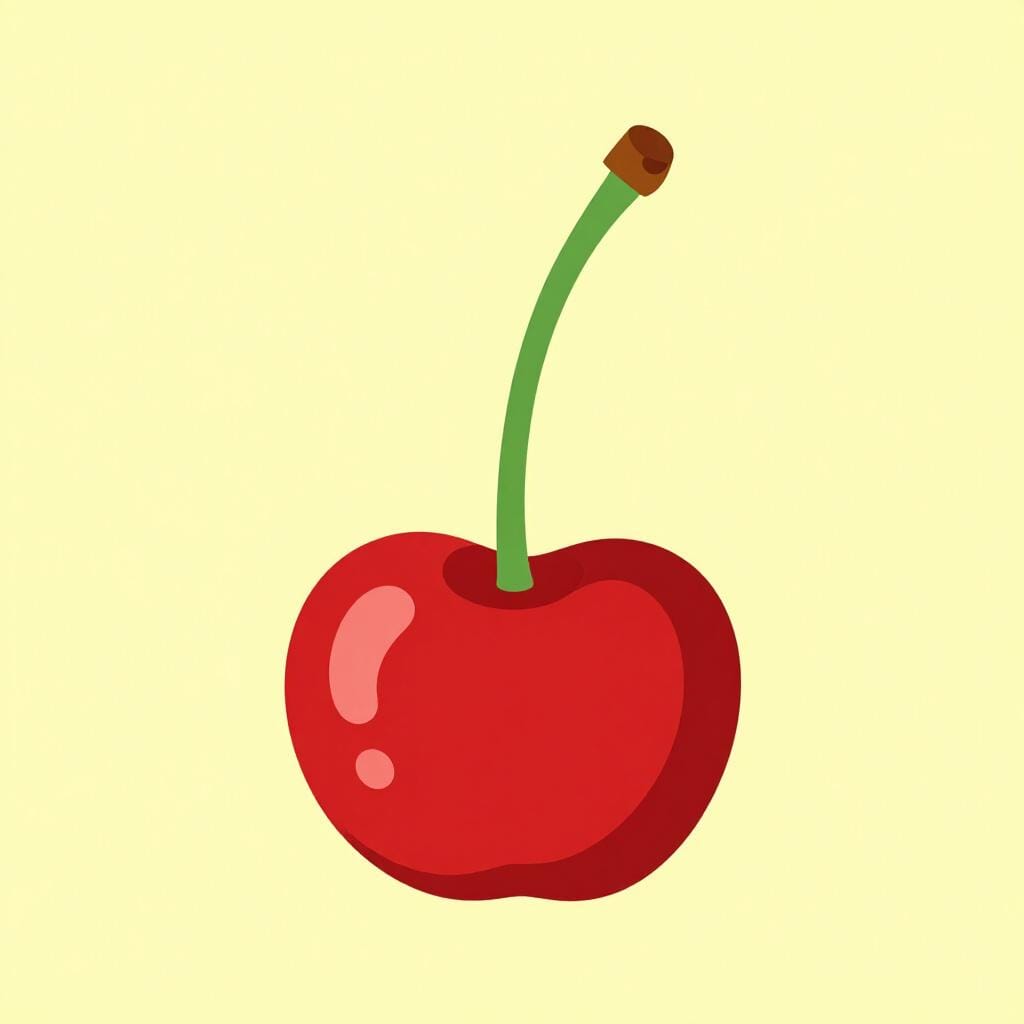
Prefiero las cerezas sin rabo.
I prefer cherries without the stem.
No te comas el rabo de la manzana.
Don't eat the apple stem.
Le quité el rabo a las cerezas antes de lavarlas.
I took the stems off the cherries before washing them.
Lo miró por el rabo del ojo para que no se diera cuenta.
She looked at him out of the corner of her eye so he wouldn't notice.
Specific Plant Parts
Use 'rabo' for the part where you pick up a cherry or an apple. For the main trunk of a flower, 'tallo' is more accurate.
pezón
Examples
Retira el pezón de cada hoja de lechuga antes de lavarla.
Remove the stem from each lettuce leaf before washing it.
General Stalk vs. Fruit/Leaf Attachment
Learn Spanish with Inklingo
Interactive stories, personalized learning, and more.