trasera
“trasera” means “rear” in Spanish. It has 2 different meanings depending on context:
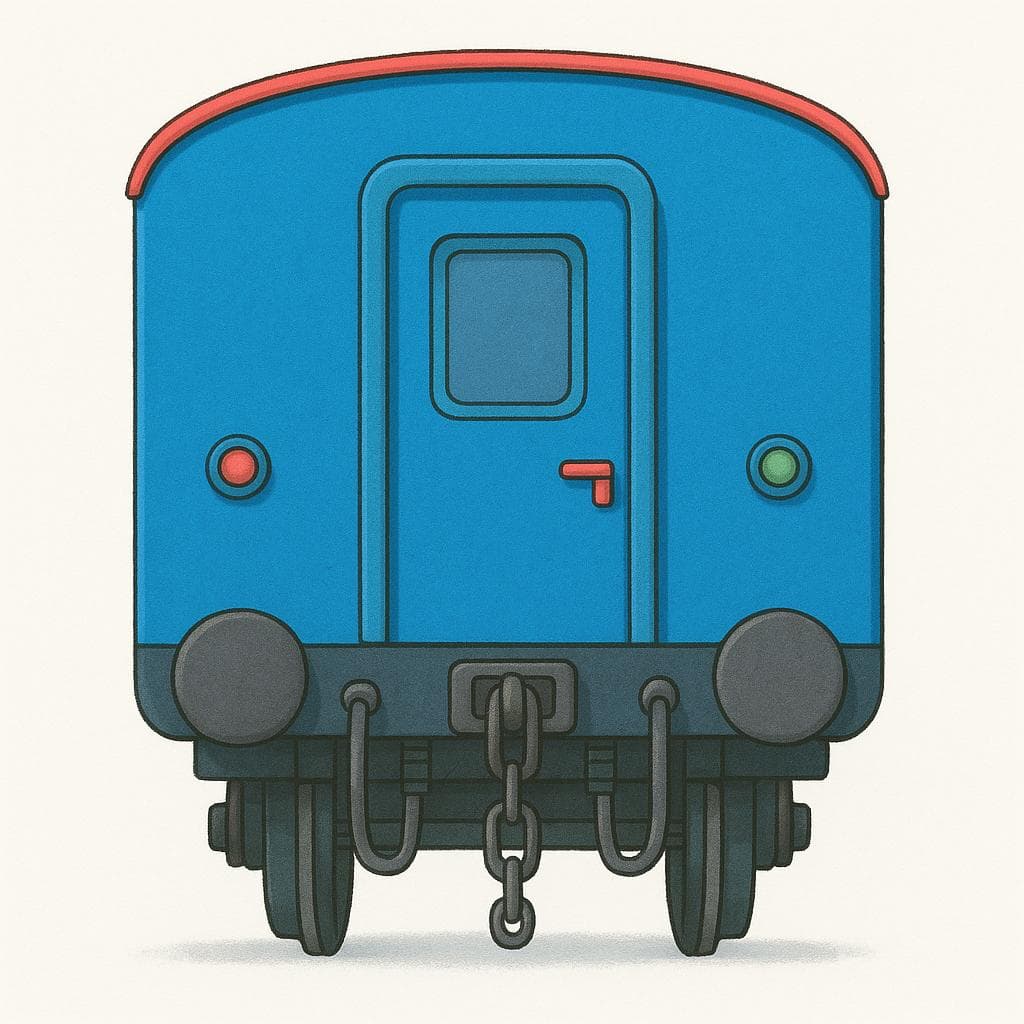

rear, back end
Also: backside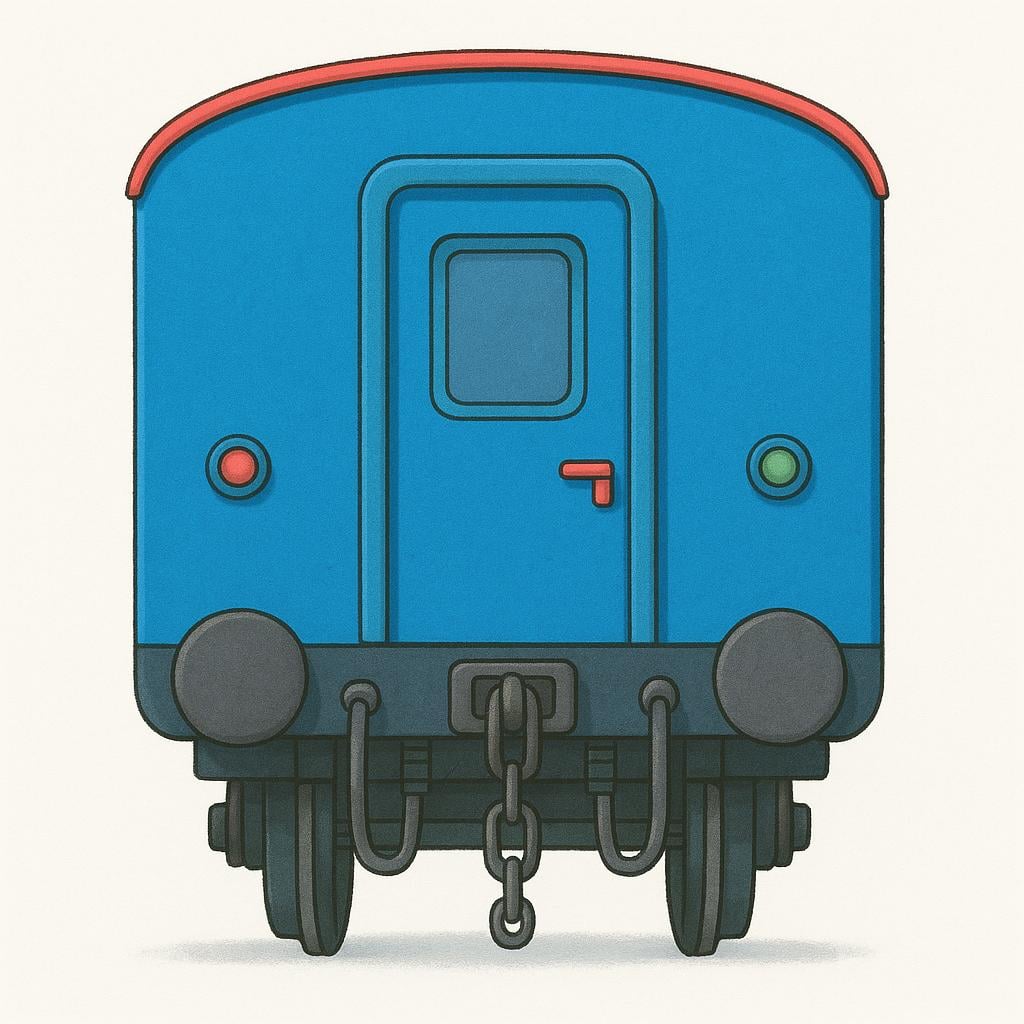
📝 In Action
La trasera del camión estaba dañada.
B1The rear end of the truck was damaged.
Aparcó el coche muy cerca de la trasera de la casa.
B1He parked the car very close to the back of the house.
Necesitas más espacio en la trasera para el equipaje.
A2You need more space in the back for the luggage.
rear, back
Also: hind
📝 In Action
Debes usar la rueda trasera de repuesto.
A2You must use the spare rear tire.
La entrada trasera está cerrada hoy.
A1The back entrance is closed today.
Ella se sentó en la fila trasera del teatro.
B1She sat in the back row of the theater.
✏️ Quick Practice
Quick Quiz: trasera
Question 1 of 1
Which sentence uses 'trasera' as a noun (a thing) rather than an adjective (a description)?
📚 More Resources
👥 Word Family▼
📚 Etymology▼
Comes from the Spanish preposition *tras* (meaning 'behind' or 'after'), combined with the common suffix *-ero* / *-era*, which indicates a relationship or location. It literally means 'relating to what is behind'.
First recorded: Medieval Spanish
Cognates (Related words)
💡 Master Spanish
Take your Spanish to the next level. Read 200+ illustrated and narrated Spanish stories tailored to your level with the Inklingo app!
Frequently Asked Questions
Is 'trasera' the same as 'detrás'?
Not exactly. 'Detrás' is usually an adverb meaning 'behind' (e.g., *Está detrás de la silla* / It is behind the chair). 'Trasera' is an adjective or noun referring to the 'rear part' of something specific (e.g., *la puerta trasera* / the back door).
When do I use 'trasero' instead of 'trasera'?
Use 'trasero' (masculine form) when describing masculine nouns (*el asiento trasero* / the back seat) or when referring to the noun meaning in its masculine form (*el trasero* / the rear end/buttocks). Use 'trasera' (feminine form) for feminine nouns (*la puerta trasera*) or as the feminine noun (*la trasera*).