How to Say "punch" in Spanish
The most common Spanish word for “punch” is “golpe” — use this general term for any forceful strike or blow, not necessarily with a fist.
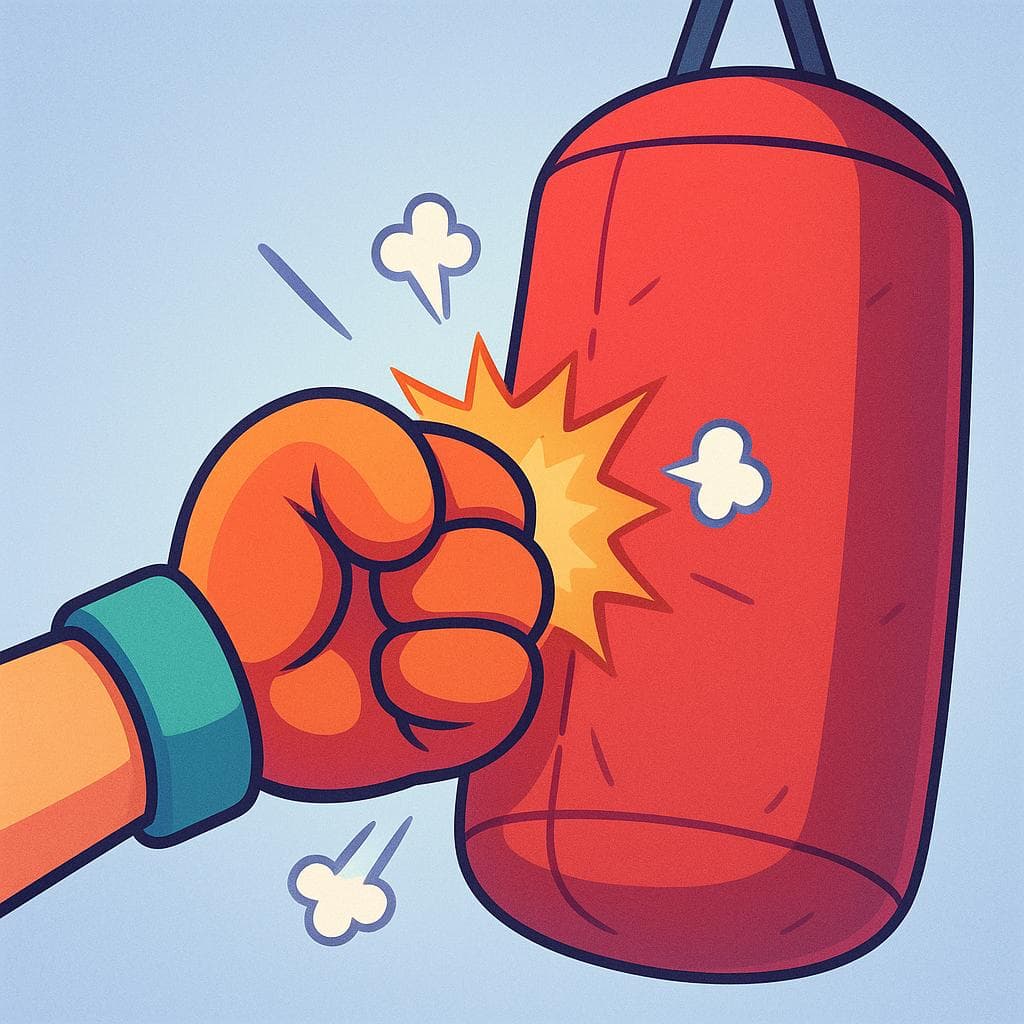

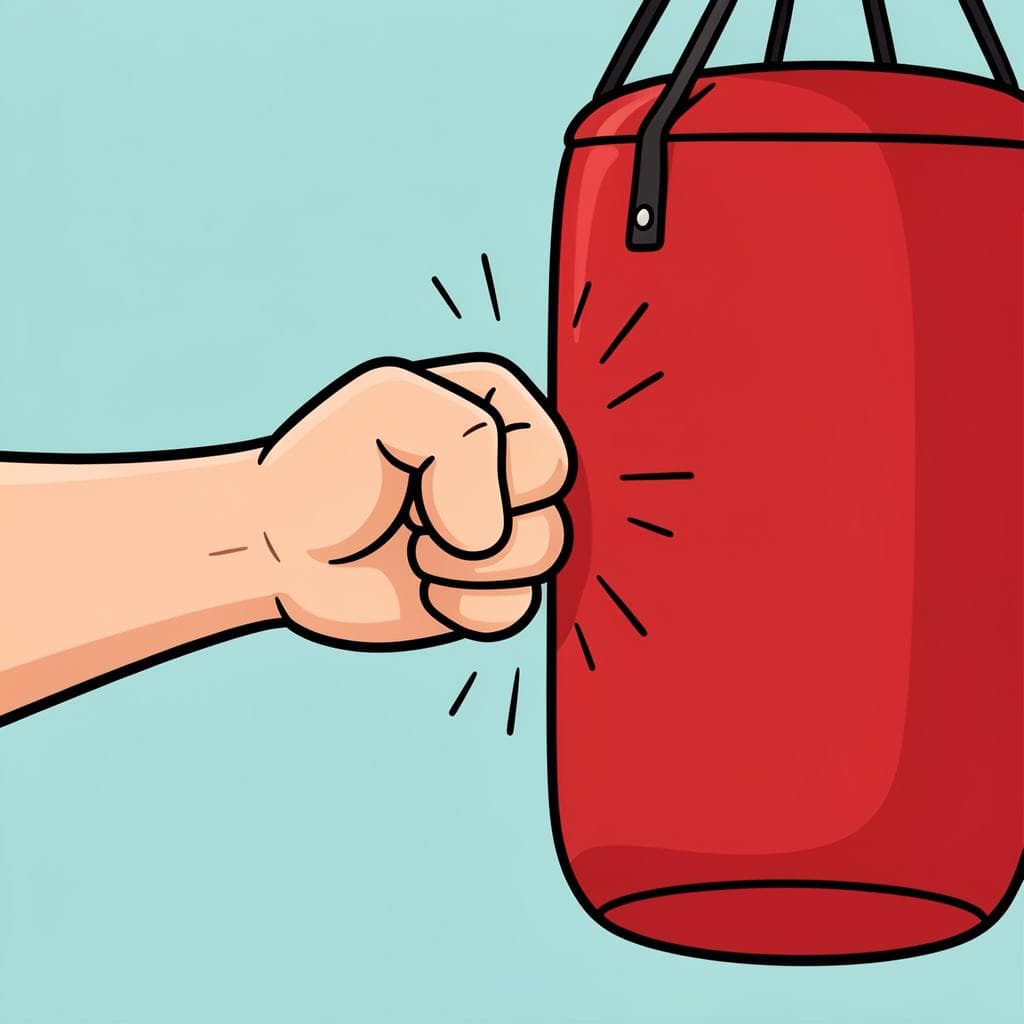


golpe
GOHL-pehˈɡolpe
Examples
Recibió un fuerte golpe en la cabeza al caer.
He received a strong blow to the head when falling.
Oímos un golpe en la puerta y fuimos a abrir.
We heard a knock at the door and went to open it.
La caja se cayó con un gran golpe.
The box fell with a big thump/bang.
Masculine Noun Rule
Even though 'golpe' ends in 'e', it is always a masculine noun, meaning you must use 'el' or 'un' before it (e.g., el golpe, un golpe).
Confusing 'Golpear'
Mistake: “Using 'golpear' (the verb, to hit) instead of the noun 'golpe' when describing the action itself, like saying 'el golpear' for 'a hit'.”
Correction: Use the noun: 'Fue un golpe muy fuerte.' (It was a very strong hit.)
puño
POO-nyoˈpuɲo

Examples
Cerró el puño con fuerza antes de golpear la mesa.
He closed his fist tightly before hitting the table.
Le dio un puño suave en el hombro como saludo.
He gave him a light punch on the shoulder as a greeting.
puñetazo
poo-nye-TAH-sopuɲeˈtaso
Examples
El boxeador le dio un puñetazo muy fuerte.
The boxer gave him a very strong punch.
Le dio un puñetazo a la mesa por la frustración.
He punched the table out of frustration.
Su renuncia fue un puñetazo para el equipo.
His resignation was a huge blow to the team.
The '-azo' Suffix
In Spanish, adding '-azo' to a noun often indicates a 'hit' or 'blow' made with that object. Since 'puño' means fist, 'puñetazo' is a hit with a fist.
Punch vs. Hit
Mistake: “Using 'golpe' for everything.”
Correction: Use 'puñetazo' specifically when a fist is involved. 'Golpe' is more general and can mean any kind of hit.
torta
TOR-tahˈtoɾta
Examples
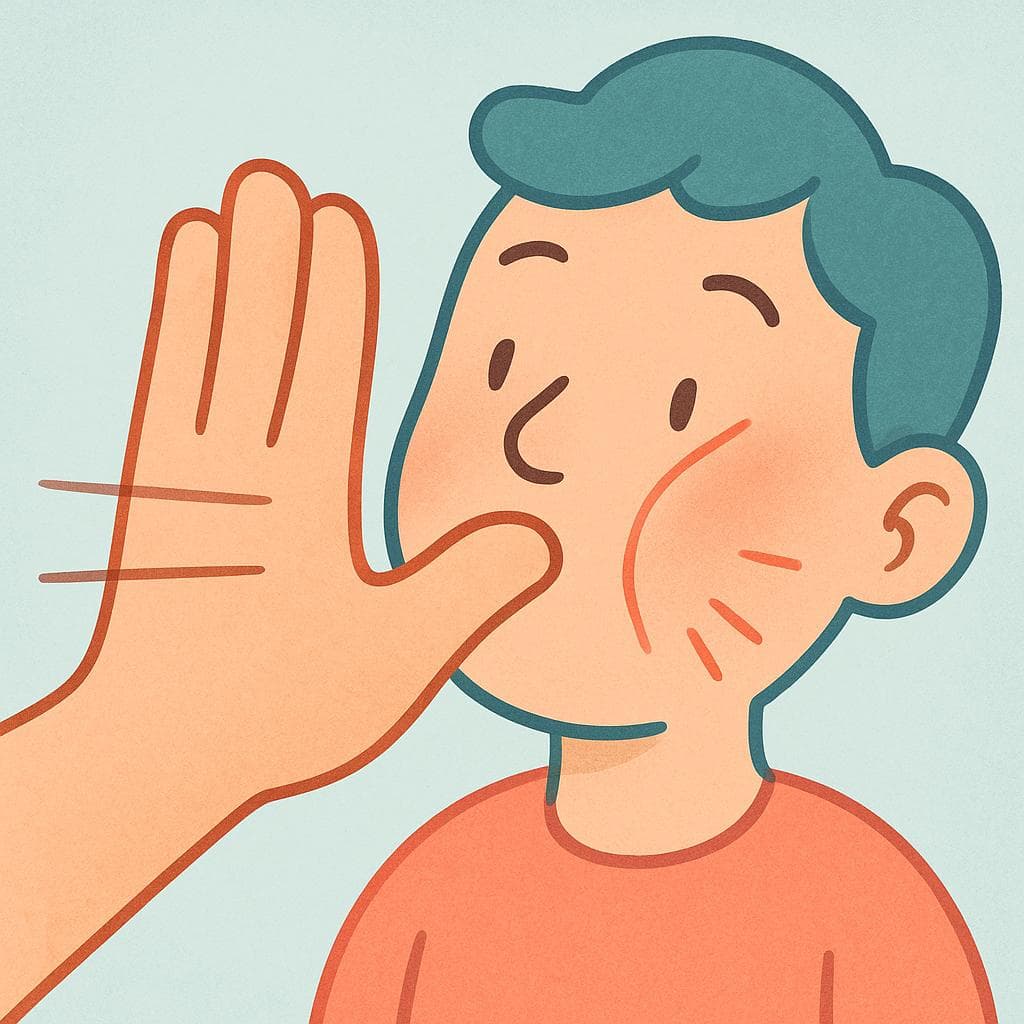
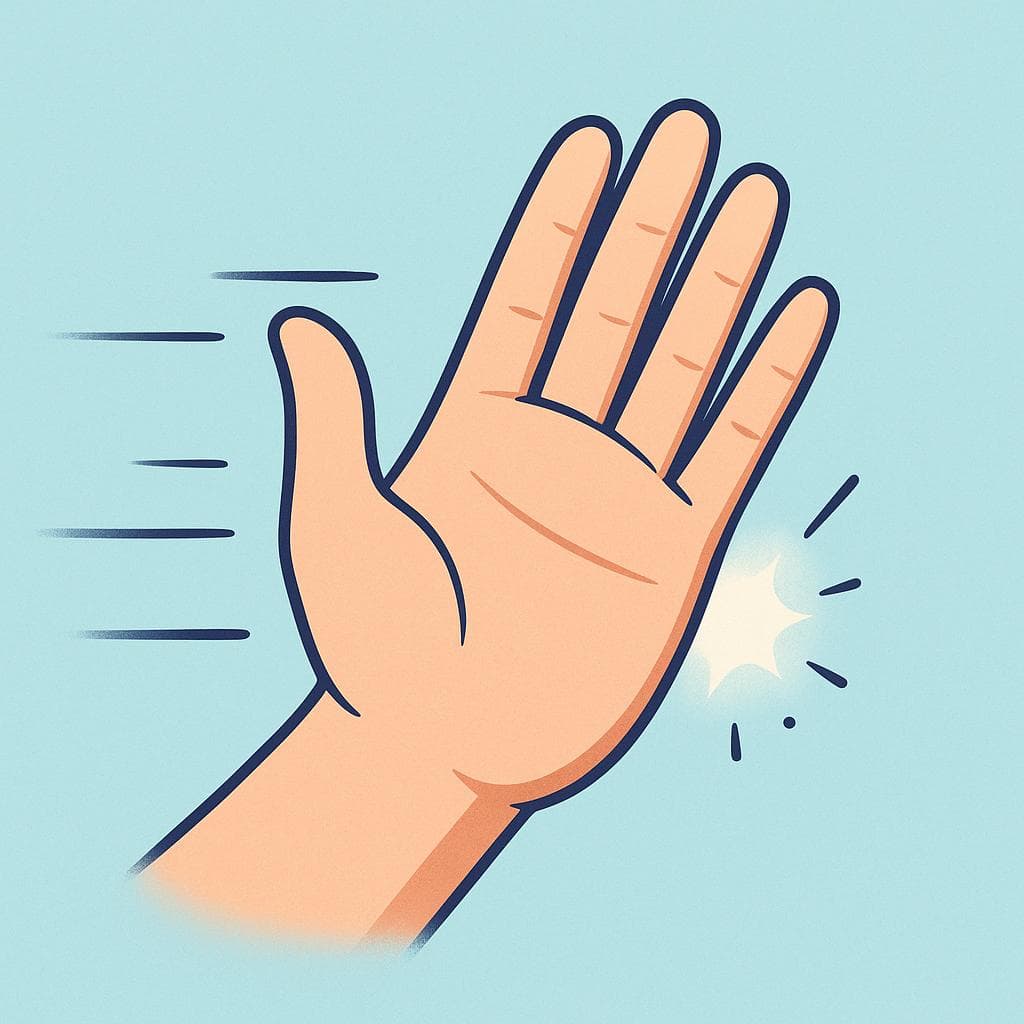
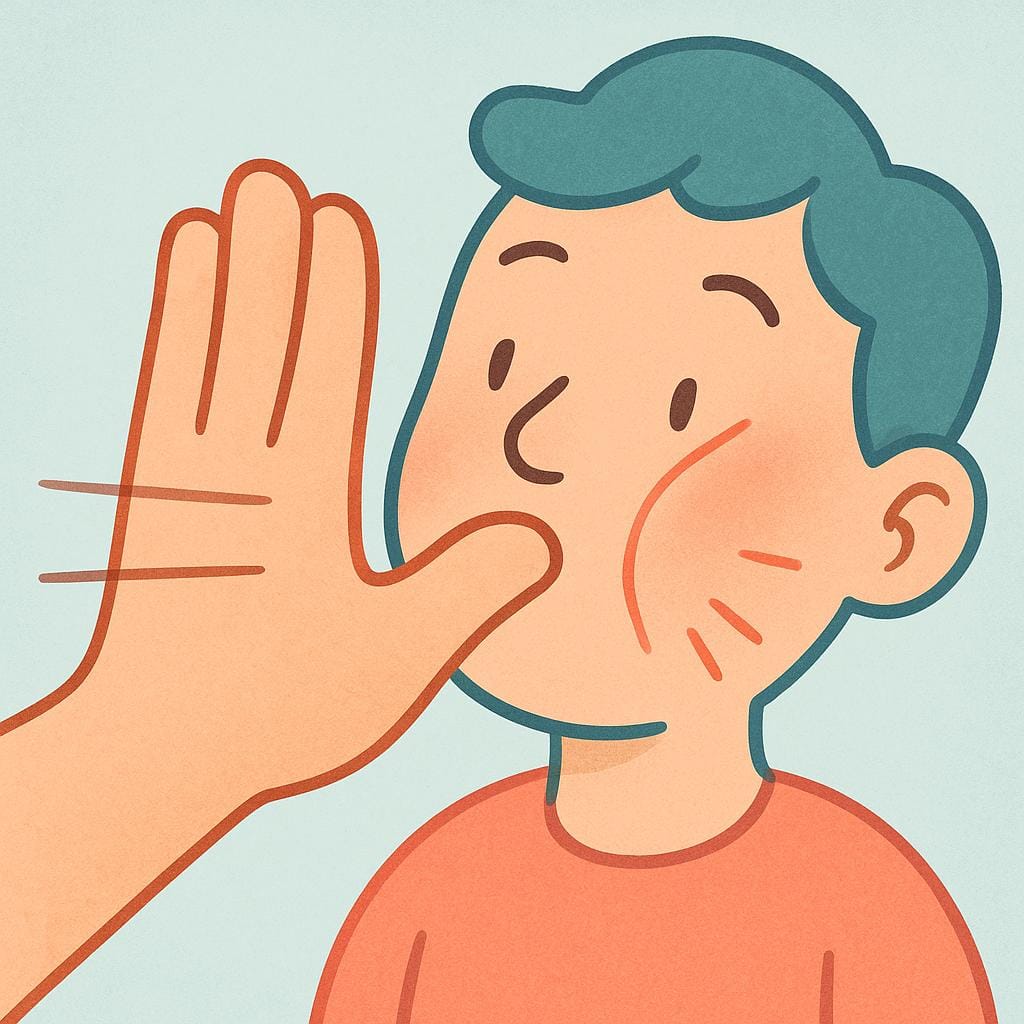
Le dio una torta en la cara por insultarla.
He gave her a slap in the face for insulting her.
Si no te callas, te voy a dar una torta.
If you don't shut up, I'm going to give you a smack.
galleta
gah-YEH-tahɡaˈʎeta
Examples
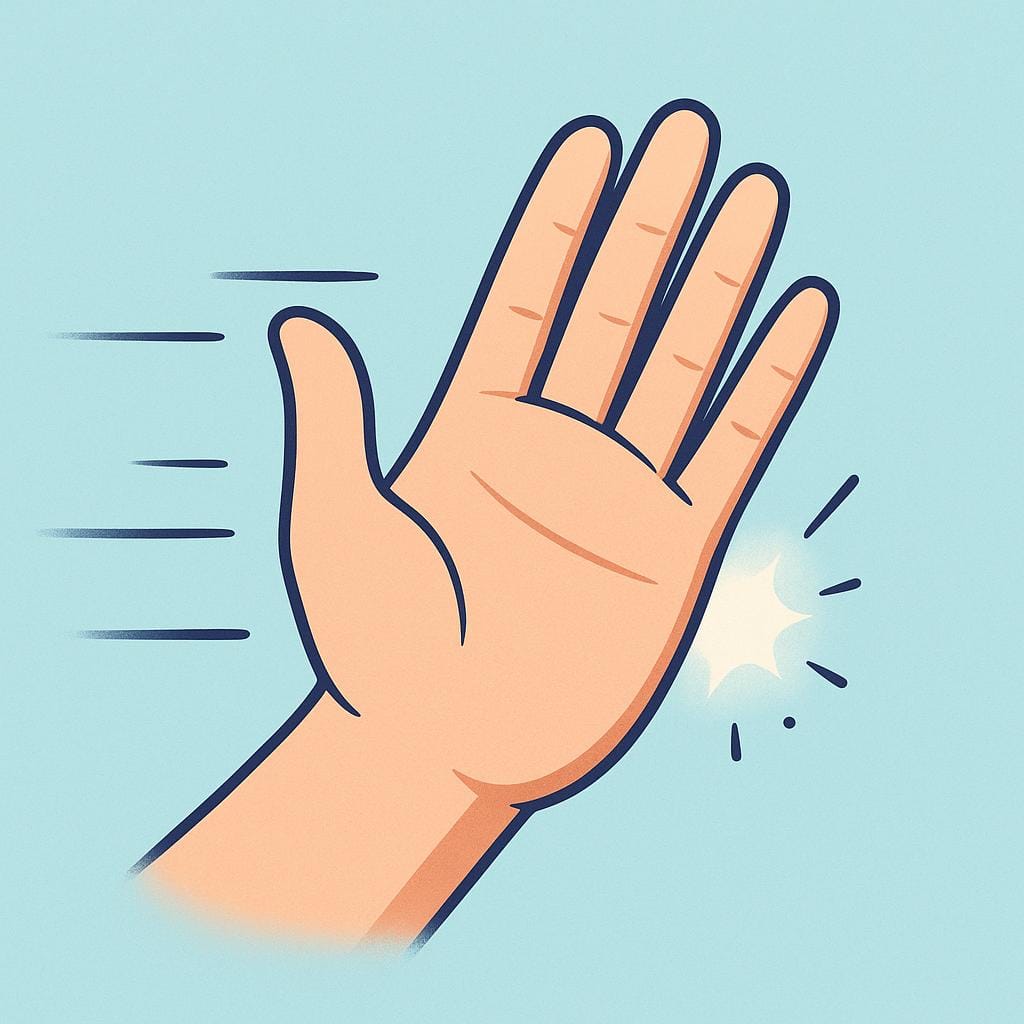
Si no paras de molestar, te voy a dar una galleta.
If you don't stop bothering me, I'm going to give you a slap.
El boxeador le soltó una galleta que lo dejó mareado.
The boxer landed a punch that left him dizzy.
Se llevó una galleta con la puerta al entrar.
He hit himself (got a blow) with the door when entering.
piña
PEE-nyahˈpiɲa
Examples
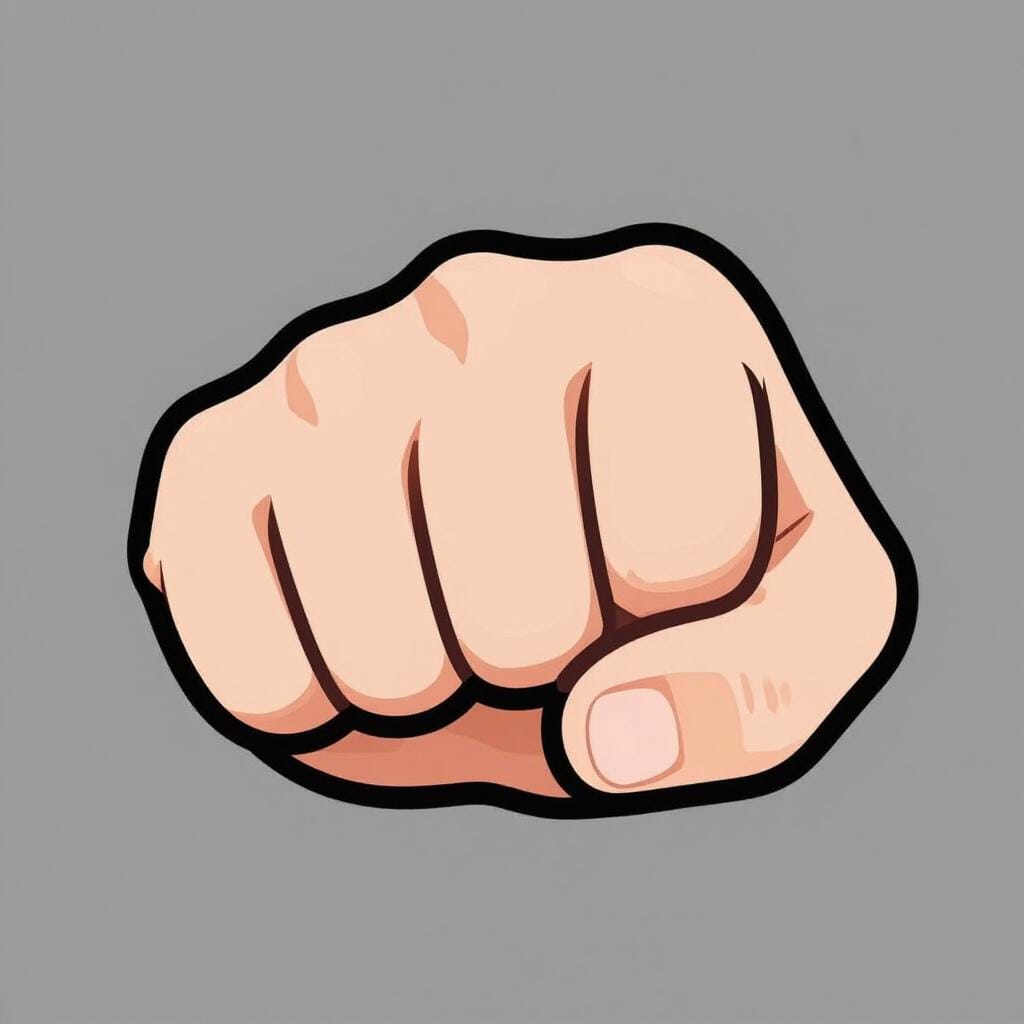
Se enfadaron y casi se dan una piña.
They got angry and almost punched each other.
En este equipo todos somos una piña.
In this team, we are all a tight-knit group.
ponche
pohn-chehˈpont͡ʃe
Examples
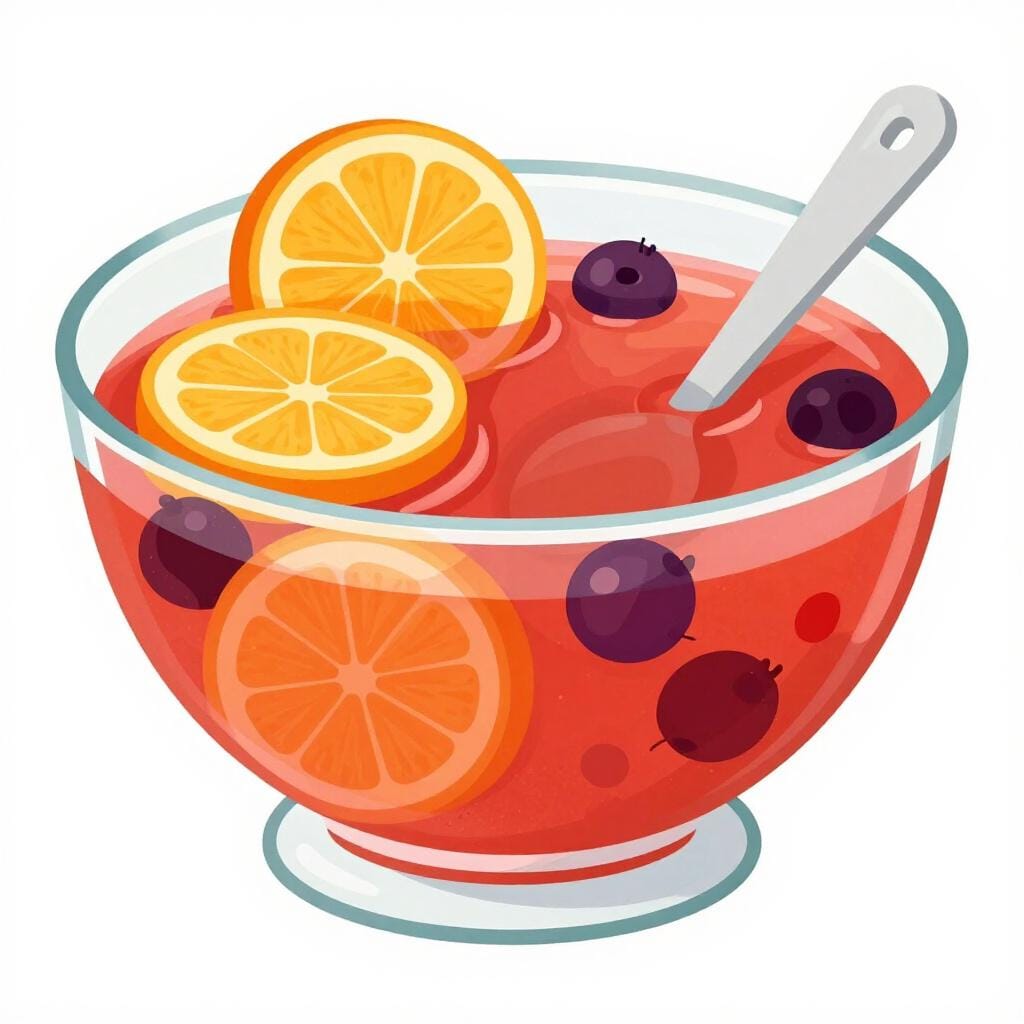
En las posadas siempre servimos ponche de frutas caliente.
During the holiday parties, we always serve hot fruit punch.
¿Quieres un poco de ponche con piquete?
Do you want some punch with a splash of alcohol?
Mi abuela prepara el mejor ponche de la ciudad.
My grandmother makes the best punch in town.
Gender of the word
This word is masculine, so you always use 'el' or 'un'. For example: 'El ponche está rico' (The punch is tasty).
Using 'de' for ingredients
To describe what kind of punch it is, just add 'de' plus the ingredient, like 'ponche de huevo' (eggnog) or 'ponche de frutas'.
Ponche vs. Puñetazo
Mistake: “Using 'ponche' to mean a physical punch with a fist in a fight.”
Correction: Use 'puñetazo' for a physical hit. In most contexts, 'ponche' is only for drinks or sports.
patada
pah-TAH-dahpaˈtaða

Examples
Este café tiene una patada de cafeína que me despierta.
This coffee has a caffeine punch that wakes me up.
La noticia de su renuncia fue una patada emocional para la empresa.
The news of his resignation was an emotional jolt for the company.
Ese tequila tiene una patada fuerte.
That tequila has a strong kick.
Describing Intensity
When 'patada' is used figuratively, it emphasizes sudden, high intensity. It usually describes an effect that is immediate and powerful, whether it's good (a strong flavor) or bad (a shock).
Confusing 'Golpe' with Fist Punches
Related Translations
Learn Spanish with Inklingo
Interactive stories, personalized learning, and more.