ponche
“ponche” means “punch” in Spanish. It has 2 different meanings depending on context:
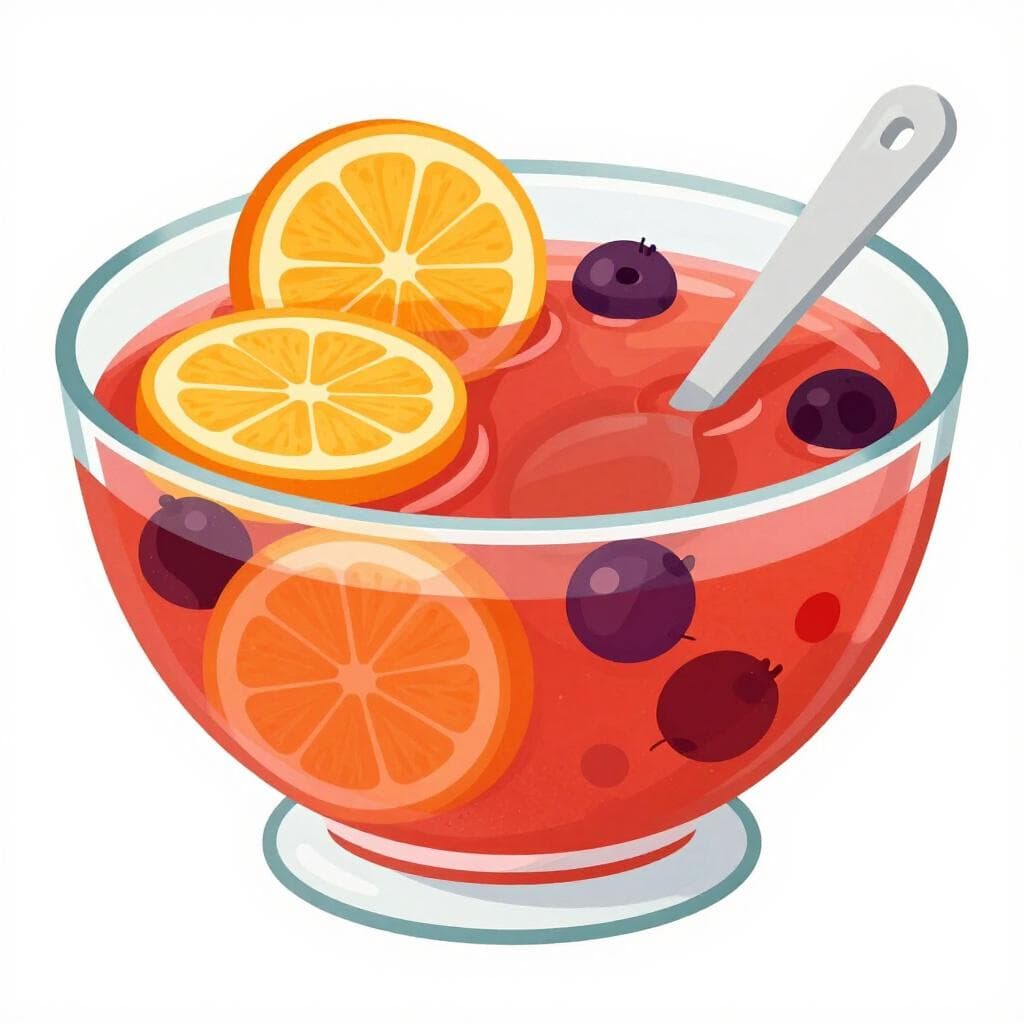
punch
Also: eggnog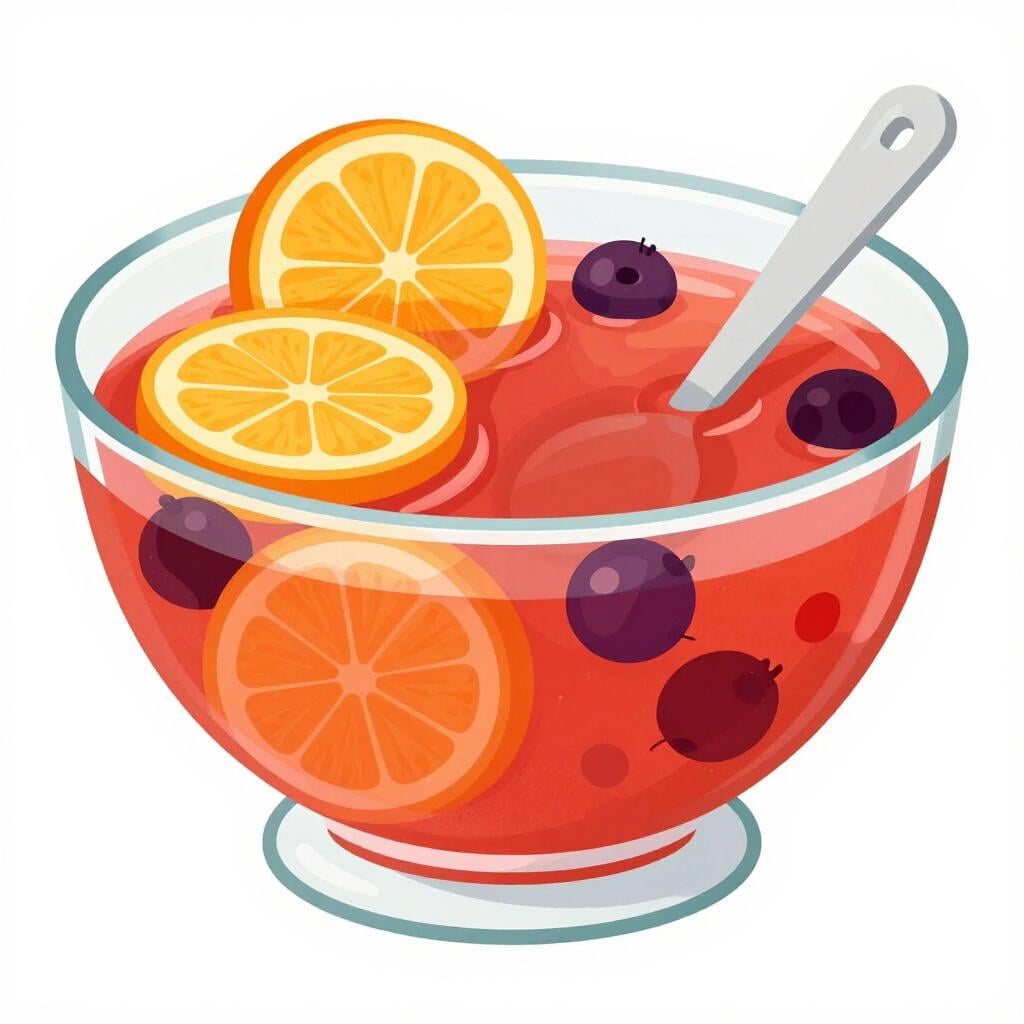
📝 In Action
En las posadas siempre servimos ponche de frutas caliente.
A2During the holiday parties, we always serve hot fruit punch.
¿Quieres un poco de ponche con piquete?
B1Do you want some punch with a splash of alcohol?
Mi abuela prepara el mejor ponche de la ciudad.
A1My grandmother makes the best punch in town.
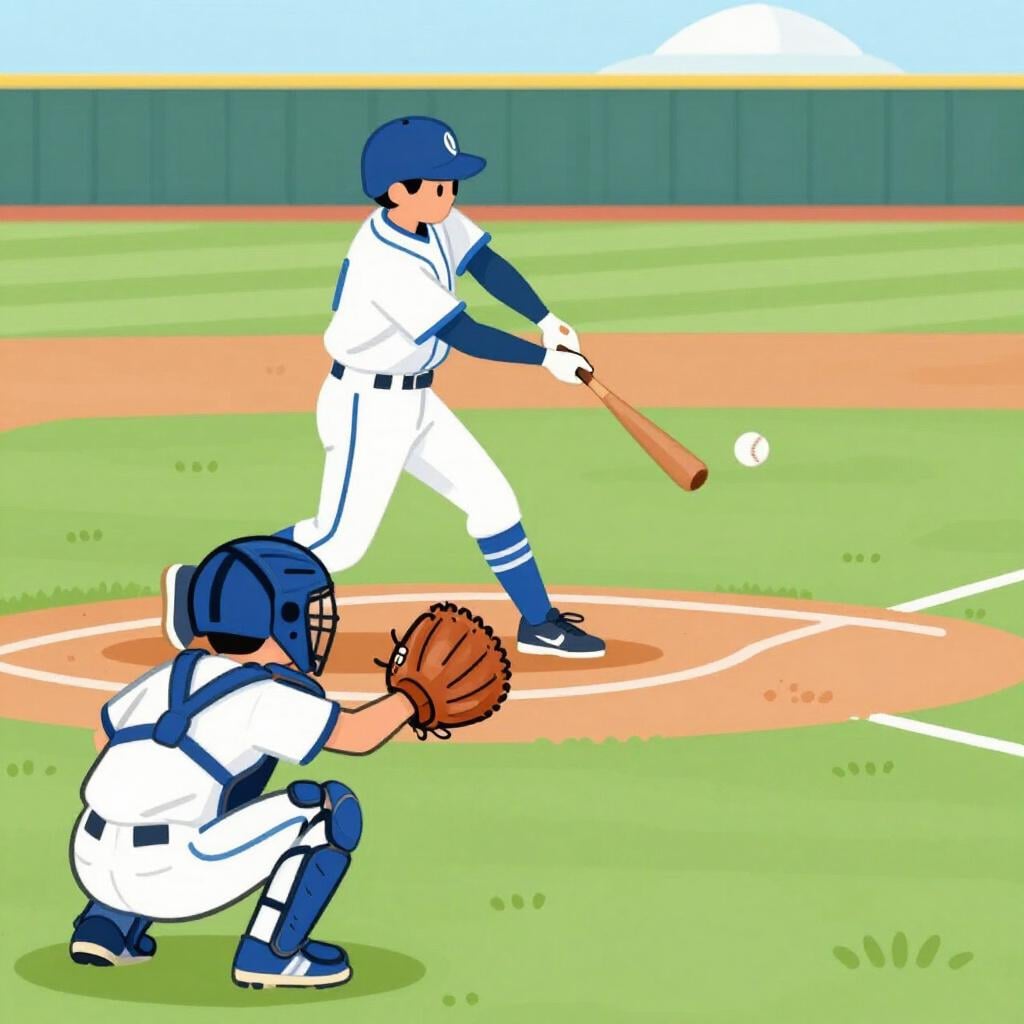
strikeout
📝 In Action
El lanzador terminó el juego con un ponche impresionante.
B1The pitcher ended the game with an impressive strikeout.
Fue el tercer ponche seguido para el bateador.
B2It was the third strikeout in a row for the batter.
Necesitamos un ponche para salir de esta entrada.
B2We need a strikeout to get out of this inning.
Translate to Spanish
✏️ Quick Practice
Quick Quiz: ponche
Question 1 of 3
What is the primary ingredient category in a Mexican 'ponche' during Christmas?
📚 More Resources
👥 Word Family▼
🎵 Rhymes▼
📚 Etymology▼
Borrowed from the English word 'punch'. The English word itself comes from the Hindi word 'pāñć', meaning 'five', because the drink was originally made with five ingredients: alcohol, sugar, lemon, water, and tea or spices.
First recorded: 18th Century
Cognates (Related words)
💡 Master Spanish
Take your Spanish to the next level. Read 200+ illustrated and narrated Spanish stories tailored to your level with the Inklingo app!
Frequently Asked Questions
Does 'ponche' always contain alcohol?
No. While many versions can have alcohol added (called 'ponche con piquete'), many traditional recipes are fruit-based juices or teas that are safe for all ages.
Is 'ponche' the same as 'eggnog'?
Not exactly, but 'ponche crema' in countries like Venezuela and the Dominican Republic is very similar in texture and flavor to eggnog.
Can I use 'ponche' to describe a physical hit in a fight?
Generally, no. You should use 'puñetazo' for a hit with a fist. 'Ponche' is mostly reserved for the drink or the baseball term.