strike
“strike” means “strike” in Spanish. It has 2 different meanings depending on context:
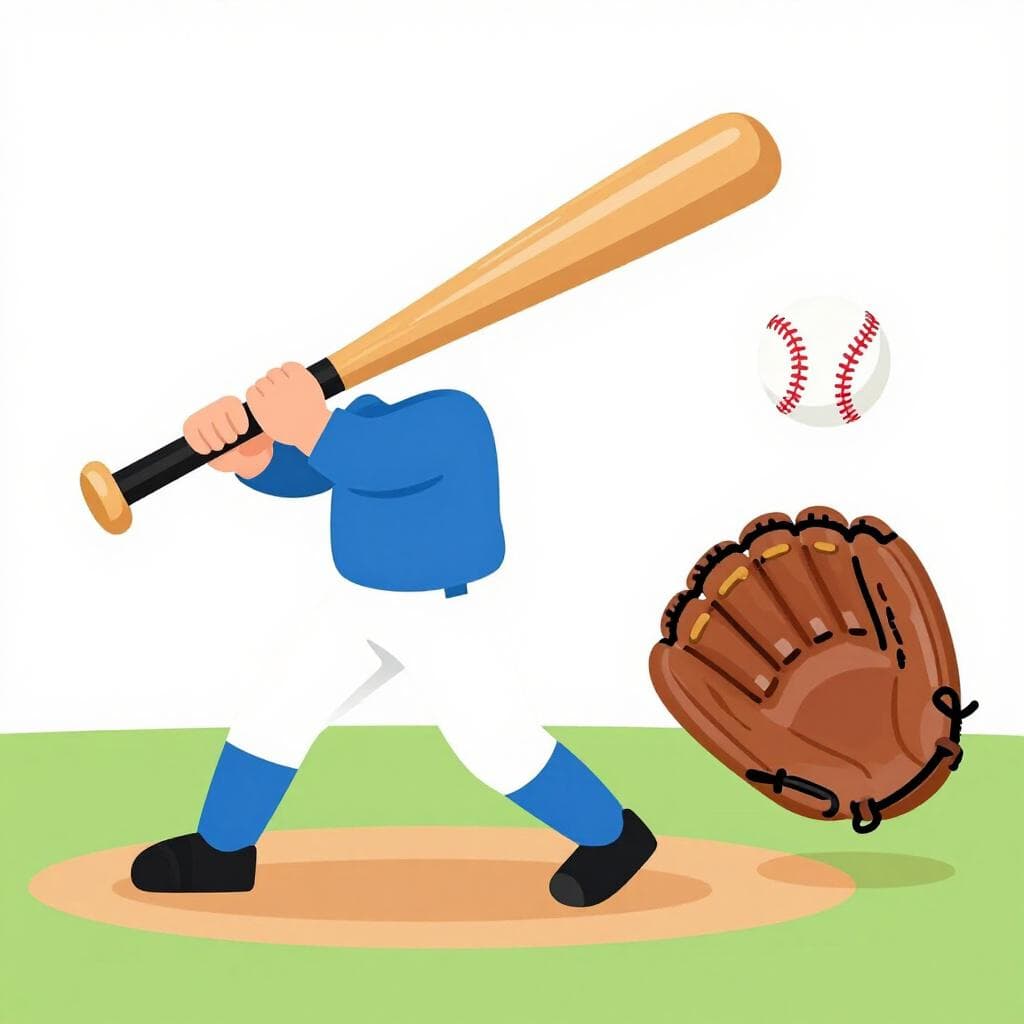

strike
Also: lanzamiento fallido, ponche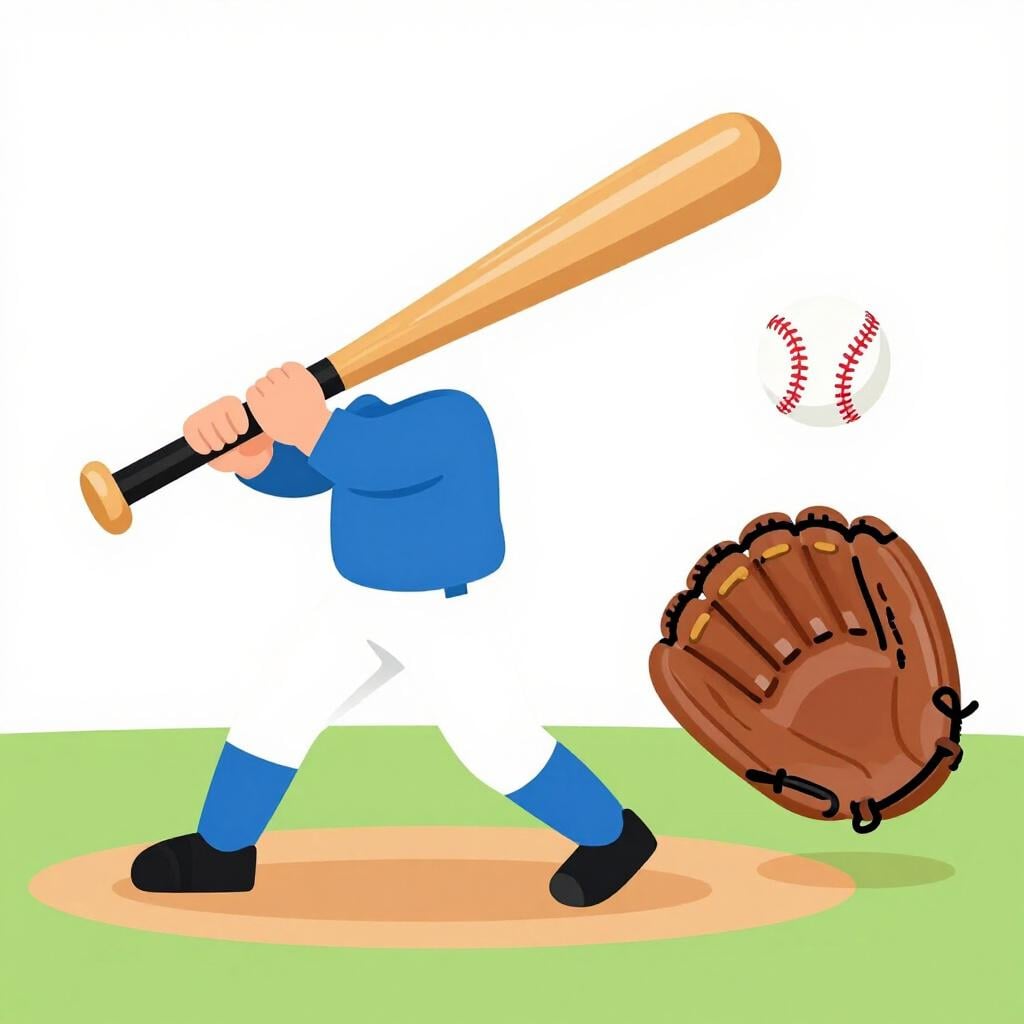
📝 In Action
El bateador ya tiene dos strikes en su cuenta.
B1The batter already has two strikes against him.
El árbitro cantó el tercer strike y terminó la entrada.
B2The umpire called the third strike and the inning ended.
Fue un strike perfecto justo por el centro.
B1It was a perfect strike right down the middle.
strike
Also: pleno, chuza
📝 In Action
¡Hice un strike en el último turno!
B1I got a strike on the last turn!
Si logras otro strike, ganarás el juego.
B1If you get another strike, you will win the game.
Necesito un strike para superar tu puntuación.
B2I need a strike to beat your score.
Translate to Spanish
✏️ Quick Practice
Quick Quiz: strike
Question 1 of 3
How do you say 'labor strike' (workers protesting) in Spanish?
📚 More Resources
👥 Word Family▼
🎵 Rhymes▼
📚 Etymology▼
Direct borrowing from the English word 'strike', which originally comes from Old English 'strican' (to go, to stroke). In Spanish, it was adopted specifically for sports terminology.
First recorded: 20th century (with the rise of baseball popularity in Latin America)
💡 Master Spanish
Take your Spanish to the next level. Read 200+ illustrated and narrated Spanish stories tailored to your level with the Inklingo app!
Frequently Asked Questions
Is 'strike' used in Spanish for labor unions?
No. While 'strike' means a labor protest in English, Spanish speakers always use the word 'huelga' for that.
How do I pronounce 'strike' so I sound natural?
Try adding a very short 'e' sound at the beginning: 'eh-STRIKE'. Spanish speakers naturally add this 'e' before words starting with 's'.
What does 'strikear' mean?
It is a 'Spanglish' verb used informally in some regions to mean 'to strike out' in baseball.