How to Say "strike" in Spanish
The most common Spanish word for “strike” is “ataque” — use 'ataque' for a military or industrial offensive, or a sudden aggressive action against someone or something.




ataque
ah-TAH-kehaˈtake

Examples
El castillo sobrevivió al ataque.
The castle survived the attack.
El equipo lanzó un ataque rápido y marcó un gol.
The team launched a quick attack and scored a goal.
El médico dijo que fue un ataque al corazón.
The doctor said it was a heart attack.
Is it 'el' or 'la'?
'Ataque' is a masculine noun, even though it ends in 'e'. So, you always use 'el' or 'un' with it, like 'el ataque' (the attack) or 'un ataque' (an attack).
Confusing the Noun and the Verb
Mistake: “Yo ataque el problema.”
Correction: Yo ataco el problema. 'Ataque' is the thing (the noun), while 'atacar' is the action (the verb). Think of 'attack' the noun vs. 'I attack' the verb in English.
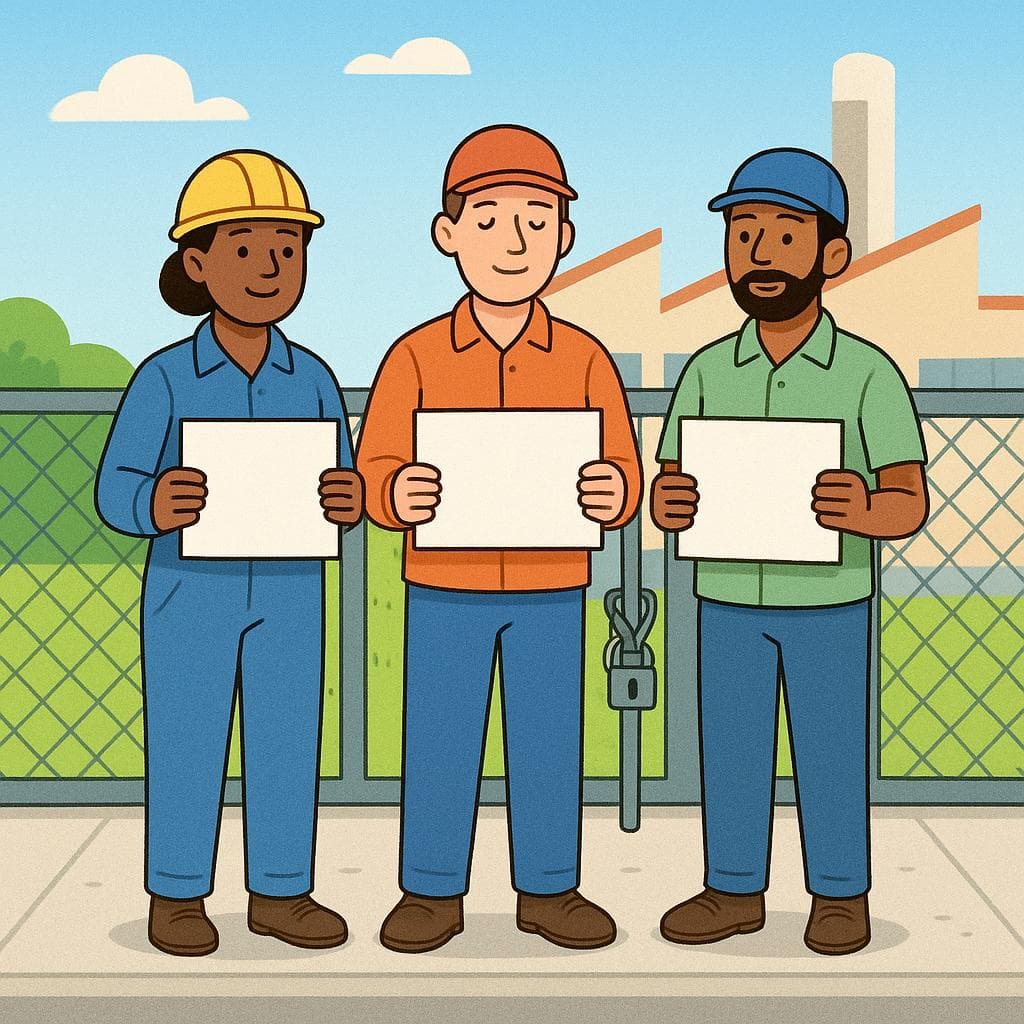
huelga
WHEL-gahˈwel.ɡa
Examples
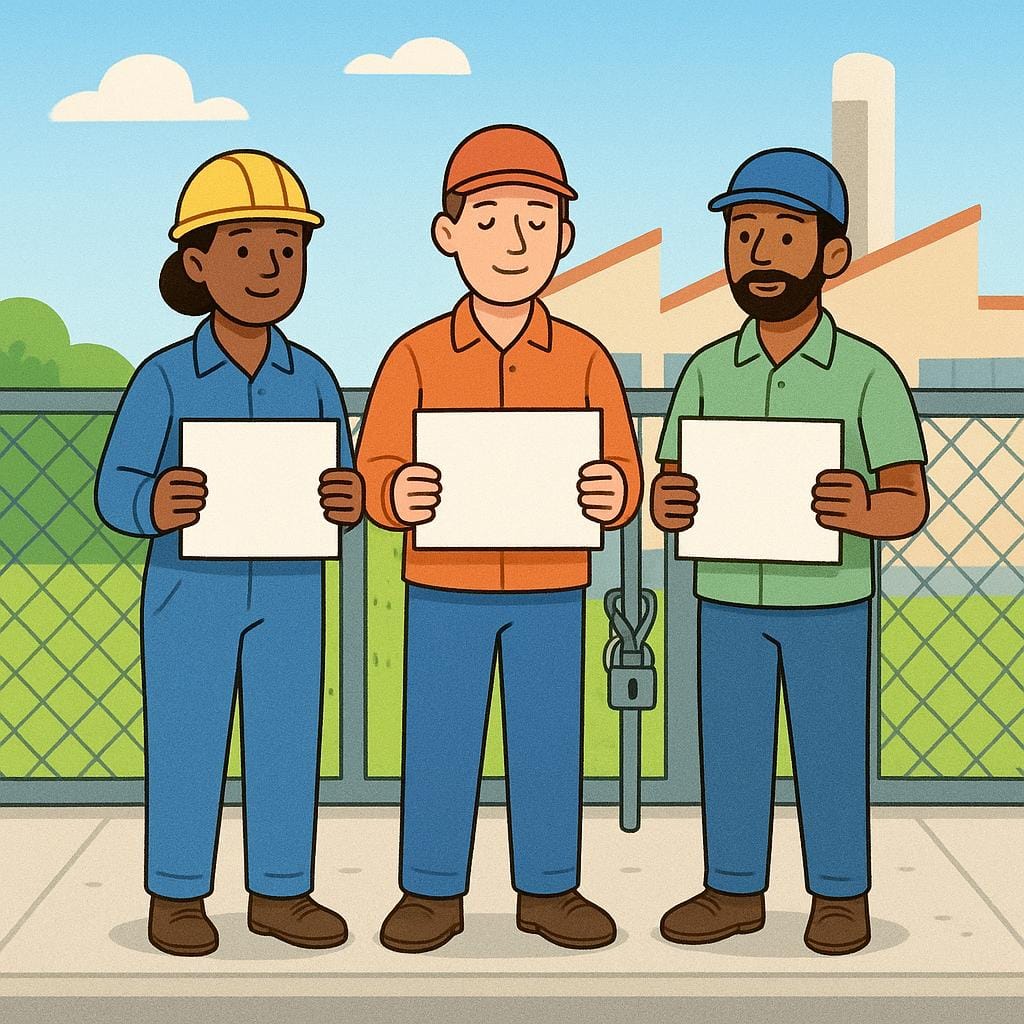
Los trabajadores anunciaron una huelga indefinida.
The workers announced an indefinite strike.
La huelga de transporte afectó a toda la ciudad.
The transport strike affected the entire city.
Hacer huelga es un derecho fundamental en muchos países.
To strike (literally: to do a strike) is a fundamental right in many countries.
Gender Check
Since 'huelga' is a feminine noun, always use feminine articles and adjectives with it (e.g., 'la huelga', 'una huelga grande').
Using the wrong verb
Mistake: “Me voy a huelgar. (Incorrect verb choice for striking)”
Correction: Me voy a hacer huelga (or simply: voy a la huelga). Use the phrase 'hacer huelga' (to do a strike) to mean 'to go on strike'.
impacto
eem-PAHK-tohimˈpakto

Examples
El conductor sobrevivió al impacto frontal, pero el coche quedó destrozado.
The driver survived the frontal impact, but the car was destroyed.
Los científicos analizaron el impacto de la roca contra la superficie.
The scientists analyzed the impact of the rock against the surface.
paro
PAH-rohˈpa.ɾo

Examples
El paro juvenil es un gran problema social en el país.
Youth unemployment is a major social problem in the country.
Después de tres meses en el paro, encontró un nuevo trabajo.
After three months of being unemployed (on the dole), he found a new job.
Los sindicatos han convocado un paro general.
The unions have called for a general strike.
Using 'Estar en el paro'
To say someone is unemployed, use the phrase 'estar en el paro' (literally: to be in the unemployment). This is extremely common in Spain.
Confusing 'Paro' and 'Huelga'
Mistake: “Using 'paro' only for a large, formal labor strike.”
Correction: 'Huelga' is the more specific term for a formal strike. 'Paro' can mean a general stoppage or simply unemployment.
strike
es-tra-ikesˈtɾajk

Examples
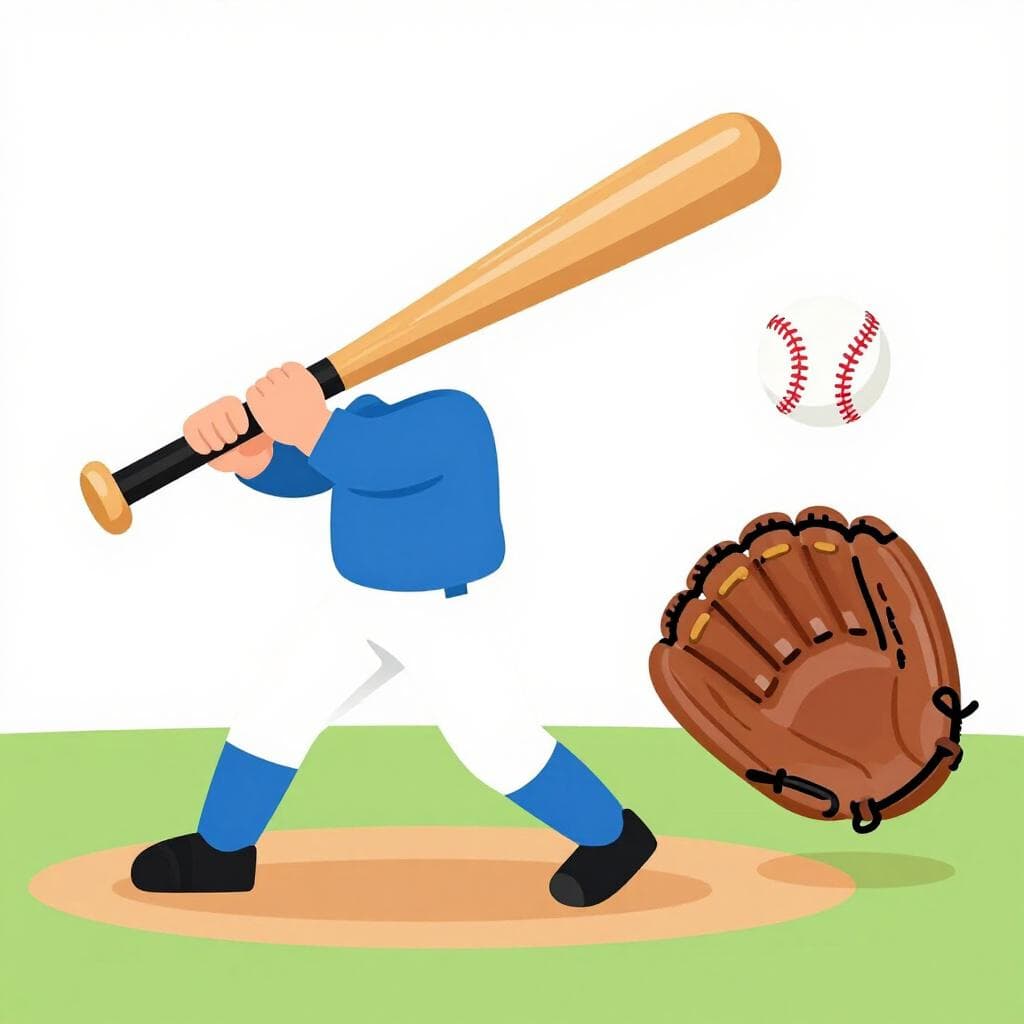
El bateador ya tiene dos strikes en su cuenta.
The batter already has two strikes against him.
El árbitro cantó el tercer strike y terminó la entrada.
The umpire called the third strike and the inning ended.
Fue un strike perfecto justo por el centro.
It was a perfect strike right down the middle.
¡Hice un strike en el último turno!
I got a strike on the last turn!
Using 'el' with strike
Since this word is borrowed from English, it is used with the masculine article 'el' (el strike).
Plural form
To talk about more than one, simply add an 's' to the end: 'los strikes'.
Action verbs
Use the verb 'hacer' (to do/make) or 'lograr' (to achieve) when you want to say you got a strike.
Gender consistency
Like the baseball meaning, this is always masculine (el strike).
Strike vs. Huelga
Mistake: “Using 'strike' to mean a labor protest.”
Correction: Use 'huelga' for labor protests. In Spanish, 'strike' is ONLY used for sports.
Avoid 'tirar'
Mistake: “Saying 'tirar un strike'.”
Correction: Say 'hacer un strike'. 'Tirar' sounds like you are throwing the strike itself rather than achieving it.
strike
es-tra-ikesˈtɾajk
Examples
¡Hice un strike en el último turno!
I got a strike on the last turn!
El bateador ya tiene dos strikes en su cuenta.
The batter already has two strikes against him.
El árbitro cantó el tercer strike y terminó la entrada.
The umpire called the third strike and the inning ended.
Fue un strike perfecto justo por el centro.
It was a perfect strike right down the middle.
Using 'el' with strike
Since this word is borrowed from English, it is used with the masculine article 'el' (el strike).
Plural form
To talk about more than one, simply add an 's' to the end: 'los strikes'.
Action verbs
Use the verb 'hacer' (to do/make) or 'lograr' (to achieve) when you want to say you got a strike.
Gender consistency
Like the baseball meaning, this is always masculine (el strike).
Strike vs. Huelga
Mistake: “Using 'strike' to mean a labor protest.”
Correction: Use 'huelga' for labor protests. In Spanish, 'strike' is ONLY used for sports.
Avoid 'tirar'
Mistake: “Saying 'tirar un strike'.”
Correction: Say 'hacer un strike'. 'Tirar' sounds like you are throwing the strike itself rather than achieving it.
pleno
PLEH-nohˈpleno

Examples
Hizo un pleno en los bolos.
He got a strike in bowling.
¡Pleno! Acerté todas las preguntas del examen.
Perfect! I got every question on the exam right.
Huelga vs. Paro
Related Translations
Learn Spanish with Inklingo
Interactive stories, personalized learning, and more.