How to Say "setback" in Spanish
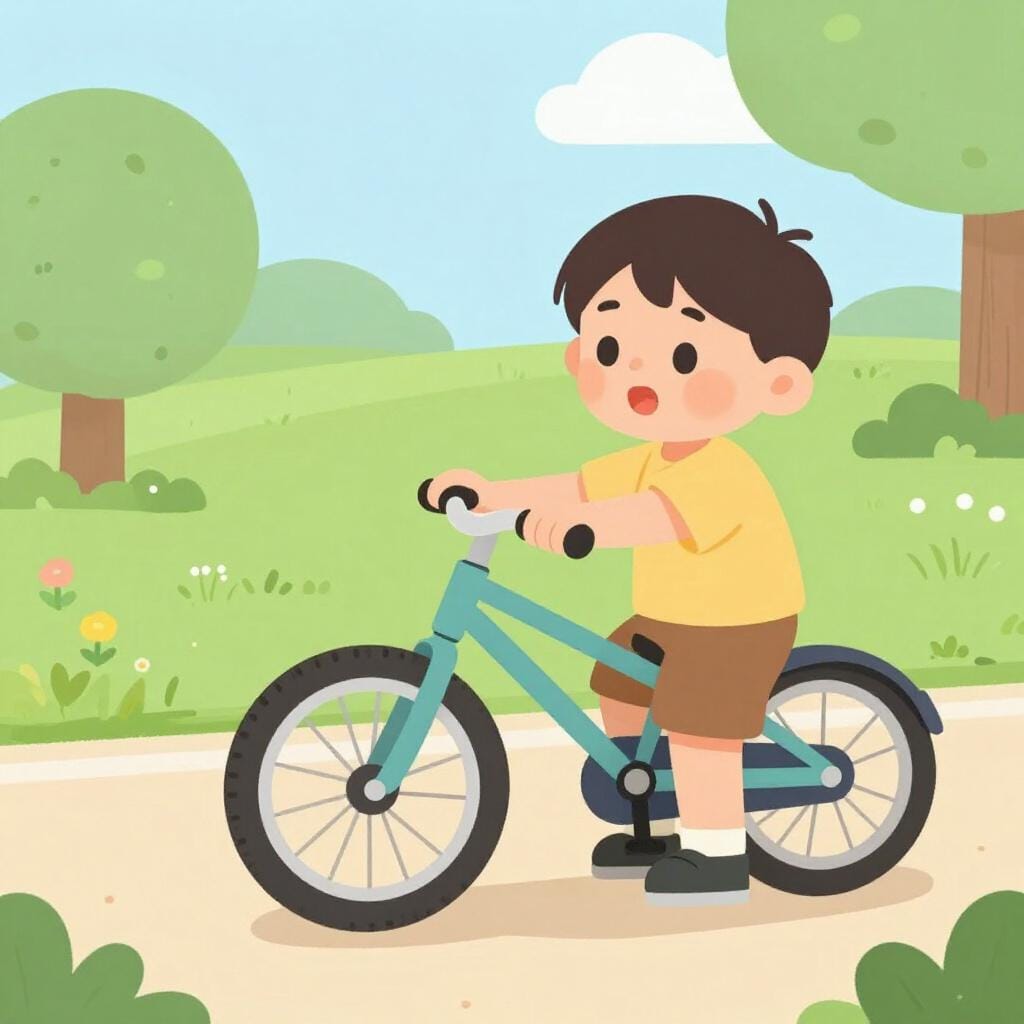
The most common Spanish word for “setback” is “contratiempo” — use this word when a 'setback' is a minor, unexpected problem that causes a delay, often something manageable.
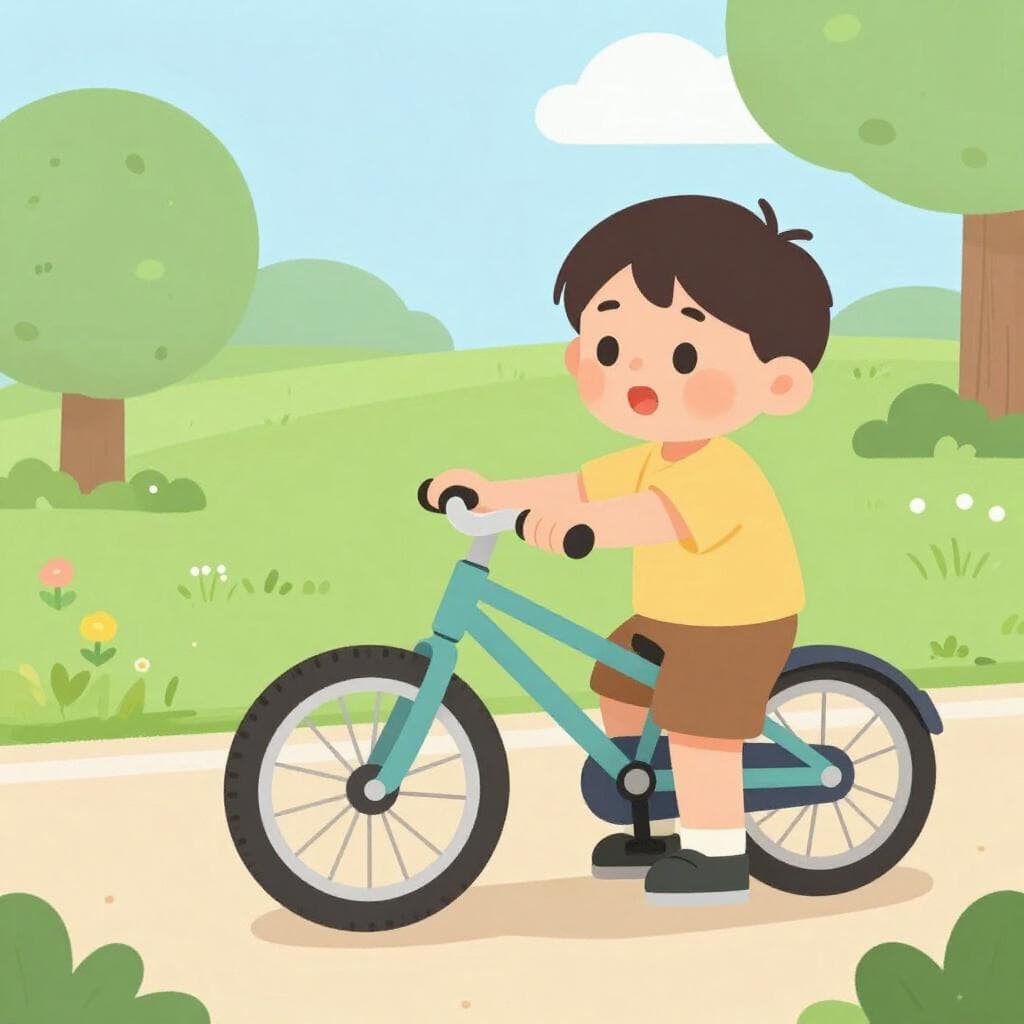




contratiempo
kon-tra-tyem-pokontɾaˈtjempo
Examples
Lamento la demora, tuve un pequeño contratiempo con el tráfico.
I'm sorry for the delay, I had a small setback with traffic.
El proyecto terminó a tiempo a pesar de los contratiempos.
The project finished on time despite the setbacks.
Si surge cualquier contratiempo, avísame de inmediato.
If any mishap arises, let me know immediately.
Always Masculine
This word is always masculine, so you should always use 'el' or 'un' with it, even if it refers to a situation.
Plural Form
To talk about multiple problems, just add an 's' to the end: 'los contratiempos'.
Don't confuse with bad weather
Mistake: “Hace un contratiempo hoy.”
Correction: Hace mal tiempo hoy. While 'contratiempo' contains the word for time/weather (tiempo), it only means a 'setback' or 'problem' in a plan.
obstáculo
Examples
La falta de dinero es un gran obstáculo para mis planes.
The lack of money is a big obstacle for my plans.
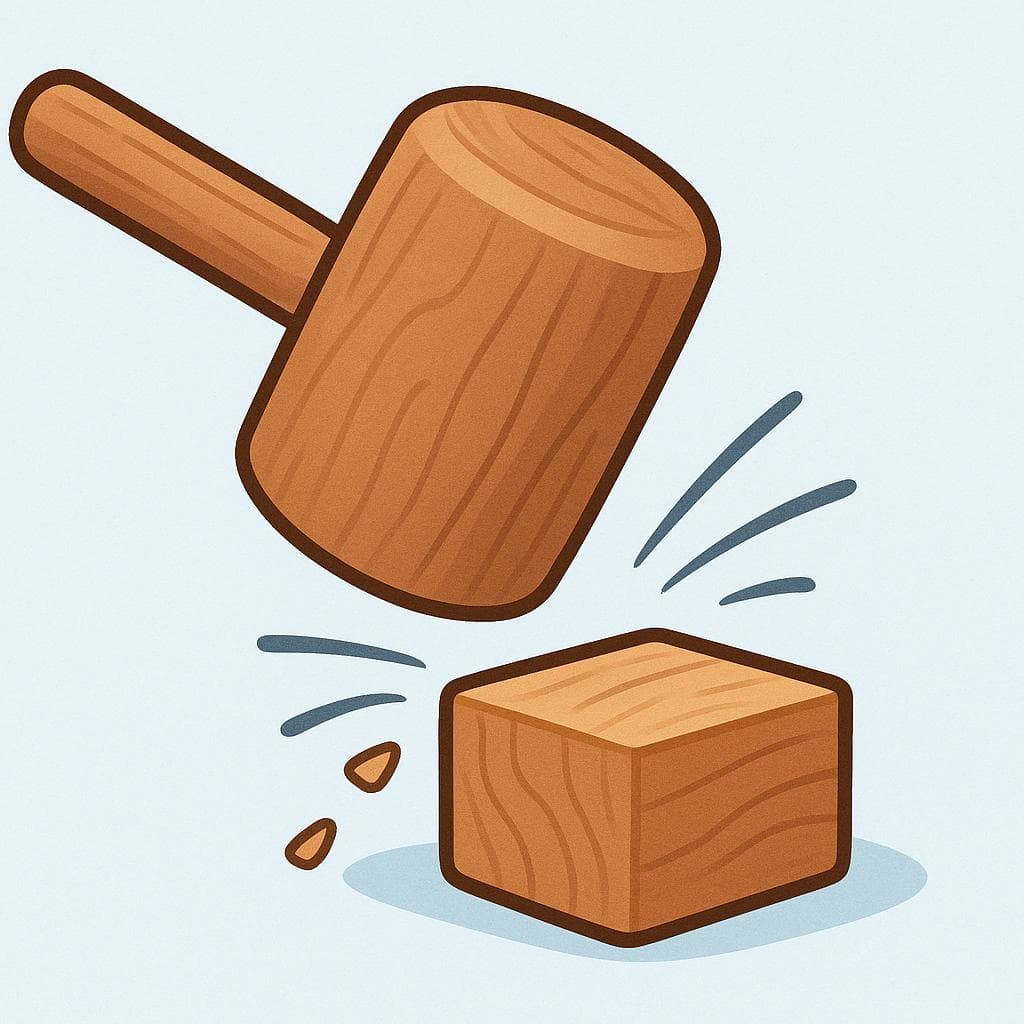
golpe
GOHL-pehˈɡolpe

Examples
La crisis económica fue un golpe duro para muchas empresas.
The economic crisis was a hard blow/shock for many companies.
¡Qué golpe de suerte! Encontré el anillo perdido.
What a stroke of luck! I found the lost ring.
Ella se fue de golpe, sin despedirse.
She left suddenly, without saying goodbye.
Adverbial Use
The phrase 'de golpe' acts like an adverb, describing how something happens, usually meaning 'very quickly' or 'unexpectedly'.
fracaso
frah-KAH-sohfɾaˈkaso

Examples
El proyecto fue un fracaso total después de dos años.
The project was a total failure after two years.
No tengas miedo al fracaso, es parte del aprendizaje.
Don't be afraid of failure; it's part of learning.
Su matrimonio terminó en fracaso.
His marriage ended in failure.
Using the Article
Like many abstract nouns in Spanish (ideas or feelings), 'fracaso' often needs the definite article ('el') when you are talking about the concept generally: 'El fracaso es duro.' (Failure is hard.)
Mixing up the Noun and Verb
Mistake: “Ella fracasó el examen.”
Correction: Remember 'fracaso' is the noun (the thing). To describe the action, use the verb 'fracasar': 'Ella fracasó en el examen' (She failed the exam).
retroceso
rreh-troh-SEH-sohretɾoˈθeso

Examples
La nueva ley es un gran retroceso para los derechos humanos.
The new law is a huge setback for human rights.
El paciente ha tenido un pequeño retroceso en su recuperación.
The patient has had a small setback in his recovery.
No podemos permitir un retroceso en la educación de nuestros hijos.
We cannot allow a step backward in our children's education.
Using 'en' with Retroceso
To specify what area is getting worse, use the word 'en' (in) immediately after: 'un retroceso en la economía'.
A Noun, Not an Adverb
Remember that 'retroceso' is a naming word (noun). If you want to say something is moving backward (action), use the verb 'retroceder'.
Retroceso vs. Atrás
Mistake: “La economía fue retroceso.”
Correction: La economía sufrió un retroceso.
palo
PAH-lohˈpa.lo
Examples
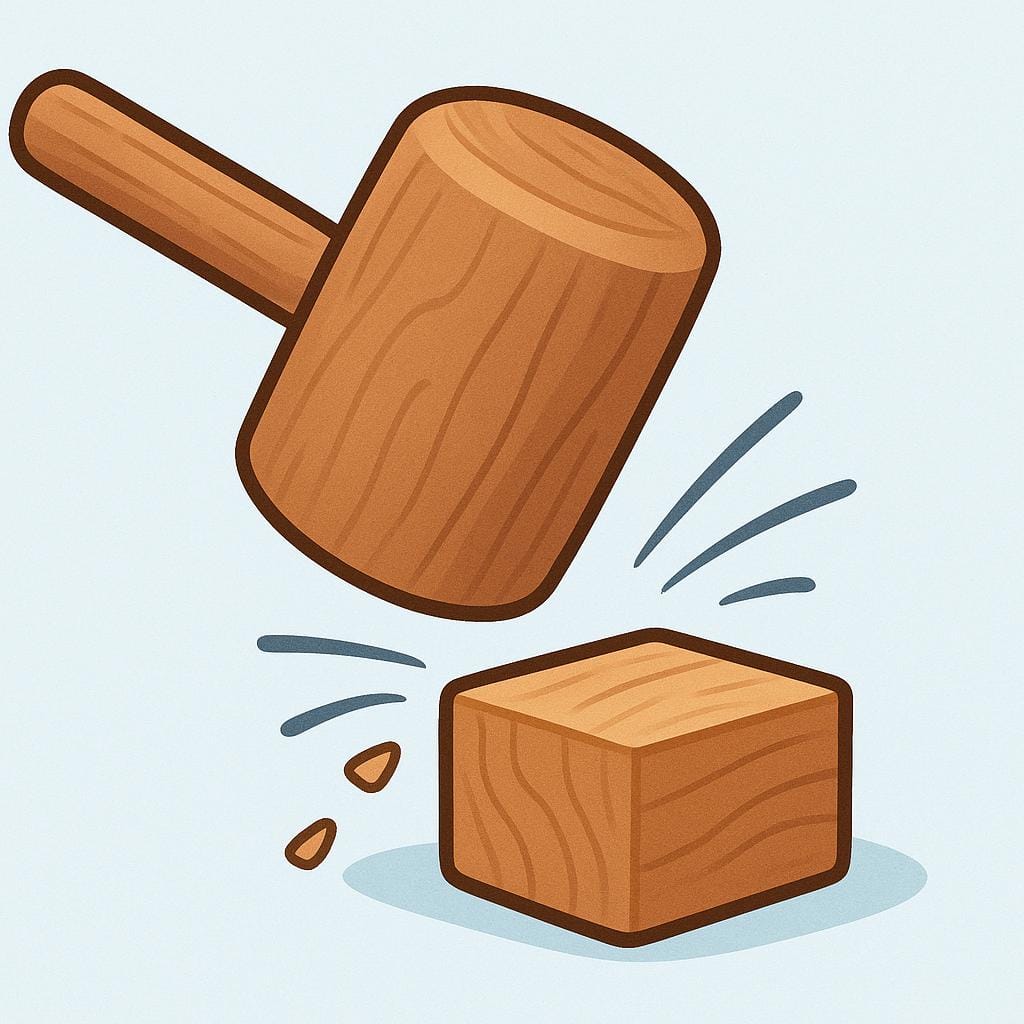
La noticia de su despido fue un palo muy duro.
The news of his firing was a very hard blow/shock.
El ladrón le dio un palo en la cabeza para robarle.
The thief hit him on the head to rob him. (Literal physical blow)
revés
Examples
La crisis económica fue un duro revés para la compañía.
The economic crisis was a harsh setback for the company.
torpedo
tor-peh-dohtoɾˈpeðo

Examples
Ese escándalo fue un torpedo a la línea de flotación de su campaña.
That scandal was a devastating blow to his campaign (literally: a torpedo to the waterline).
Su renuncia es un torpedo para el futuro del proyecto.
Her resignation is a massive blow to the project's future.
Metaphorical use
You can use this word to describe something that 'sinks' a plan, just like the weapon sinks a ship.
Contratiempo vs. Obstáculo
Learn Spanish with Inklingo
Interactive stories, personalized learning, and more.