polaco
“polaco” means “Polish” in Spanish. It has 3 different meanings depending on context:

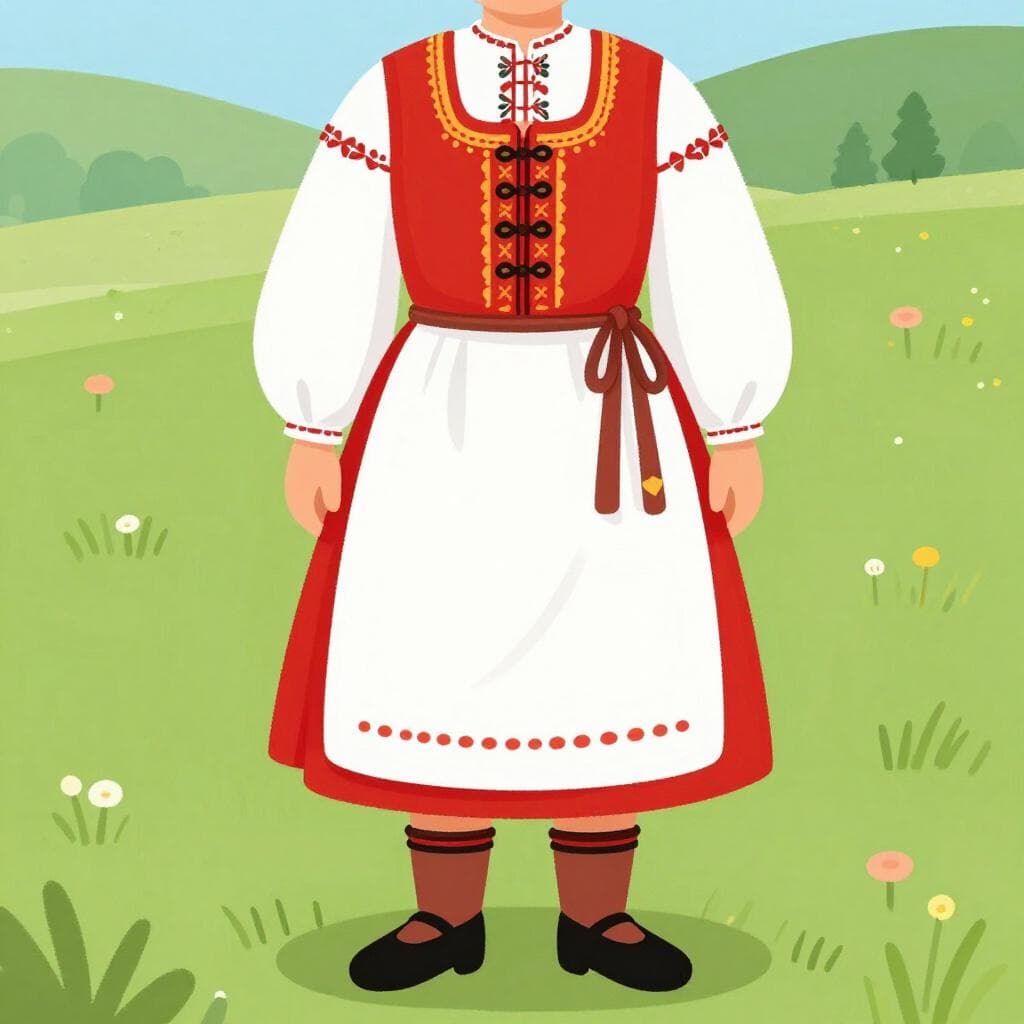

Polish

📝 In Action
Me encanta la comida polaca.
A1I love Polish food.
Él tiene un pasaporte polaco.
A2He has a Polish passport.
Visitamos varias ciudades polacas durante el verano.
B1We visited several Polish cities during the summer.
Word Connections
Pole, Polish man

📝 In Action
Mi vecino es un polaco muy amable.
A1My neighbor is a very kind Polish man.
Los polacos celebran esta tradición en invierno.
A2The Poles celebrate this tradition in winter.
Un polaco ganó el premio de ciencias.
B1A Polish man won the science prize.
Word Connections
Polish

📝 In Action
El polaco es un idioma difícil de aprender.
A1Polish is a difficult language to learn.
Ella habla polaco con fluidez.
A2She speaks Polish fluently.
Este libro está escrito en polaco.
A2This book is written in Polish.
Word Connections
Translate to Spanish
Words that translate to "polaco" in Spanish:
✏️ Quick Practice
Quick Quiz: polaco
Question 1 of 3
Which of the following is the correct way to say 'The Polish language'?
📚 More Resources
👥 Word Family
📚 Etymology
Comes from the Latin word 'Polonia,' which was based on the name of a Slavic tribe called the 'Polans.' The tribe's name comes from a word meaning 'field,' so it originally meant 'people of the fields.'
First recorded: 13th century
Cognates (Related words)
💡 Master Spanish
Take your Spanish to the next level. Read 200+ illustrated and narrated Spanish stories tailored to your level with the Inklingo app!
Frequently Asked Questions
Do I ever capitalize 'polaco'?
Only if it is the first word of a sentence. Unlike English, Spanish does not capitalize nationalities or languages.
What is the feminine form of 'polaco'?
The feminine form is 'polaca'. You use this for women from Poland or when describing feminine objects (e.g., 'una cerveza polaca').
Can 'polaco' mean anything else?
In Spain, it is sometimes used as a slang/informal term for someone from Catalonia, but be careful as this can be seen as disparaging.