tirón
“tirón” means “pull” in Spanish. It has 3 different meanings depending on context:
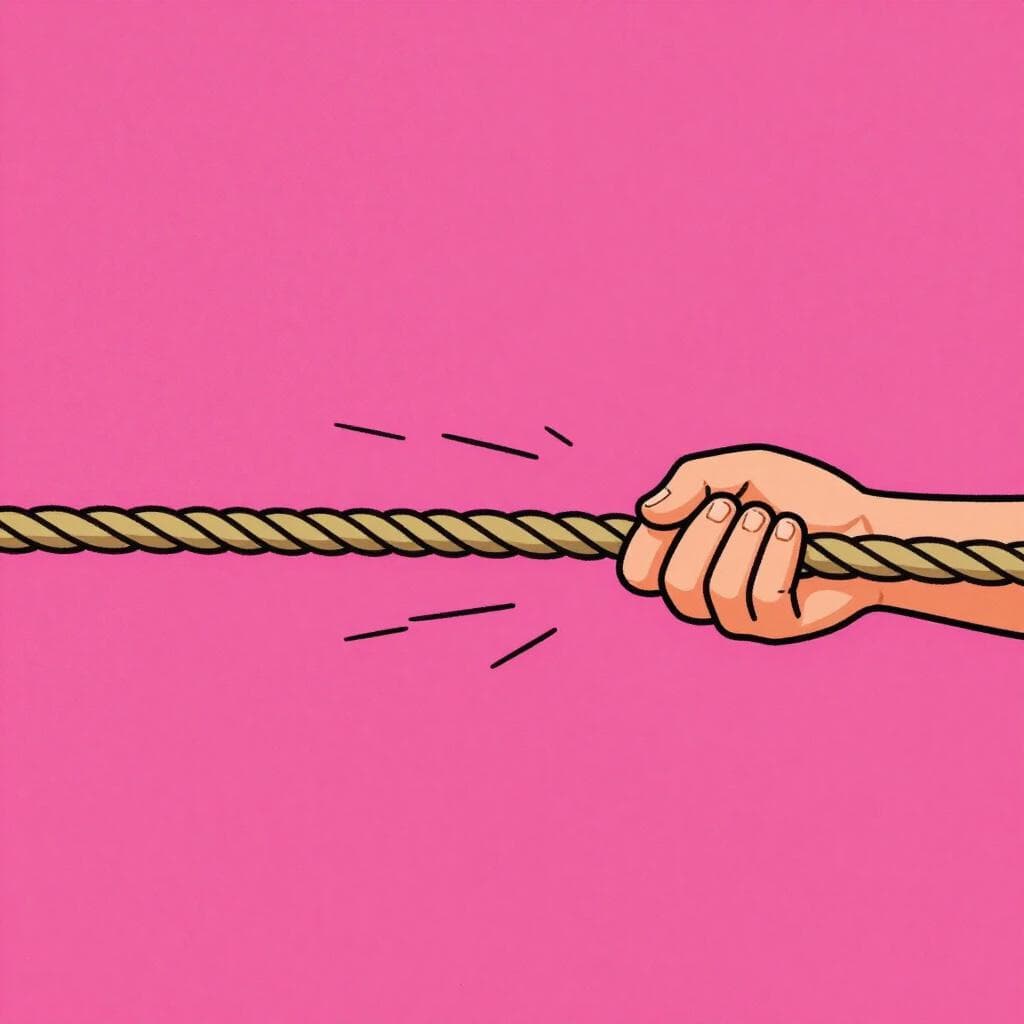


pull, tug
Also: jerk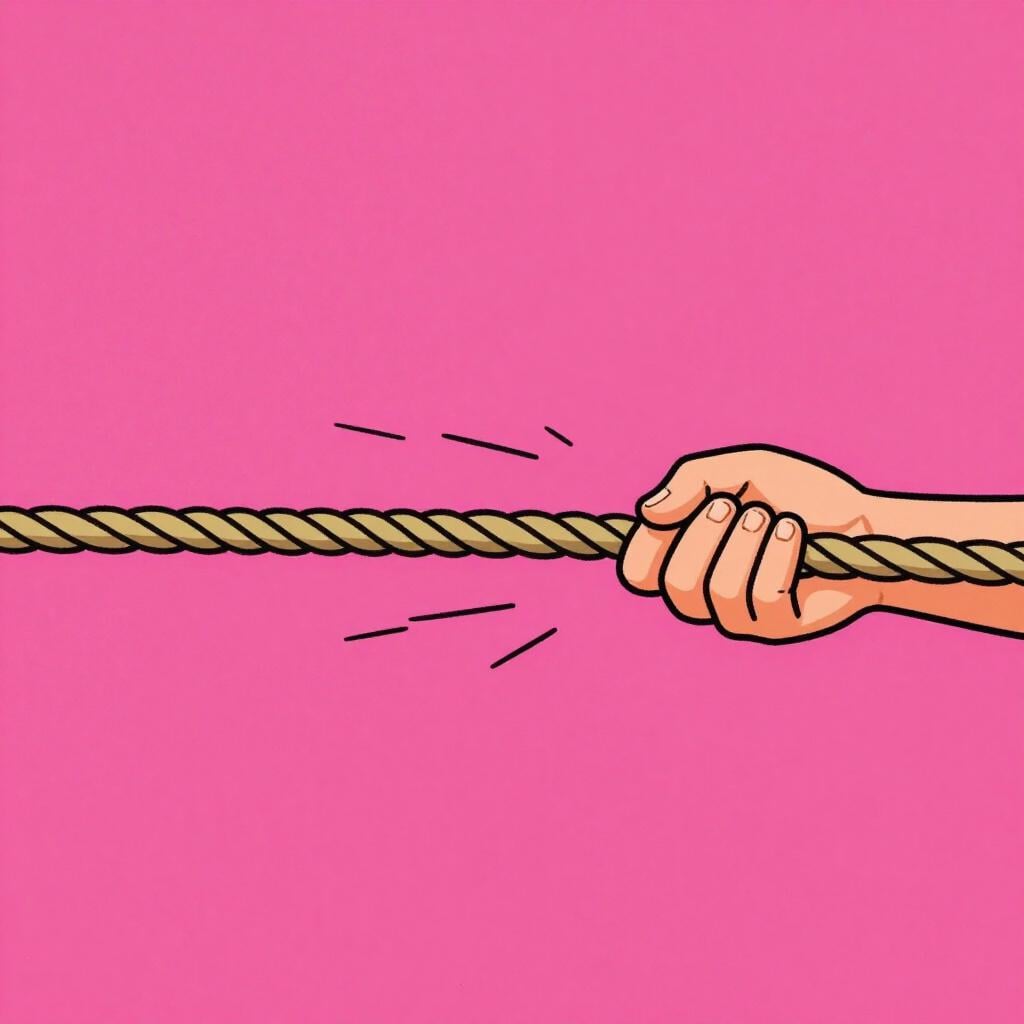
📝 In Action
Le dio un tirón a la cuerda para abrir la cortina.
A2He gave the rope a pull to open the curtain.
Sentí un tirón en mi bolso y vi al ladrón corriendo.
B1I felt a tug on my bag and saw the thief running.
No abras la puerta de un tirón, hazlo despacio.
B1Don't open the door with a jerk; do it slowly.
muscle strain, cramp
Also: pulled muscle
📝 In Action
Me dio un tirón en la pantorrilla mientras corría.
B1I got a muscle strain in my calf while running.
Tengo un tirón en la espalda por cargar cajas pesadas.
B1I have a pulled muscle in my back from carrying heavy boxes.
Calienta bien antes de jugar para evitar tirones.
B2Warm up well before playing to avoid muscle strains.
appeal, draw
Also: attraction
📝 In Action
Ese actor tiene mucho tirón entre los jóvenes.
C1That actor has a lot of appeal among young people.
La oferta de verano tuvo un gran tirón comercial.
C1The summer offer was a big commercial draw.
Esta ciudad ya no tiene el tirón turístico de antes.
C2This city no longer has the tourist appeal it used to.
Translate to Spanish
✏️ Quick Practice
Quick Quiz: tirón
Question 1 of 3
If you read a book 'de un tirón', how did you read it?
📚 More Resources
👥 Word Family▼
🎵 Rhymes▼
📚 Etymology▼
Derived from the verb 'tirar' (to pull), which comes from the Vulgar Latin 'tirare'. The suffix '-ón' is added to indicate a sudden or forceful action.
First recorded: 15th century
Cognates (Related words)
💡 Master Spanish
Take your Spanish to the next level. Read 200+ illustrated and narrated Spanish stories tailored to your level with the Inklingo app!
Frequently Asked Questions
Is 'tirón' always negative when talking about muscles?
Yes, it always refers to an injury or a sharp pain caused by overstretching or a sudden movement.
What is the difference between 'tirón' and 'estirón'?
A 'tirón' is a sudden pull or injury. An 'estirón' usually refers to a 'growth spurt' (when a child grows tall quickly) or a deliberate stretch.
Can 'tirón' be used for a drawer?
Not exactly. The action of pulling the drawer is 'un tirón', but the drawer itself is 'un cajón'.