How to Say "cramp" in Spanish
The most common Spanish word for “cramp” is “tirón” — use this word for a sudden, sharp pain or strain in a muscle, often experienced during physical activity.
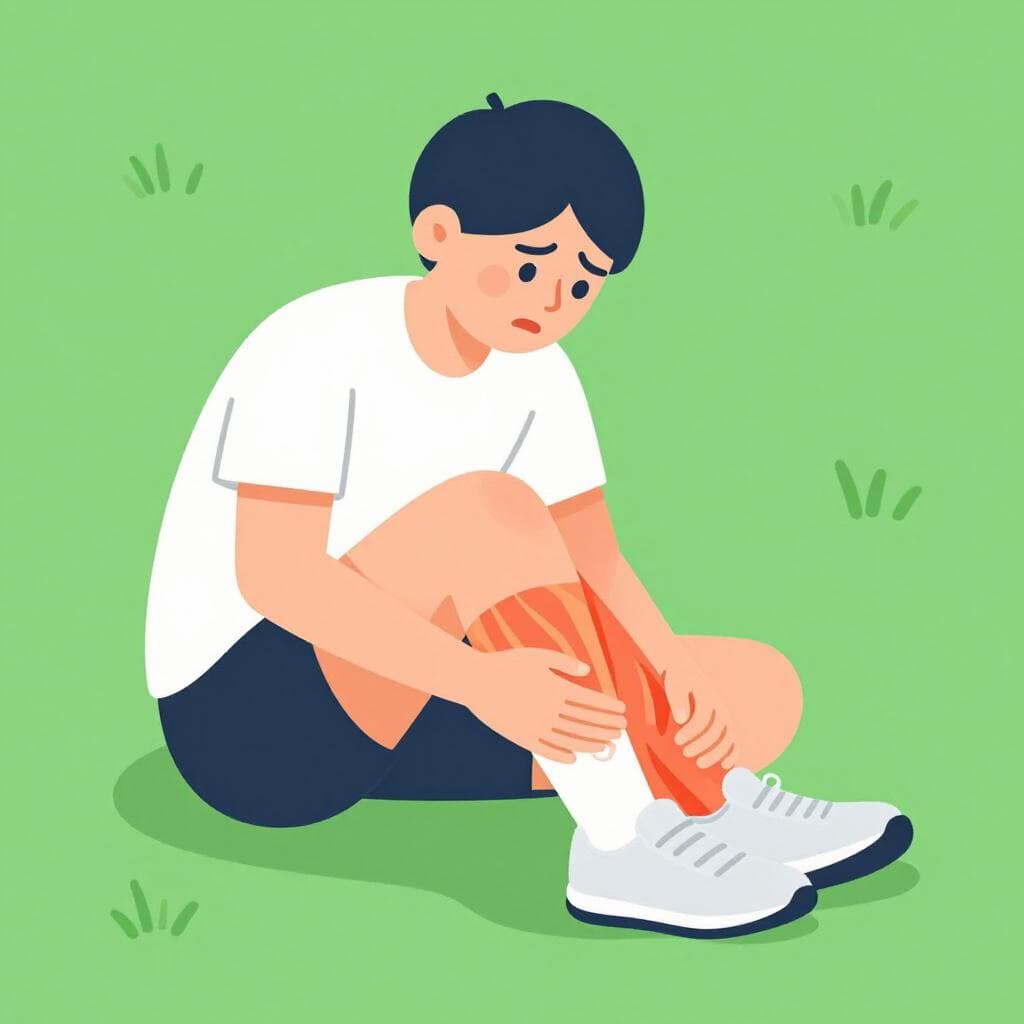
Use this word for a sudden, sharp pain or strain in a muscle, often experienced during physical activity.
Learn more →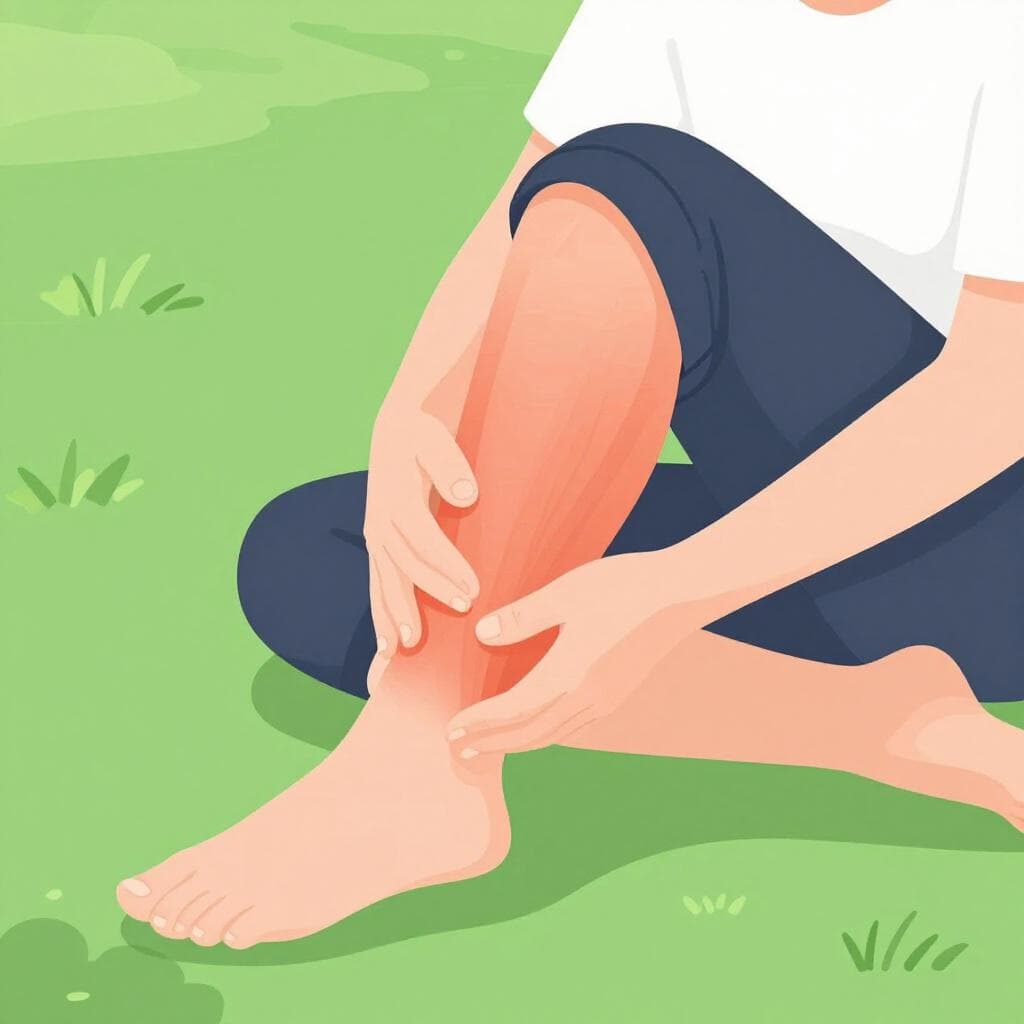
This term specifically refers to a painful, involuntary tightening of a muscle, commonly known as a 'charley horse' or 'stitch' in English.
Learn more →
Use this word to describe the tightening of muscles, most commonly in the context of labor pains during childbirth.
Learn more →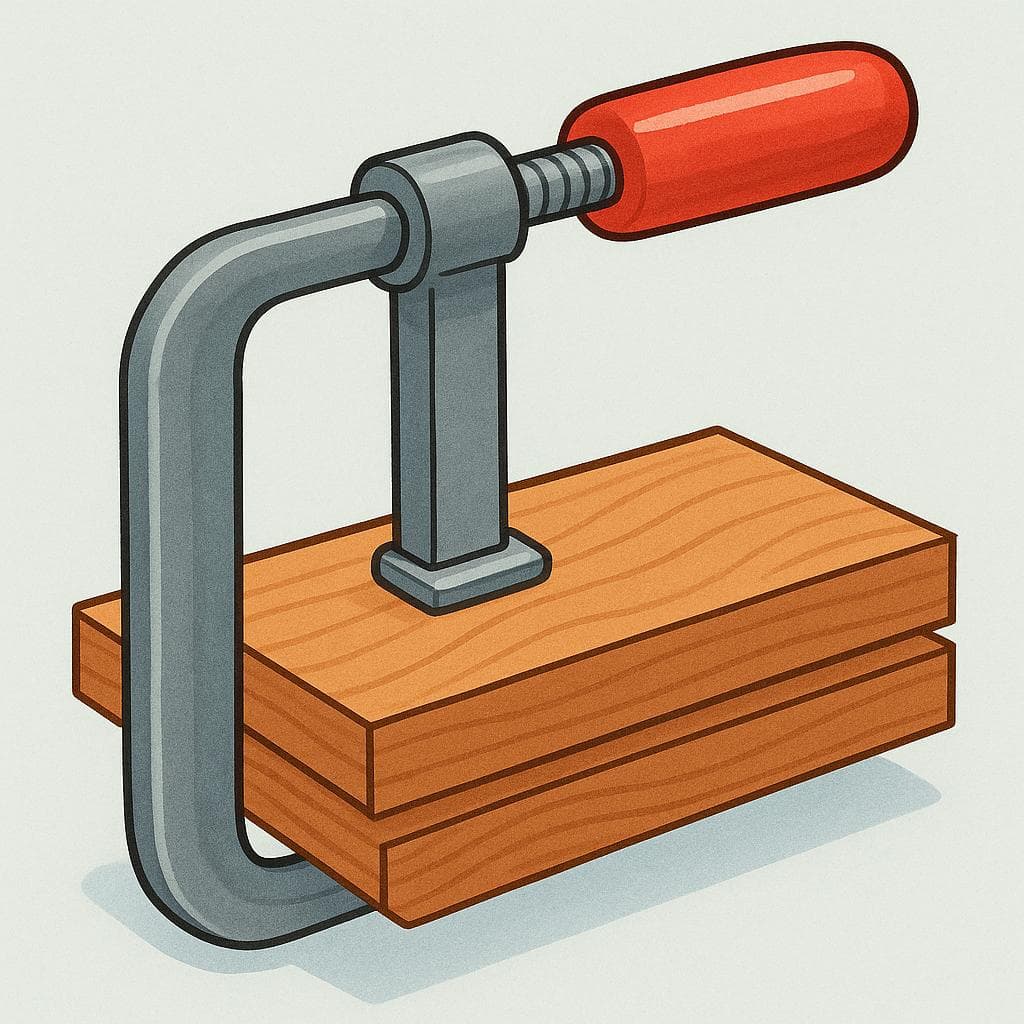
This word refers to a mechanical tool used to hold objects together, especially in woodworking or construction; it is the English 'clamp'.
Learn more →tee-ROHNtiˈɾon
Examples
Me dio un tirón en la pantorrilla mientras corría.
I got a muscle strain in my calf while running.
Tengo un tirón en la espalda por cargar cajas pesadas.
I have a pulled muscle in my back from carrying heavy boxes.
Calienta bien antes de jugar para evitar tirones.
Warm up well before playing to avoid muscle strains.
Verbs for Injuries
In Spanish, we say 'me dio un tirón' (it gave me a pull) to mean 'I pulled a muscle.' The injury is described as something that happens to you.
Pulling a muscle vs pulling a rope
Mistake: “Tiré mi músculo.”
Correction: Me dio un tirón.
RAHM-pahˈrampa
Examples
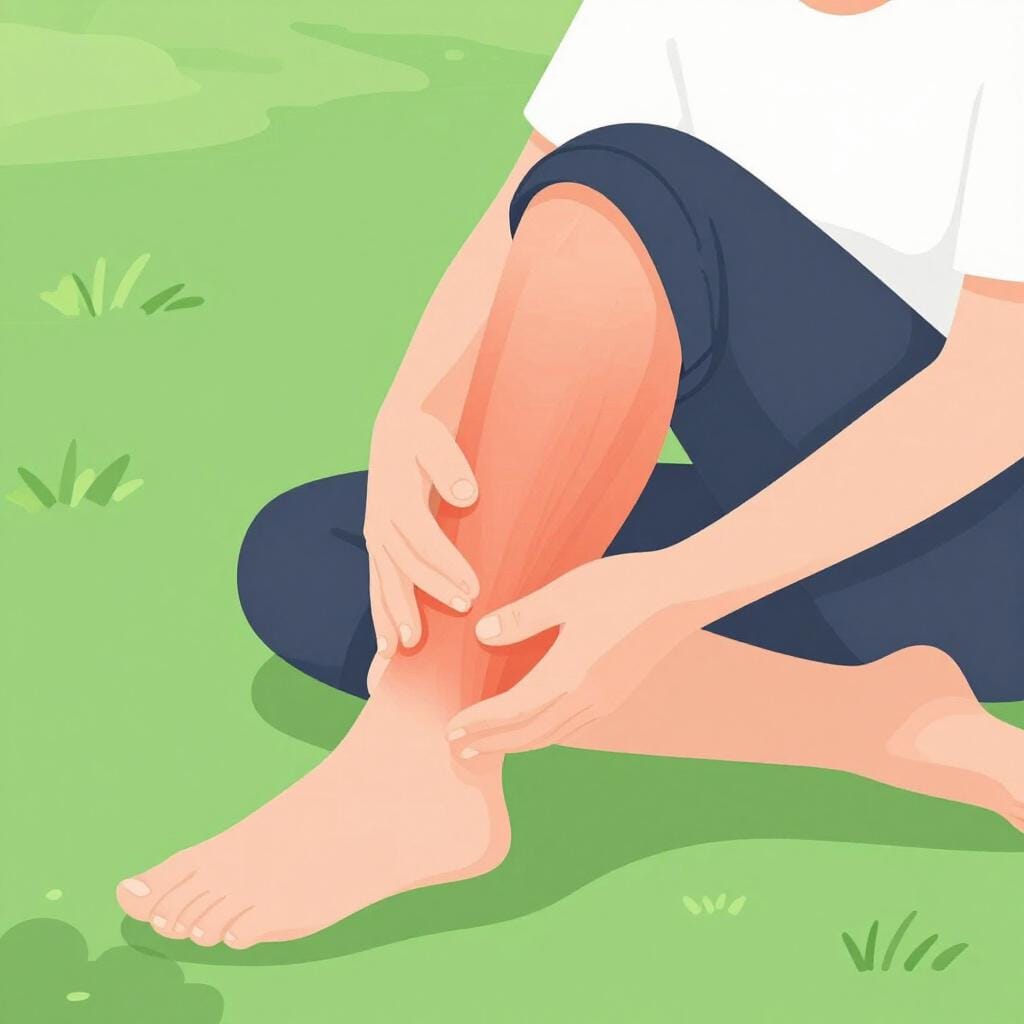
Me dio una rampa en el gemelo mientras corría.
I got a cramp in my calf while I was running.
Si no estiras bien, te darán rampas.
If you don't stretch well, you will get cramps.
Tengo una rampa muy dolorosa en el pie.
I have a very painful cramp in my foot.
Verb pairings for cramps
To say you 'have' a cramp, Spanish speakers usually use the verb 'dar' (to give). You say 'the cramp gave to me' (Me dio una rampa).
Confusing with 'calambre'
Mistake: “Using 'rampa' for an electric shock.”
Correction: Only use 'rampa' for muscle pain. For electric shocks, always use 'calambre'.
kon-trak-SYONkontɾakˈθjon

Examples
Las contracciones de parto empezaron a las ocho.
The labor contractions started at eight.
Siento una contracción fuerte en el gemelo.
I feel a strong contraction (cramp) in my calf.
El corazón late gracias a una contracción rítmica.
The heart beats thanks to a rhythmic contraction.
Describing Pain
When talking about labor or muscle issues, we use 'tener' (to have) followed by 'contracciones'.
Confusing with 'calambre'
Mistake: “Tengo una contracción por el frío.”
Correction: Tengo un calambre por el frío. Use 'calambre' for a sudden painful shock, and 'contracción' for a physical tightening.
sar-HEN-tohsaɾˈxento
Examples
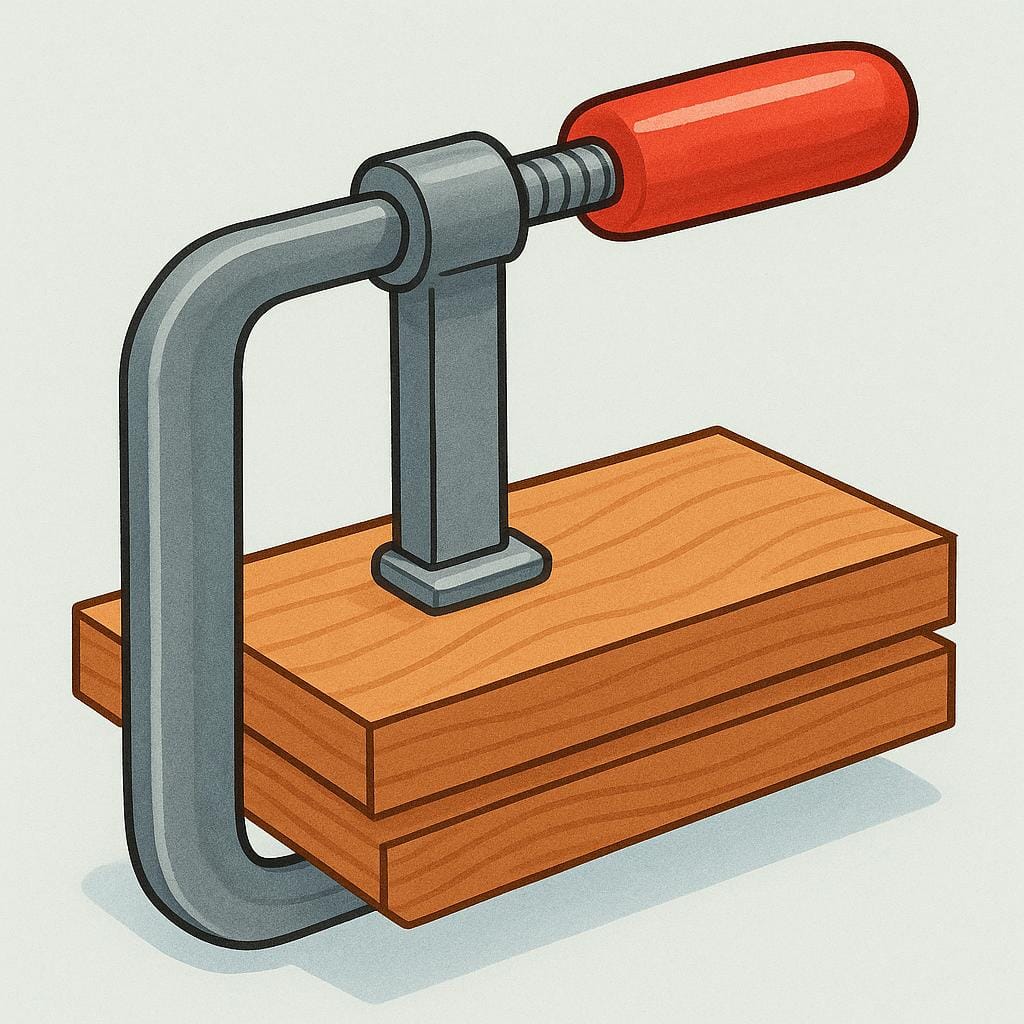
Usa un sargento para mantener las dos piezas de madera juntas mientras seca el pegamento.
Use a clamp to hold the two pieces of wood together while the glue dries.
Necesito un sargento más grande para este proyecto de carpintería.
I need a bigger clamp for this carpentry project.
Muscle Pain vs. Tool
The most common confusion is between words for muscle pain ('tirón', 'rampa', 'contracción') and the tool 'sargento'. Remember, 'sargento' is never used for muscle pain; it always refers to a clamp.
Related Translations
Learn Spanish with Inklingo
Interactive stories, personalized learning, and more.