How to Say "haulage" in Spanish
The most common Spanish word for “haulage” is “arrastre” — use 'arrastre' when referring to the commercial transport of goods, often by vehicle, or the act of towing something heavy.
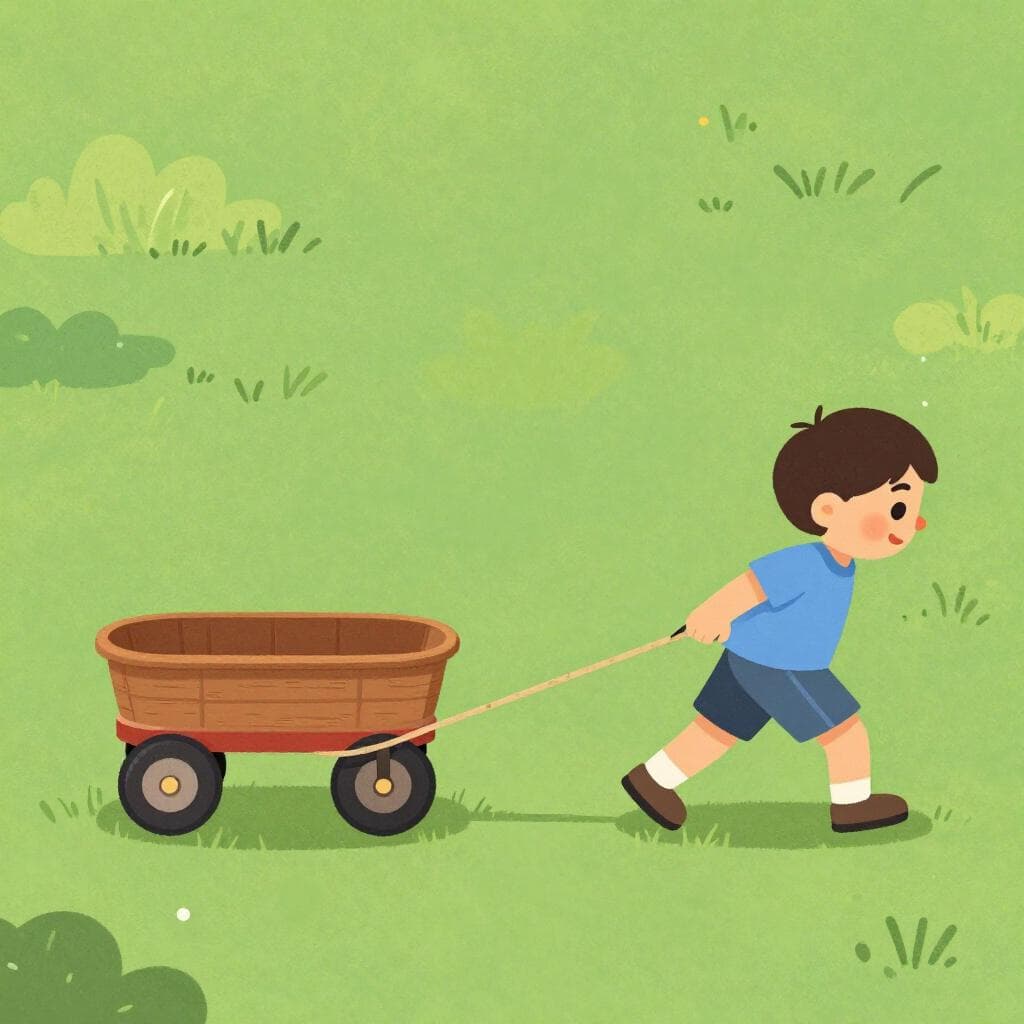
Use 'arrastre' when referring to the commercial transport of goods, often by vehicle, or the act of towing something heavy.
Learn more →
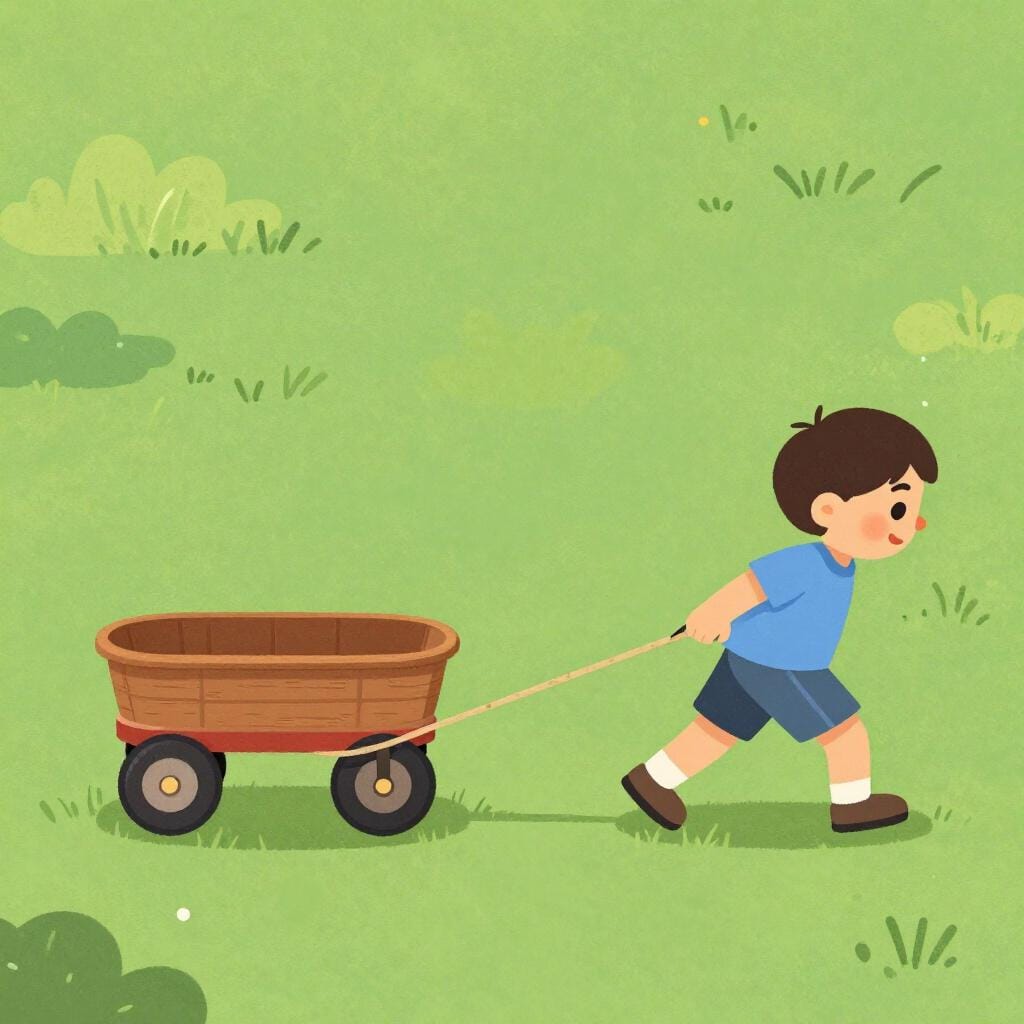
Use 'tiro' to describe the act of pulling or drawing a load, or the capacity to do so, especially in a more general or mechanical sense, not specifically commercial goods transport.
Learn more →ah-RAHS-trehaˈras.tɾe
Examples
El servicio de arrastre transportó la carga al puerto a tiempo.
The haulage service transported the cargo to the port on time.
El arrastre del camión por el barro fue muy difícil.
Towing the truck through the mud was very difficult.
La fuerza de arrastre del agua movió las rocas.
The dragging force of the water moved the rocks.
Este barco utiliza redes de arrastre para pescar.
This boat uses trawl nets for fishing.
A Noun from a Verb
This word is a noun formed from the verb 'arrastrar' (to drag). In Spanish, we often turn verbs into nouns by changing the ending to '-e' or '-o'.
Gender Confusion
Mistake: “la arrastre”
Correction: el arrastre (it is a masculine noun).
TEE-rohˈtiɾo

Examples
El caballo realizó el tiro del carro con facilidad.
The horse performed the haulage of the cart with ease.
La chimenea tiene buen tiro, por eso no sale humo.
The chimney has a good draft, that's why no smoke comes out.
El carro de tiro es muy pesado para un solo caballo.
The haulage cart is too heavy for a single horse.
Commercial vs. General Transport
Learners often confuse 'arrastre' and 'tiro' by using 'tiro' for commercial goods transport. Remember that 'arrastre' is specifically for moving goods commercially, while 'tiro' is a more general term for pulling or drawing a load.
Related Translations
Learn Spanish with Inklingo
Interactive stories, personalized learning, and more.