arrastre
“arrastre” means “dragging” in Spanish. It has 2 different meanings depending on context:
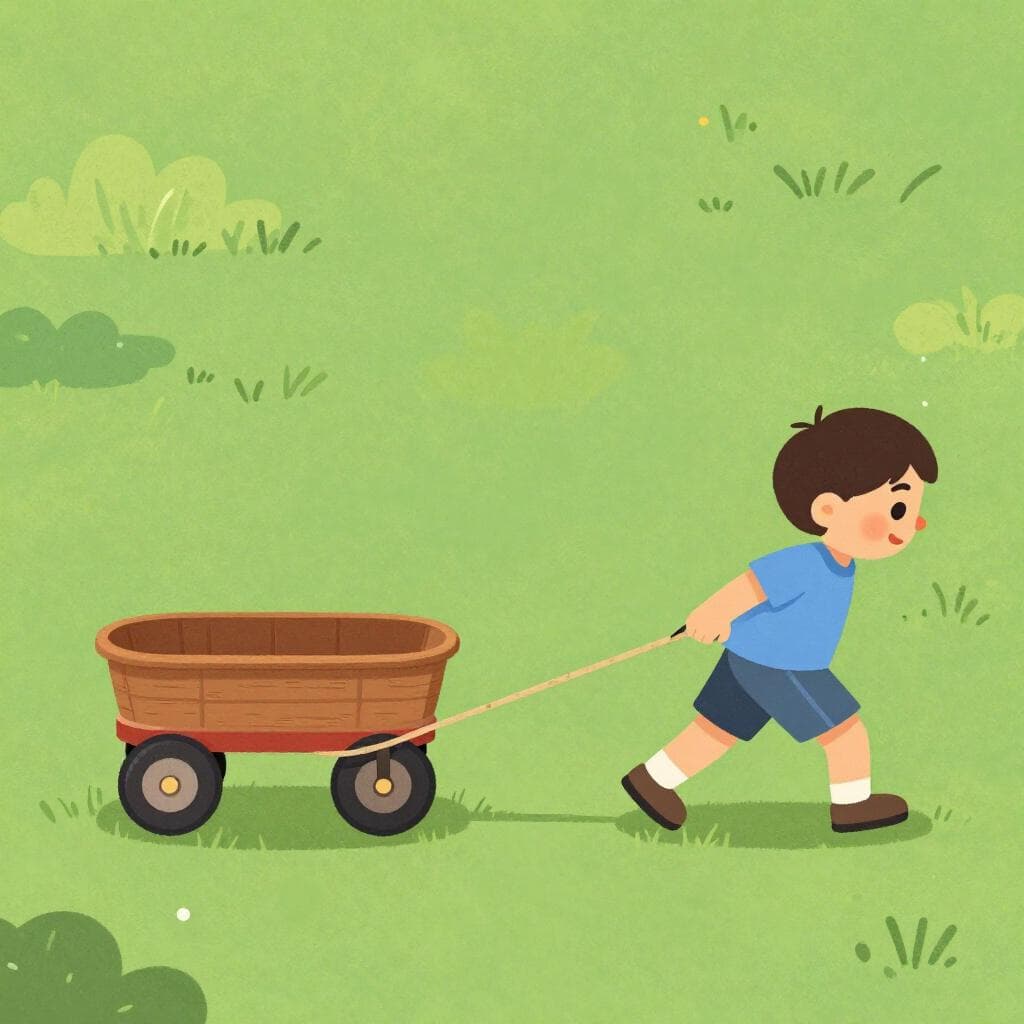

dragging, towing
Also: haulage, trawl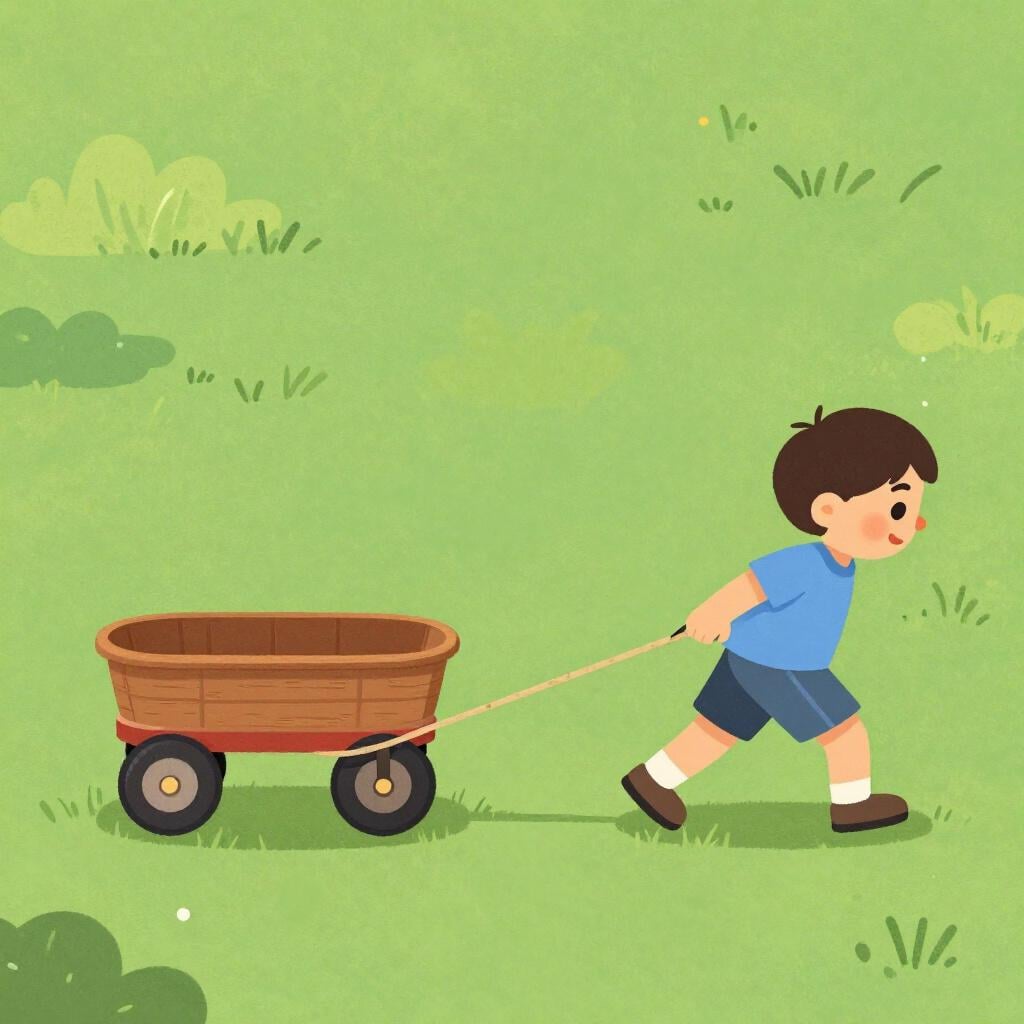
📝 In Action
El arrastre del camión por el barro fue muy difícil.
B2Towing the truck through the mud was very difficult.
La fuerza de arrastre del agua movió las rocas.
B2The dragging force of the water moved the rocks.
Este barco utiliza redes de arrastre para pescar.
C1This boat uses trawl nets for fishing.
pull, attraction
Also: clout
📝 In Action
Ese candidato tiene mucho arrastre entre los jóvenes.
C1That candidate has a lot of pull among young people.
Su carisma le da un gran arrastre electoral.
C1His charisma gives him great electoral appeal.
La marca perdió su arrastre después del escándalo.
C2The brand lost its attraction after the scandal.
Translate to Spanish
✏️ Quick Practice
Quick Quiz: arrastre
Question 1 of 3
Which of these people has 'arrastre'?
📚 More Resources
👥 Word Family▼
📚 Etymology▼
Derived from the Spanish verb 'arrastrar', which comes from 'rastra' (a rake or sledge), ultimately from the Latin 'rastrum' meaning 'an instrument for scraping'.
First recorded: 15th century
Cognates (Related words)
💡 Master Spanish
Take your Spanish to the next level. Read 200+ illustrated and narrated Spanish stories tailored to your level with the Inklingo app!
Frequently Asked Questions
Is 'arrastre' a verb?
Technically, 'arrastre' is also a form of the verb 'arrastrar' (used for 'I', 'he/she/it' in a special form for wishes or possibilities), but it is most commonly used as a noun meaning 'dragging' or 'influence'.
What is the difference between 'arrastre' and 'remolque'?
'Remolque' usually refers specifically to towing a vehicle (like a tow truck), while 'arrastre' is a more general word for dragging anything along the ground or having social pull.
Is it 'el arrastre' or 'la arrastre'?
It is always masculine: 'el arrastre'.