How to Say "passage" in Spanish
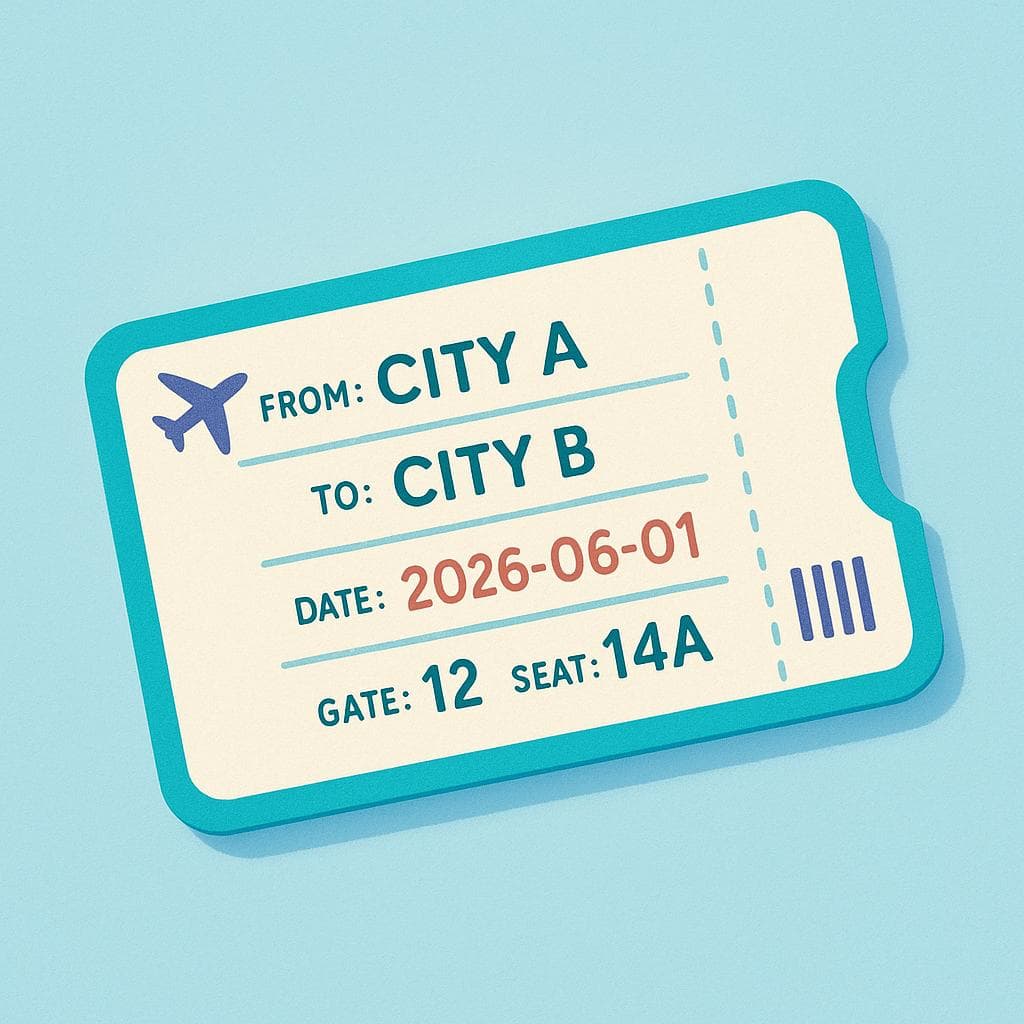
The most common Spanish word for “passage” is “pasaje” — use 'pasaje' for a section of text or music, or historically for a voyage or ticket.


pasaje
pah-SAH-hehpaˈsa.xe
Examples
El profesor nos pidió analizar este pasaje del libro.
The professor asked us to analyze this passage from the book.
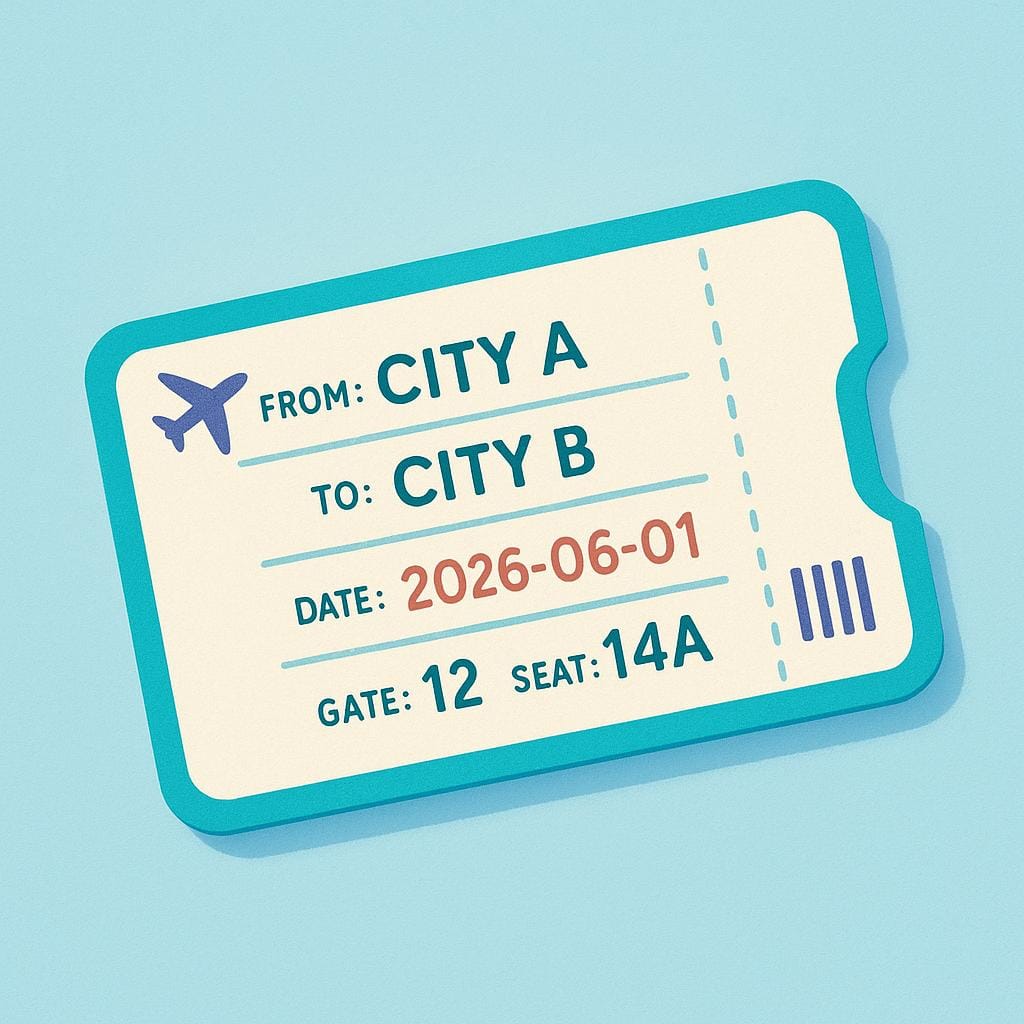
Necesito comprar un pasaje de ida y vuelta a la costa.
I need to buy a round-trip ticket to the coast.
El pasaje de metro es más caro ahora.
The subway fare is more expensive now.
Ese pasaje musical es mi parte favorita de la sinfonía.
That musical passage is my favorite part of the symphony.
Figurative Meaning
This is a figurative meaning—it treats the text itself as a 'passageway' or segment you move through when reading.
Using 'Pasaje' for Events
Mistake: “Compré un pasaje para el concierto.”
Correction: Compré una entrada/un boleto para el concierto. ('Pasaje' is reserved for transport.)
fragmento
frahg-MEHN-tohfɾaɣˈmento

Examples
Leímos un fragmento de 'Don Quijote' en clase.
We read an excerpt from 'Don Quixote' in class.
Escuché un fragmento de su nueva canción en la radio.
I heard a snippet of her new song on the radio.
El documental muestra un fragmento de la entrevista original.
The documentary shows a passage from the original interview.
Describing the excerpt
When describing the type of excerpt, the adjective comes after: 'fragmento seleccionado' (selected excerpt).
Confusing with 'fracción'
Mistake: “Una fracción del libro.”
Correction: Un fragmento del libro. 'Fracción' is mostly used for math or percentages, while 'fragmento' is for content.
párrafo
Examples
El primer párrafo de la noticia es el más importante.
The first paragraph of the news story is the most important.
paso
PAH-sohˈpaso

Examples
El túnel es el único paso entre las dos ciudades.
The tunnel is the only passage between the two cities.
Cerraron el paso de montaña por la nieve.
They closed the mountain pass because of the snow.
El guardia nos bloqueó el paso.
The guard blocked our way.
transición
Examples
Estamos en un periodo de transición en la empresa.
We are in a transition period at the company.
trozo
TROH-sohˈtɾoso
Examples
Me encanta ese trozo de la canción.
I love that section of the song.
El profesor leyó un trozo del Quijote.
The professor read a passage from Don Quixote.
Solo recuerdo un pequeño trozo de nuestra conversación.
I only remember a small bit of our conversation.
tránsito
Examples
Estamos en la zona de tránsito del aeropuerto.
We are in the airport's transit area.
Pasaje vs. Fragmento vs. Párrafo
Learn Spanish with Inklingo
Interactive stories, personalized learning, and more.