How to Say "section" in Spanish
The most common Spanish word for “section” is “sección” — use this general term for a part of a whole like a book, document, or road, often found in newspapers or organized spaces.





sección
Examples
Busquemos la información en la sección de deportes del periódico.
Let's look for the information in the sports section of the newspaper.
departamento
de-par-ta-MEN-todepaɾta'mento

Examples
Trabajo en el departamento de marketing.
I work in the marketing department.
Si tienes una pregunta, llama al departamento de servicio al cliente.
If you have a question, call the customer service department.
La universidad tiene un excelente departamento de historia.
The university has an excellent history department.
Connecting with 'de'
To say what kind of department it is, you connect it with the word 'de'. For example, 'departamento de ventas' (department of sales) or 'departamento de historia' (department of history).
zona
SO-naˈsona
Examples
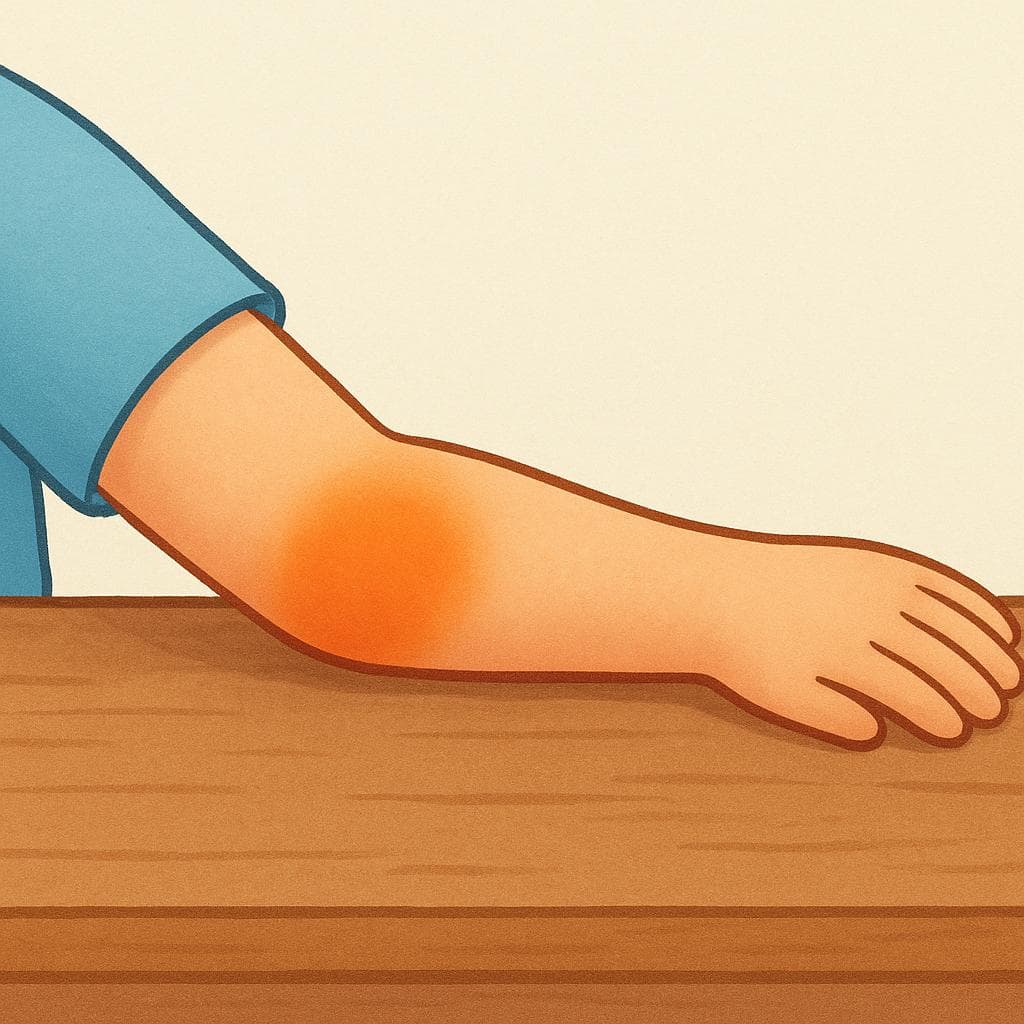
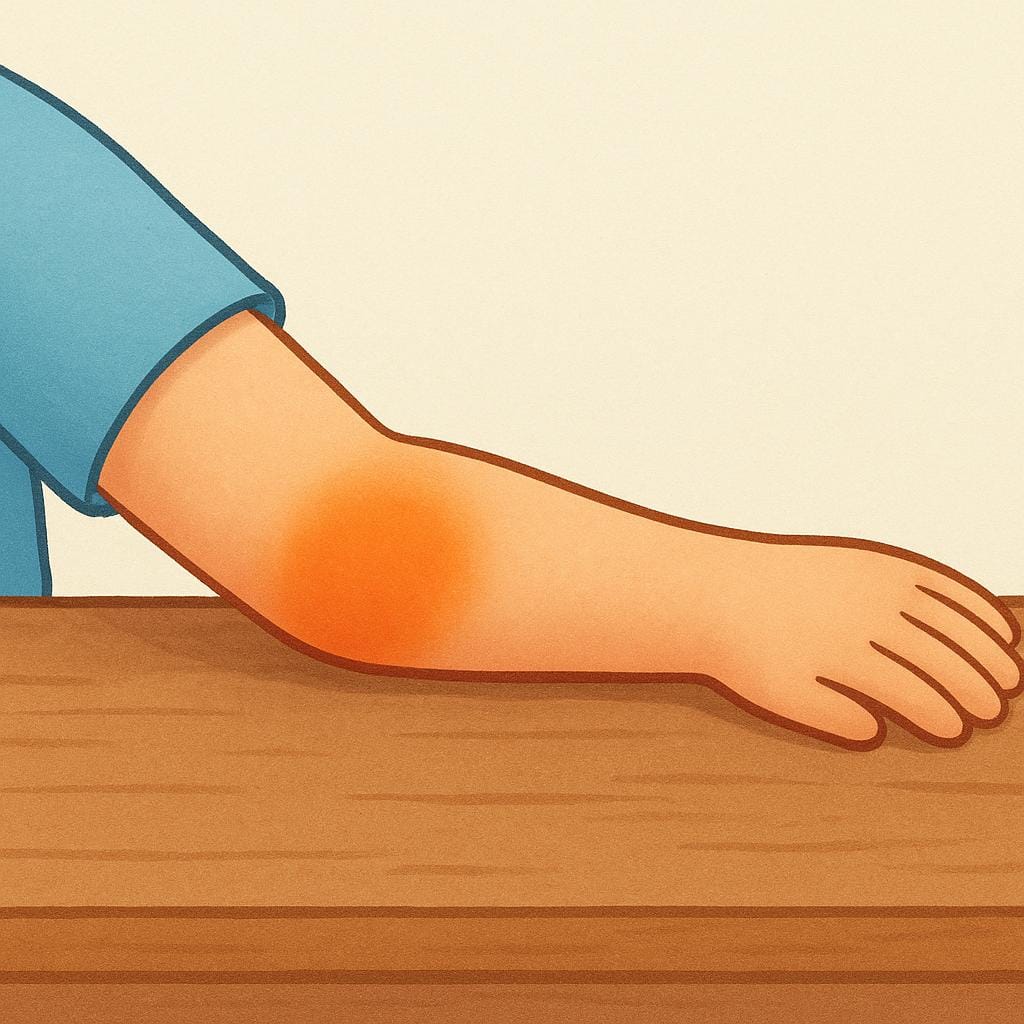
Me duele la zona lumbar de la espalda.
The lumbar region of my back hurts.
El portero no puede tocar el balón fuera de su zona.
The goalkeeper can't touch the ball outside of his area.
Por favor, limpia la zona afectada con agua y jabón.
Please, clean the affected area with soap and water.
tramo
TRAH-mohˈtɾamo

Examples
Este tramo de la carretera tiene muchas curvas.
This stretch of the highway has many curves.
Estamos en el tramo final del viaje.
We are on the final leg of the trip.
Han cerrado un tramo del río por contaminación.
They have closed a section of the river due to pollution.
Using 'de' with tramo
To specify what kind of stretch you are talking about, just add 'de' followed by the object, like 'tramo de camino' (stretch of path).
Tramo vs. Camino
Mistake: “Using 'tramo' to mean the whole road.”
Correction: Use 'tramo' for a specific part of the road, and 'camino' or 'carretera' for the entire thing.
apartado
ah-par-TAH-dohapaɾˈtaðo
Examples
Debes leer el apartado segundo del contrato antes de firmar.
You must read the second section of the contract before signing.
En este apartado, explicamos los resultados del estudio.
In this section, we explain the results of the study.
Mira el apartado de 'notas adicionales' al final.
Look at the 'additional notes' section at the end.
Use for Numbers
Spanish uses this word for points in a list (1, 2, 3) where English might just say 'point' or 'item'.
Apartado vs. Párrafo
Mistake: “Using 'apartado' for a standard block of text in a story.”
Correction: Use 'párrafo' for normal writing and 'apartado' for specific numbered sections in formal papers.
ala
ah-lahˈala

Examples
Tuvimos que ir a la nueva ala de la biblioteca.
We had to go to the new wing of the library.
El hospital inauguró el ala de pediatría el mes pasado.
The hospital inaugurated the pediatrics wing last month.
brazo
BRAH-sohˈbɾaθo

Examples
Este brazo del río es muy profundo.
This branch of the river is very deep.
El robot tiene un brazo mecánico para levantar objetos pesados.
The robot has a mechanical arm for lifting heavy objects.
El arquitecto diseñó un nuevo brazo para el edificio principal.
The architect designed a new wing (or section) for the main building.
segmento
seg-MEN-tohseɡˈmento
Examples
En la clase de geometría, dibujamos un segmento de cinco centímetros.
In geometry class, we drew a five-centimeter segment.
El cuerpo de algunos insectos está dividido en varios segmentos.
The body of some insects is divided into several segments.
Este segmento de la carretera está en muy mal estado.
This section of the highway is in very bad condition.
It's a regular 'O' noun
Since it ends in 'o', it is masculine ('el segmento') and follows the usual rule of adding an 's' for plural ('los segmentos').
Precision over Generalization
Use 'segmento' when you want to sound more precise or technical. If you are just talking about a 'piece' of bread or a 'part' of a movie in casual talk, 'trozo' or 'parte' are more common.
Segmento vs. Gajo
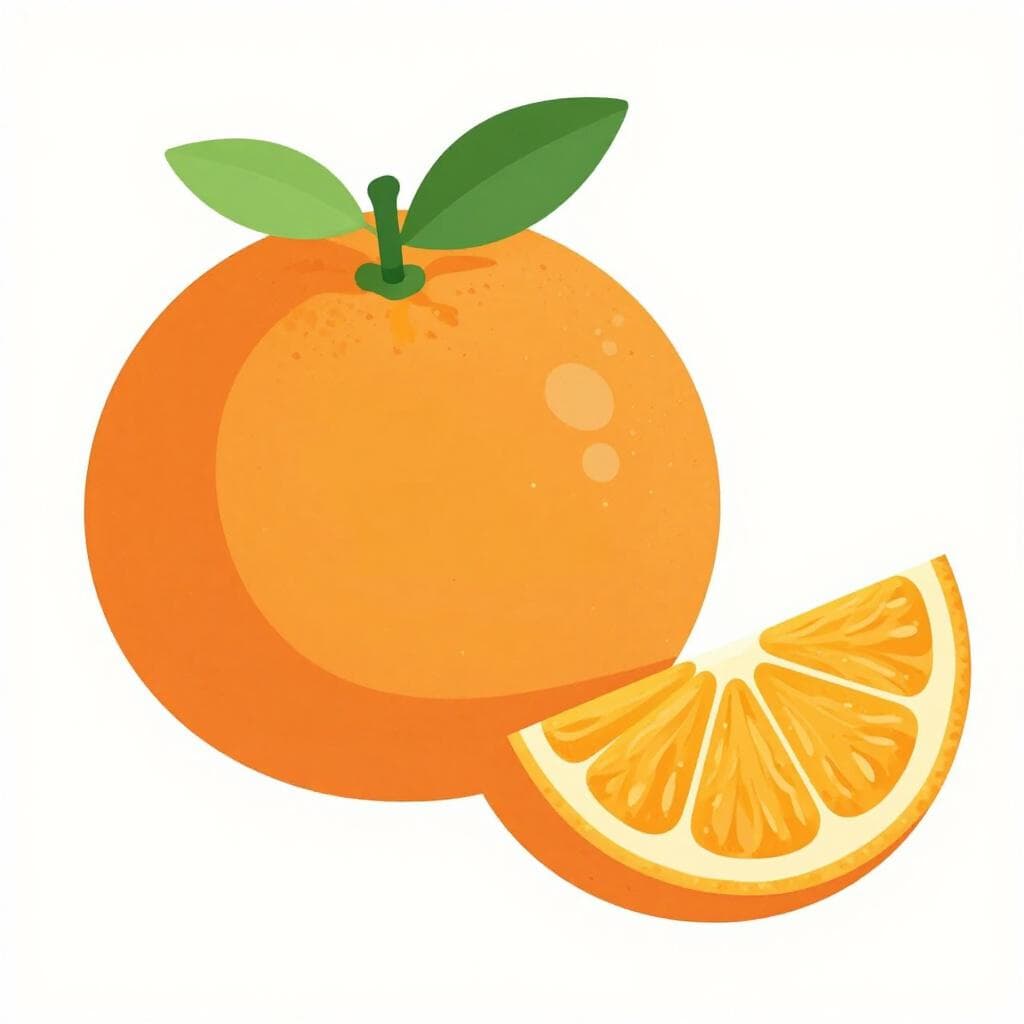
Mistake: “Using 'segmento' for a slice of an orange in a casual kitchen setting.”
Correction: Use 'gajo' for fruit slices. Use 'segmento' only if you are speaking in a scientific or botanical context.
trozo
TROH-sohˈtɾoso

Examples
Me encanta ese trozo de la canción.
I love that section of the song.
El profesor leyó un trozo del Quijote.
The professor read a passage from Don Quixote.
Solo recuerdo un pequeño trozo de nuestra conversación.
I only remember a small bit of our conversation.
párrafo
Examples
El primer párrafo de la noticia es el más importante.
The first paragraph of the news story is the most important.
General vs. Specific Sections
Related Translations
Learn Spanish with Inklingo
Interactive stories, personalized learning, and more.