How to Say "slice" in Spanish
The most common Spanish word for “slice” is “porción” — use this when referring to a serving of food, especially pizza, cake, or pie.





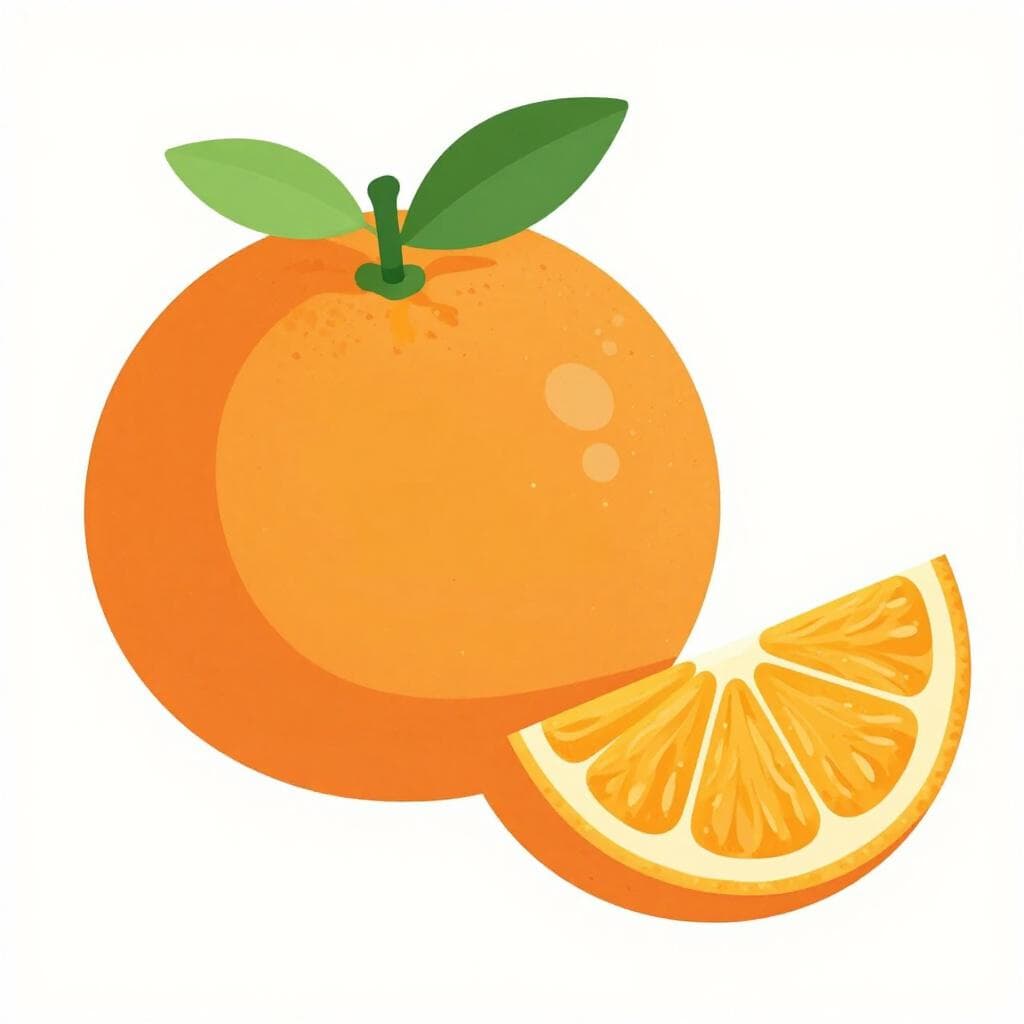


porción
Examples
Quiero una porción de pizza de pepperoni.
I want a slice of pepperoni pizza.
trozo
TROH-sohˈtɾoso

Examples
Dame un trozo de pan, por favor.
Give me a piece of bread, please.
Encontré un trozo de vidrio en el suelo.
I found a piece of glass on the floor.
Necesitamos un trozo de cuerda más largo.
We need a longer piece of rope.
Masculine Noun
Remember that 'trozo' is always masculine, so you must use the masculine articles: 'el trozo' (the piece) or 'un trozo' (a piece).
Using 'la' instead of 'el'
Mistake: “La trozo de queso es grande.”
Correction: El trozo de queso es grande. (Even though it ends in 'o', it's easy to forget the gender, but always use 'el'.)
filete
fee-LEH-tehfiˈlete

Examples
He comprado cuatro filetes de ternera para la cena.
I bought four beef steaks for dinner.
¿Prefieres un filete de pescado o de pollo?
Do you prefer a fish fillet or a chicken breast?
El carnicero cortó el filete muy fino.
The butcher cut the steak very thin.
Using 'de' with filete
When you want to say what kind of meat or fish it is, always use 'de' (of). For example: 'filete de merluza' (hake fillet).
Filete vs. Bistec
Mistake: “Using 'bistec' for fish.”
Correction: Use 'filete' for both meat and fish; 'bistec' is only for beef.
pedacito
peh-dah-SEE-tohpeðaˈsito

Examples
¿Me das un pedacito de chocolate?
Can you give me a small piece of chocolate?
Solo necesito un pedacito de papel para escribir el número.
I only need a little scrap of paper to write the number.
Ella guarda cada pedacito de recuerdo de su viaje.
She keeps every little bit of memory from her trip.
The 'Smallness' Ending
This word comes from 'pedazo' (piece). By adding '-ito' to the end, Spanish speakers make the word sound smaller, cuter, or more polite.
Spelling Change
Notice that the 'z' in 'pedazo' changes to a 'c' in 'pedacito'. In Spanish, 'z' usually turns into 'c' before the letter 'i' to keep the same soft sound.
Using it for liquids
Mistake: “Un pedacito de agua.”
Correction: Un poquito de agua.
raja
RAH-hahˈra.xa

Examples
¿Quieres una raja de sandía?
Do you want a slice of watermelon?
Corta el melón en rajas finas.
Cut the melon into thin slices.
Me comí una raja de pastel.
I ate a slice of cake.
Using 'La' and 'Una'
This word is feminine, so always use 'la raja' or 'una raja' when talking about a slice.
Slice of Bread vs. Fruit
Mistake: “Using 'raja' for bread.”
Correction: Use 'rebanada' for bread and 'raja' for fruit like watermelon or lime.
corte
KOR-tehˈkoɾ.te

Examples
Me hice un corte en el dedo con un papel.
I got a paper cut on my finger.
Necesito un corte de pelo nuevo.
I need a new haircut.
Hubo un corte de luz en todo el barrio.
There was a power outage in the whole neighborhood.
segmento
seg-MEN-tohseɡˈmento
Examples
En la clase de geometría, dibujamos un segmento de cinco centímetros.
In geometry class, we drew a five-centimeter segment.
El cuerpo de algunos insectos está dividido en varios segmentos.
The body of some insects is divided into several segments.
Este segmento de la carretera está en muy mal estado.
This section of the highway is in very bad condition.
It's a regular 'O' noun
Since it ends in 'o', it is masculine ('el segmento') and follows the usual rule of adding an 's' for plural ('los segmentos').
Precision over Generalization
Use 'segmento' when you want to sound more precise or technical. If you are just talking about a 'piece' of bread or a 'part' of a movie in casual talk, 'trozo' or 'parte' are more common.
Segmento vs. Gajo
Mistake: “Using 'segmento' for a slice of an orange in a casual kitchen setting.”
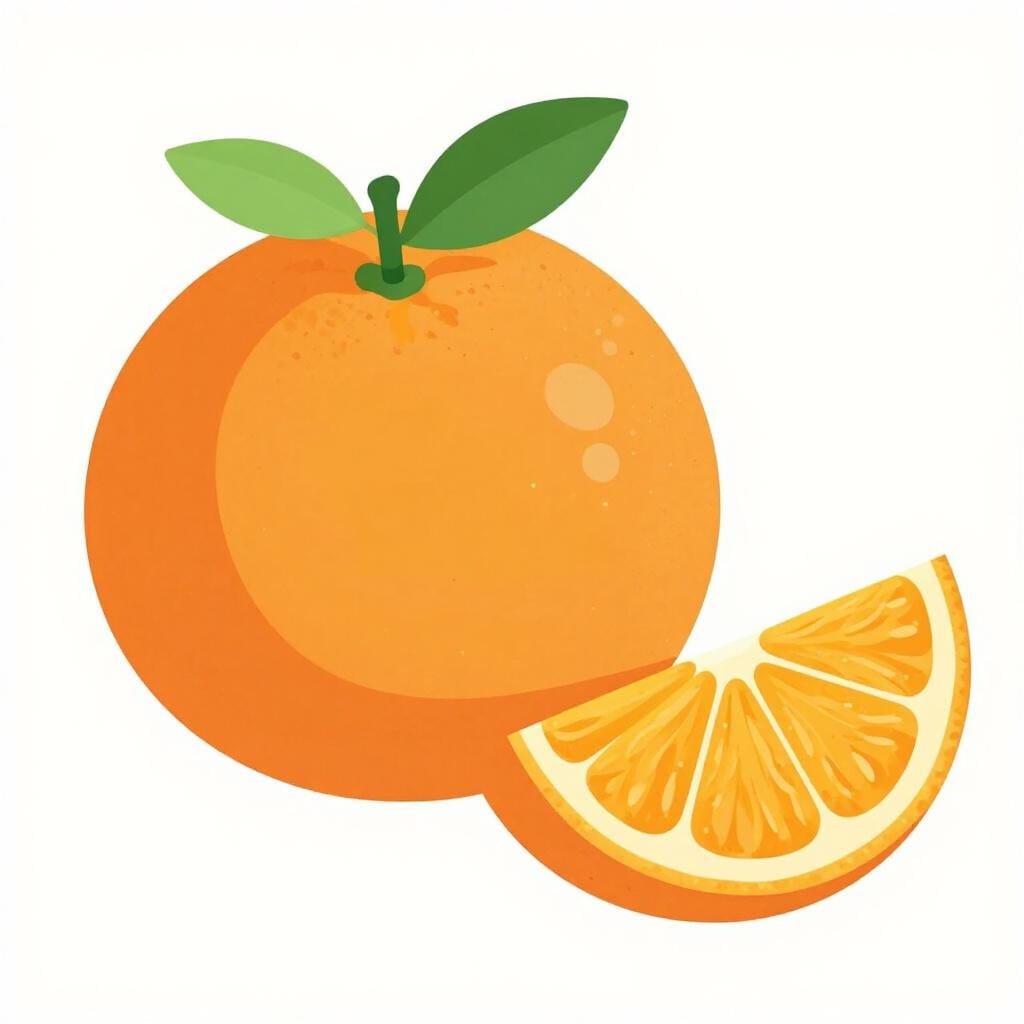
Correction: Use 'gajo' for fruit slices. Use 'segmento' only if you are speaking in a scientific or botanical context.
tramo
TRAH-mohˈtɾamo

Examples
Mi salario entró en el tramo impositivo más alto.
My salary fell into the highest tax bracket.
El primer tramo de edad para la vacuna empieza mañana.
The first age bracket for the vaccine starts tomorrow.
Debemos analizar el tramo de ingresos de los clientes.
We must analyze the customers' income range.
Abstract Slices
In this context, 'tramo' works exactly like a physical stretch, but applied to numbers or levels.
Bracket vs. Parenthesis
Mistake: “Using 'tramo' for punctuation marks [ ].”
Correction: For punctuation, use 'corchete'. 'Tramo' is only for ranges or levels of things like money or age.
parcela
par-SEH-lahpaɾˈθela

Examples
No quiero que nadie invada mi parcela de intimidad.
I don't want anyone to invade my portion of privacy.
Él controla una gran parcela del mercado tecnológico.
He controls a large segment of the tech market.
Cada departamento tiene su propia parcela de responsabilidad.
Each department has its own portion of responsibility.
Abstract Use
In this sense, the word describes a 'metaphorical' space. It acts just like the word 'area' or 'field' in English.
Food vs. Non-Food Slices
Learn Spanish with Inklingo
Interactive stories, personalized learning, and more.