How to Say "odd" in Spanish
The most common Spanish word for “odd” is “raro” — use 'raro' for a general sense of something being strange, unusual, or not normal, without a specific context.

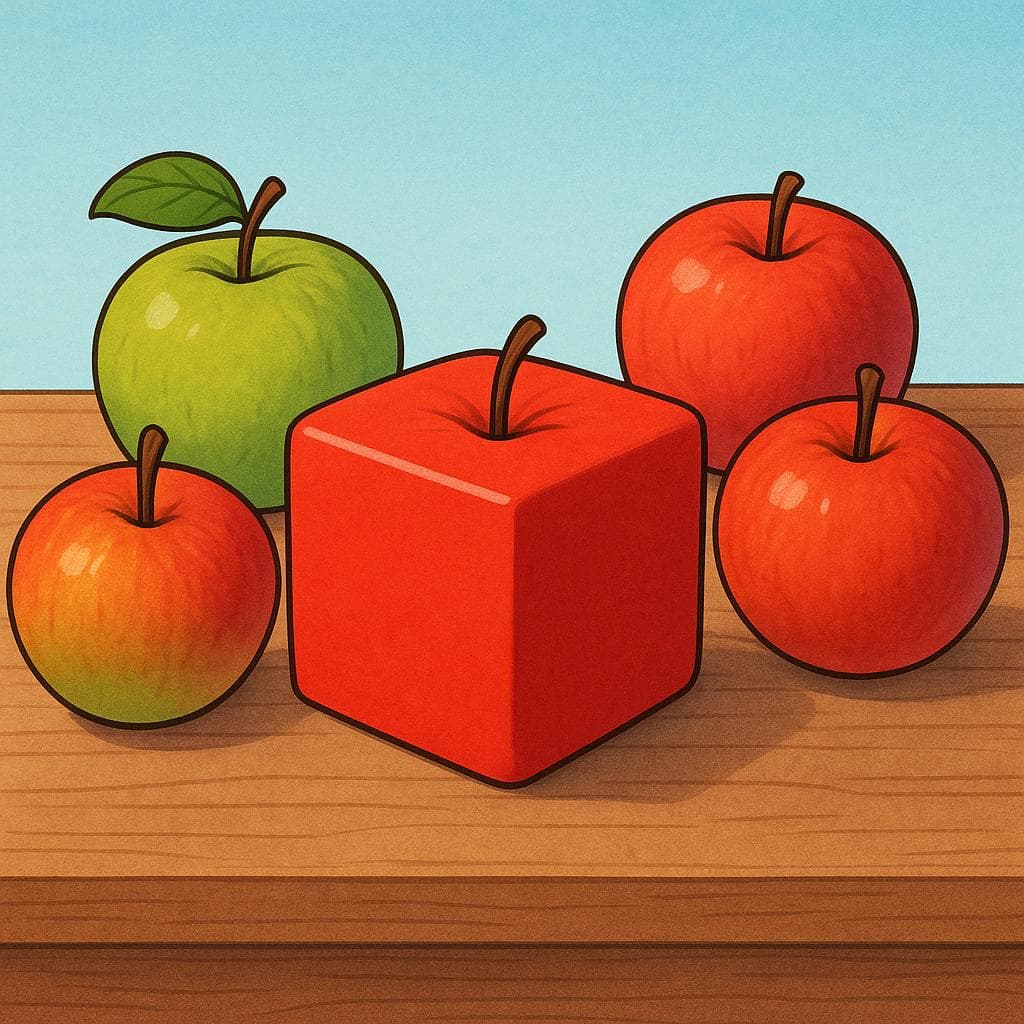






raro
RRA-rohˈra.ɾo

Examples
Tuve un sueño muy raro anoche.
I had a very strange/odd dream last night.
Mi vecino es un tipo un poco raro, casi nunca habla.
My neighbor is a bit of a weird guy, he almost never speaks.
¡Qué raro! Pensé que había dejado mis llaves aquí.
How strange! I thought I had left my keys here.
Matching the Noun
Like most describing words in Spanish, 'raro' changes to match the person or thing it describes. Use 'raro' for masculine things, 'rara' for feminine, 'raros' for masculine plural, and 'raras' for feminine plural. (e.g., 'un libro raro', 'una película rara').
Ser vs. Estar: Is it a trait or a temporary state?
Use 'ser raro' to say someone or something has a strange personality or nature (it's who they are). Use 'estar raro' to say someone is acting strangely right now (it's how they are).
Steak that's 'Rare'
Mistake: “Quiero mi bistec raro, por favor.”
Correction: This sounds like you want a 'strange steak'! To say you want meat that's not cooked much, use 'poco hecho'. For example: 'Quiero mi bistec poco hecho, por favor.'
extraño
Examples
Vi algo extraño en el cielo anoche.
I saw something strange/odd in the sky last night.
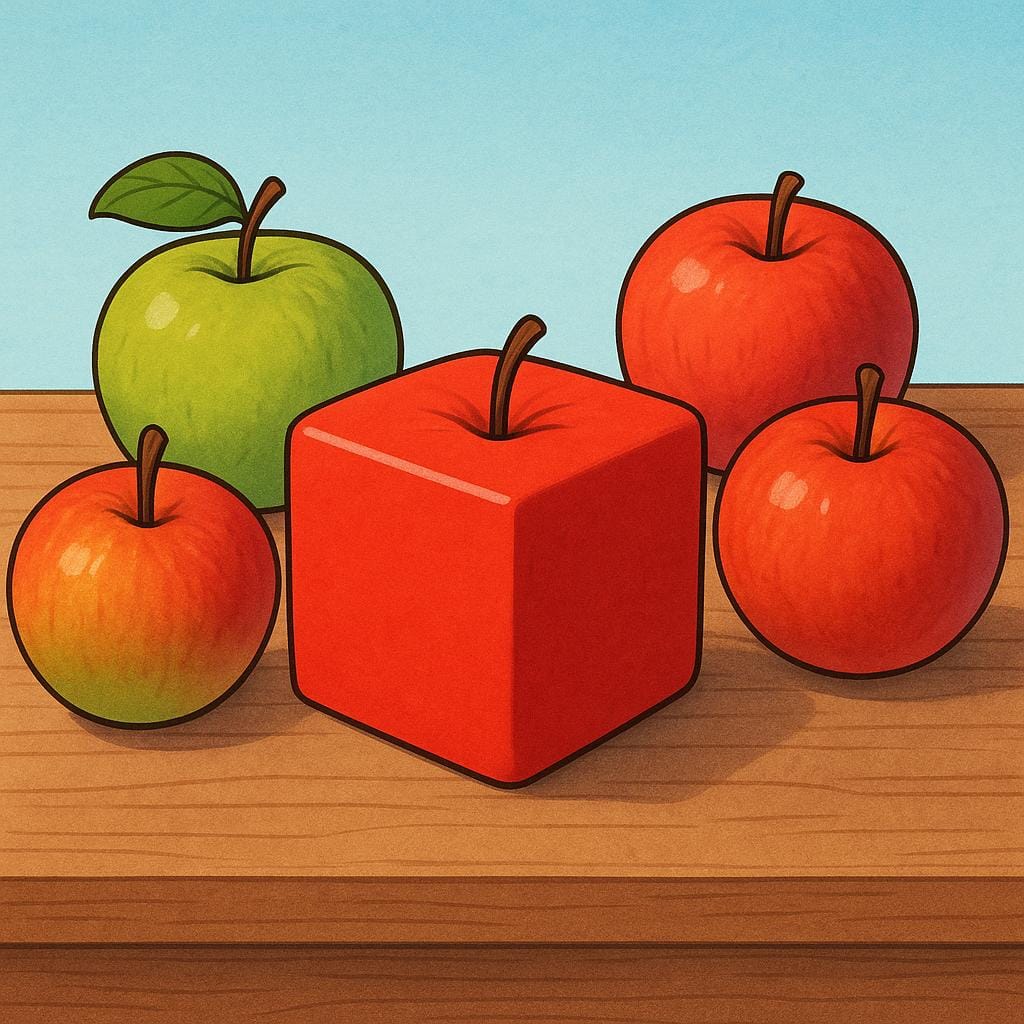
curioso
koo-ree-OH-sokuˈɾjo.so
Examples
Es curioso que nos encontremos aquí, ¡es la tercera vez esta semana!
It's strange/odd that we run into each other here, it's the third time this week!
Había un ruido curioso en el motor del coche.
There was a strange noise in the car engine.
Me pasó una cosa curiosa ayer en el supermercado.
A peculiar thing happened to me yesterday at the supermarket.
Curious vs. Strange
When 'curioso' describes a situation or event (like 'it's strange that...'), it means unusual or surprising, not inquisitive.
Using 'Funny' for Humor
Mistake: “El chiste fue muy curioso.”
Correction: Use 'gracioso' or 'divertido' for something that makes you laugh. 'Curioso' implies strange, not humorous.
excéntrico
Examples
Mi tío es un hombre muy excéntrico; siempre usa paraguas aunque no llueva.
My uncle is a very eccentric man; he always uses an umbrella even if it's not raining.
singular
seen-goo-LARsiŋɡuˈlaɾ

Examples
Ella tiene un talento singular para la pintura.
She has a unique/odd talent for painting.
Fue un suceso singular que nadie pudo explicar.
It was an extraordinary event that no one could explain.
Es una persona de una belleza singular.
She is a person of remarkable beauty.
One word for both genders
This word stays the same whether you are describing a masculine or feminine thing. You say 'un niño singular' and 'una niña singular'.
Placement for emphasis
When you put 'singular' after a noun, it usually means 'unique' or 'special.' If you were to put it before (less common), it sounds very poetic.
Don't add an 'a' for feminine
Mistake: “una idea singulara”
Correction: una idea singular. Words ending in -ar don't change to -a for feminine things.
chistoso
chees-TOH-sohtʃisˈtoso

Examples
Qué chistoso, no encuentro mis llaves donde las dejé.
How strange/odd, I can't find my keys where I left them.
Ese ruido suena muy chistoso, ¿no crees?
That noise sounds very weird, don't you think?
Using 'Qué'
In this sense, it is almost always used with 'Qué' to mean 'How strange!' or 'That's weird!'
Tone Matters
Mistake: “Using a laughing tone when you mean 'strange'.”
Correction: Use a puzzled facial expression to clarify you mean 'weird' rather than 'humorous'.
pintoresco
peen-toh-REHS-kohpintoˈɾesko

Examples
Mi abuelo es un hombre muy pintoresco.
My grandfather is a very quirky/odd man.
Contó una anécdota pintoresca sobre su viaje.
He told a colorful anecdote about his trip.
Describing Personalities
When used for people, this word describes their behavior or appearance as unique and interesting, rather than just their physical beauty.
Slightly Ironic Usage
Mistake: “Using it as a pure insult.”
Correction: Be careful; calling someone 'pintoresco' can sometimes be a polite way of saying they are weird. Context matters!
extravagante
eks-tra-ba-GAN-tehekstɾaβaˈɡante

Examples
Mi tía tiene un estilo muy extravagante y siempre usa pelucas de colores.
My aunt has a very quirky/odd style and always wears colorful wigs.
Ese edificio tiene una arquitectura extravagante que no le gusta a todo el mundo.
That building has some eccentric architecture that not everyone likes.
Fue una fiesta extravagante con decoraciones de oro y animales exóticos.
It was a flamboyant party with gold decorations and exotic animals.
One word for everyone
This word ends in -e, which means it doesn't change for gender. You can use it for a man (un hombre extravagante) or a woman (una mujer extravagante) without changing the ending.
Placement for emphasis
If you put this word after the person or thing you are describing, you are focusing on that specific trait. For example, 'un vestido extravagante' highlights that the dress is particularly unusual.
The 'Expensive' Trap
Mistake: “Using 'extravagante' to mean 'expensive' like in some English contexts.”
Correction: In Spanish, 'extravagante' is about style or behavior being weird or showy. If you want to say something costs a lot of money, use 'caro' or 'costoso'.
Avoid 'Extravaganta'
Mistake: “Saying 'una chica extravaganta'.”
Correction: Even though 'chica' is feminine, the word 'extravagante' stays the same. Always use the -e ending.
non
nohnnon

Examples
El número cinco es un número non.
The number five is an odd number.
Vivimos en el lado de la calle con los números nones.
We live on the side of the street with the odd numbers.
En este juego, si sale un resultado non, tú pierdes.
In this game, if an odd result comes up, you lose.
Odd vs. Even
Just like in English we have 'even' and 'odd,' Spanish uses 'par' and 'non' (or 'impar'). Use 'non' specifically when you want to say a number cannot be split into two equal whole parts.
Plural Form
To make 'non' plural, you add '-es' to get 'nones.' This is a common pattern for Spanish words that end in a consonant.
Non vs. No
Mistake: “Using 'non' to say 'no' in modern conversation.”
Correction: Use 'no' for everyday negation. 'Non' is almost strictly for numbers in modern Spanish.
pico
PEE-kohˈpiko

Examples
La cuenta es de cien euros y pico.
The bill is a hundred euros and a bit more/odd.
Tiene veinticinco años y pico.
He is twenty-five years old and a little over.
Using 'y pico'
This phrase always follows a round number to indicate a small, unspecified amount that exceeds it. It means 'and a little extra.'
General Unusual vs. Specific Meanings
Learn Spanish with Inklingo
Interactive stories, personalized learning, and more.