How to Say "plain" in Spanish
The most common Spanish word for “plain” is “simple” — use this when 'plain' means not decorated, elaborate, or complicated, often referring to instructions, designs, or concepts.


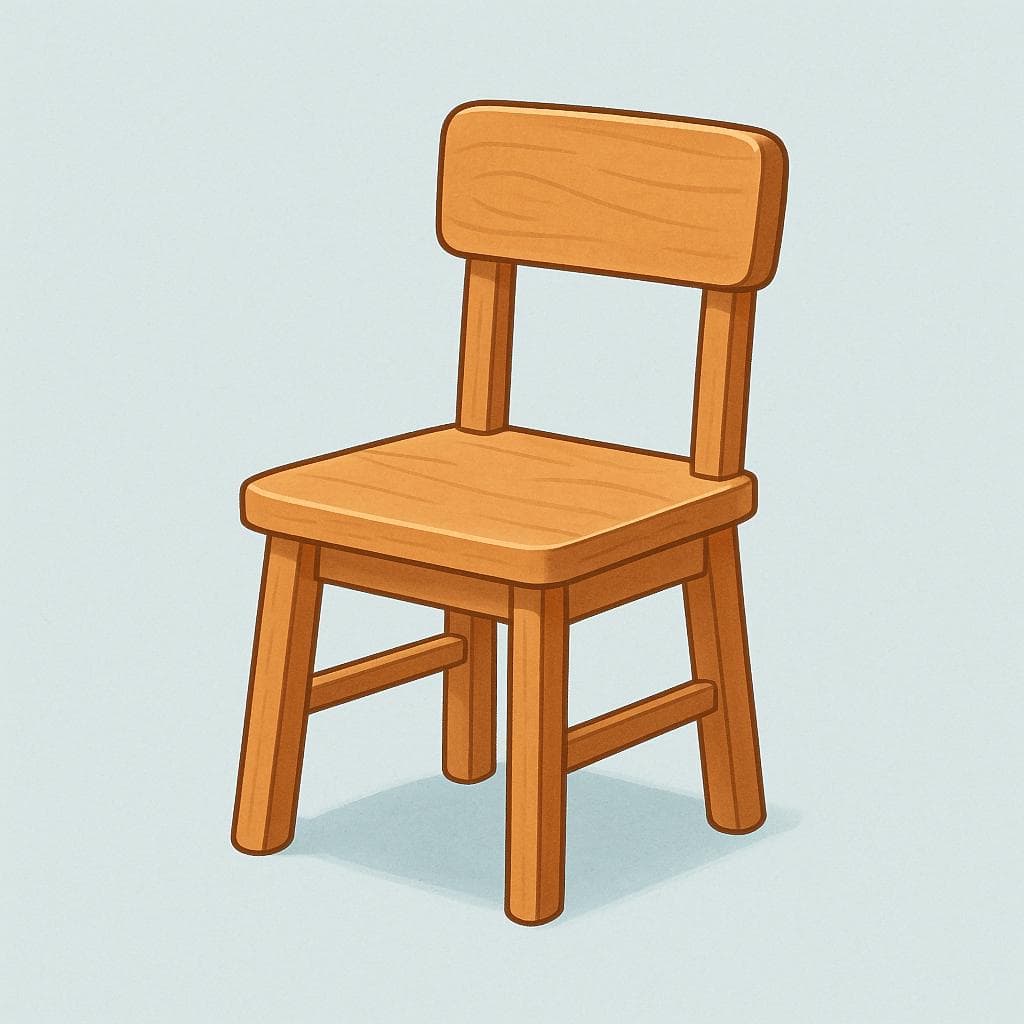


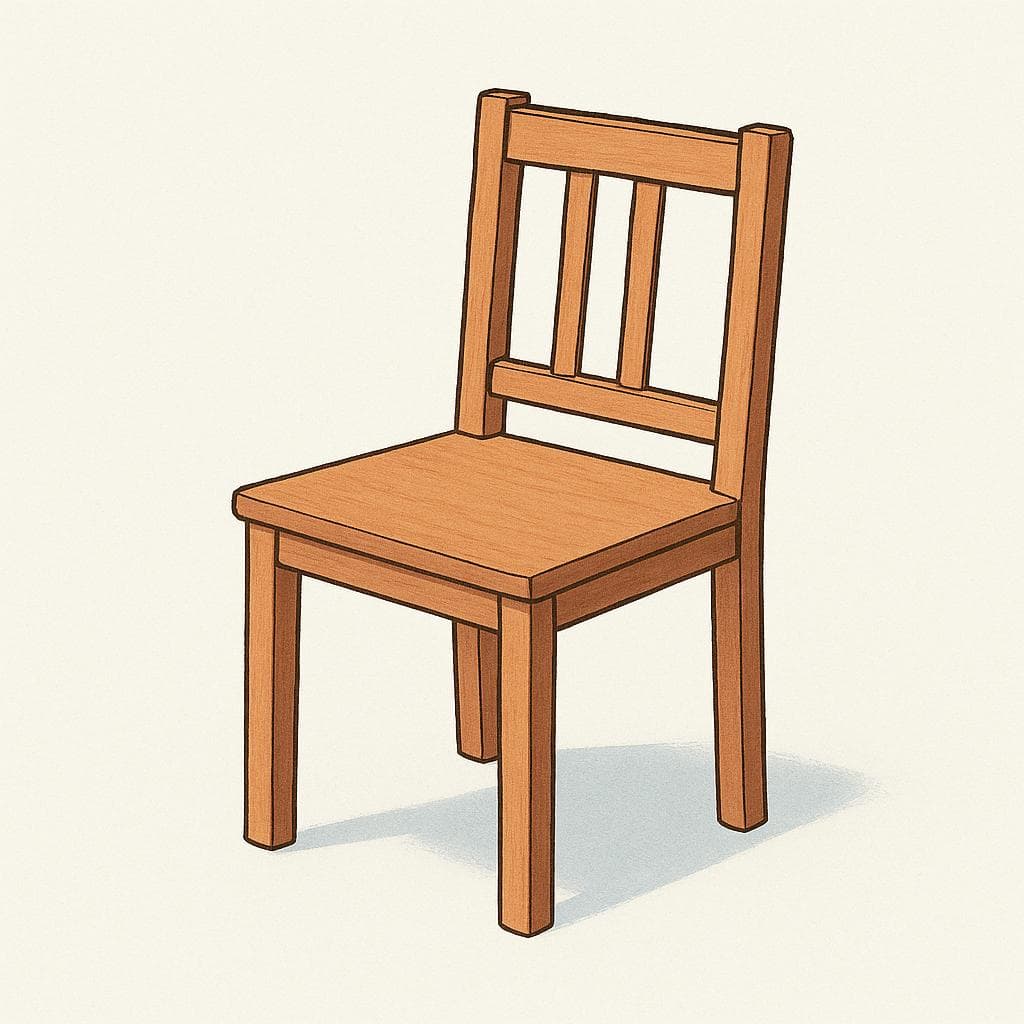
simple
seem-pleh'simple

Examples
Las instrucciones son muy simples.
The instructions are very simple.
Es una solución simple a un problema complicado.
It's a simple solution to a complicated problem.
Me gusta la decoración simple, sin muchos colores.
I like plain decor, without a lot of colors.
One Form for Masculine and Feminine
Good news! simple doesn't change its ending for masculine or feminine things. It's un problema simple (a masculine problem) and una solución simple (a feminine solution). You just add an 's' for plural: simples.
Describing People
Mistake: “Calling a person `simple` can sometimes be misunderstood.”
Correction: While `una persona simple` can mean 'a humble, down-to-earth person', it can also sometimes mean 'a simple-minded person'. The word `sencillo/a` is often a safer and more positive choice to describe a person's personality as 'simple' or 'unpretentious'.
básico
Examples
El apartamento es muy básico, solo tiene una cama y una mesa.
The apartment is very basic/simple; it only has a bed and a table.
claro
KLAH-rohˈkla.ɾo

Examples
Sus instrucciones fueron muy claras.
Her instructions were very clear.
Es claro que no estudió para el examen.
It's obvious that he didn't study for the exam.
¿Lo tienes claro?
Is it clear to you? / Do you get it?
Using 'Ser' vs. 'Estar'
Use 'ser' for things that are naturally clear ('La idea es clara'). Use 'estar' when something becomes clear or is clear at a specific moment ('Ahora todo está claro').
sencillo
sen-SEE-yohsenˈθiʎo
Examples
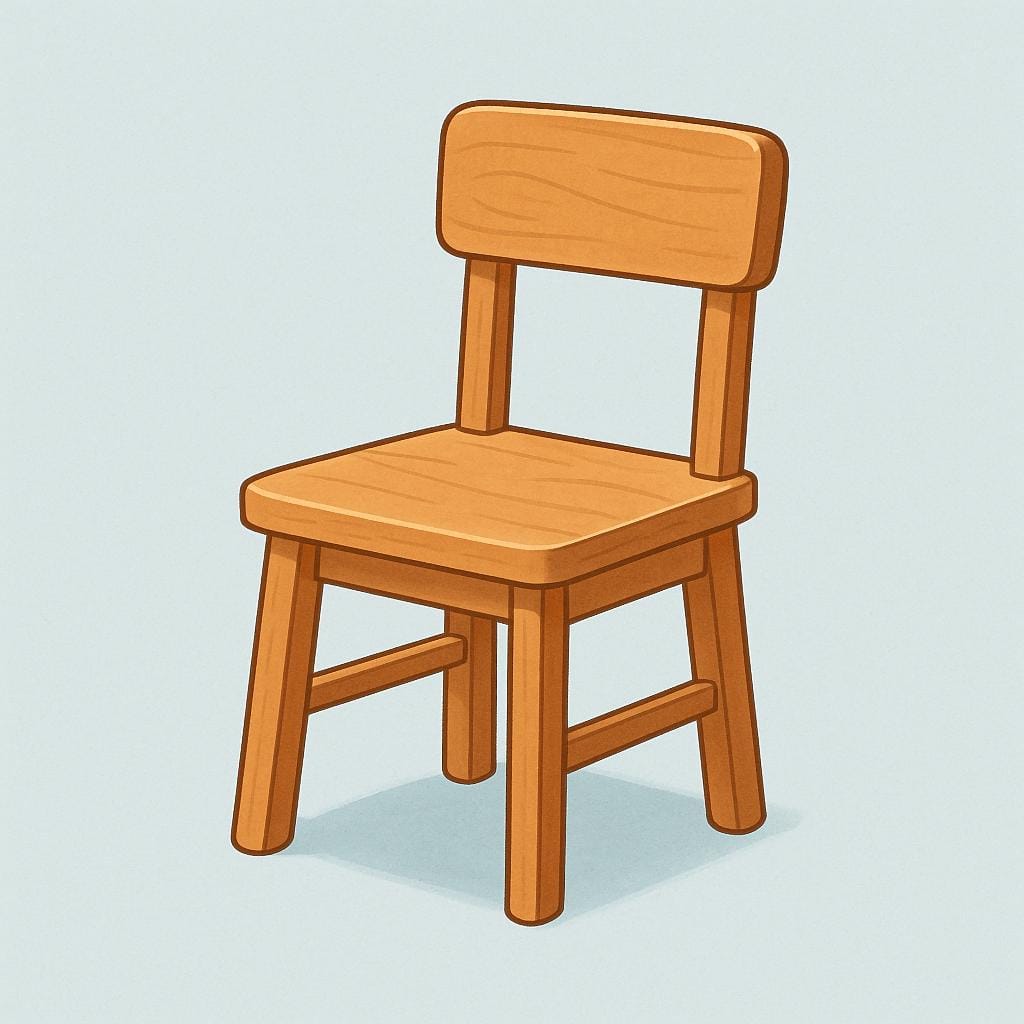
A pesar de su fama, el actor lleva una vida muy sencilla.
Despite his fame, the actor leads a very modest life.
Me gusta la decoración sencilla de su casa, sin muchos adornos.
I like the plain decoration of her house, without many ornaments.
llano
yah-noˈʝano

Examples
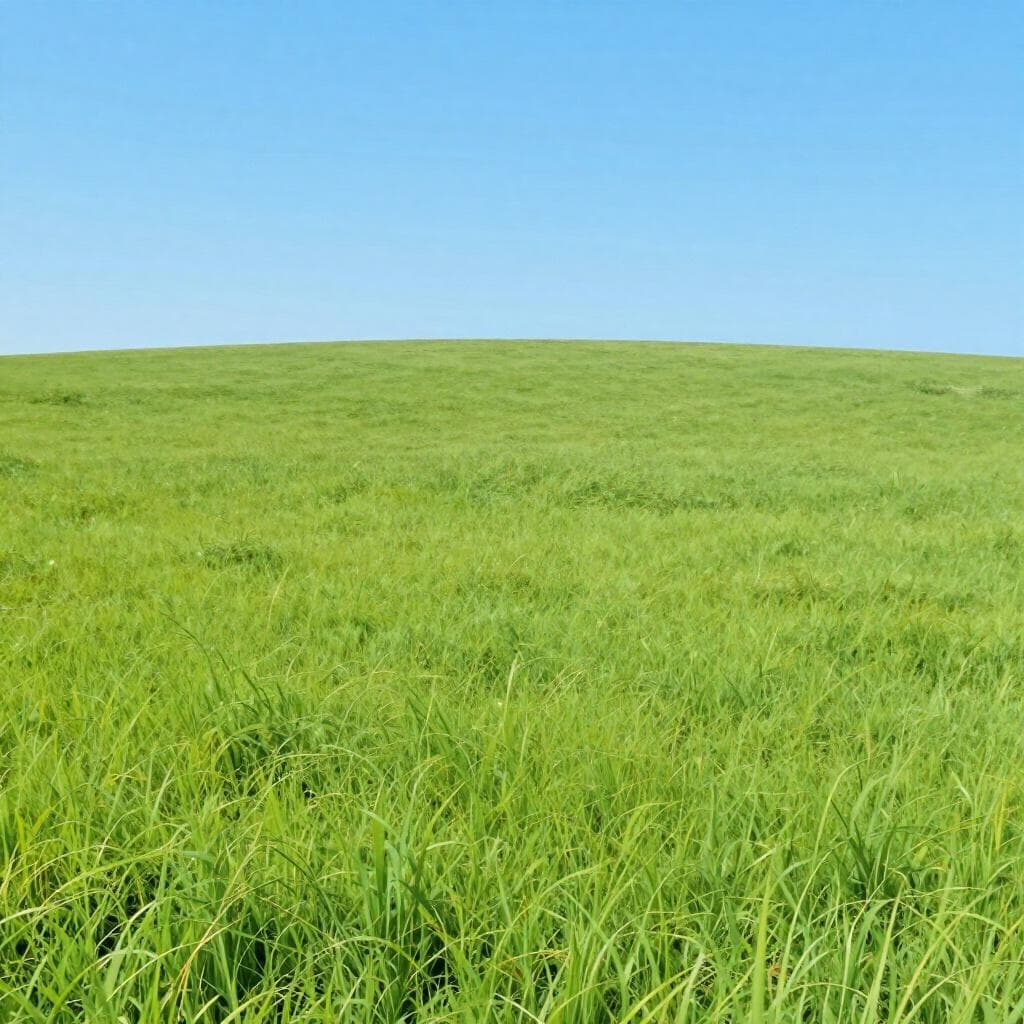
Cabalgaron durante horas por el llano.
They rode for hours across the plain.
El llano se extendía hasta donde alcanzaba la vista.
The plain stretched as far as the eye could see.
En el llano, el viento sopla con mucha fuerza.
On the flatlands, the wind blows very strongly.
Nouns vs. Adjectives
When used as a place (noun), it is always 'el llano'. When used as a description (adjective), it changes based on the thing it describes.
llanura
ya-noo-rahʝaˈnuɾa

Examples
Las vacas pastan en la llanura.
The cows graze on the plain.
Desde la cima de la colina, se puede ver la inmensa llanura.
From the top of the hill, you can see the immense plain.
El tren atravesó la llanura central durante toda la noche.
The train crossed the central flatlands all through the night.
Always Feminine
Llanura ends in -a and is a feminine word. You should always use 'la' or 'una' with it.
Describing the Land
When describing a llanura, adjectives like 'vasta' (vast) or 'interminable' (endless) usually come after the word.
Confusing with 'Llano'
Mistake: “El llanura es grande.”
Correction: La llanura es grande. 'Llanura' is a noun (a thing), while 'llano' is usually an adjective (a description) or a slightly different type of flat ground.
sobrio
so-brioˈso.βɾjo
Examples
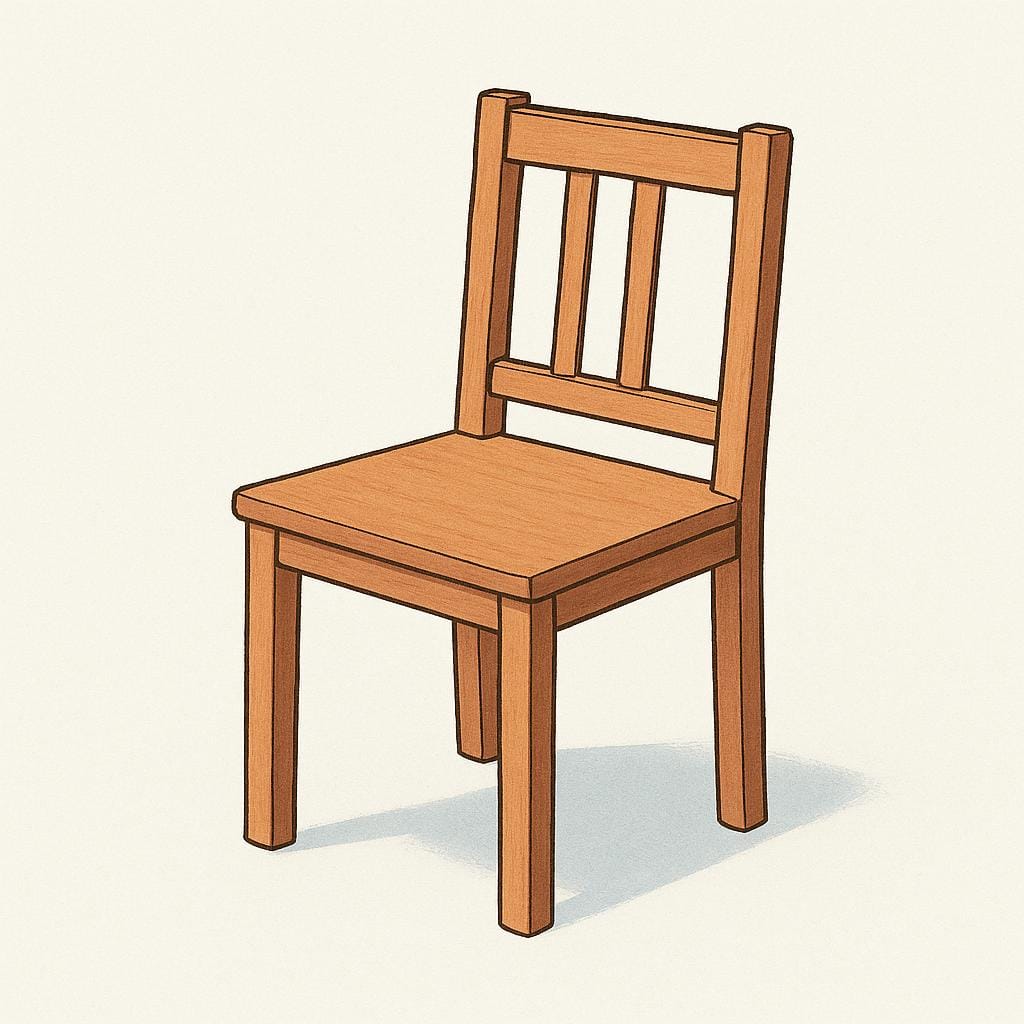
La decoración de la oficina era sobria y elegante.
The office decor was simple/understated and elegant.
Prefiere vestir con colores sobrios, como el gris y el azul marino.
She prefers to dress in plain/neutral colors, like grey and navy blue.
Su comportamiento siempre fue sobrio y discreto.
His behavior was always modest and discreet.
Use with 'Ser'
When describing style or personality, this is usually a characteristic, so use the verb 'ser' (to be permanent): 'El diseño es sobrio' (The design is understated).
plana
PLAH-nahˈplana
Examples
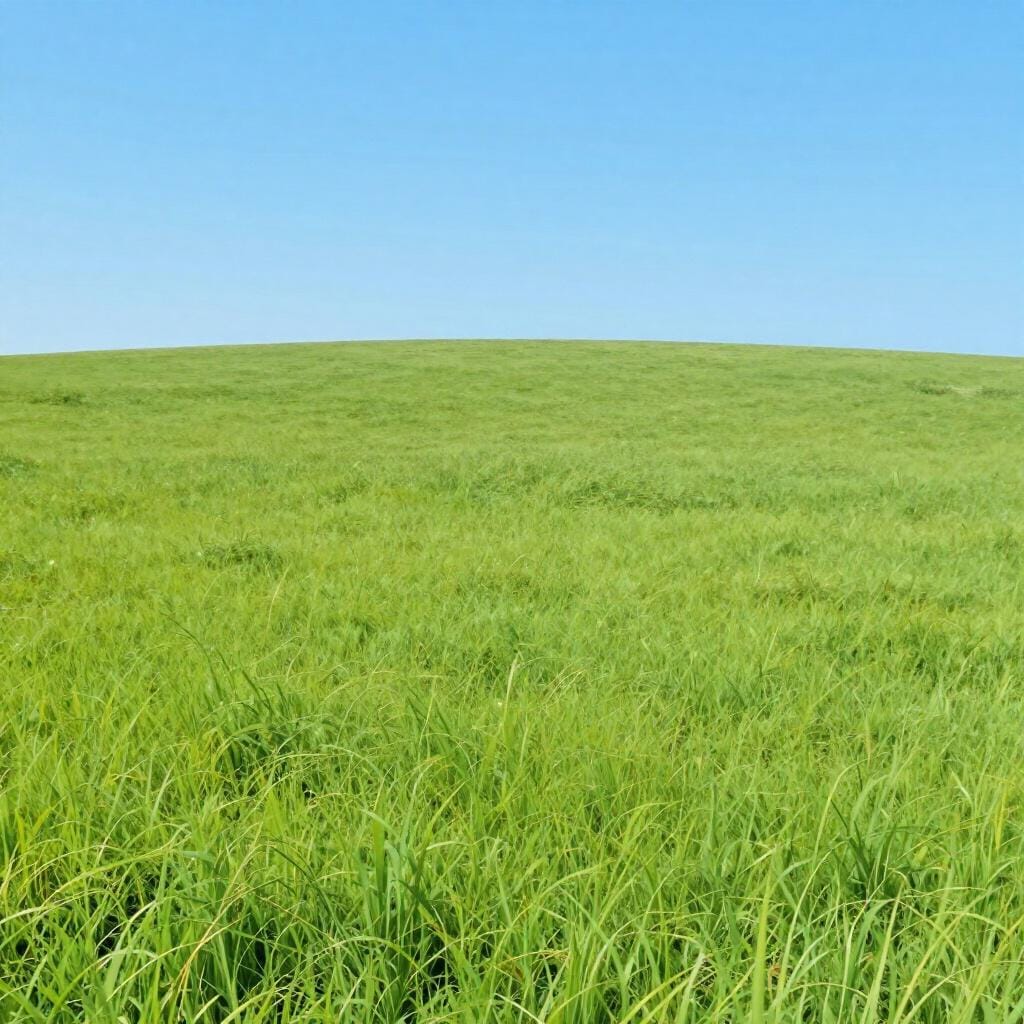
La superficie de la mesa es totalmente plana.
The surface of the table is totally flat.
Necesito una piedra plana para pintar.
I need a flat stone to paint on.
Feminine Agreement
This word is the feminine form of 'plano.' It is used only when describing feminine things, like 'una mesa' (a table) or 'la pantalla' (the screen).
Adjective vs. Noun for 'Plain'
Learn Spanish with Inklingo
Interactive stories, personalized learning, and more.