How to Say "frank" in Spanish
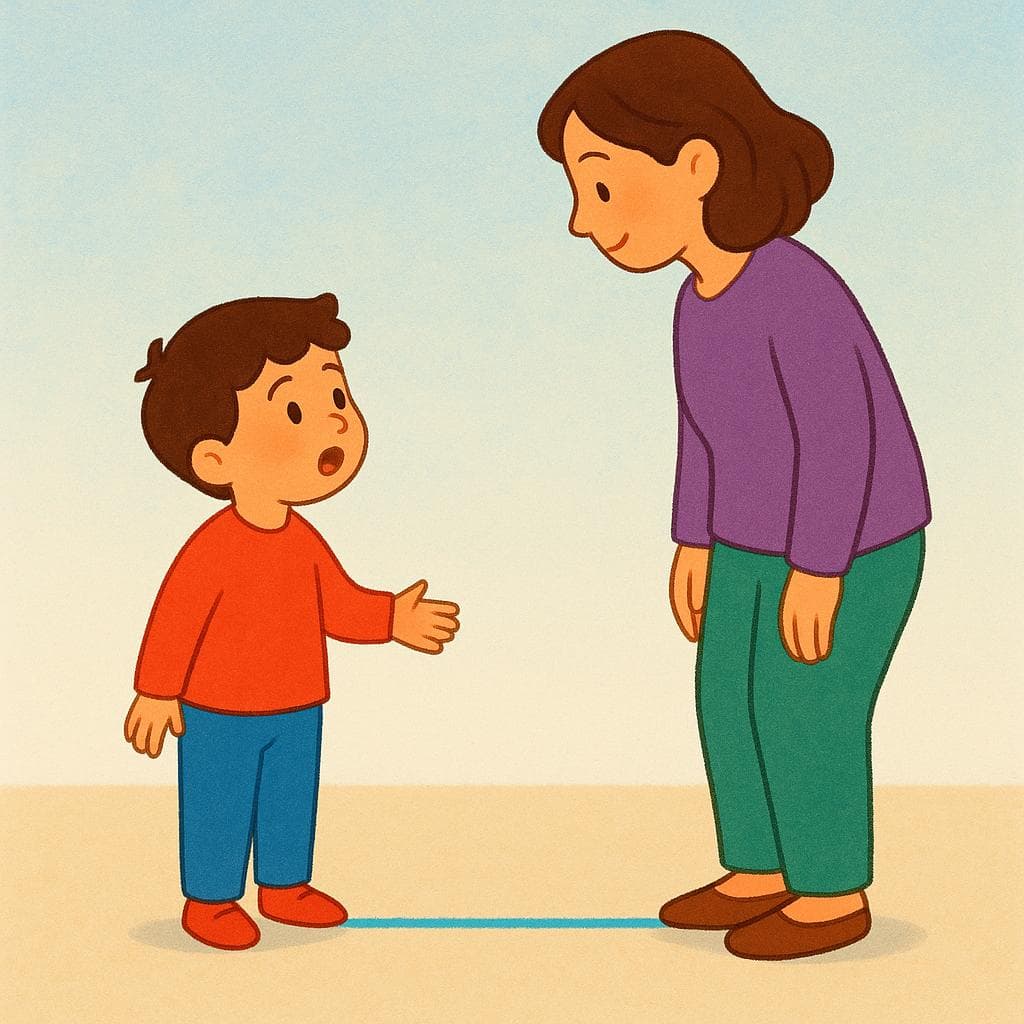
The most common Spanish word for “frank” is “franco” — use 'franco' when you want to express being honest and direct, especially in an idiom like 'to be frank' or 'frankly'.



franco
frán-koˈfɾaŋ.ko
Examples
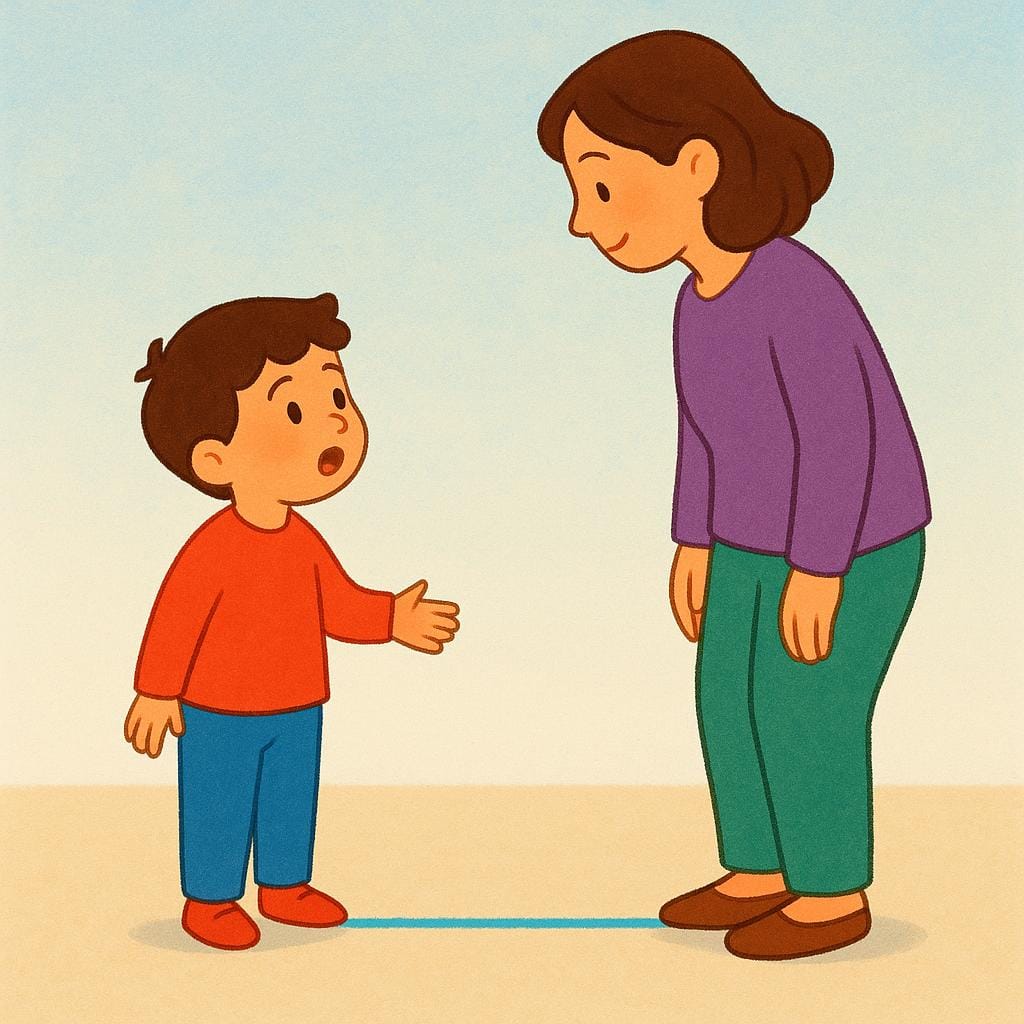
Para serte franco, no me gustó nada la película.
To be frank with you, I didn't like the movie at all.
Ella es una persona muy franca, siempre dice exactamente lo que piensa.
She is a very candid person; she always says exactly what she thinks.
El franco suizo sigue siendo una moneda muy fuerte.
The Swiss franc remains a very strong currency.
En el pasado, un café costaba solo unos pocos francos.
In the past, a coffee only cost a few francs.
Adjective Agreement
Like most Spanish adjectives, 'franco' must match the gender and number of the person or thing it describes: 'un hombre franco' (a frank man) vs. 'una mujer franca' (a frank woman).
Gender
When referring to the currency or the historical people, 'franco' is always masculine: 'el franco' (the franc) and 'los francos' (the Franks).
directo
dee-REK-tohdiˈɾekto

Examples
Mi jefe es muy directo y siempre dice la verdad, aunque duela.
My boss is very straightforward and always tells the truth, even if it hurts.
Prefiero que seas directa conmigo y me digas lo que piensas.
I prefer you to be frank with me and tell me what you think.
sincera
seen-SEH-rahsinˈseɾa

Examples
Mi amiga siempre es sincera, nunca me miente.
My friend is always sincere (honest); she never lies to me.
Dio una respuesta sincera sobre por qué no pudo venir a la fiesta.
She gave an honest answer about why she couldn't come to the party.
Aprecio tu opinión sincera, aunque sea difícil de escuchar.
I appreciate your frank opinion, even if it's hard to hear.
Adjective Agreement
Since 'sincera' ends in '-a', it is the feminine form. You must use it when describing a feminine noun, like 'la mujer' (the woman) or 'la opinión' (the opinion).
Forms of 'Sincere'
The base word is 'sincero'. Remember to change the ending: 'sincero' (masc. singular), 'sincera' (fem. singular), 'sinceros' (masc. plural), and 'sinceras' (fem. plural).
Using the wrong gender
Mistake: “La profesora es *sincero*.”
Correction: La profesora es *sincera*. (The noun 'profesora' is feminine, so the adjective must match.)
abierta
ah-BYEHR-tahaˈβjeɾta

Examples
Mi jefa es muy abierta a nuevas ideas y sugerencias.
My boss (female) is very open-minded to new ideas and suggestions.
Ella es una persona abierta y siempre hace nuevos amigos.
She is an outgoing person and always makes new friends.
Su mente está abierta al cambio, lo cual es admirable.
Her mind is open to change, which is admirable.
Using 'Ser' vs. 'Estar'
When describing a permanent personality trait ('Ella es abierta'), use 'ser'. When describing a temporary disposition ('La puerta está abierta'), use 'estar'.
franco
frán-koˈfɾaŋ.ko
Examples
El franco suizo sigue siendo una moneda muy fuerte.
The Swiss franc remains a very strong currency.
Para serte franco, no me gustó nada la película.
To be frank with you, I didn't like the movie at all.
Ella es una persona muy franca, siempre dice exactamente lo que piensa.
She is a very candid person; she always says exactly what she thinks.
En el pasado, un café costaba solo unos pocos francos.
In the past, a coffee only cost a few francs.
Adjective Agreement
Like most Spanish adjectives, 'franco' must match the gender and number of the person or thing it describes: 'un hombre franco' (a frank man) vs. 'una mujer franca' (a frank woman).
Gender
When referring to the currency or the historical people, 'franco' is always masculine: 'el franco' (the franc) and 'los francos' (the Franks).
Confusing Honesty with Openness
Related Translations
Learn Spanish with Inklingo
Interactive stories, personalized learning, and more.