How to Say "free" in Spanish
The most common Spanish word for “free” is “gratis” — use this word when referring to something that costs absolutely nothing, emphasizing the lack of payment.






gratis
GRAH-teesˈɡɾatis

Examples
La entrada al museo es gratis los domingos.
Entrance to the museum is free on Sundays.
Si compras dos, te dan la tercera unidad totalmente gratis.
If you buy two, they give you the third unit completely free.
Con el servicio premium, el envío es gratis.
With the premium service, shipping is free.
Always Unchanging
'Gratis' never changes its form. It always stays 'gratis' regardless of whether the thing you got is masculine, feminine, singular, or plural. (It is 'invariable').
Adverb vs. Adjective
While it describes a noun (like 'free delivery'), 'gratis' functions as an adverb, describing the manner of the transaction, which is why it doesn't need to match the noun.
Adding Plural Endings
Mistake: “Las bebidas son gratises.”
Correction: Las bebidas son gratis. (Never add an -s, even if you are talking about many things.)
gratuito
gra-twee-tohɡɾaˈtwito

Examples
El museo es gratuito los domingos.
The museum is free on Sundays.
Ofrecen un curso gratuito de español.
They offer a free Spanish course.
La educación pública debe ser gratuita.
Public education should be free of charge.
Match the Word to the Noun
Unlike the word 'gratis,' 'gratuito' must change to match what you're describing. Use 'gratuito' for masculine things (un libro gratuito) and 'gratuita' for feminine things (una entrada gratuita).
Placement Matters
You can put this word after the noun it describes, or after verbs like 'ser' (to be).
Gratuito vs. Libre
Mistake: “Tengo tiempo gratuito.”
Correction: Tengo tiempo libre. Use 'libre' for freedom or availability, and 'gratuito' for things that cost zero dollars.
libre
LEE-brehˈli.βɾe
Examples
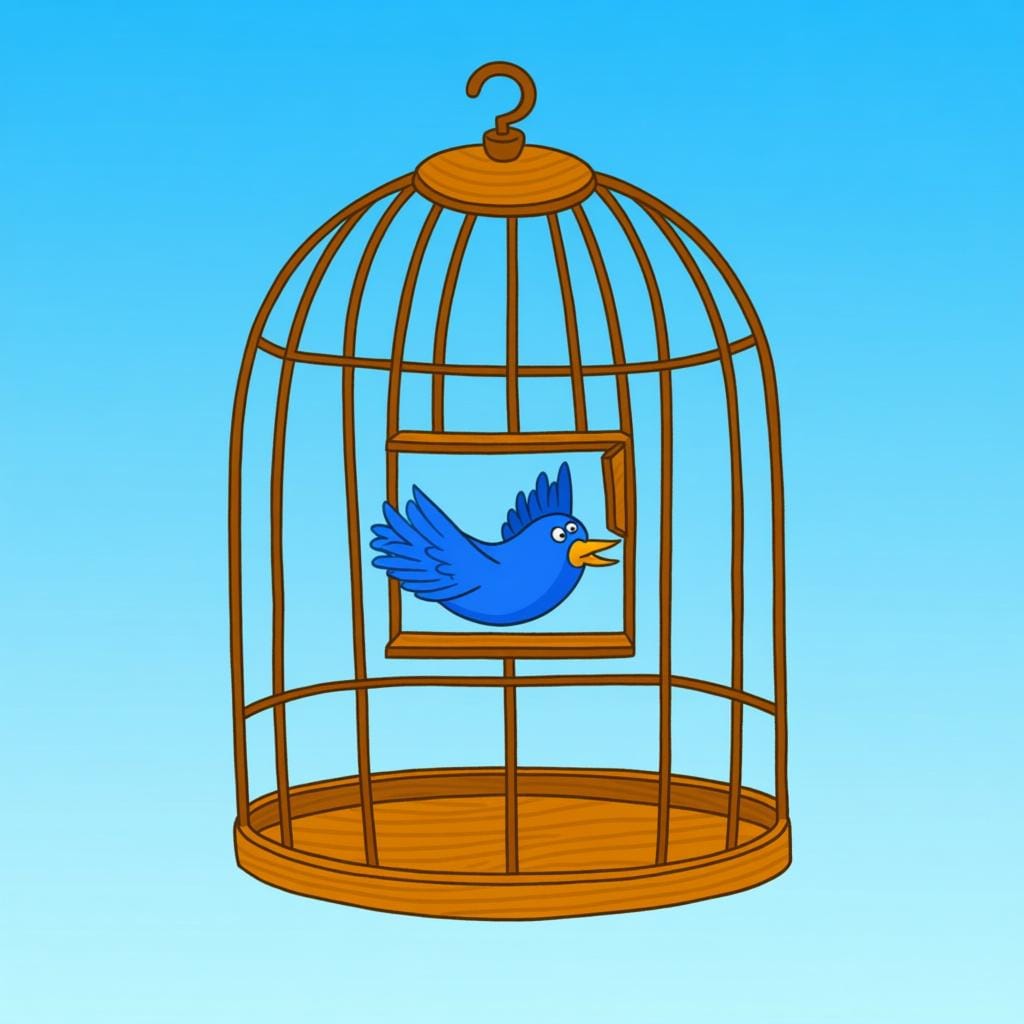
Disculpe, ¿está libre esta silla?
Excuse me, is this chair free?
Nelson Mandela no fue un hombre libre durante 27 años.
Nelson Mandela was not a free man for 27 years.
En este país, la prensa es libre.
In this country, the press is free.
Quiero ser libre para tomar mis propias decisiones.
I want to be free to make my own decisions.
An 'Easy' Adjective
'Libre' is a helpful adjective because it doesn't change its ending for masculine or feminine things. You say 'el hombre libre' and 'la mujer libre'. It only adds an '-s' for plural things: 'los pájaros libres'.
The Most Common Mix-up: 'Libre' vs. 'Gratis'
Mistake: “El café es libre.”
Correction: El café es gratis. Use 'libre' for things that are available or not busy (like a table). Use 'gratis' for things that have no cost.
disponible
dis-po-NEE-blehdis.poˈni.βle

Examples
¿Estás disponible para una llamada rápida a las 3:00?
Are you free for a quick call at 3:00?
El técnico no estará disponible hasta la próxima semana.
The technician won't be available until next week.
Siempre estoy disponible si me necesitas.
I am always available if you need me.
Expressing Availability
When talking about a person's schedule, you use 'estar disponible' to mean 'not busy' or 'free to meet.' If you say 'ser libre,' it means 'to be free' in the sense of having civil liberties or being unrestricted.
Confusing 'Disponible' and 'Listo'
Mistake: “Using 'listo' (ready/smart) when you mean 'available' (accessible).”
Correction: Use 'disponible' for accessibility (Is the car available?), and 'listo' for preparation (Is the car ready to go?).
suelto
SWELL-toh'swelto

Examples
El perro estaba suelto en el parque.
The dog was loose in the park.
Llevaba el pelo suelto, sin coleta.
She wore her hair loose, without a ponytail.
Dejé los papeles sueltos sobre la mesa.
I left the loose papers on the table.
Agreement is Key
Like most Spanish adjectives, 'suelto' must match the noun it describes in gender (masculine/feminine) and number (singular/plural): suelto, suelta, sueltos, sueltas.
Confusing with 'soltar'
Mistake: “Using 'soltar' (the verb) when you need 'suelto' (the description).”
Correction: Remember, 'suelto' describes the state of being released, while 'soltar' is the action of releasing.
despejado
des-pe-HA-dodes.peˈxa.ðo

Examples
Después de la limpieza, el pasillo quedó completamente despejado.
After the cleaning, the hallway was completely unobstructed (clear).
Con la mente despejada, pude concentrarme en la solución.
With a clear mind, I was able to concentrate on the solution.
Origin as a Past Participle
'Despejado' is the past participle of the verb 'despejar' (to clear or to remove). When used as an adjective, it means 'having been cleared'.
franco
frán-koˈfɾaŋ.ko
Examples
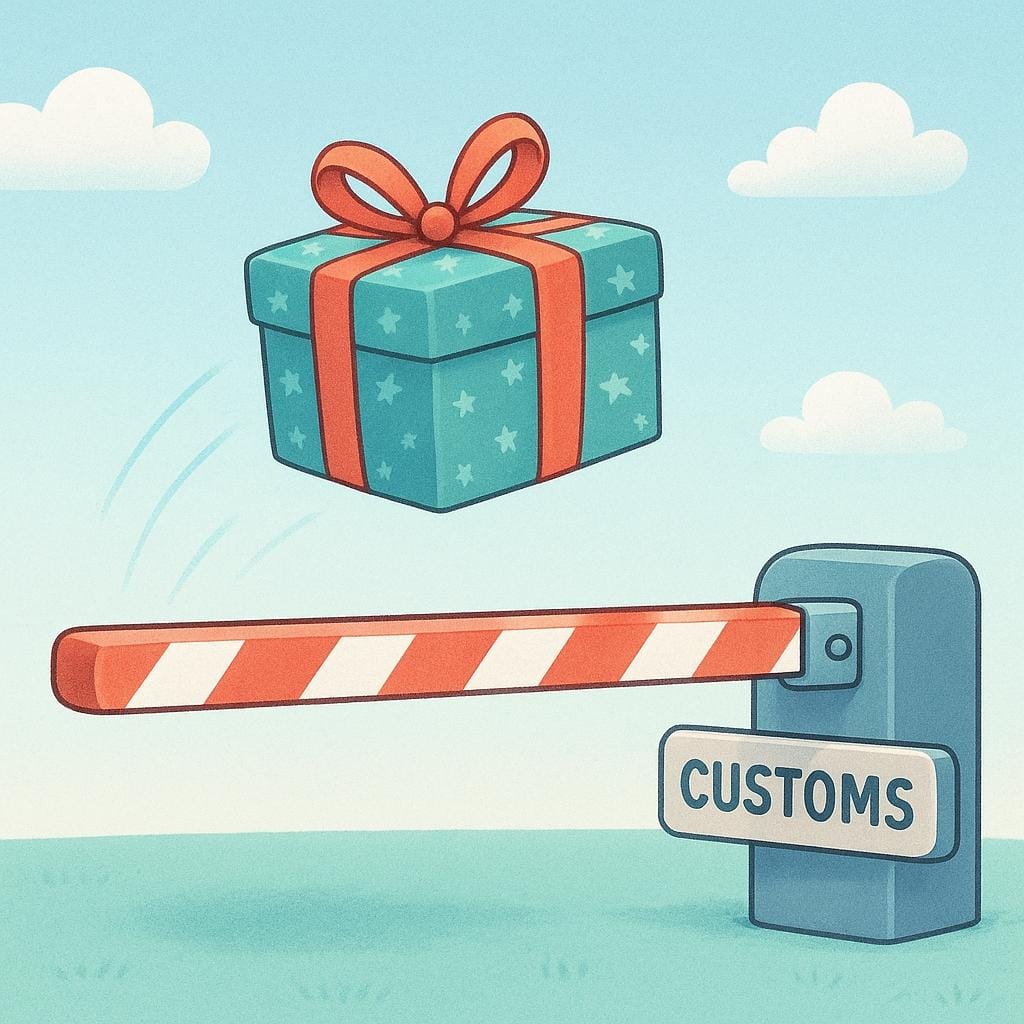
La zona franca permite el comercio sin pagar aranceles.
The free zone allows trade without paying tariffs.
Este tipo de envío es franco de porte, lo que significa que el remitente paga el costo.
This type of shipment is carriage paid, meaning the sender pays the cost.
Formal Usage
This meaning of 'franco' is often combined with prepositions like 'de' ('franco de porte' or 'franco de gastos') to indicate what the item is free FROM.
Gratis vs. Gratuito vs. Libre
Related Translations
Learn Spanish with Inklingo
Interactive stories, personalized learning, and more.