franco
“franco” means “frank” in Spanish. It has 3 different meanings depending on context:
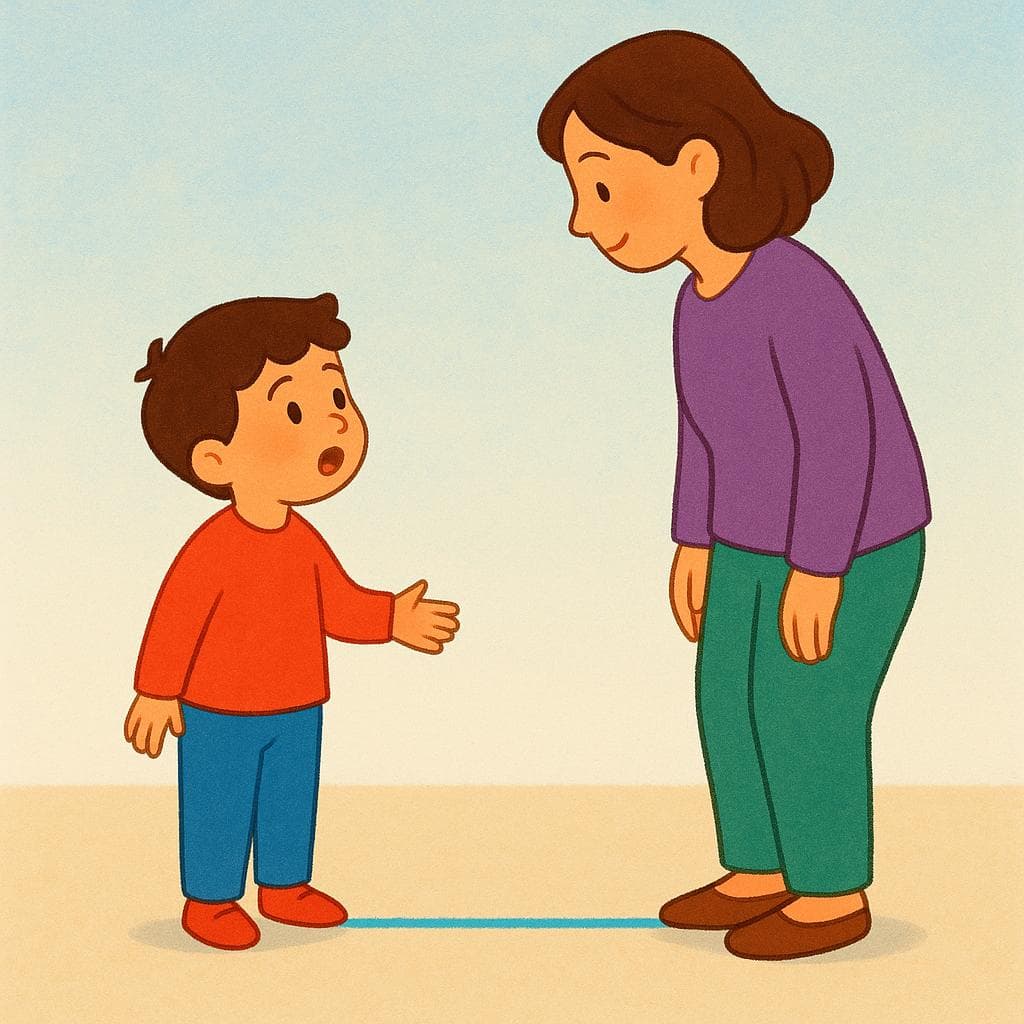
frank, candidAlso: straightforward
📝 In Action
Para serte franco, no me gustó nada la película.
B1To be frank with you, I didn't like the movie at all.
Ella es una persona muy franca, siempre dice exactamente lo que piensa.
B2She is a very candid person; she always says exactly what she thinks.
Word Connections
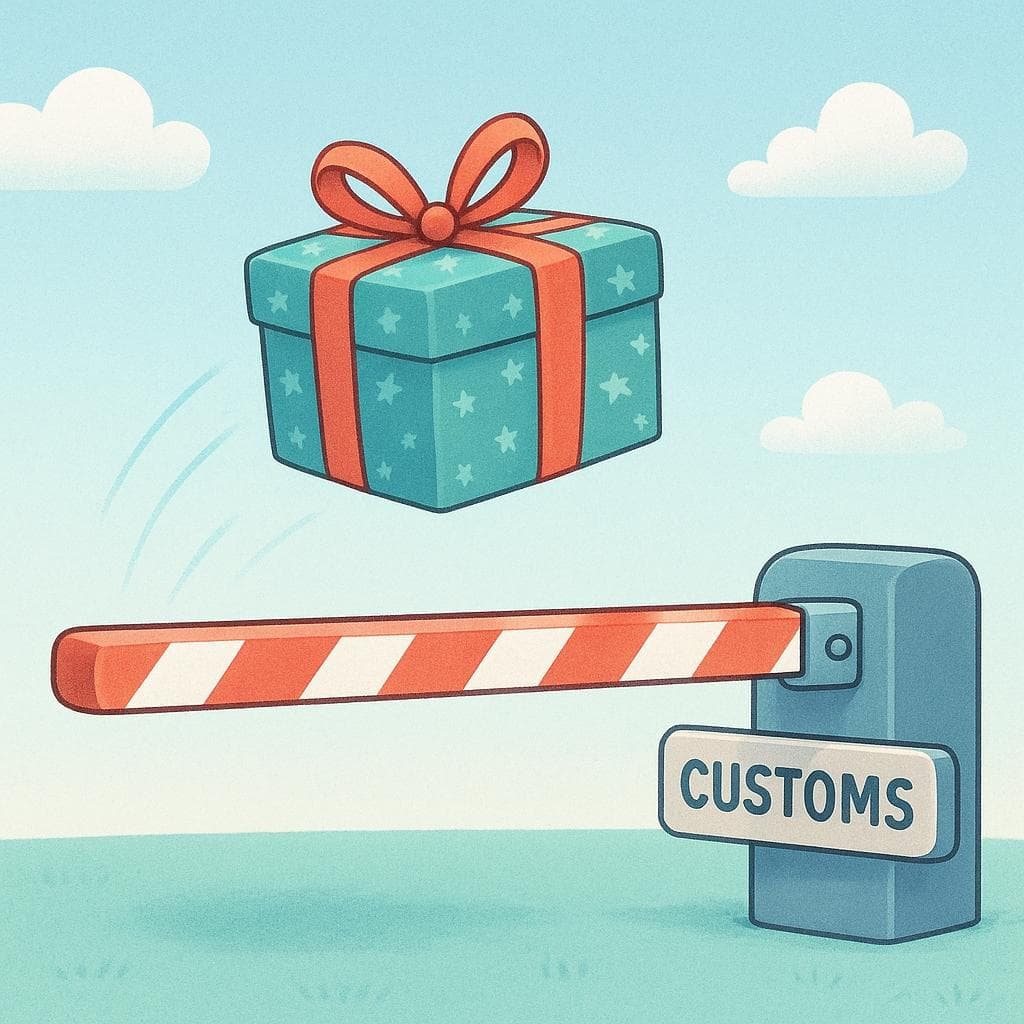
free, exemptAlso: tax-free

📝 In Action
La zona franca permite el comercio sin pagar aranceles.
C1The free zone allows trade without paying tariffs.
Este tipo de envío es franco de porte, lo que significa que el remitente paga el costo.
C2This type of shipment is carriage paid, meaning the sender pays the cost.
Word Connections
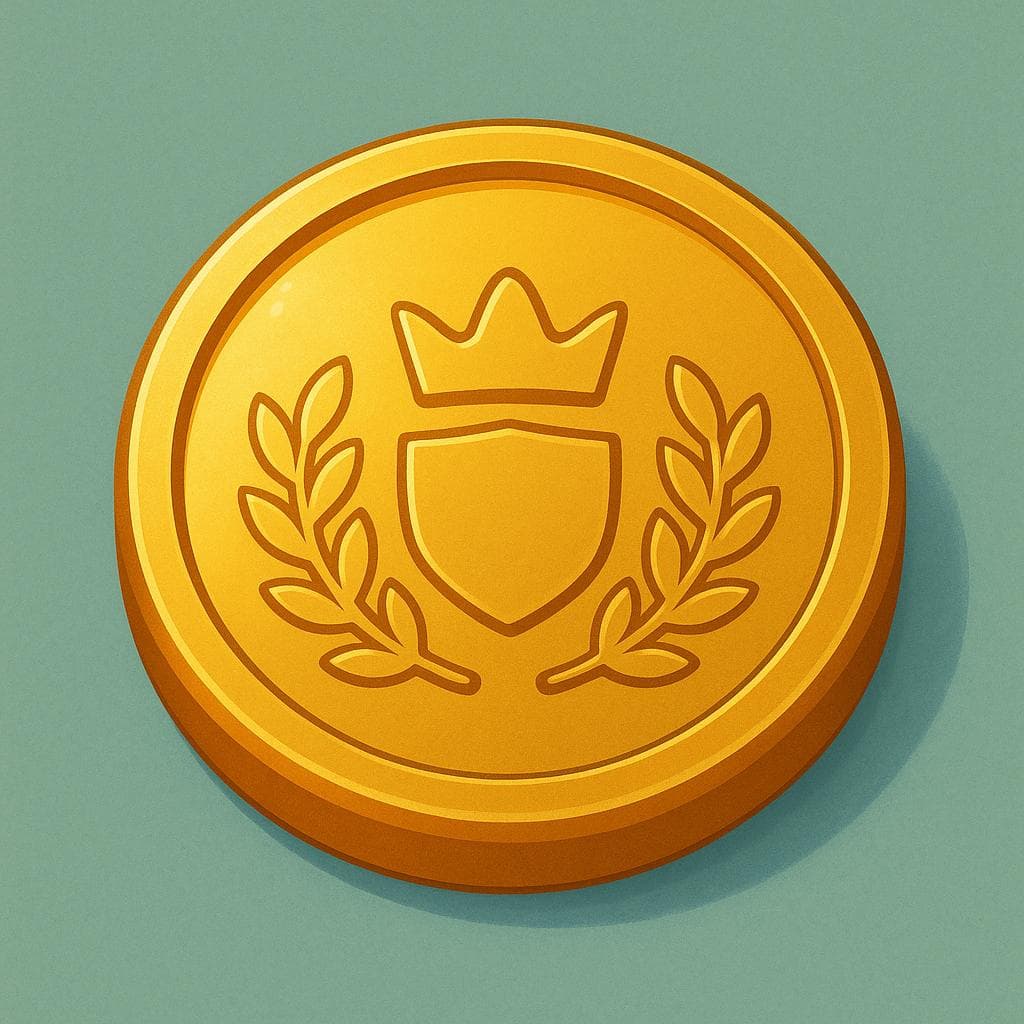
francAlso: Frank
📝 In Action
El franco suizo sigue siendo una moneda muy fuerte.
B2The Swiss franc remains a very strong currency.
En el pasado, un café costaba solo unos pocos francos.
B1In the past, a coffee only cost a few francs.
Word Connections
Translate to Spanish
✏️ Quick Practice
Quick Quiz: franco
Question 1 of 1
Which sentence uses 'franco' in the sense of being free from charges or duties?
📚 More Resources
👥 Word Family
🎵 Rhymes
📚 Etymology
The word comes from the name of the Germanic tribe, the Franks, who conquered Gaul (modern France). Their name originally meant 'free,' which is why the word 'franco' carries the meaning of being honest, open, and free from obligations (like taxes).
First recorded: 13th century (in Spanish)
Cognates (Related words)
💡 Master Spanish
Take your Spanish to the next level. Read 200+ illustrated and narrated Spanish stories tailored to your level with the Inklingo app!
Frequently Asked Questions
Does 'franco' have a feminine form?
Yes, when used as an adjective (meaning 'frank' or 'free'), it changes its ending: 'franco' (masculine singular) and 'franca' (feminine singular). For example, 'una respuesta franca' (a frank answer).
Is 'franco' related to the name of the country France?
Yes, they share the same root! Both come from the name of the Germanic tribe, the Franks, who gave their name to the region and whose identity was tied to the concept of 'freedom'.