How to Say "fiend" in Spanish
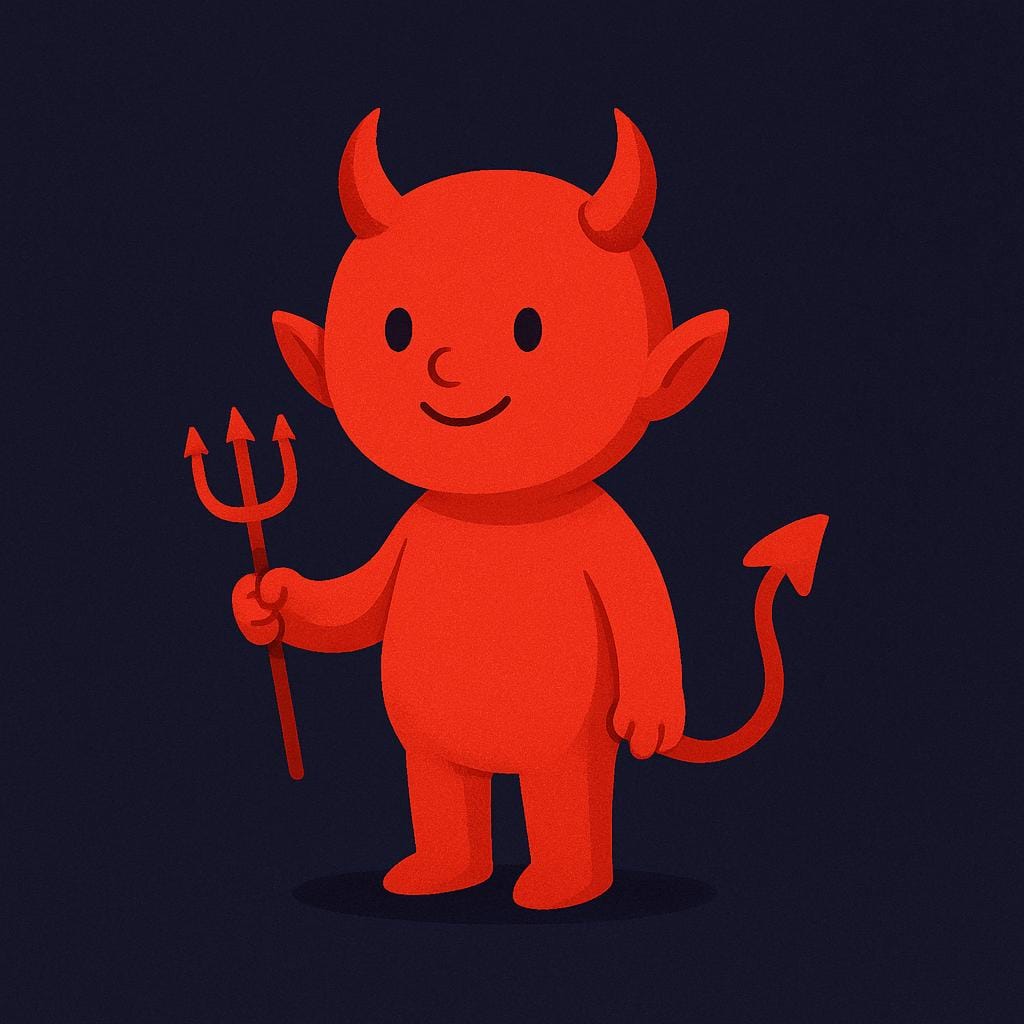
The most common Spanish word for “fiend” is “diablo” — use 'diablo' when referring to the ultimate evil being, often personified as Satan, or a general evil spirit.
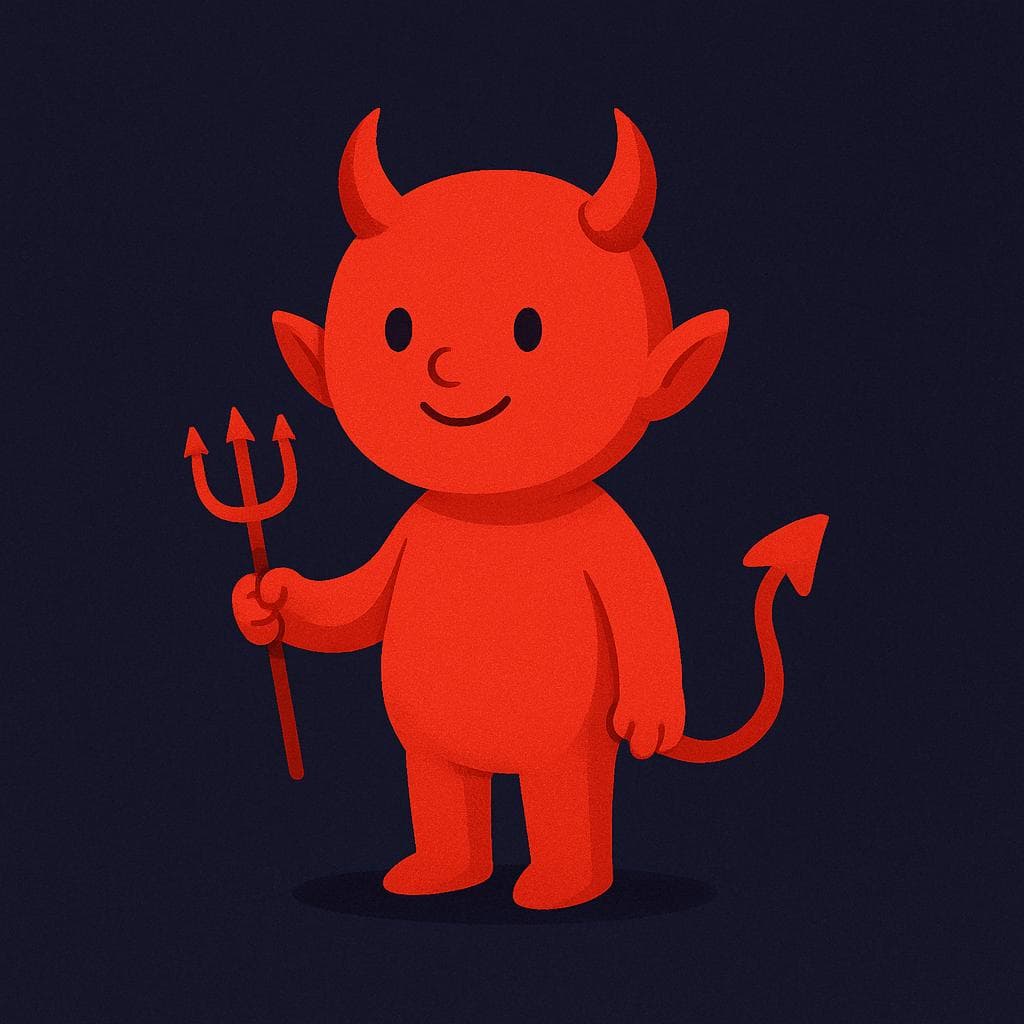


diablo
DEE-ah-blohˈdja.βlo
Examples
Dicen que el diablo tiene muchos nombres.
They say the devil has many names.
Pintaron al diablo con cuernos y cola.
They painted the devil with horns and a tail.
Masculine Noun
Even though it refers to a being with immense power, 'diablo' is always a masculine noun and uses the article 'el' (el diablo).
demonio
deh-MOH-nee-ohdeˈmonjo

Examples
En la historia, el caballero luchó contra un demonio que custodiaba el castillo.
In the story, the knight fought against a demon that guarded the castle.
La figura del demonio es central en muchas religiones antiguas.
The figure of the devil is central in many ancient religions.
Masculine Noun Rule
Even though 'demonio' ends in '-o', remember that the word refers to both male and female demons, but the word itself is always masculine: 'el demonio'.
monstruo
MOHN-stroh'monstɾwo

Examples
No puedo creer lo que toca; es un monstruo del piano.
I can't believe what he plays; he is a genius on the piano.
Su jefe es un monstruo que obliga a sus empleados a trabajar 70 horas a la semana.
His boss is a brute who forces his employees to work 70 hours a week.
Nuestra defensa fue un monstruo en el partido de hoy.
Our defense was monstrously good in today's game. (meaning: incredibly strong)
Using 'de'
When praising someone's skill, 'monstruo' is often followed by 'de' plus the activity: 'monstruo del ajedrez' (chess whiz).
Positive/Negative Context
Mistake: “Applying this meaning without clear context, confusing the listener whether you mean 'incredibly talented' or 'incredibly cruel.'”
Correction: Always pair it with a description of their action or field ('monstruo de la música,' 'monstruo de la avaricia') to clarify if you mean good or bad.
Confusing Supernatural vs. Human 'Fiends'
Learn Spanish with Inklingo
Interactive stories, personalized learning, and more.