How to Say "devil" in Spanish
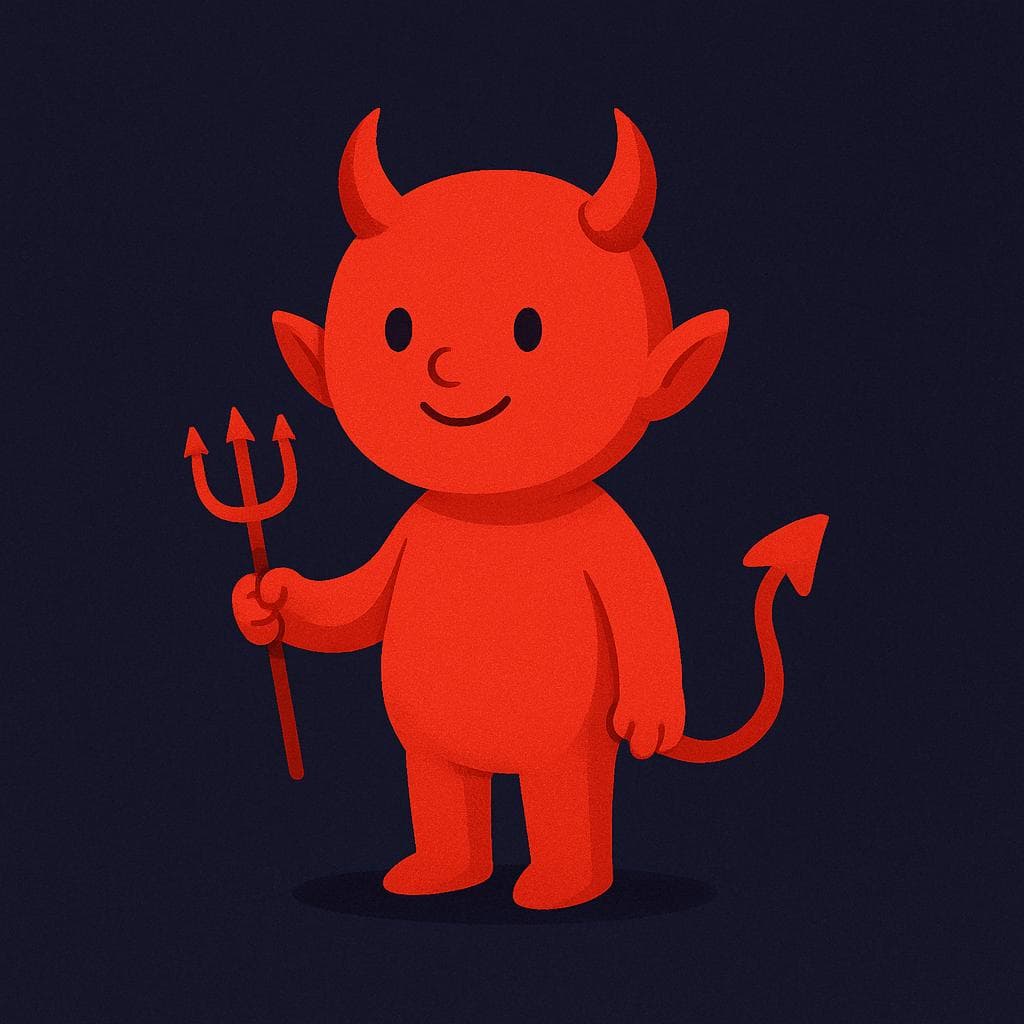
The most common Spanish word for “devil” is “diablo” — use 'diablo' when referring to the ultimate personification of evil, Satan, or the devil as a singular, supreme antagonist.

diablo
DEE-ah-blohˈdja.βlo
Examples
Dicen que el diablo tiene muchos nombres.
They say the devil has many names.
Pintaron al diablo con cuernos y cola.
They painted the devil with horns and a tail.
Masculine Noun
Even though it refers to a being with immense power, 'diablo' is always a masculine noun and uses the article 'el' (el diablo).
demonio
deh-MOH-nee-ohdeˈmonjo
Examples
En la historia, el caballero luchó contra un demonio que custodiaba el castillo.
In the story, the knight fought against a demon that guarded the castle.
La figura del demonio es central en muchas religiones antiguas.
The figure of the devil is central in many ancient religions.
Masculine Noun Rule
Even though 'demonio' ends in '-o', remember that the word refers to both male and female demons, but the word itself is always masculine: 'el demonio'.
Diablo vs. Demonio
Learn Spanish with Inklingo
Interactive stories, personalized learning, and more.