How to Say "rascal" in Spanish
The most common Spanish word for “rascal” is “angelito” — use this when someone is playfully pretending to be innocent after doing something naughty, highlighting the contrast between their 'angelic' appearance and their actions.




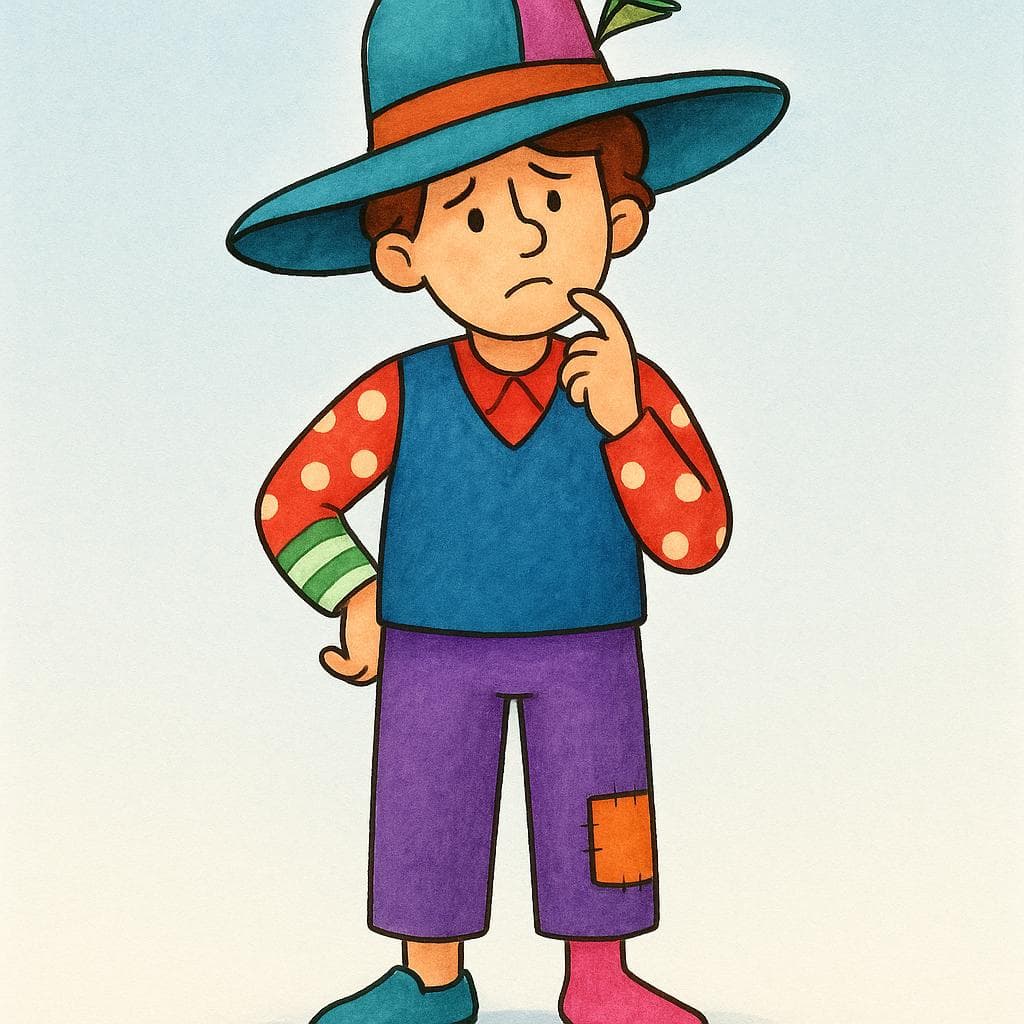
angelito
ahn-heh-LEE-tohaŋxeˈlito

Examples
¡Menudo angelito! Me ha roto el móvil y se ríe.
What a 'little angel'! He broke my phone and is laughing.
No le creas nada, que el angelito sabe muy bien lo que hace.
Don't believe a word he says; that 'angel' knows exactly what he's doing.
Mira qué angelito, parece que no ha roto un plato en su vida.
Look at that little angel; it looks like he's never broken a plate in his life (he looks harmless).
Sarcasm in Tone
In Spanish, tone of voice is key. If you say 'angelito' with a smirk or a sigh, everyone knows you mean the person is actually a troublemaker.
Taking it literally
Mistake: “Thinking someone is complimenting a child when they say '¡Menudo angelito!' with an annoyed face.”
Correction: Look at the speaker's face; if they look annoyed, they mean the opposite of 'angel'.
bribón
Examples
¡Vuelve aquí, pequeño bribón!
Come back here, you little rascal!
bandido
bahn-DEE-dohbanˈdiðo

Examples
¡Vuelve aquí, pequeño bandido! Me has robado un beso.
Come back here, you little rascal! You stole a kiss from me.
Tu gato es un bandido; siempre se come mi comida.
Your cat is a rascal; he's always eating my food.
Don't be too literal
Mistake: “Thinking someone is calling you a criminal.”
Correction: In a social setting, if a friend calls you 'bandido' with a smile, they mean you're a rogue or a flirt, not a thief.
diablo
DEE-ah-blohˈdja.βlo

Examples
Ese niño es un diablo, siempre está haciendo travesuras.
That kid is a rascal; he’s always getting into mischief.
Tienes que ser un diablo en los negocios para tener éxito.
You have to be a rogue (clever operator) in business to succeed.
Using the Feminine
To refer to a mischievous woman or girl, the word is often changed to 'diabla' (la diabla), although 'diablo' can sometimes refer to either gender contextually.
sinvergüenza
Examples
Ese sinvergüenza me vendió un coche que no funciona.
That scoundrel sold me a car that doesn't work.
pájaro
Examples
No confíes en él, es un pájaro de cuidado.
Don't trust him, he's a tricky/suspicious fellow.
golfo
GOHL-fohˈɡolfo

Examples
No le creas nada, es un golfo.
Don't believe him at all, he's a rascal.
Ese niño es un golfo, siempre está haciendo travesuras.
That kid is a little scoundrel; he's always getting into mischief.
Nos pasamos la noche de fiesta como unos auténticos golfos.
We spent the night partying like total wildcards.
Noun and Adjective
You can use this word as a name for a person ('un golfo') or to describe them ('él es muy golfo').
The Feminine Form Warning
Mistake: “Calling a woman 'golfa' thinking it just means 'lazy'.”
Correction: While 'golfo' (male) is often lighthearted or means 'lazy/party animal', the feminine 'golfa' is often a very strong insult implying a woman is sexually promiscuous. Be very careful!
bicho
bee-choˈbitʃo
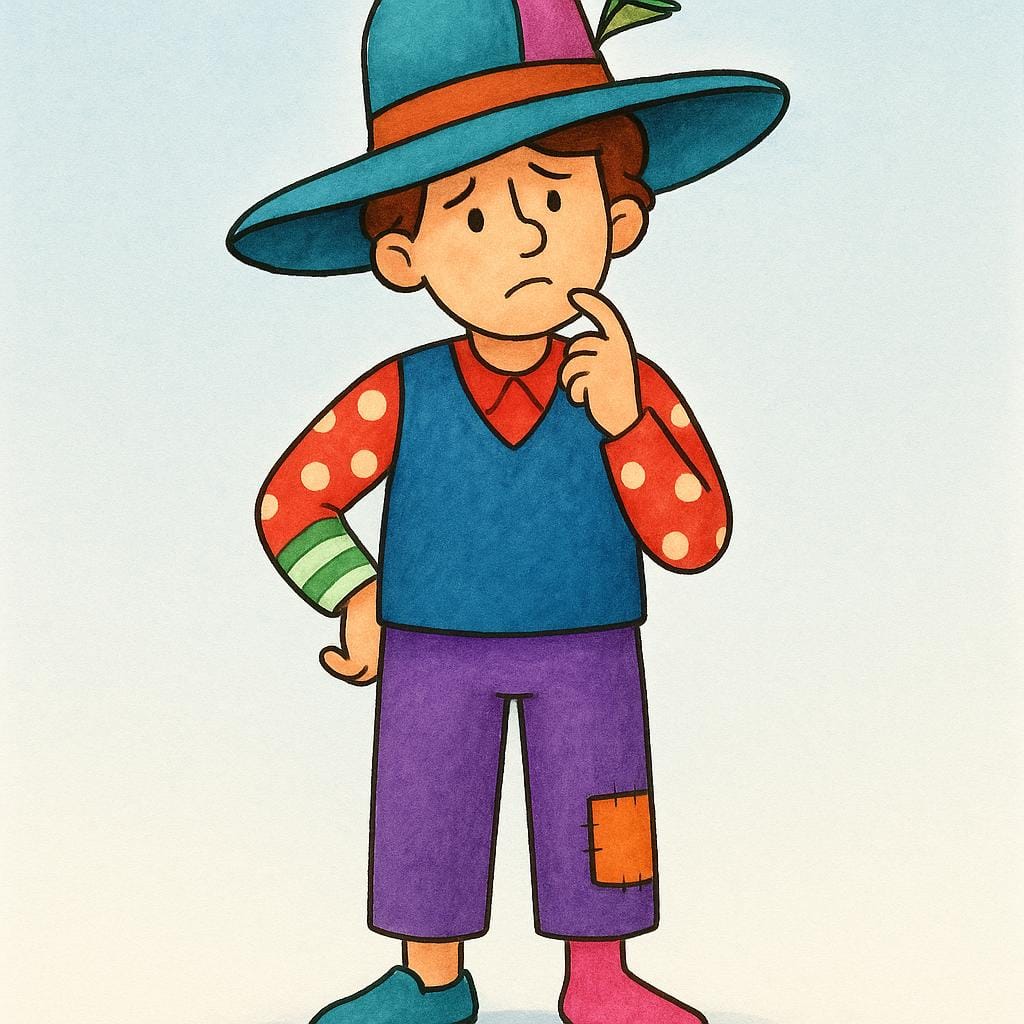
Examples
Ese bicho del vecino siempre nos está espiando.
That weirdo neighbor is always spying on us.
Mi hijo es un bicho, nunca para de correr.
My son is a rascal; he never stops running.
Gender Flexibility
Though the word is masculine ('el bicho'), in some regions, 'la bicha' is used specifically to refer to a female person negatively.
Overuse in Formal Settings
Mistake: “Using 'bicho' to refer to a person in a professional environment.”
Correction: Use neutral terms like 'persona' or 'individuo.' This meaning is strictly informal.
Playful vs. Truly Naughty
Learn Spanish with Inklingo
Interactive stories, personalized learning, and more.