How to Say "rogue" in Spanish
The most common Spanish word for “rogue” is “pillo” — use 'pillo' when referring to someone who is fundamentally dishonest or unprincipled, often in a way that involves deception or financial wrongdoing.



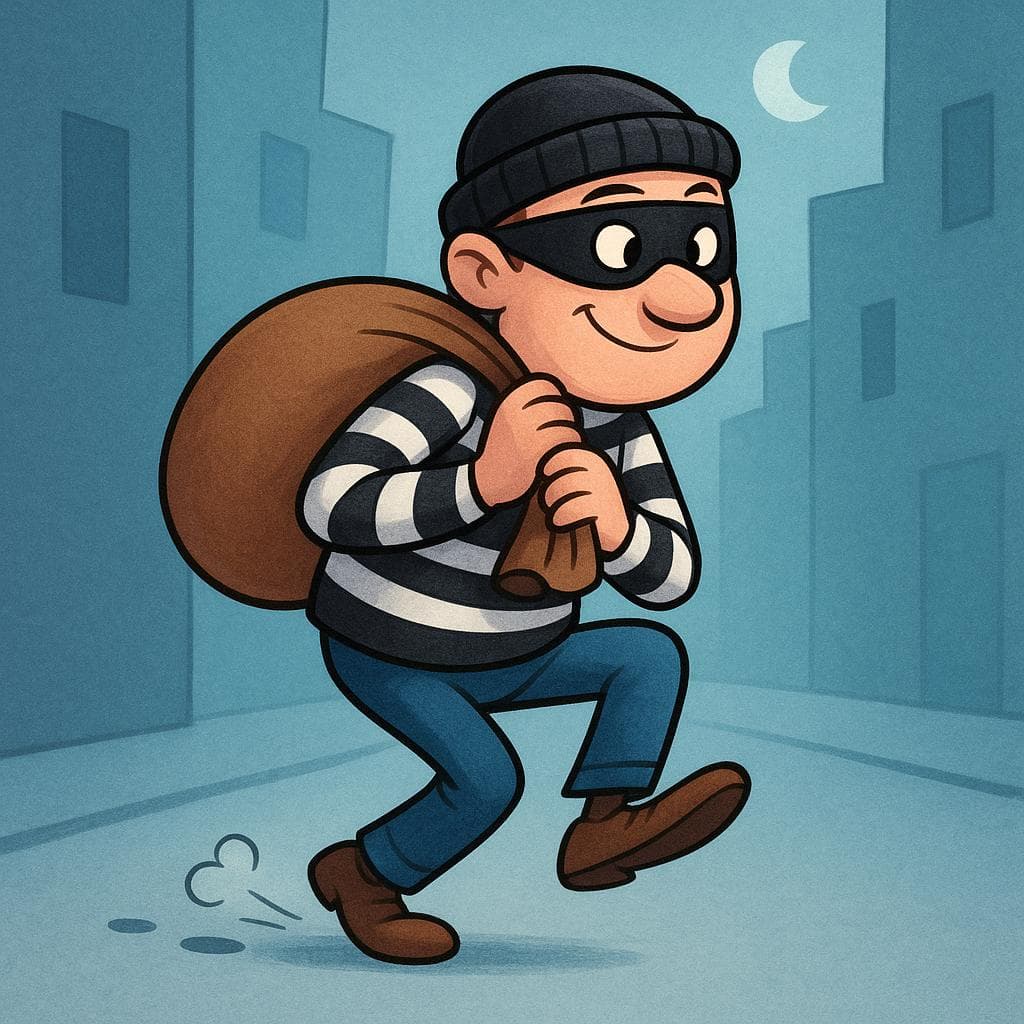
pillo
PEE-yohˈpiʎo

Examples
Ese vendedor resultó ser un pillo y desapareció con nuestro dinero.
That vendor turned out to be a rogue and disappeared with our money.
La policía busca a un pillo que roba carteras en el centro.
The police are looking for a petty thief who steals wallets downtown.
Noun/Adjective Switch
In this context, 'pillo' can be used as an adjective (e.g., 'el vendedor pillo') or as a noun ('es un pillo'), meaning 'he is a rogue'.
bandido
bahn-DEE-dohbanˈdiðo

Examples
¡Vuelve aquí, pequeño bandido! Me has robado un beso.
Come back here, you little rascal! You stole a kiss from me.
Tu gato es un bandido; siempre se come mi comida.
Your cat is a rascal; he's always eating my food.
Don't be too literal
Mistake: “Thinking someone is calling you a criminal.”
Correction: In a social setting, if a friend calls you 'bandido' with a smile, they mean you're a rogue or a flirt, not a thief.
diablo
DEE-ah-blohˈdja.βlo

Examples
Ese niño es un diablo, siempre está haciendo travesuras.
That kid is a rascal; he’s always getting into mischief.
Tienes que ser un diablo en los negocios para tener éxito.
You have to be a rogue (clever operator) in business to succeed.
Using the Feminine
To refer to a mischievous woman or girl, the word is often changed to 'diabla' (la diabla), although 'diablo' can sometimes refer to either gender contextually.
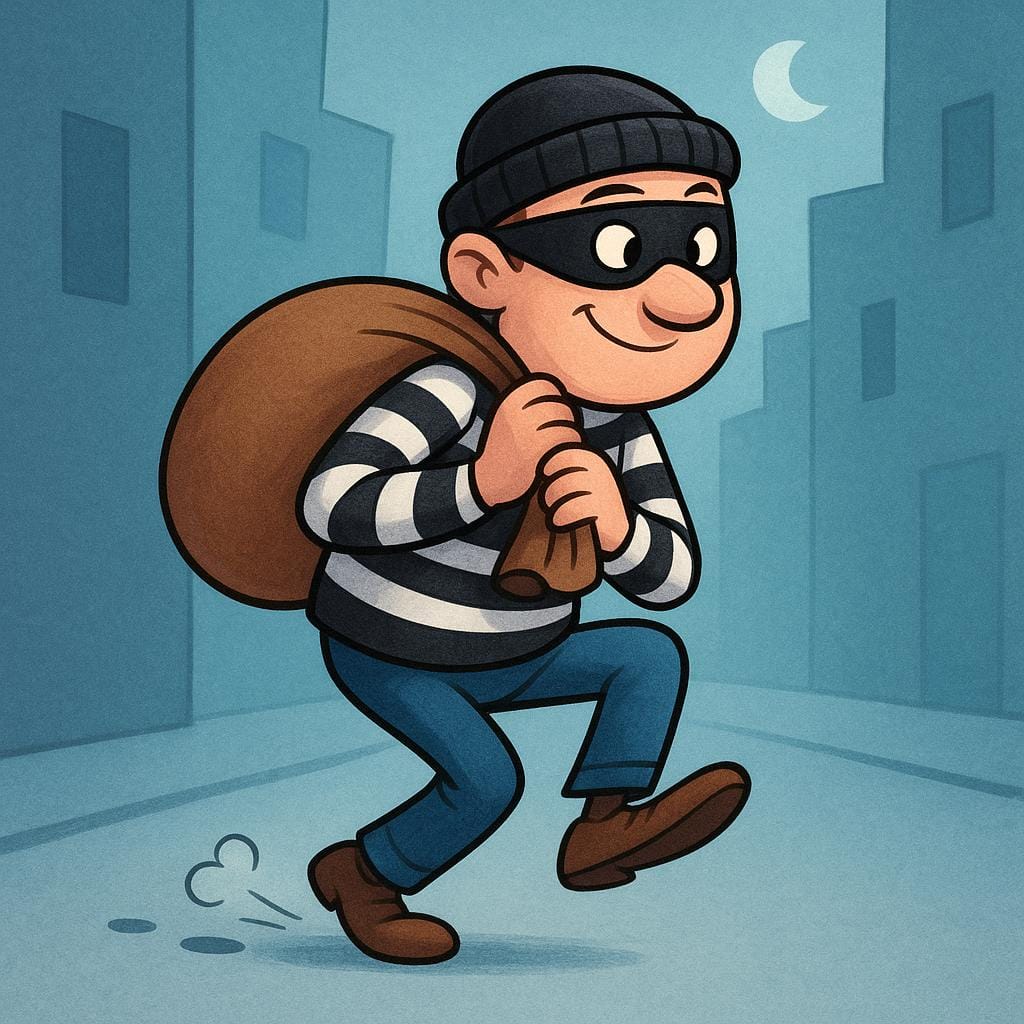
canalla
kah-NAH-yahkaˈnaʎa
Examples
El presidente de la compañía resultó ser un canalla que robó a sus empleados.
The president of the company turned out to be a scoundrel who stole from his employees.
¡Eres una canalla por haber mentido así!
You are a villain for having lied like that!
Gender Flexibility
Even though canalla ends in -a, it can easily refer to both men (el canalla) and women (la canalla). The word itself stays the same.
Using it too lightly
Mistake: “Using 'canalla' for a minor annoyance.”
Correction: This word carries strong negative weight. Use lighter words like 'travieso' (naughty) for small offenses. Reserve 'canalla' for genuine acts of betrayal or cruelty.
Playful vs. Serious Dishonesty
Related Translations
Learn Spanish with Inklingo
Interactive stories, personalized learning, and more.