How to Say "despicable" in Spanish
The most common Spanish word for “despicable” is “despreciable” — use this for a general moral judgment when something is worthy of contempt or scorn, often related to dishonest or unethical behavior.





despreciable
des-pre-SYAH-blehdespreˈθjaβle

Examples
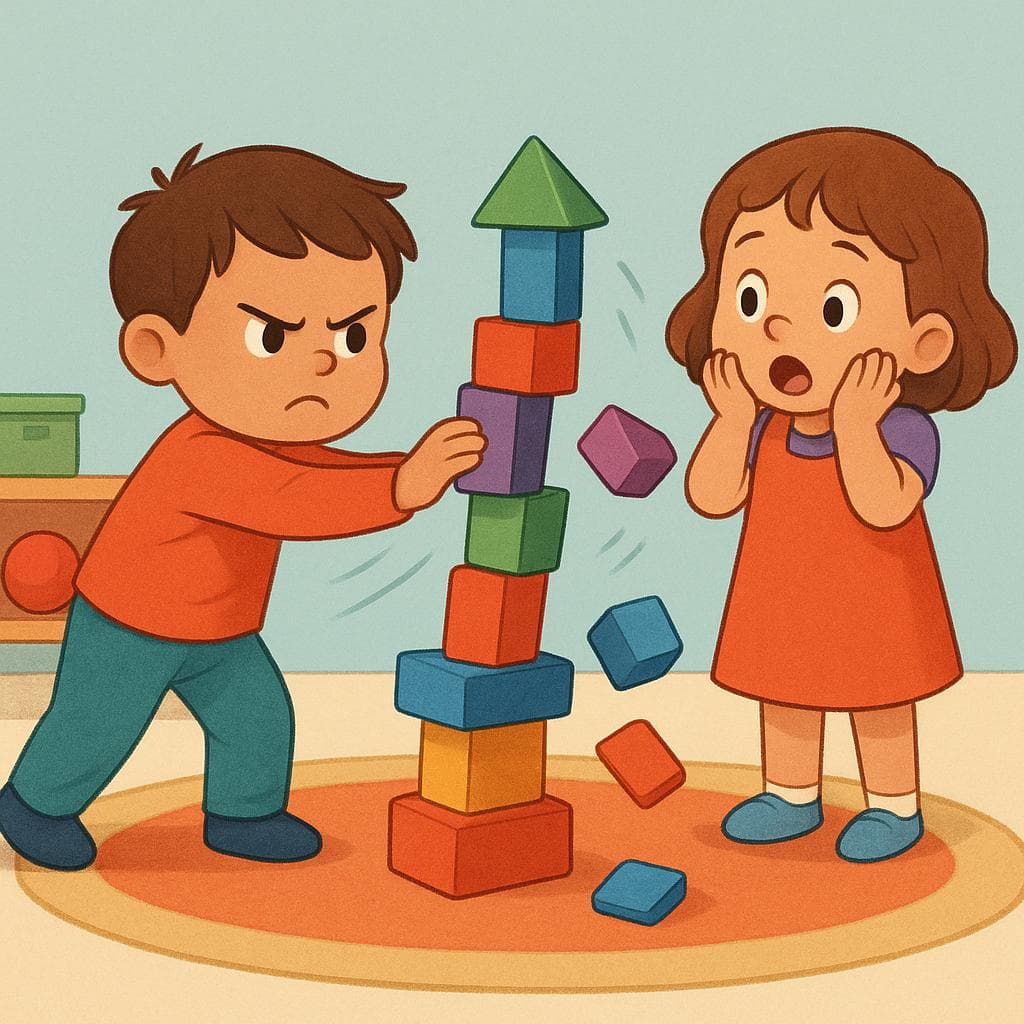
Mentirle a un amigo es un acto despreciable.
Lying to a friend is a despicable act.
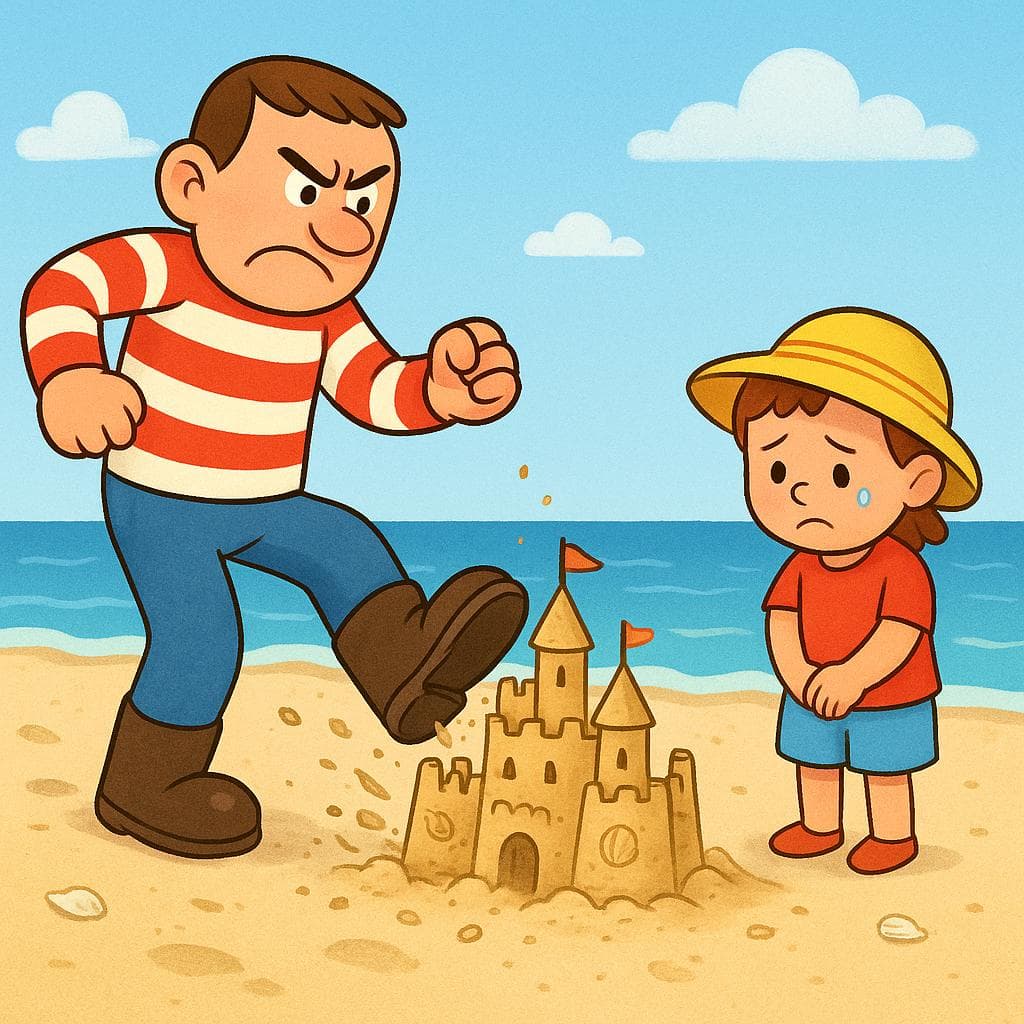
Ese hombre es una persona despreciable por cómo trata a los demás.
That man is a despicable person because of how he treats others.
One size fits all
This word ends in -e, which means it doesn't change whether you are talking about a man or a woman. You can say 'un hombre despreciable' or 'una mujer despreciable'.
Don't confuse with 'depreciable'
Mistake: “Using 'despreciable' when talking about a car losing value.”
Correction: Use 'depreciable' for financial value and 'despreciable' for moral value or tiny amounts.
asquerosa
as-keh-RO-sahaskeˈɾosa
Examples
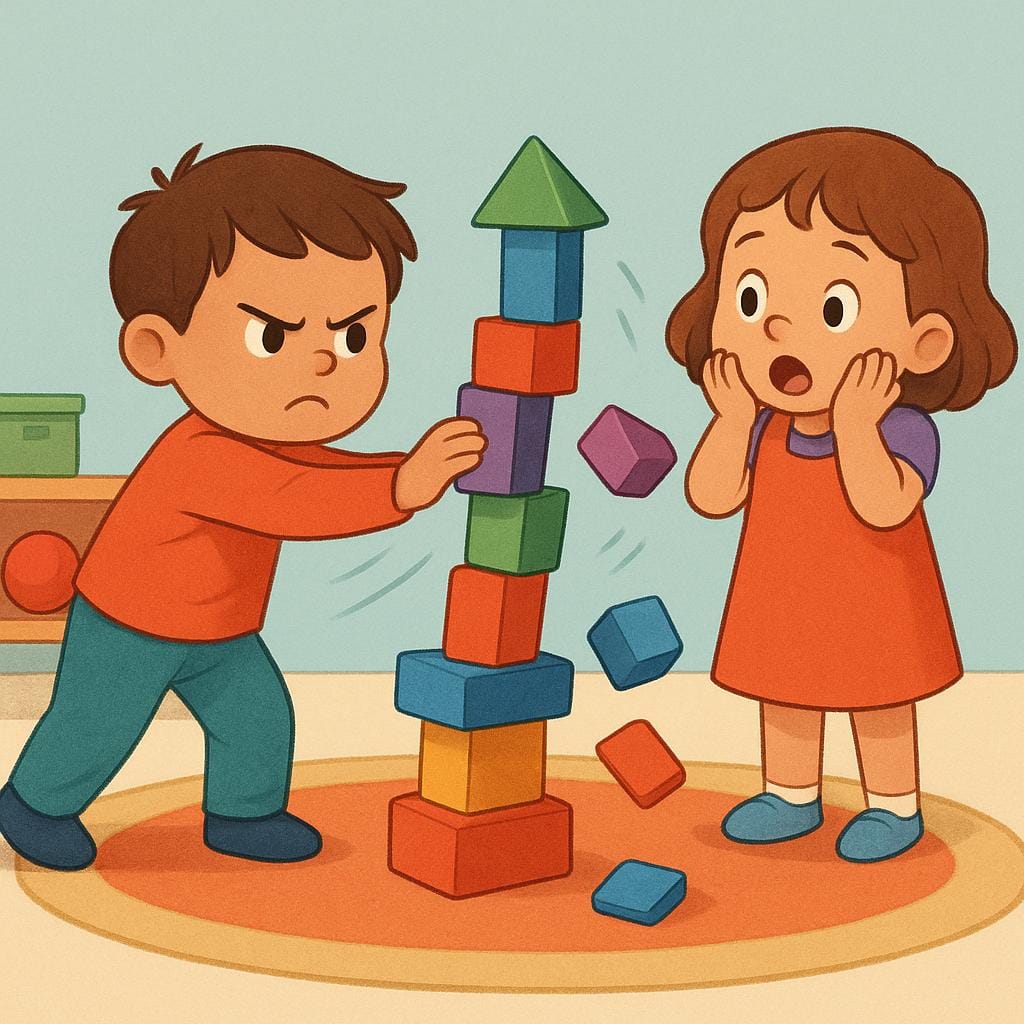
Ella fue muy asquerosa conmigo sin motivo.
She was very nasty to me for no reason.
Dijo una mentira asquerosa sobre su amiga.
She told a vile lie about her friend.
Describing People
When you call a woman 'asquerosa', you are usually saying she is a 'nasty person' or has a 'repulsive personality'.
mezquino
mess-KEE-nohmesˈkino

Examples
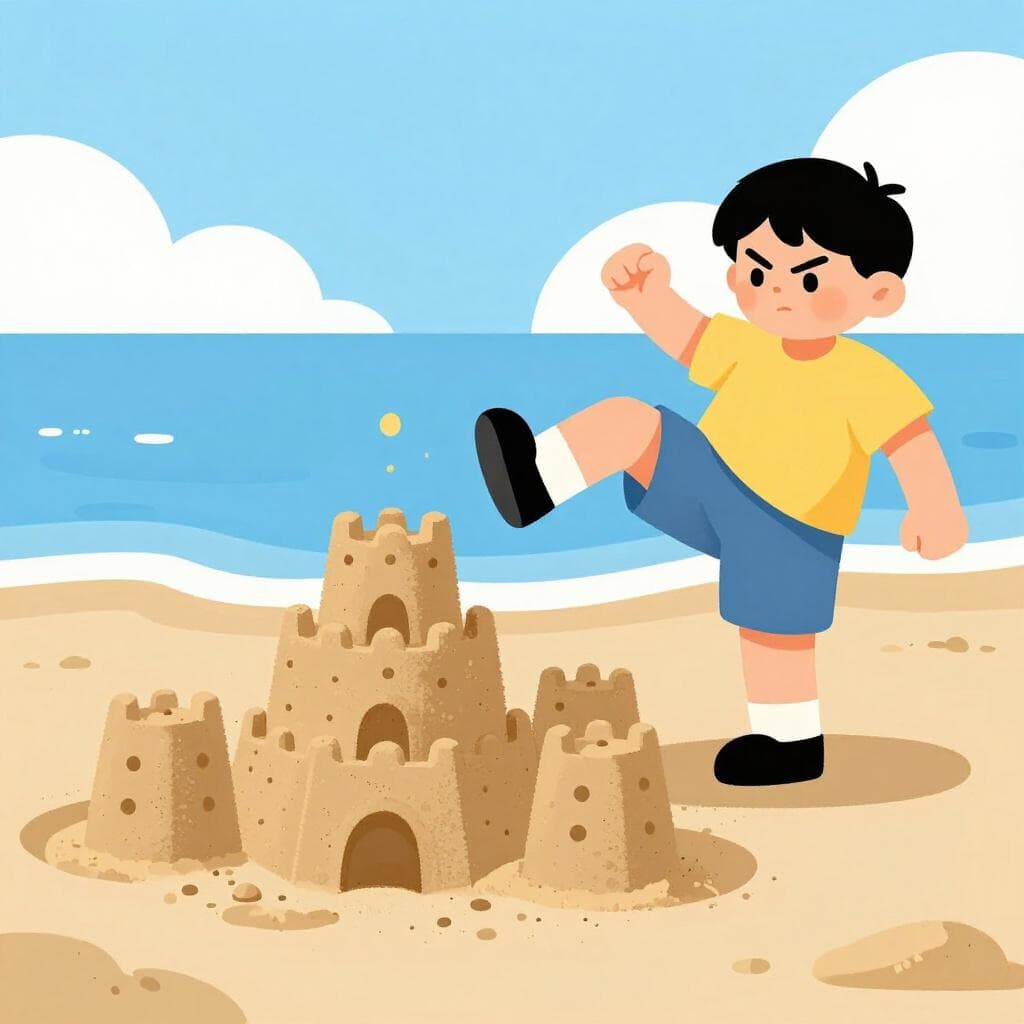
Fue un gesto mezquino burlarse de su error.
It was a mean-spirited gesture to mock his mistake.
Sus intenciones eran mezquinas desde el principio.
His intentions were despicable from the start.
No pierdas tiempo con gente mezquina.
Don't waste time with nasty/small-minded people.
Position for Emphasis
Putting 'mezquino' before a noun (e.g., 'su mezquino comportamiento') emphasizes your emotional reaction to the bad behavior.
Too harsh?
Mistake: “Using 'mezquino' for a lighthearted joke.”
Correction: 'Mezquino' is quite a strong word. If someone is just being a bit mean, 'malo' or 'pesado' is better.
infame
een-FAH-mehinˈfame

Examples
El dictador cometió crímenes infames contra su propio pueblo.
The dictator committed vile crimes against his own people.
Nos dieron una comida infame en ese restaurante.
They gave us an atrocious meal at that restaurant.
Hacía un tiempo infame, así que nos quedamos en casa.
The weather was wretched, so we stayed home.
One Form for All
This word ends in -e, which means it doesn't change for boys or girls. You can say 'un hombre infame' or 'una mujer infame'.
Placement for Drama
If you put 'infame' before the noun (un infame crimen), it sounds more poetic and dramatic than putting it after.
Don't confuse with 'famous'
Mistake: “Thinking 'infame' means 'very famous'.”
Correction: It means famous for a BAD reason (infamous) or just plain evil. If you want to say someone is famous, use 'famoso'.
miserable
mee-seh-RAH-blehmi.seˈɾa.βle

Examples
Solo un miserable haría algo tan cruel.
Only a despicable person (a scoundrel) would do something so cruel.
No seas tan miserable y comparte tus galletas.
Don't be so mean-spirited (or stingy) and share your cookies.
Using it as a Noun
You can use 'miserable' just like a noun (a person) by adding 'el' or 'la.' This is a very strong insult, calling someone a 'wretch' or 'scoundrel'.
vil
beelbil

Examples
Fue un acto vil que nadie pudo perdonar.
It was a vile act that no one could forgive.
El villano tenía un plan vil para engañar a todo el pueblo.
The villain had a despicable plan to trick the whole town.
No seas tan vil de traicionar a tus propios amigos.
Don't be so mean as to betray your own friends.
One Form for All
This adjective is 'neutral' regarding gender. It stays the same whether you are talking about a man ('un hombre vil') or a woman ('una mujer vil').
Placement for Drama
While it usually comes after the person or thing you are describing, putting it before the noun ('un vil engaño') adds a dramatic, poetic emphasis often found in books.
Confusing 'Vile' with 'Gross'
Mistake: “Using 'vil' to describe disgusting food.”
Correction: Use 'asqueroso' for things that are physically gross. 'Vil' is used for bad character or immoral behavior.
villano
bee-YAH-nohbiˈʝano

Examples
Fue una acción villana que nadie esperaba.
It was a wicked action that nobody expected.
Adjective Agreement
As an adjective (a describing word), 'villano' must match the person or thing it describes. Say 'un hombre villano' but 'una mujer villana'.
canalla
kah-NAH-yahkaˈnaʎa
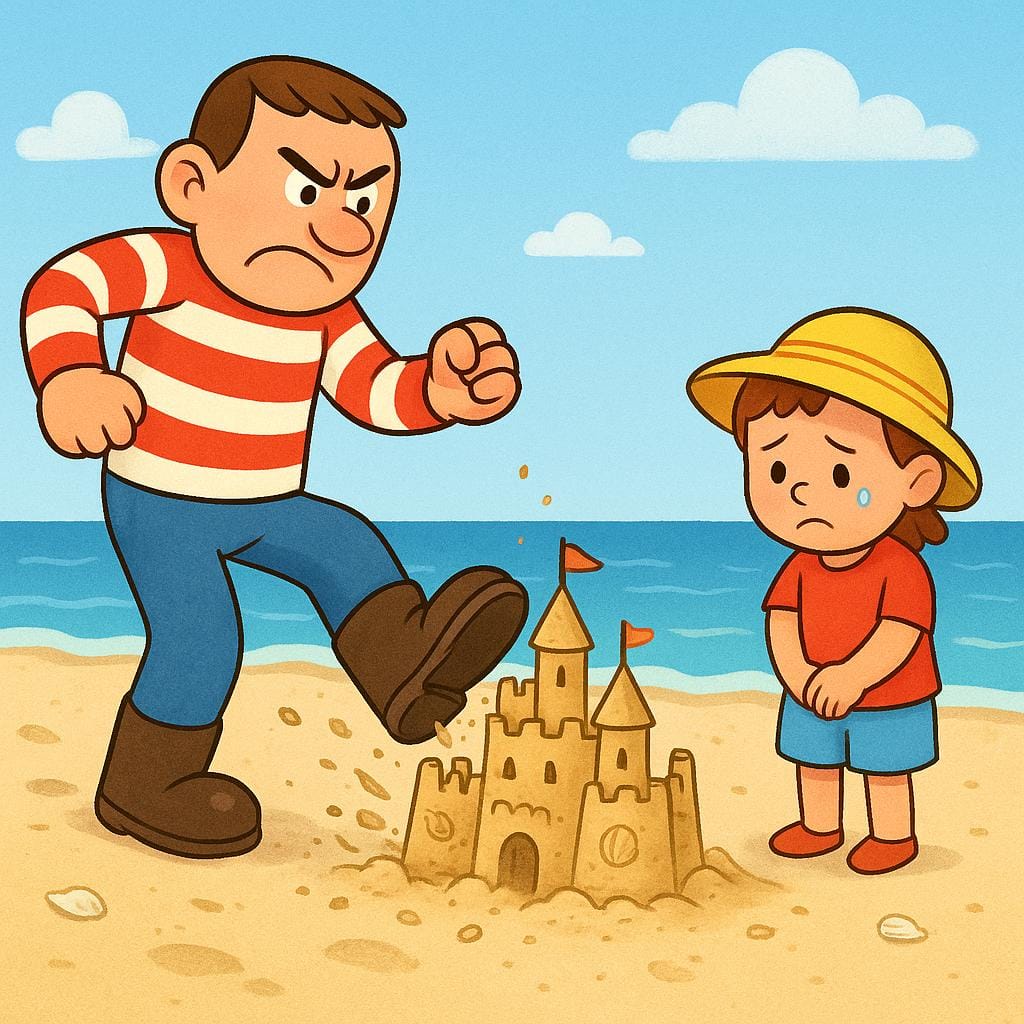
Examples
Fue un gesto canalla dejar a su amigo solo en el problema.
It was a despicable gesture to leave his friend alone with the problem.
Su comportamiento canalla en la reunión ofendió a todos.
His vile behavior at the meeting offended everyone.
Adjective Placement
As an adjective, canalla usually follows the noun it describes (un gesto canalla), which is common for adjectives that express strong judgment or quality.
Choosing Between 'Despreciable' and 'Asquerosa'
Related Translations
Learn Spanish with Inklingo
Interactive stories, personalized learning, and more.