How to Say "villain" in Spanish
The most common Spanish word for “villain” is “villano” — use 'villano' when referring to the antagonist or bad guy specifically within a narrative like a movie, book, or play.

Use 'villano' when referring to the antagonist or bad guy specifically within a narrative like a movie, book, or play.
Learn more →
Choose 'canalla' for someone who is a scoundrel, rascal, or morally despicable person, often in a more informal or generalized sense.
Learn more →
Use 'malvado' to describe the main evil character in a story, emphasizing their wickedness.
Learn more →
Opt for 'perverso' when referring to someone who is perverse or wickedly evil, often implying a deliberate or cruel nature.
Learn more →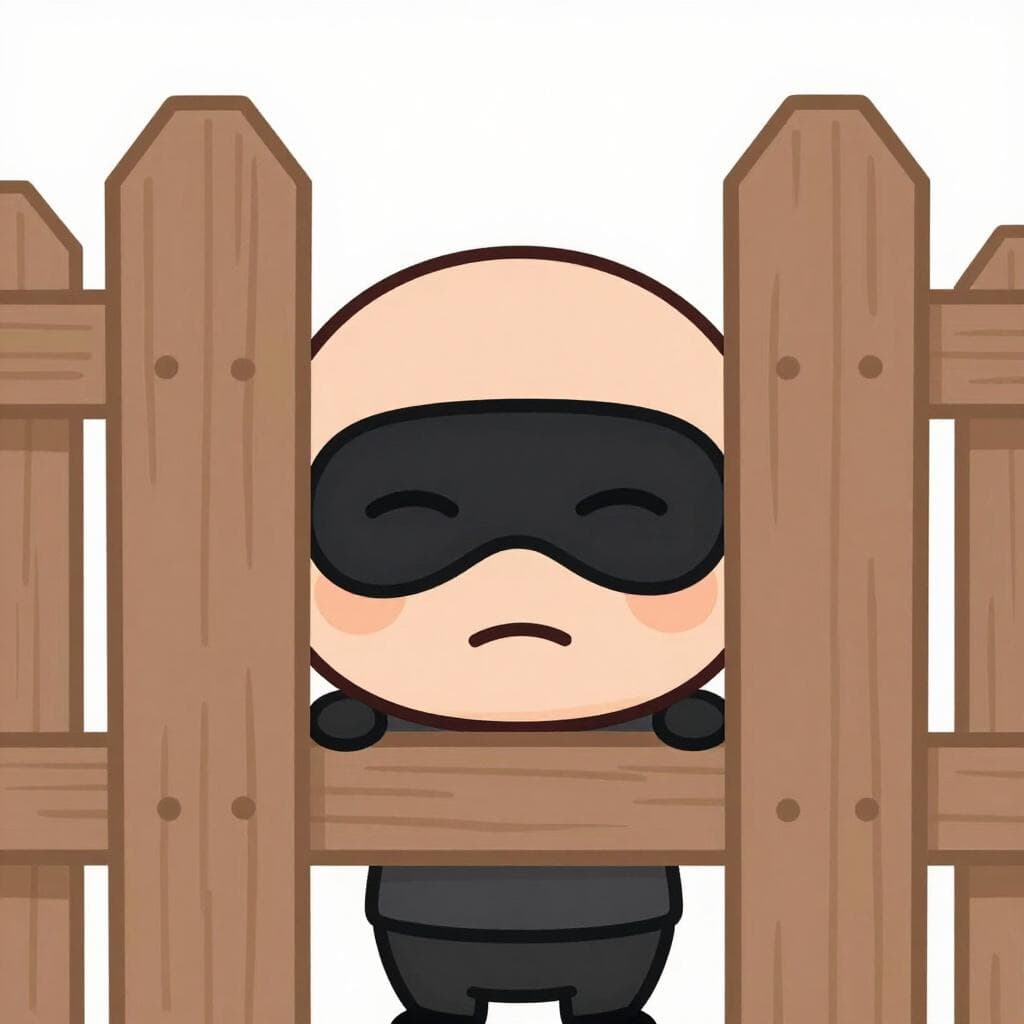
Use 'infame' for a person who is infamous or notoriously wicked, someone widely known for their bad deeds.
Learn more →bee-YAH-nohbiˈʝano

Examples
El villano de la película tiene un plan secreto.
The villain of the movie has a secret plan.
A veces los villanos son más interesantes que los héroes.
Sometimes villains are more interesting than heroes.
Gender of the word
This word is a noun (a naming word). When referring to a male or using it generally, use 'el villano.' For a female character, change it to 'la villana.'
Villano vs. Malo
Mistake: “Using 'villano' for someone who is just being annoying.”
Correction: Use 'malo' for general bad behavior. 'Villano' is usually reserved for dramatic, evil characters in fiction.
kah-NAH-yahkaˈnaʎa

Examples
El presidente de la compañía resultó ser un canalla que robó a sus empleados.
The president of the company turned out to be a scoundrel who stole from his employees.
¡Eres una canalla por haber mentido así!
You are a villain for having lied like that!
Gender Flexibility
Even though canalla ends in -a, it can easily refer to both men (el canalla) and women (la canalla). The word itself stays the same.
Using it too lightly
Mistake: “Using 'canalla' for a minor annoyance.”
Correction: This word carries strong negative weight. Use lighter words like 'travieso' (naughty) for small offenses. Reserve 'canalla' for genuine acts of betrayal or cruelty.
mal-VAH-domalˈbaðo

Examples
El malvado fue desenmascarado justo antes de que pudiera ejecutar su plan.
The villain was unmasked just before he could execute his plan.
En las caricaturas, el malvado siempre tiene un bigote grande.
In cartoons, the villain always has a big mustache.
The Adjective as a Noun
When you put an article (el, la, los, las) directly before an adjective like 'malvado,' it changes the adjective into a noun, meaning 'the evil one' or 'the wicked person.' This is a very common structure in Spanish!
per-BEHR-sohpeɾˈβeɾso

Examples
El perverso siempre encuentra una excusa para sus actos.
The wicked person always finds an excuse for their actions.
No debemos dejarnos engañar por los perversos.
We must not let ourselves be fooled by the wicked.
Turning Adjectives into Nouns
In Spanish, you can turn many adjectives into nouns just by adding 'el' or 'la' in front. 'El perverso' literally means 'the wicked one'.
een-FAH-mehinˈfame
Examples
¡Vete de aquí, infame!
Get out of here, you scoundrel!
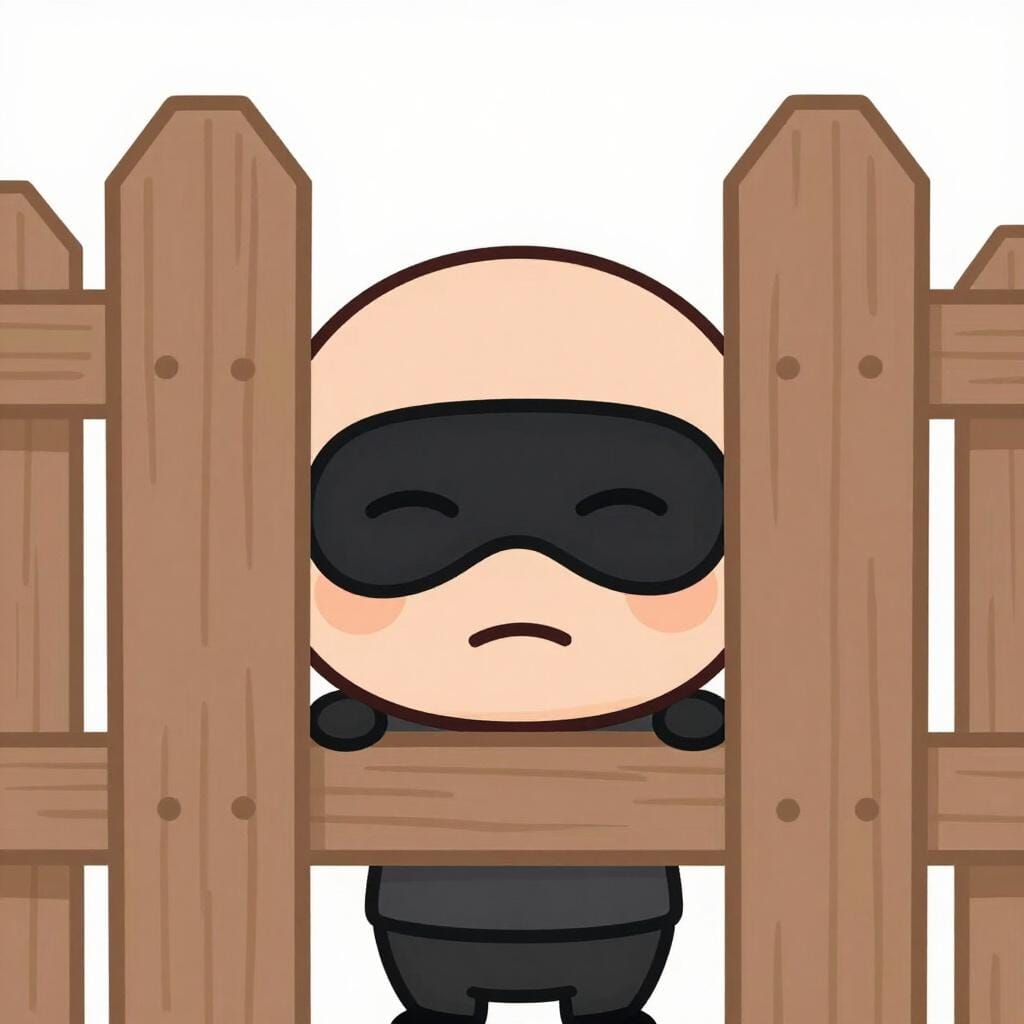
El infame huyó antes de que llegara la policía.
The villain fled before the police arrived.
Nadie quería hablar con aquel infame.
Nobody wanted to speak with that wretch.
Using Adjectives as People
In Spanish, you can turn many adjectives into nouns by adding 'el' or 'la'. So 'infame' (vile) becomes 'el infame' (the vile person).
Story Villains vs. General Bad Guys
The most common mistake is using 'villano' for any bad person. Remember that 'villano' specifically refers to the antagonist in a fictional narrative. For a generally wicked person outside of a story, 'canalla' or 'malvado' are often better choices.
Related Translations
Learn Spanish with Inklingo
Interactive stories, personalized learning, and more.