How to Say "wicked" in Spanish
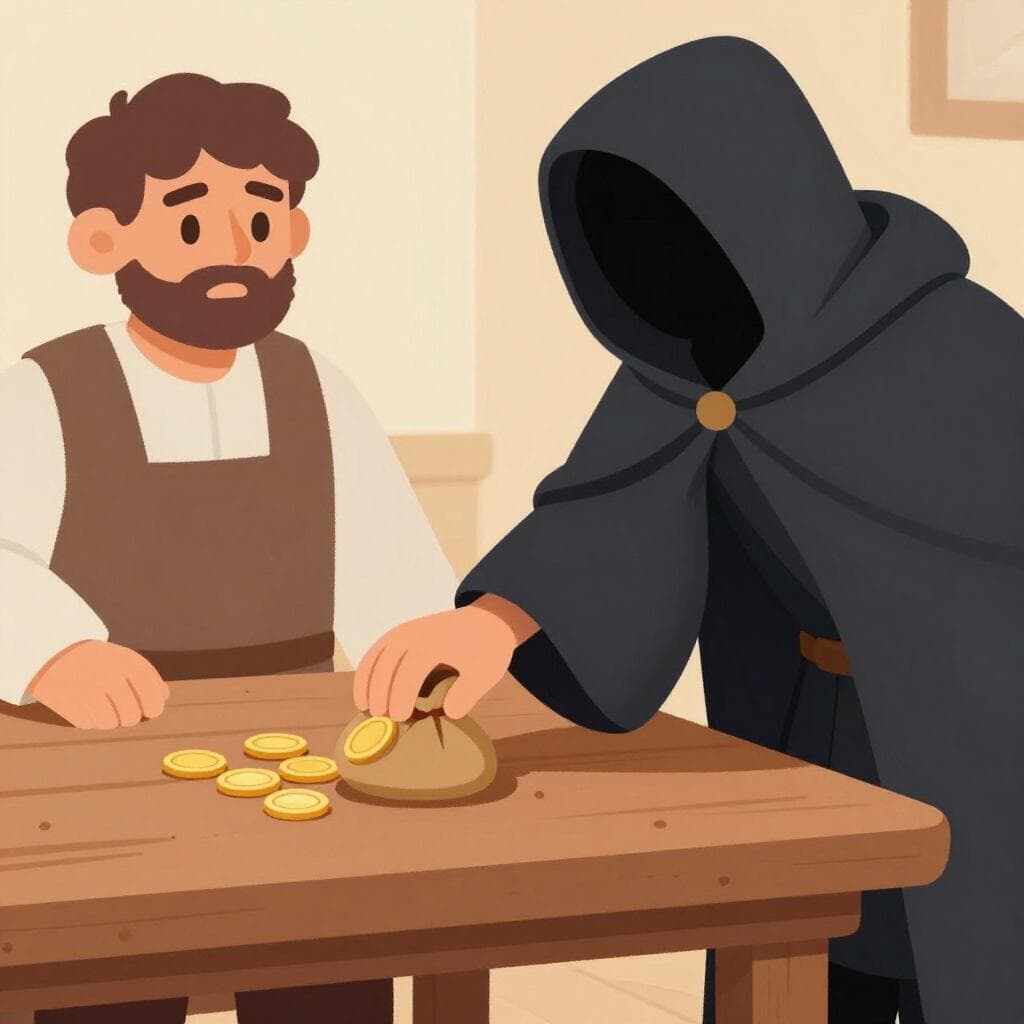
The most common Spanish word for “wicked” is “malo” — use this for a general, often literary or dramatic, sense of 'bad' or 'evil,' commonly applied to villains in stories.







malo
MAH-loh'malo

Examples
El villano de la historia es un hombre muy malo.
The villain of the story is a very evil man.
No comas ese pollo, está malo.
Don't eat that chicken, it's spoiled.
Me siento un poco malo hoy, creo que tengo fiebre.
I feel a little sick today, I think I have a fever.
Using 'ser' vs. 'estar'
'Ser malo' describes a permanent quality, like a person's character ('Él es malo' - He is an evil person). 'Estar malo' describes a temporary state, like spoiled food ('La leche está mala') or being sick ('Estoy malo').
Mixing up 'ser' and 'estar'
Mistake: “La sopa es mala.”
Correction: La sopa está mala. If you mean the soup has gone bad, use 'estar'. Saying 'es mala' suggests the recipe itself is fundamentally bad.
malvado
mal-VAH-domalˈbaðo

Examples
El dictador era famoso por sus actos malvados contra su propio pueblo.
The dictator was famous for his wicked acts against his own people.
Ella puso una sonrisa malvada cuando ganó la partida.
She put on an evil smile when she won the game.
Gender and Number Match
Remember that 'malvado' is an adjective, so it must change its ending to match the thing it describes. Use 'malvada' for feminine singular (la bruja malvada) and 'malvados/malvadas' for plural.
Confusing 'Malo' and 'Malvado'
Mistake: “Using 'malo' when you mean truly evil.”
Correction: 'Malo' usually means 'bad' or 'poor quality.' Use 'malvado' when you mean 'wicked' or 'evil' in a moral sense. 'Una manzana mala' (A bad apple) vs. 'Un hombre malvado' (A wicked man).
maligno
mah-LEEG-nohmaˈliɣno

Examples
El villano de la película tenía un plan maligno.
The movie villain had an evil plan.
Había una presencia maligna en la vieja casa abandonada.
There was an evil presence in the old abandoned house.
No te dejes llevar por esos pensamientos malignos.
Don't let yourself be carried away by those wicked thoughts.
Matching the Word Ending
Since this is an adjective, you must change the ending to match what you are describing. Use 'maligno' for masculine things (un plan) and 'maligna' for feminine things (una risa).
Where to Put the Word
In most cases, you should place this word after the noun it describes to sound natural (e.g., 'el genio maligno').
Don't use it for small 'bad' things
Mistake: “Esa manzana es maligna.”
Correction: Esa manzana está mala. (Use 'maligno' for serious evil or harm, not for rotten food or small mistakes.)
perverso
per-BEHR-sohpeɾˈβeɾso

Examples
El villano de la película tenía un plan perverso para dominar la ciudad.
The movie villain had a wicked plan to take over the city.
A veces las redes sociales pueden tener un efecto perverso en la autoestima.
Sometimes social media can have a perverse (harmful/opposite) effect on self-esteem.
Es una mente perversa que disfruta con el sufrimiento ajeno.
It is a twisted mind that enjoys the suffering of others.
Matching Gender and Number
Remember that this word changes to 'perversa' if you are describing something feminine, and you add an 's' (perversos/perversas) for groups.
Placement for Emphasis
Placing 'perverso' after the noun (e.g., 'un hombre perverso') sounds factual, while placing it before (e.g., 'un perverso hombre') adds a more dramatic, poetic, or storytelling tone.
Don't confuse with 'travieso'
Mistake: “Calling a naughty child 'perverso'.”
Correction: Use 'travieso' for children who are playful/naughty. 'Perverso' implies real malice or evil.
Perverso vs. Pervertido
Mistake: “Using 'perverso' exclusively for sexual contexts.”
Correction: While they can overlap, 'pervertido' is specifically 'perverted' in a sexual sense, whereas 'perverso' is much broader, usually meaning 'wicked' or 'cruel'.
maldita
mal-DEE-tahmalˈdita

Examples
La leyenda cuenta la historia de una bruja maldita.
The legend tells the story of a cursed witch.
Creían que la casa estaba maldita y por eso nadie la compraba.
They believed the house was cursed, and that's why nobody would buy it.
Es una persona maldita, no tiene compasión por nadie.
She is a wicked person; she has no compassion for anyone.
Placement Changes Meaning
When 'maldita' comes after the thing it describes (e.g., 'la casa maldita'), it usually carries this more literal meaning of being cursed. This is the opposite of the frustration meaning, which comes before.
villano
bee-YAH-nohbiˈʝano

Examples
Fue una acción villana que nadie esperaba.
It was a wicked action that nobody expected.
Adjective Agreement
As an adjective (a describing word), 'villano' must match the person or thing it describes. Say 'un hombre villano' but 'una mujer villana'.
inmoral
een-mo-RAHLinmoˈɾal

Examples
Mentir a los padres es un acto inmoral.
Lying to your parents is an immoral act.
Mucha gente piensa que las apuestas son inmorales.
Many people think that gambling is immoral.
La prensa criticó la conducta inmoral del político.
The press criticized the politician's immoral conduct.
One Form for Everyone
This word doesn't change for boys or girls. You say 'el hombre inmoral' and 'la mujer inmoral'. It always ends in -l.
Adding the 'not'
Just like in English we add 'im-' to 'moral' to make 'immoral', Spanish uses 'in-'. It's a simple way to say something is 'not' moral.
The 'Inmora' Mistake
Mistake: “La acción es inmora.”
Correction: La acción es inmoral. Words ending in -l in Spanish usually don't have a special feminine version ending in -a.
brutal
broo-TAHLbɾuˈtal

Examples
¡Ese concierto fue brutal! Tocaron mis canciones favoritas.
That concert was awesome! They played my favorite songs.
Tienes un coche brutal; ¿cuánto corre?
You have an amazing car; how fast does it go?
El dolor de cabeza que tengo es brutal.
The headache I have is intense (extreme).
Gender Invariable
'Brutal' is one of those adjectives that stays the same whether the noun is masculine or feminine: 'un coche brutal' (m.) and 'una película brutal' (f.).
Using 'Muy' with Slang
Mistake: “Muy brutal”
Correction: Just use 'brutal' on its own. Since 'brutal' already means 'extremely good,' adding 'muy' (very) is redundant and sounds unnatural in slang contexts.
Distinguishing Evil from Awesome
Related Translations
Learn Spanish with Inklingo
Interactive stories, personalized learning, and more.