How to Say "bad" in Spanish
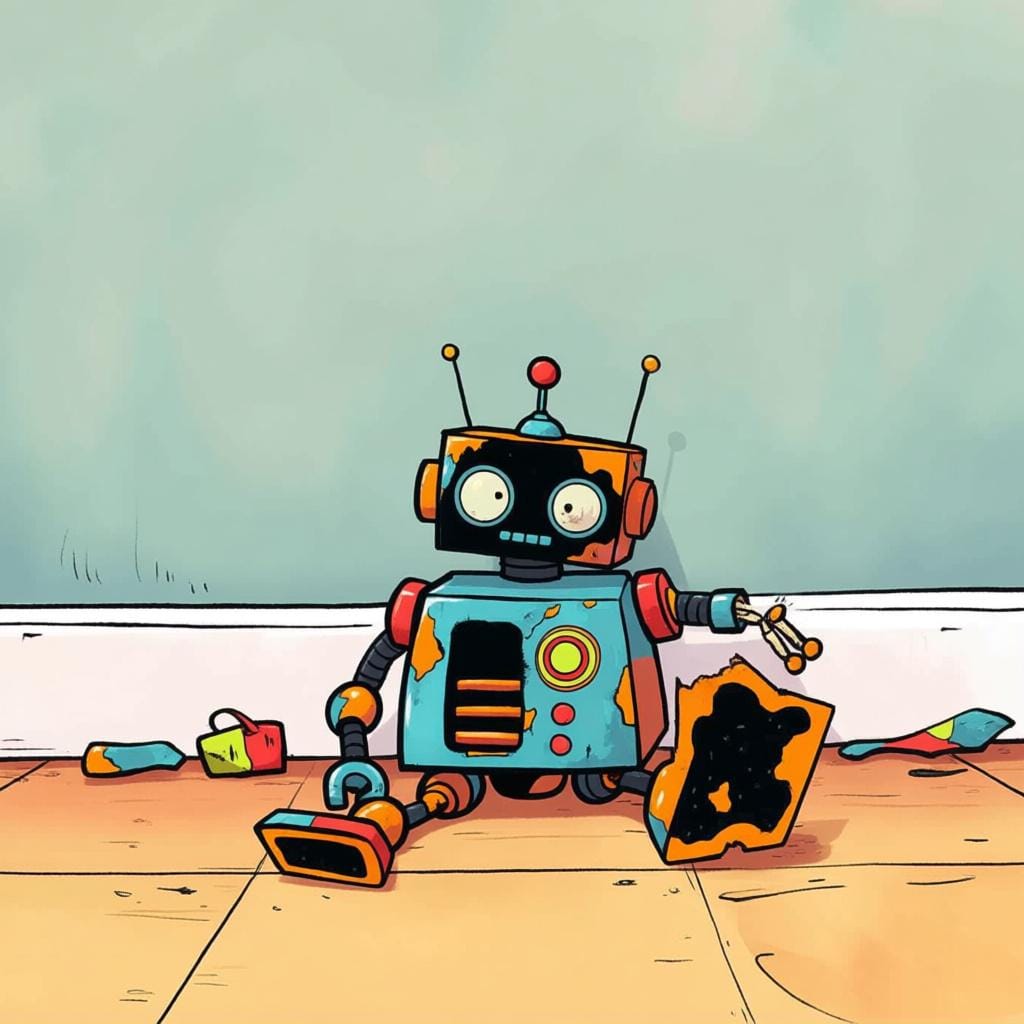
The most common Spanish word for “bad” is “malo” — use 'malo' as a general adjective to describe a noun when its quality is poor or undesirable, like a bad book or a bad person.

malo
MAH-loh'malo
Examples
Este es un libro malo; no me gusta.
This is a bad book; I don't like it.
Tuve un mal día en el trabajo.
I had a bad day at work.
La película tiene un final muy malo.
The movie has a very bad ending.
Shortening 'malo' to 'mal'
When 'malo' comes right before a masculine word, it shortens to 'mal'. For example, you say 'un mal día' (a bad day), not 'un malo día'.
Matching the Noun
Like most adjectives, 'malo' changes to match the thing it describes: 'malo' (masculine singular), 'mala' (feminine singular), 'malos' (masculine plural), and 'malas' (feminine plural).
Forgetting to shorten to 'mal'
Mistake: “Tengo un malo presentimiento.”
Correction: Tengo un mal presentimiento. (I have a bad feeling.) Remember to drop the '-o' before a single masculine thing.
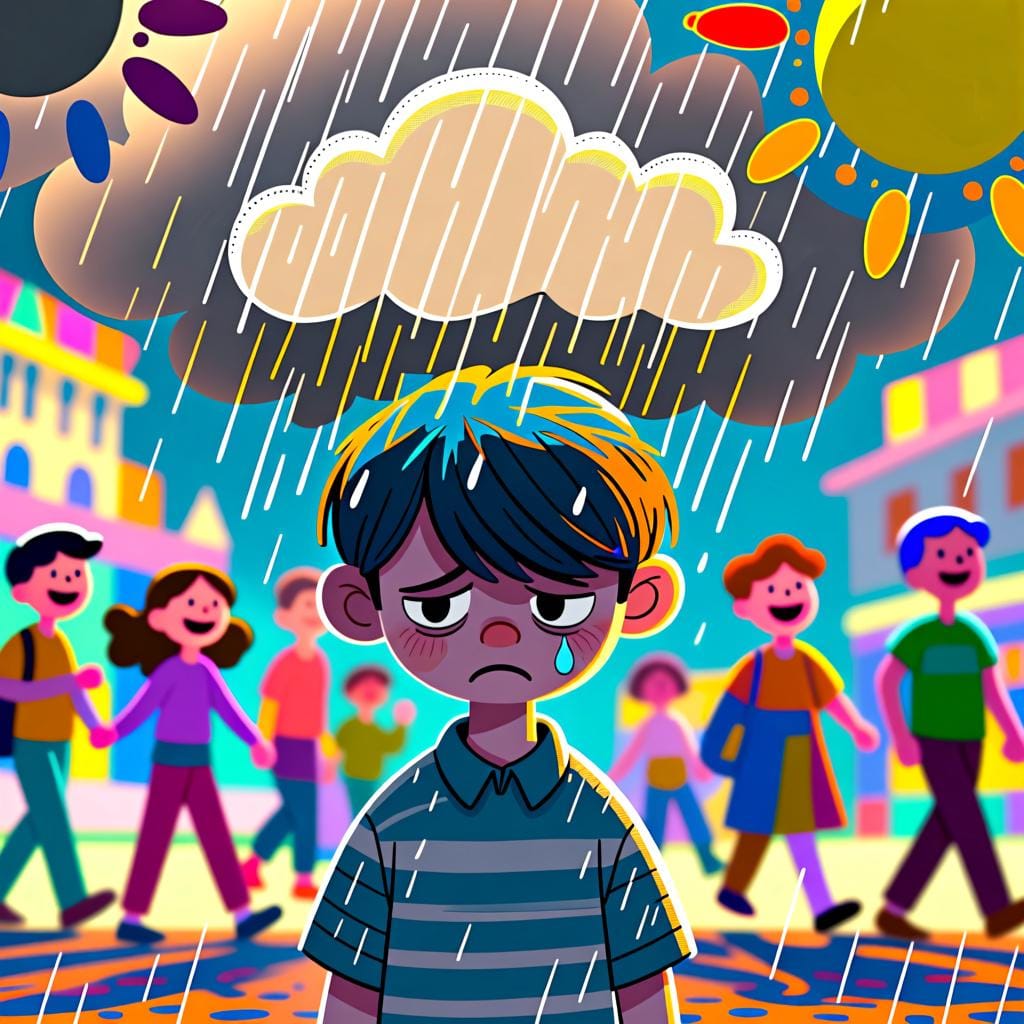
mal
malmal
Examples
Hoy es un mal día para ir a la playa.
Today is a bad day to go to the beach.
Fue un malentendido.
It was a misunderstanding.
El lobo es el mal personaje del cuento.
The wolf is the bad character in the story.
The Shortening Rule
The adjective 'malo' changes to 'mal' ONLY when it comes right before a masculine noun. For example, 'un día malo' becomes 'un mal día'.
Using `mal` after the noun
Mistake: “Es un día mal.”
Correction: Es un día malo. The short form 'mal' can only go before the noun. If you put the adjective after, you must use the full form 'malo'.
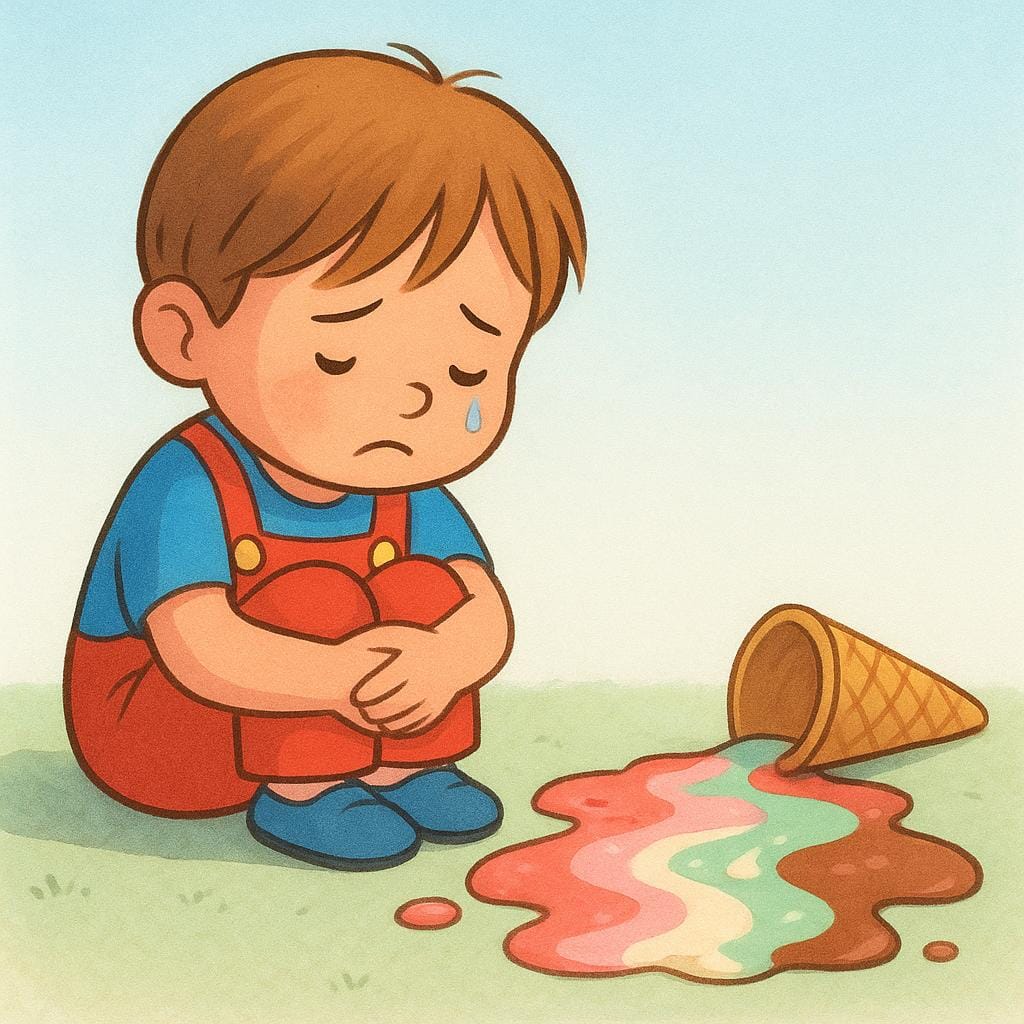
feo
FAY-ohˈfe.o
Examples
Tuvimos un momento feo cuando se rompió la máquina.
We had a bad/unpleasant moment when the machine broke.
El jefe nos puso en un aprieto feo.
The boss put us in a nasty situation.
Hizo un tiempo muy feo toda la semana.
The weather was very nasty/bad all week.
Describing Situations
When 'feo' is applied to abstract concepts like 'momento' (moment) or 'asunto' (matter), it takes on the meaning of unpleasant, difficult, or morally wrong.
fea
FEH-ahˈfe.a

Examples
La pintura que compró es realmente fea.
The painting she bought is really ugly.
Tuvimos una experiencia muy fea en el viaje.
We had a very nasty/bad experience on the trip.
¡Qué fea está la tormenta!
What a bad storm!
Gender Agreement
'Fea' is the feminine singular form. Remember that adjectives must match the noun they describe: use 'fea' for singular, feminine nouns (like 'chica' or 'mesa').
Placement
Like most Spanish adjectives, 'fea' usually comes immediately after the noun it describes: 'la casa fea' (the ugly house).
Mixing Genders
Mistake: “El perro es fea.”
Correction: El perro es feo. (The dog is masculine, so the adjective must be 'feo'.)
negativo
neh-gah-TEE-vohne.ɣaˈti.βo
Examples
Su actitud es muy negativa cuando hablamos de trabajo.
His attitude is very negative when we talk about work.
La respuesta a mi solicitud fue negativa.
The answer to my application was negative (a rejection).
El impacto ambiental del proyecto es negativo.
The environmental impact of the project is unfavorable.
Adjective Agreement
Since 'negativo' is an adjective, it must change its ending to match the thing it describes. Use 'negativa' for feminine things (like 'respuesta') and 'negativos' or 'negativas' for plural things.
Incorrect Gender
Mistake: “La situación es negativo.”
Correction: La situación es negativa. (Since 'situación' is feminine, the adjective must end in -a.)
Malo vs. Mal
Learn Spanish with Inklingo
Interactive stories, personalized learning, and more.