Inklingo

malvado

/mal-VAH-do/

wicked

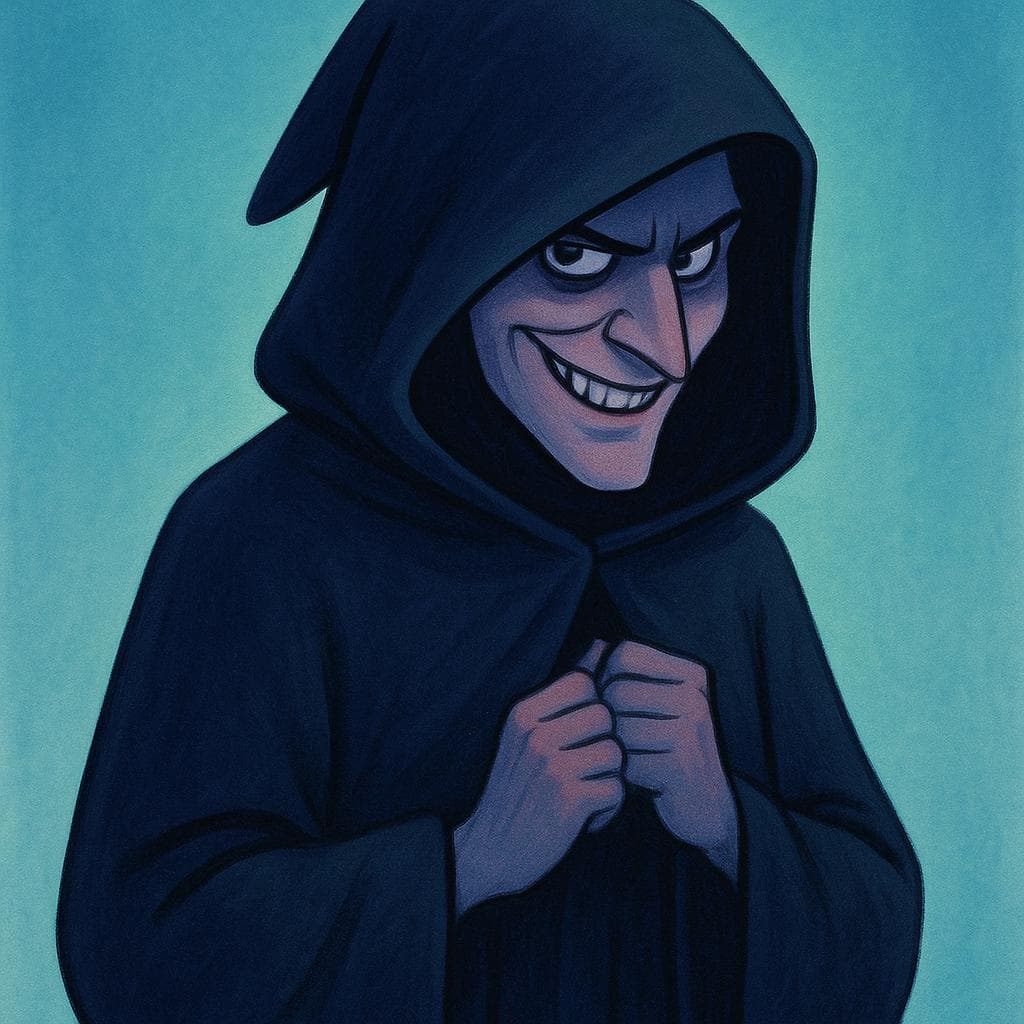
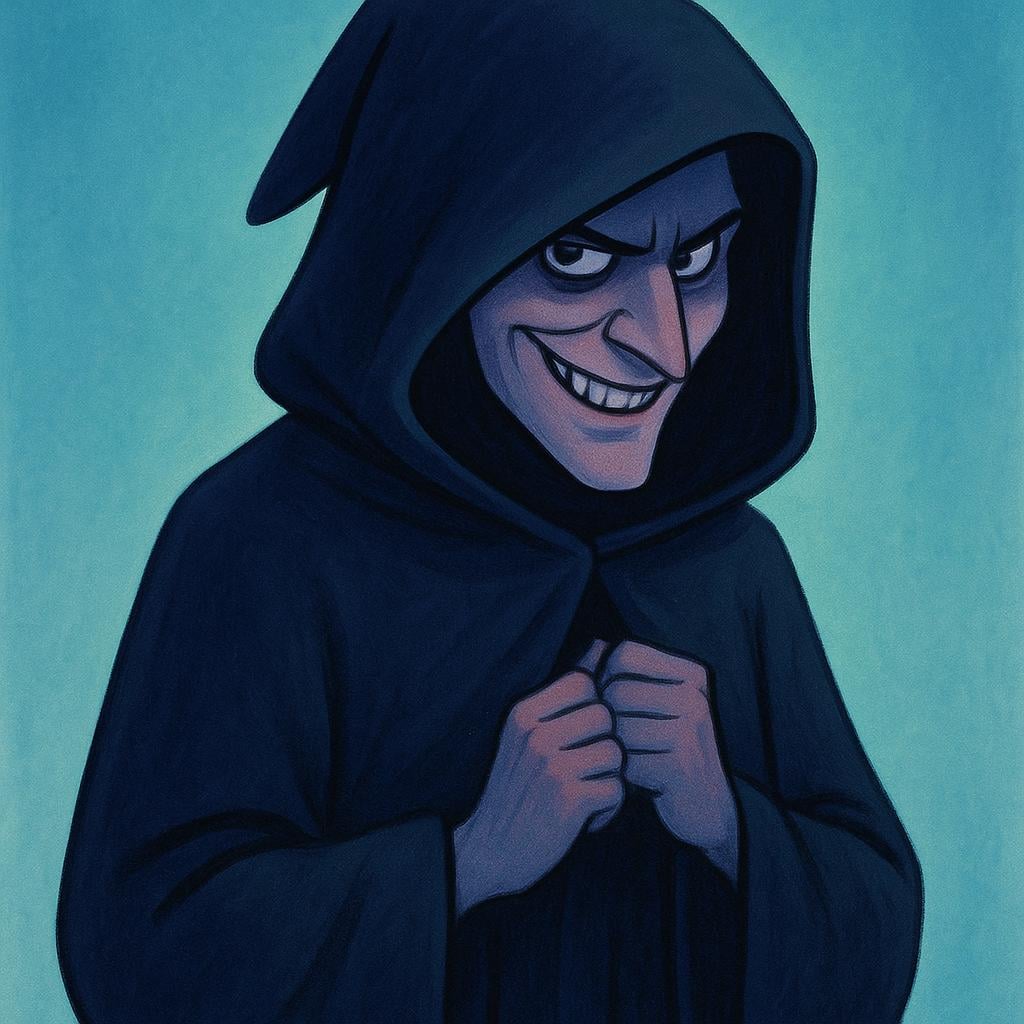
A high quality storybook illustration showing a sinister, dark-cloaked figure with a sharp, cruel grin, standing against a simple, colorful background, symbolizing wickedness.

When used as an adjective, malvado means morally bad or wicked.

malvado(Adjective)

mB1

wicked

?

morally bad or cruel

,

evil

?

extremely harmful or bad

Also:

malicious

?

intending to cause harm

📝 In Action

El dictador era famoso por sus actos malvados contra su propio pueblo.

B2

The dictator was famous for his wicked acts against his own people.

Ella puso una sonrisa malvada cuando ganó la partida.

B1

She put on an evil smile when she won the game.

Word Connections

Synonyms

  • cruel (cruel)
  • perverso (perverse)
  • maligno (malignant)

Antonyms

  • bondadoso (kind)
  • bueno (good)

Common Collocations

  • intención malvadawicked intention
  • risa malvadaevil laugh

💡 Grammar Points

Gender and Number Match

Remember that 'malvado' is an adjective, so it must change its ending to match the thing it describes. Use 'malvada' for feminine singular (la bruja malvada) and 'malvados/malvadas' for plural.

❌ Common Pitfalls

Confusing 'Malo' and 'Malvado'

Mistake: "Using 'malo' when you mean truly evil."

Correction: 'Malo' usually means 'bad' or 'poor quality.' Use 'malvado' when you mean 'wicked' or 'evil' in a moral sense. 'Una manzana mala' (A bad apple) vs. 'Un hombre malvado' (A wicked man).

⭐ Usage Tips

Context of Use

This word is often used in literary or dramatic contexts, like describing fairy tale characters, fictional villains, or truly heinous crimes. It’s less common for describing everyday annoyances.

A high quality storybook illustration of a classic antagonist or villain wearing a dramatic, dark cape and a stylized, pointed helmet, standing ready for conflict.

As a noun, malvado refers to a villain or the main evil character in a story.

malvado(Noun)

mB2

villain

?

main evil character in a story

,

evil person

?

a wicked individual

Also:

scoundrel

?

a morally bad person (less intense)

📝 In Action

El malvado fue desenmascarado justo antes de que pudiera ejecutar su plan.

B1

The villain was unmasked just before he could execute his plan.

En las caricaturas, el malvado siempre tiene un bigote grande.

A2

In cartoons, the villain always has a big mustache.

Word Connections

Synonyms

  • villano (villain)
  • tirano (tyrant)

Antonyms

  • héroe (hero)
  • protagonista (protagonist)

💡 Grammar Points

The Adjective as a Noun

When you put an article (el, la, los, las) directly before an adjective like 'malvado,' it changes the adjective into a noun, meaning 'the evil one' or 'the wicked person.' This is a very common structure in Spanish!

⭐ Usage Tips

Referring to People

If you are referring to a female villain, you must use 'la malvada' (the villainess). The masculine form 'el malvado' is used for male villains.

✏️ Quick Practice

💡 Quick Quiz: malvado

Question 1 of 1

Which sentence correctly uses 'malvado' as a noun?

📚 More Resources

Frequently Asked Questions

What is the difference between 'malo' and 'malvado'?

'Malo' is the general word for 'bad' (e.g., 'bad food,' 'bad weather'). 'Malvado' is much stronger and is reserved for moral evil, cruelty, or wickedness. Think of 'malvado' as truly evil, like a cartoon villain.

How do I make 'malvado' feminine and plural?

Since it ends in -o, you change it like a regular adjective: Feminine singular is 'malvada.' Plural masculine is 'malvados.' Plural feminine is 'malvadas.'