asquerosa
“asquerosa” means “disgusting” in Spanish. It has 2 different meanings depending on context:
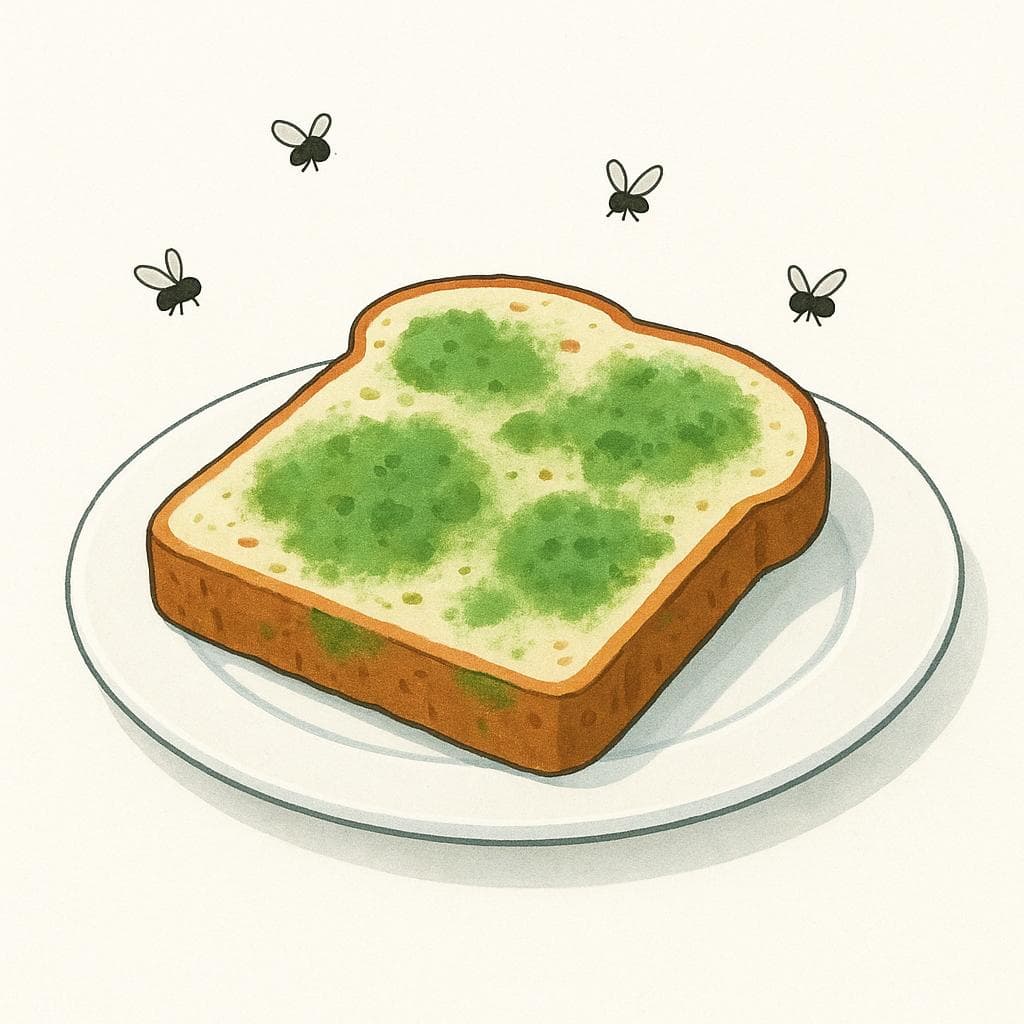
disgusting
Also: gross, revolting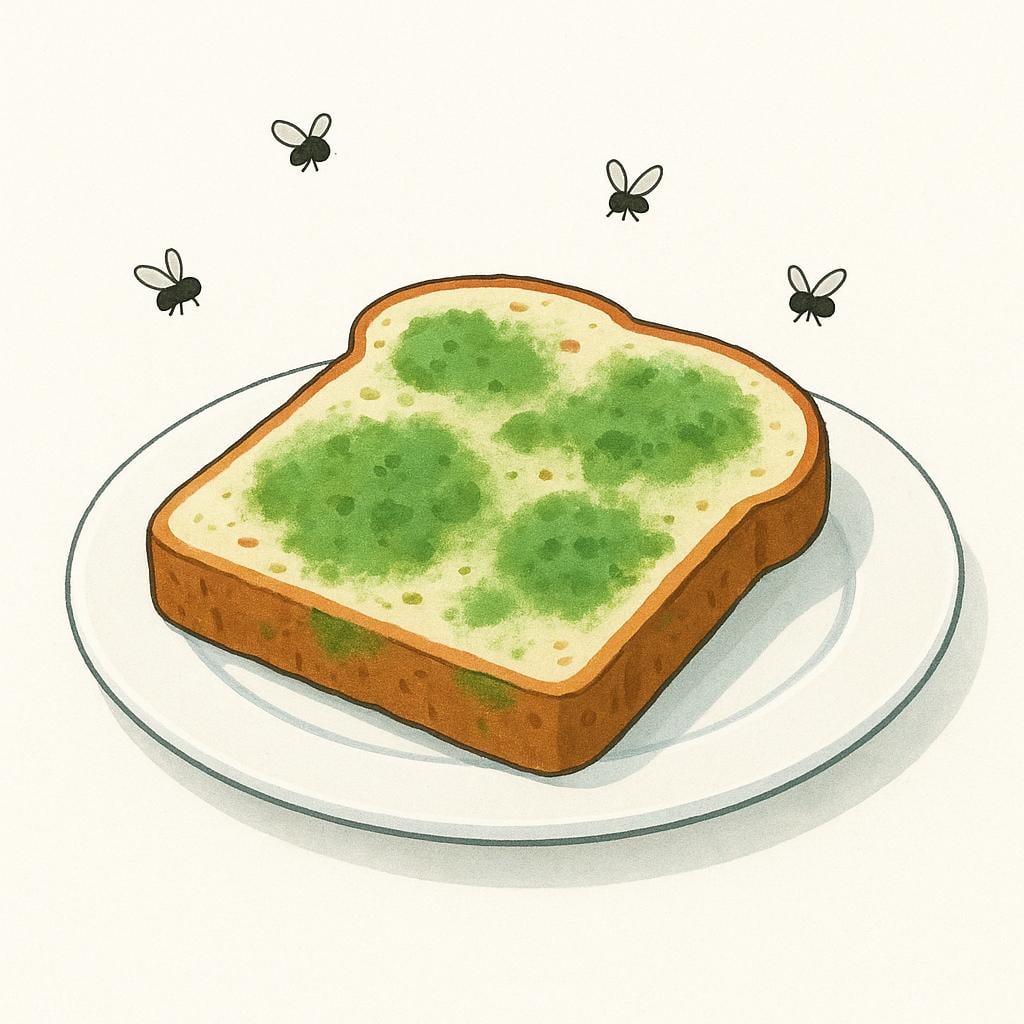
📝 In Action
La cocina estaba asquerosa después de la fiesta.
A2The kitchen was disgusting after the party.
No comas esa manzana, está asquerosa.
A2Don't eat that apple; it's gross.
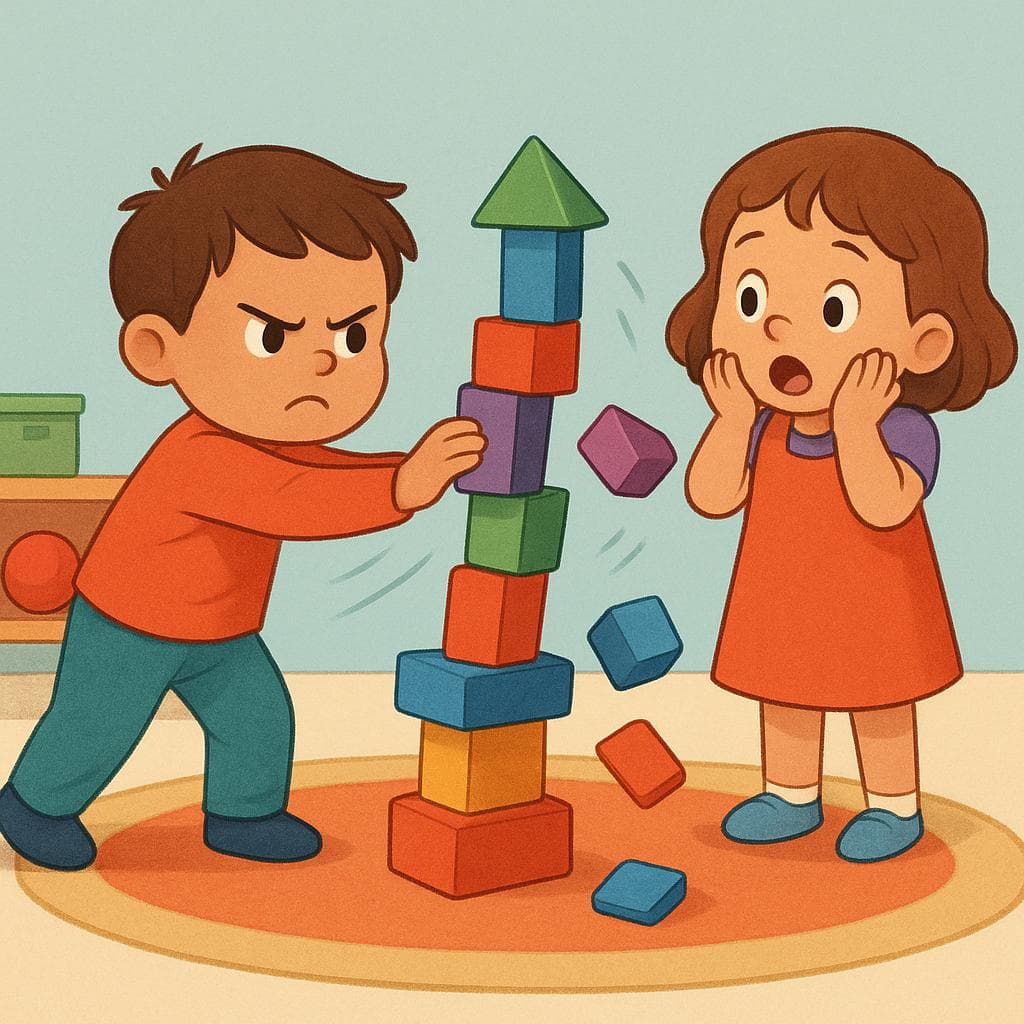
nasty
Also: vile, despicable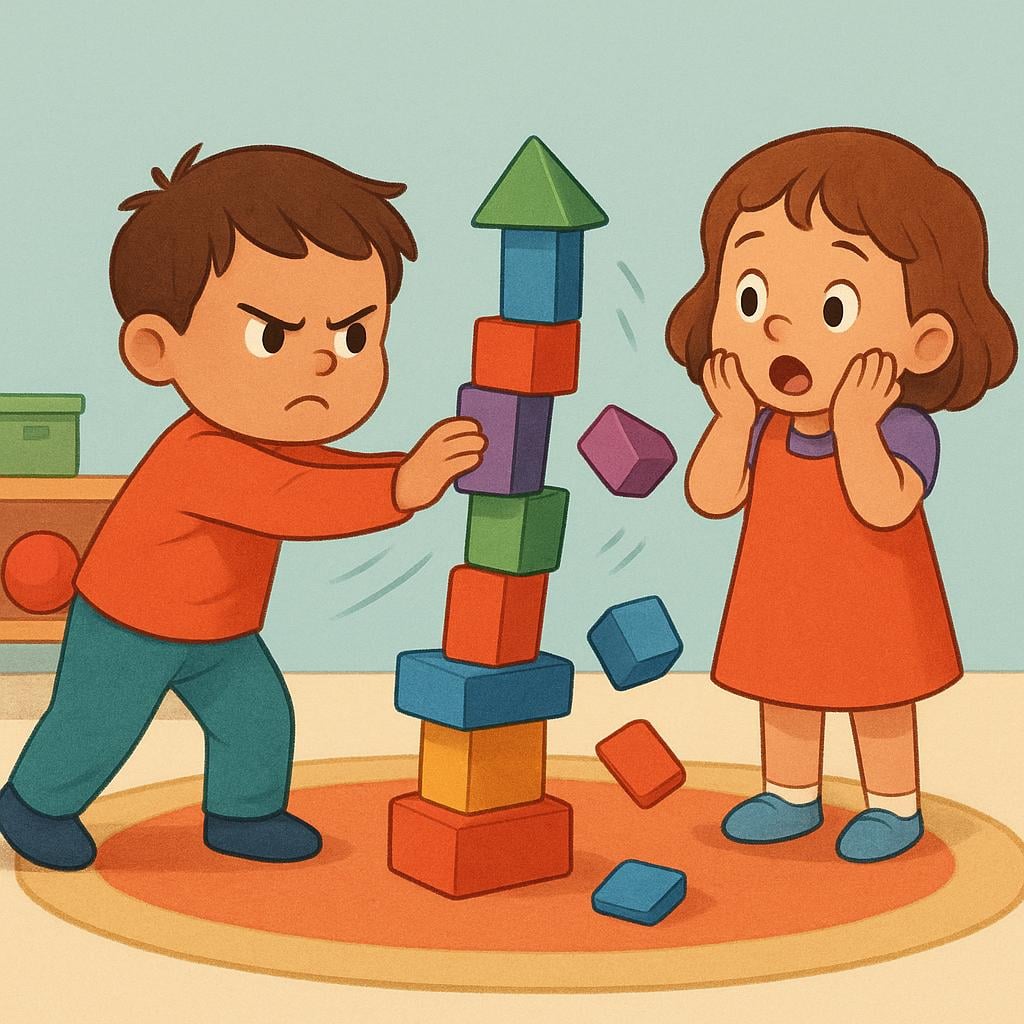
📝 In Action
Ella fue muy asquerosa conmigo sin motivo.
B1She was very nasty to me for no reason.
Dijo una mentira asquerosa sobre su amiga.
B2She told a vile lie about her friend.
Translate to Spanish
✏️ Quick Practice
Quick Quiz: asquerosa
Question 1 of 2
Which sentence correctly uses 'asquerosa' to describe a dirty house?
📚 More Resources
👥 Word Family▼
📚 Etymology▼
Derived from the Spanish noun 'asco' (disgust), which comes from Latin 'eschara' (a scab or scar). It originally referred to the physical repulsion one feels when seeing a wound.
First recorded: 13th century
Cognates (Related words)
💡 Master Spanish
Take your Spanish to the next level. Read 200+ illustrated and narrated Spanish stories tailored to your level with the Inklingo app!
Frequently Asked Questions
Can I use 'asquerosa' for a man?
No, if you are describing a man or a masculine object, you must use the masculine form: 'asqueroso'.
Is 'asquerosa' a swear word?
No, it is not a swear word, but it is a very strong and negative adjective. It can be offensive if used to describe a person.