crudo
“crudo” means “raw” in Spanish. It has 4 different meanings depending on context:
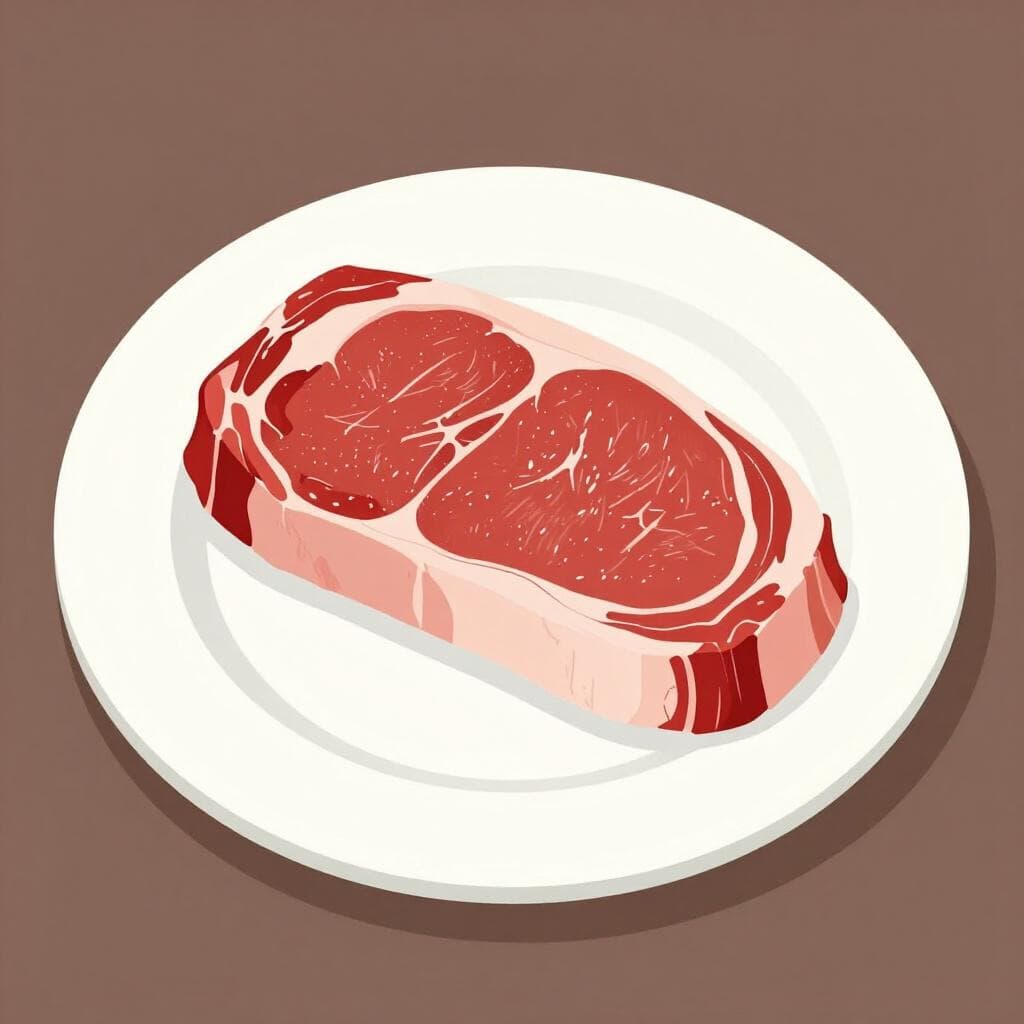



raw
Also: uncooked, rare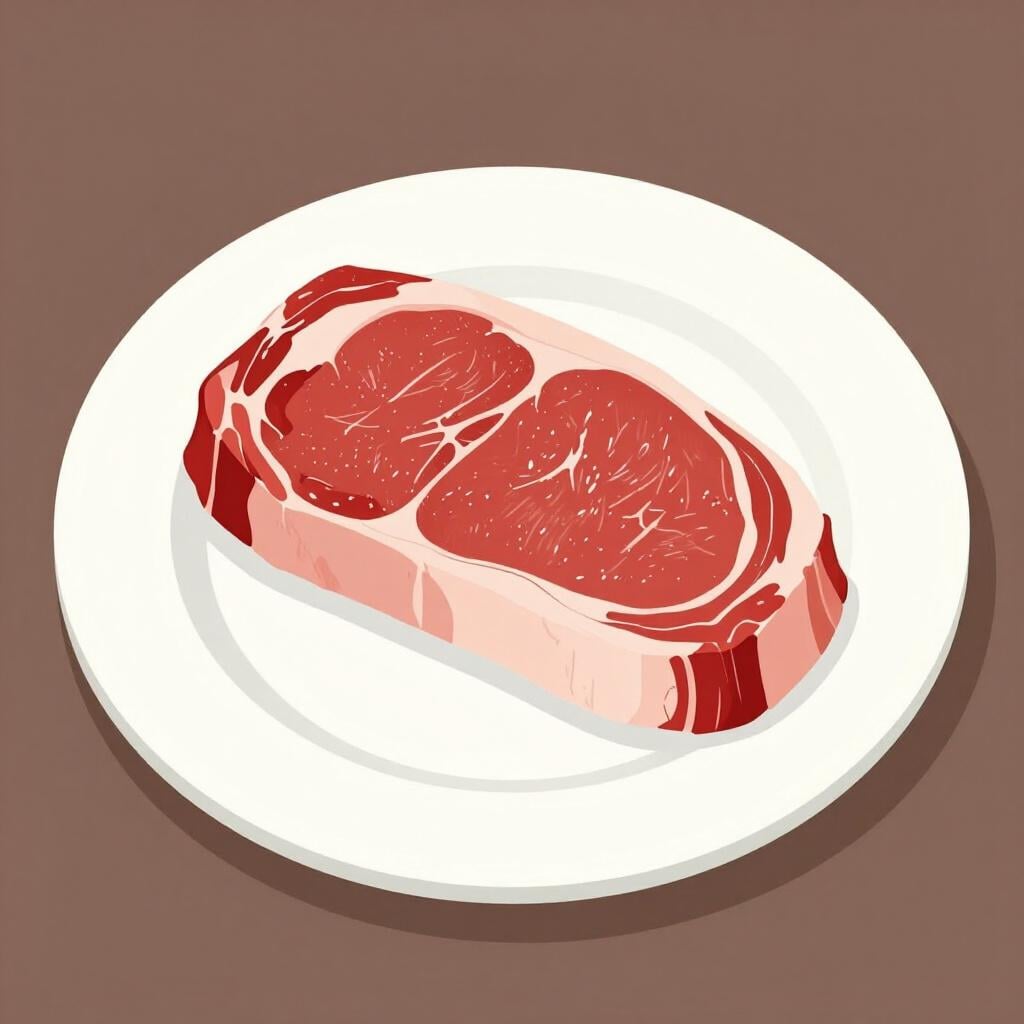
📝 In Action
No me gusta el pescado crudo.
A1I don't like raw fish.
Las zanahorias crudas son muy buenas para la salud.
A2Raw carrots are very good for your health.
Este pollo está crudo por dentro, hay que cocinarlo más.
B1This chicken is raw on the inside; it needs to be cooked more.
harsh
Also: bleak, blunt
📝 In Action
El invierno fue muy crudo este año.
B2The winter was very harsh this year.
Ella me contó la cruda realidad de su situación.
B2She told me the bleak reality of her situation.
Es un relato crudo sobre la guerra.
C1It is a blunt/gritty story about the war.
hungover

📝 In Action
Bebí demasiado tequila y hoy estoy muy crudo.
B1I drank too much tequila and today I am very hungover.
No hagas ruido, que ella está cruda.
B1Don't make noise, because she is hungover.
¿Tienes algo para la gente cruda?
B2Do you have something for hungover people?
crude oil

📝 In Action
El precio del crudo ha subido esta semana.
C1The price of crude oil has gone up this week.
El país exporta millones de barriles de crudo.
C1The country exports millions of barrels of crude.
Es necesario refinar el crudo para obtener gasolina.
C2It is necessary to refine the crude to obtain gasoline.
Translate to Spanish
✏️ Quick Practice
Quick Quiz: crudo
Question 1 of 3
If you are in Mexico and say 'Estoy crudo', what happened?
📚 More Resources
👥 Word Family▼
📚 Etymology▼
From the Latin word 'crudus', which originally meant 'bloody' or 'raw meat', relating to things that are in their natural, untreated state.
First recorded: 13th century
Cognates (Related words)
💡 Master Spanish
Take your Spanish to the next level. Read 200+ illustrated and narrated Spanish stories tailored to your level with the Inklingo app!
Frequently Asked Questions
Does 'crudo' always mean 'raw'?
Not always. While it usually means uncooked food, it can also describe a harsh winter, a blunt truth, crude oil, or being hungover (in Mexico).
What is the difference between 'crudo' and 'resaca'?
'Resaca' is the standard word for 'hangover' used in Spain and many other countries. 'Crudo' is the adjective used for the same feeling primarily in Mexico.
Can I use 'crudo' for a rude person?
No. English uses 'crude' for someone with no manners, but in Spanish, 'crudo' doesn't describe personality that way. Use 'grosero' or 'tosco' instead.