nudo
“nudo” means “knot” in Spanish. It has 3 different meanings depending on context:

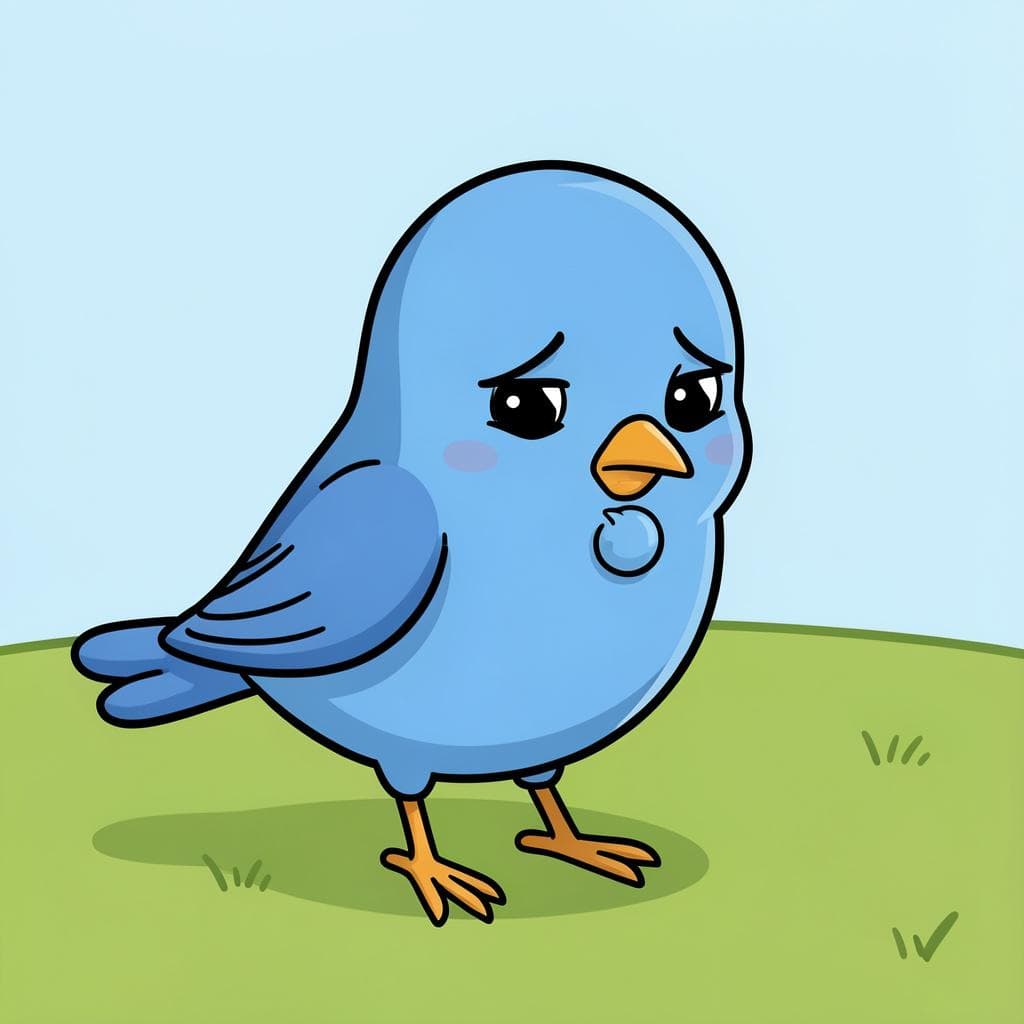
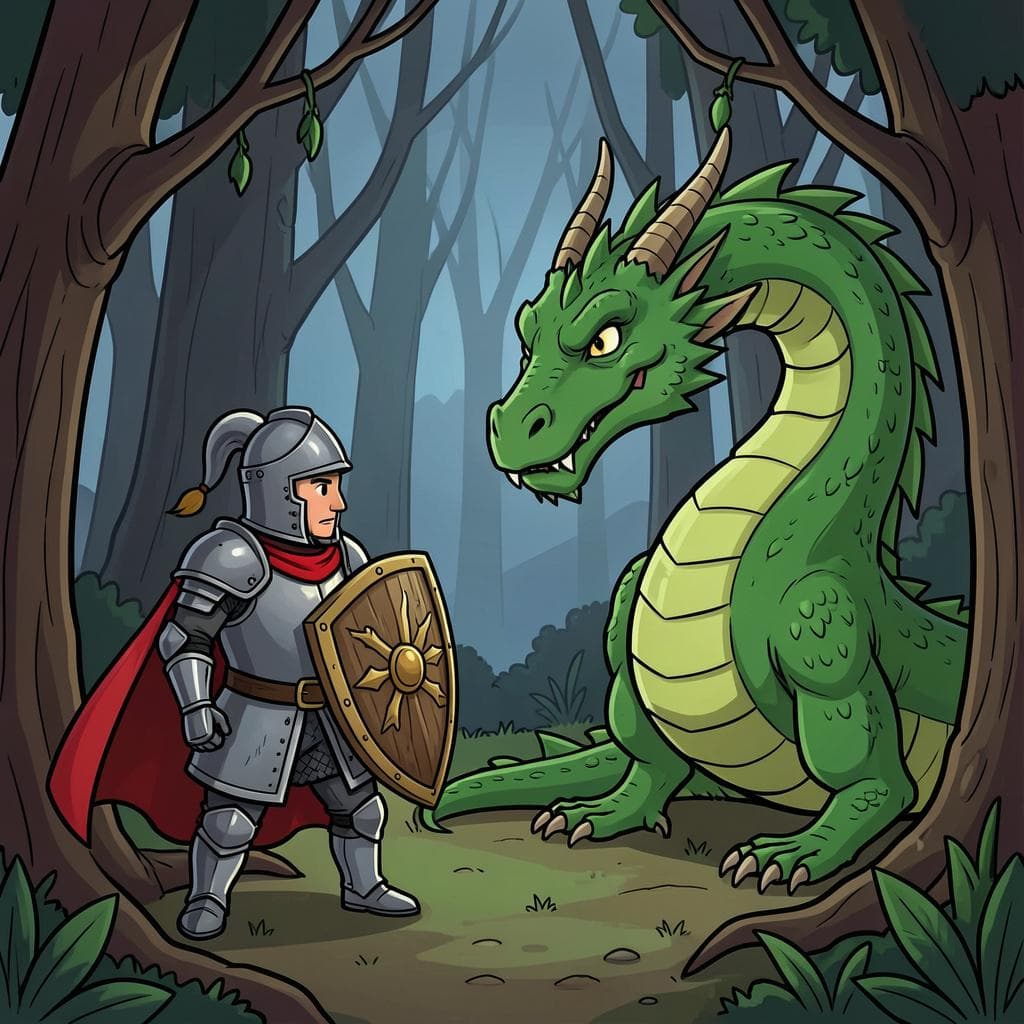
knot
Also: tangle
📝 In Action
Hice un nudo muy fuerte en mis zapatos para que no se suelten.
A2I made a very strong knot in my shoes so they don't come undone.
Tengo muchos nudos en el pelo después de caminar por el viento.
B1I have a lot of knots in my hair after walking in the wind.
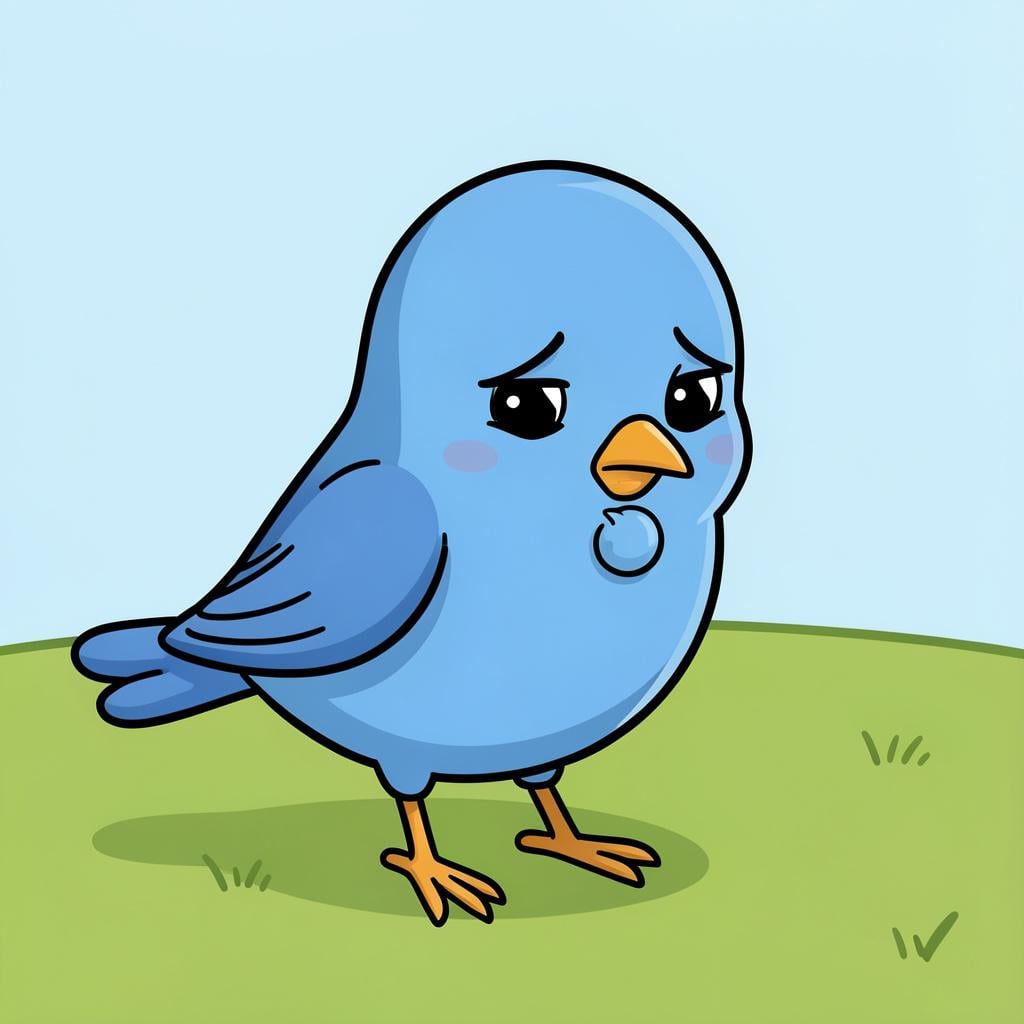
lump
📝 In Action
Tenía un nudo en la garganta durante la despedida.
B1I had a lump in my throat during the farewell.
Siento un nudo en el estómago por los nervios del examen.
B1I feel a knot in my stomach because of exam nerves.
climax / plot
Also: hub / junction, knot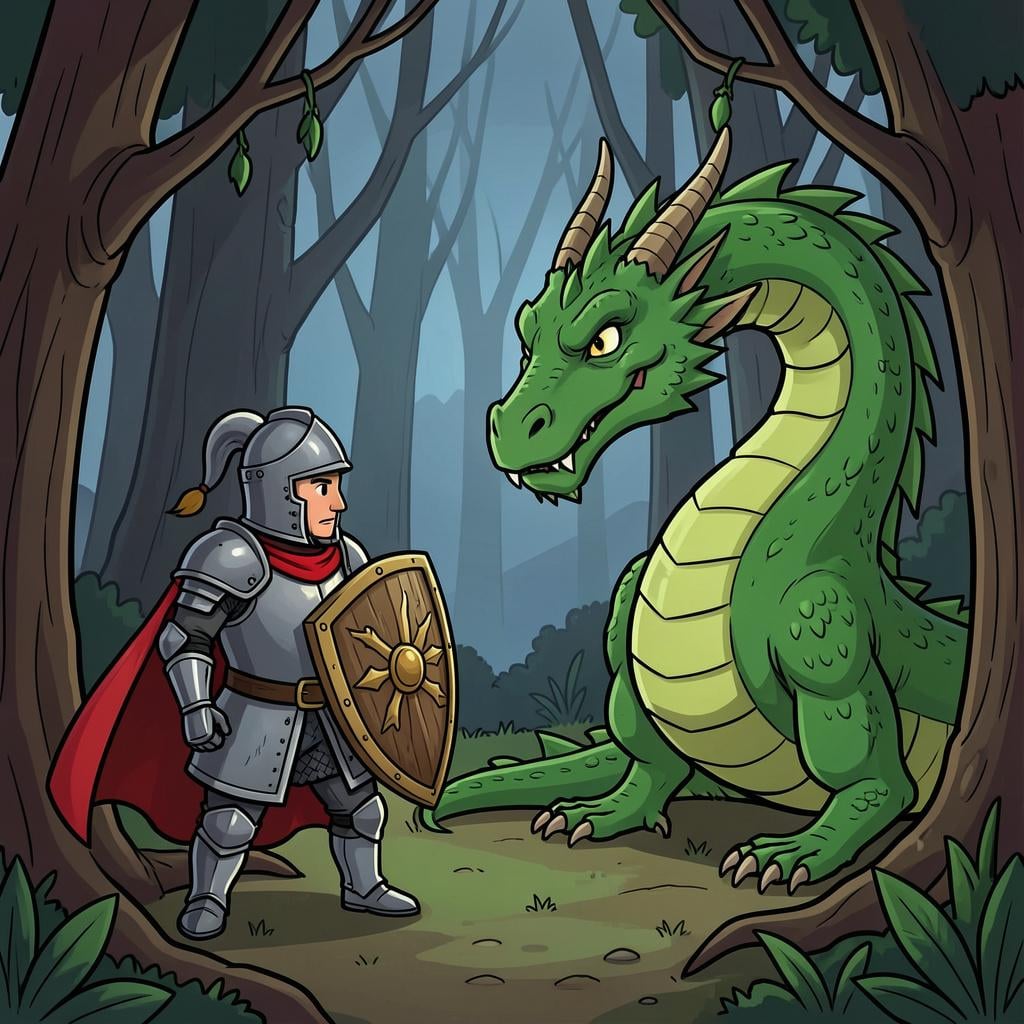
📝 In Action
La historia tiene una introducción, un nudo y un desenlace.
B2The story has an introduction, a middle (climax), and a resolution.
Este nudo ferroviario es el más importante del país.
C1This railway hub is the most important one in the country.
✏️ Quick Practice
Quick Quiz: nudo
Question 1 of 2
If a story is getting very complicated and the characters are facing their biggest problems, what part of the story are you in?
📚 More Resources
👥 Word Family▼
📚 Etymology▼
From the Latin word 'nodus', which refers to a knot, a bond, or a difficult point.
First recorded: 10th Century
Cognates (Related words)
💡 Master Spanish
Take your Spanish to the next level. Read 200+ illustrated and narrated Spanish stories tailored to your level with the Inklingo app!
Frequently Asked Questions
What is the difference between 'nudo' and 'lazo'?
A 'nudo' is a tight knot that is often hard to undo. A 'lazo' is usually a bow or a loop, like a ribbon on a gift or tied shoelaces that are meant to be pulled open easily.
Can 'nudo' mean naked?
No. While they sound similar, 'naked' is 'desnudo'. Using 'nudo' for 'naked' is a common mistake for English speakers.