How to Say "knot" in Spanish
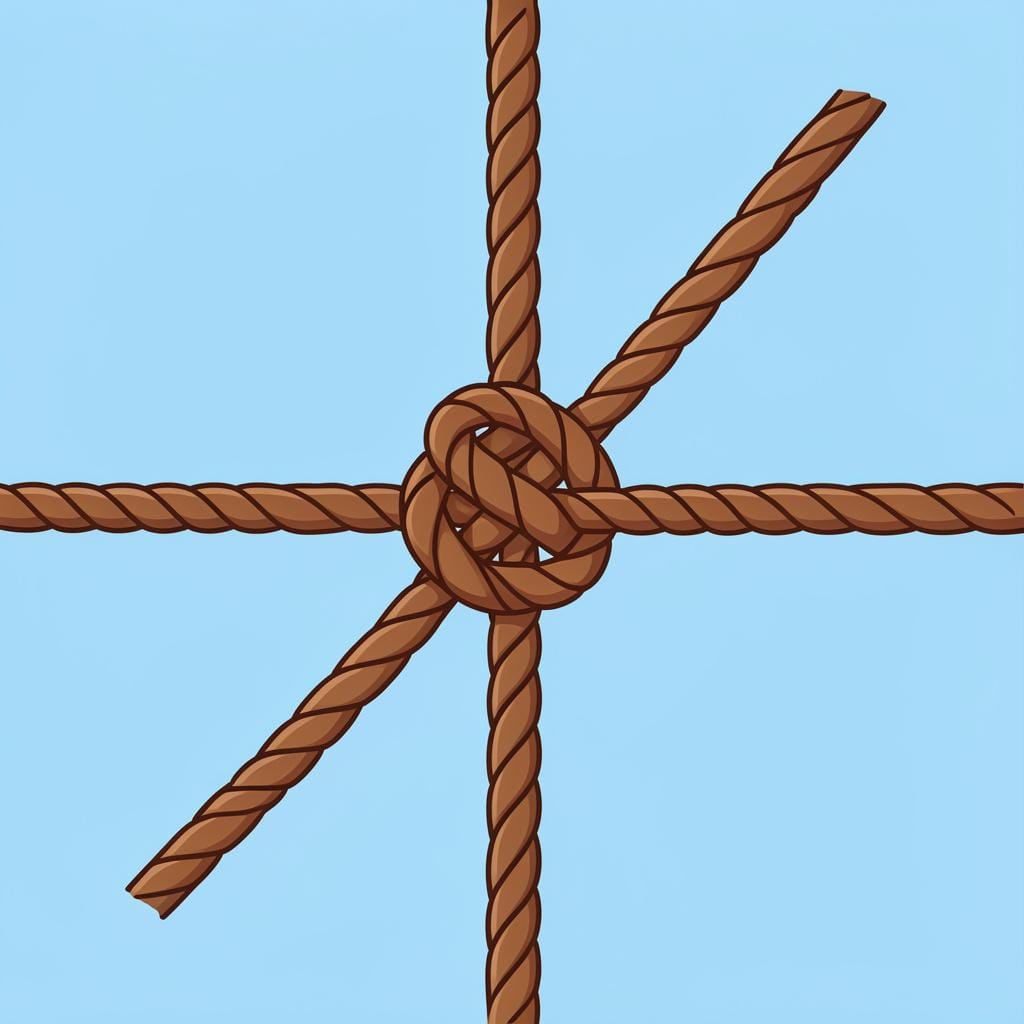
The most common Spanish word for “knot” is “nudo” — use 'nudo' when referring to a physical tightening of string, rope, shoelaces, or hair, or metaphorically for the central conflict in a story.
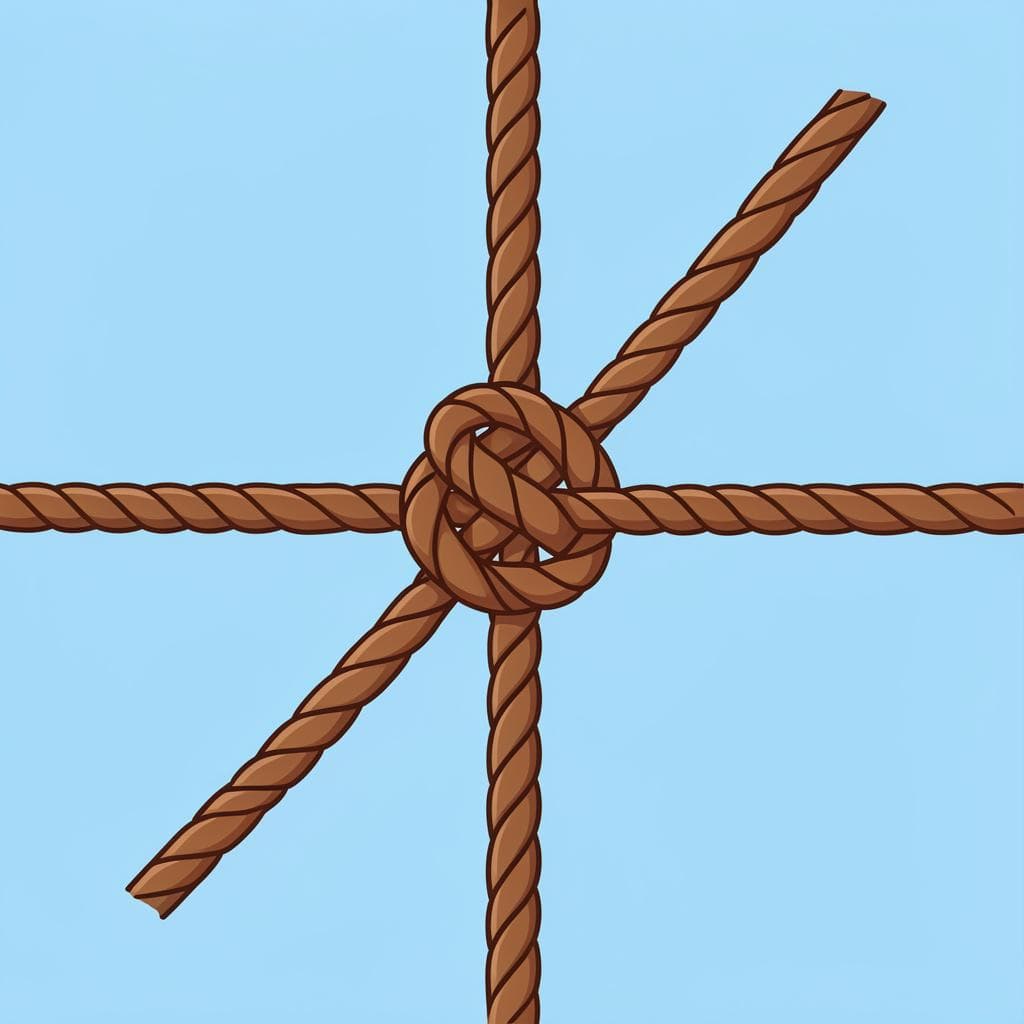

nudo
NOO-dohˈnuðo
Examples
Hice un nudo muy fuerte en la cuerda para que no se desatara.
I made a very strong knot in the rope so it wouldn't come undone.
Hice un nudo muy fuerte en mis zapatos para que no se suelten.
I made a very strong knot in my shoes so they don't come undone.
Tengo muchos nudos en el pelo después de caminar por el viento.
I have a lot of knots in my hair after walking in the wind.
La historia tiene una introducción, un nudo y un desenlace.
The story has an introduction, a middle (climax), and a resolution.
Using 'Hacer' with Nudo
To say 'to tie a knot,' Spanish speakers almost always use the verb 'hacer' (to make) rather than 'atar' (to tie).
The Story Sandwich
In Spanish literature class, every story is taught as having three parts: Inicio (Start), Nudo (The 'knot' or complication), and Desenlace (The 'unknotting' or ending).
The 'Naked' Confusion
Mistake: “Using 'nudo' to mean 'naked'.”
Correction: Use 'desnudo' for 'naked'. 'Nudo' only refers to the knot itself.
lazo
LAH-sohˈlaso

Examples
Puso un lazo rosa en el paquete de regalo.
She put a pink bow on the gift package.
Puse un lazo rojo en el regalo de cumpleaños.
I put a red bow on the birthday gift.
Ella siempre lleva un lazo en el pelo.
She always wears a ribbon in her hair.
Masculine Ending
Since it ends in -o, it uses masculine words like 'el' or 'un'.
Nudo vs. Lazo
Learn Spanish with Inklingo
Interactive stories, personalized learning, and more.