How to Say "tangle" in Spanish
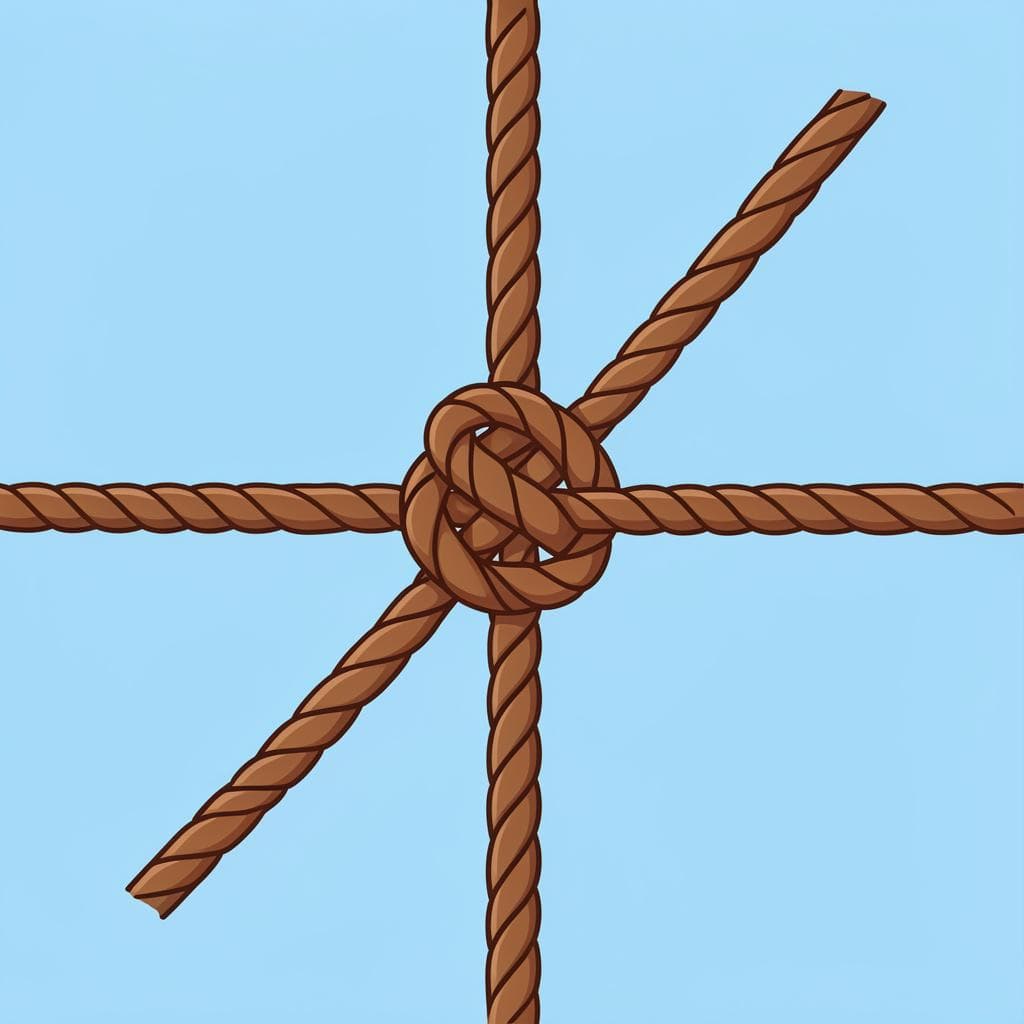
The most common Spanish word for “tangle” is “lío” — use 'lío' when referring to a physical tangle of things like wires, threads, or hair that are knotted or jumbled together.

lío
Examples
Mi cargador está hecho un lío.
My charger is a total tangle.
nudo
NOO-dohˈnuðo
Examples
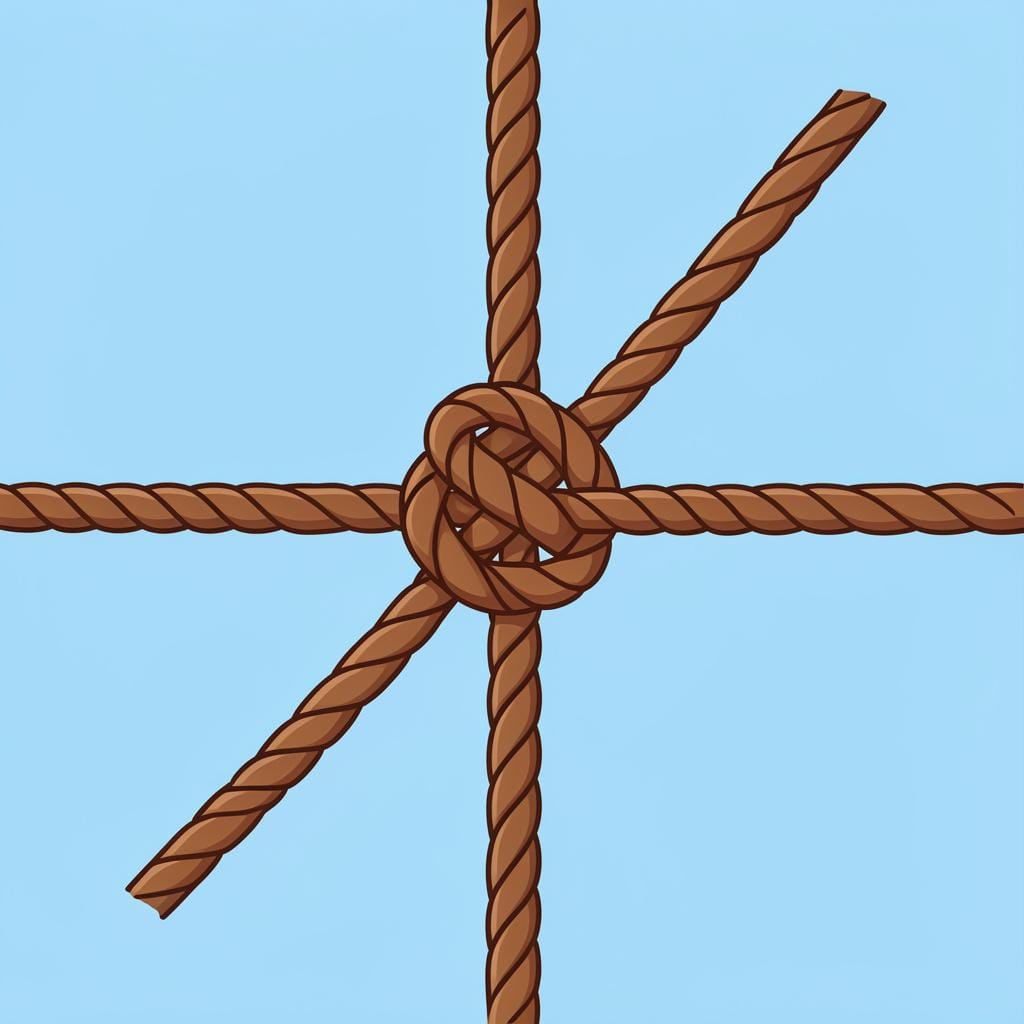
Deshice el nudo de mi bufanda.
I untied the tangle/knot of my scarf.
Hice un nudo muy fuerte en mis zapatos para que no se suelten.
I made a very strong knot in my shoes so they don't come undone.
Tengo muchos nudos en el pelo después de caminar por el viento.
I have a lot of knots in my hair after walking in the wind.
Using 'Hacer' with Nudo
To say 'to tie a knot,' Spanish speakers almost always use the verb 'hacer' (to make) rather than 'atar' (to tie).
The 'Naked' Confusion
Mistake: “Using 'nudo' to mean 'naked'.”
Correction: Use 'desnudo' for 'naked'. 'Nudo' only refers to the knot itself.
laberinto
lah-beh-REEN-tohlaβeˈɾinto

Examples
El papeleo para la visa fue un laberinto.
The paperwork for the visa was a tangle.
Entrar en ese proceso legal es un laberinto sin salida.
Entering that legal process is a dead-end maze.
La ciudad es un laberinto de calles estrechas.
The city is a tangle of narrow streets.
Using 'es' vs 'está'
When saying a situation 'is' a maze, use 'ser' (es un laberinto) because you are describing the nature or characteristic of that situation.
Physical vs. Figurative Tangles
Related Translations
Learn Spanish with Inklingo
Interactive stories, personalized learning, and more.