How to Say "rare" in Spanish
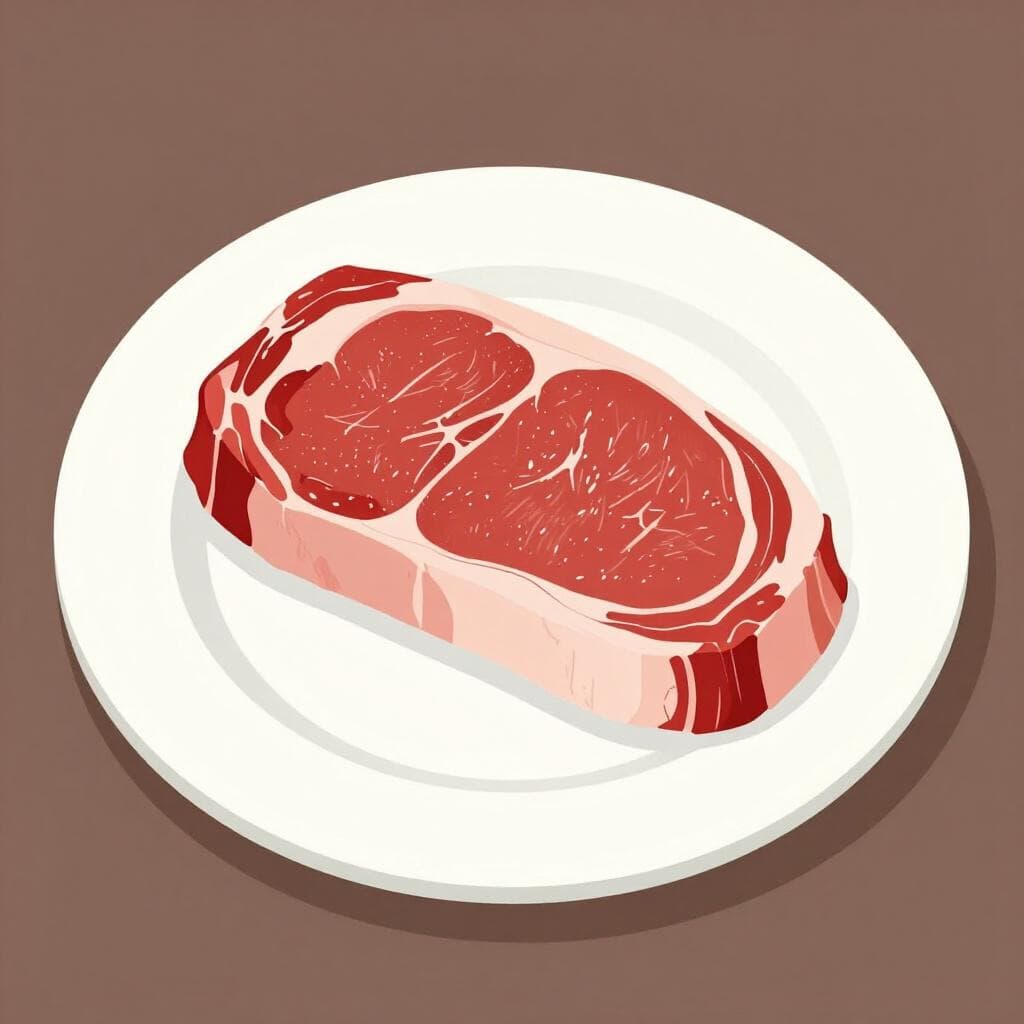
The most common Spanish word for “rare” is “raro” — use 'raro' when describing something unusual, infrequent, or not common.

raro
RRA-rohˈra.ɾo

Examples
Es raro ver nevar en esta ciudad.
It's rare to see snow in this city.
Encontrar un diamante de este tamaño es extremadamente raro.
Finding a diamond of this size is extremely rare.
Rara vez salgo a cenar durante la semana.
I rarely go out to dinner during the week.
Placement is Key
Usually, 'raro' comes after the thing it describes, like in 'una flor rara' (a rare flower). However, in the very common phrase 'rara vez' (rarely), it comes first.
Strange vs. Infrequent
Mistake: “Mi profesor es raro. Solo da exámenes una vez al mes.”
Correction: This sentence could be confusing. Does it mean the professor is a weird person? Or that it's infrequent for him to give exams? For clarity, you could say: 'Es raro que mi profesor dé exámenes tan infrecuentemente' (It's strange that my professor gives exams so infrequently).
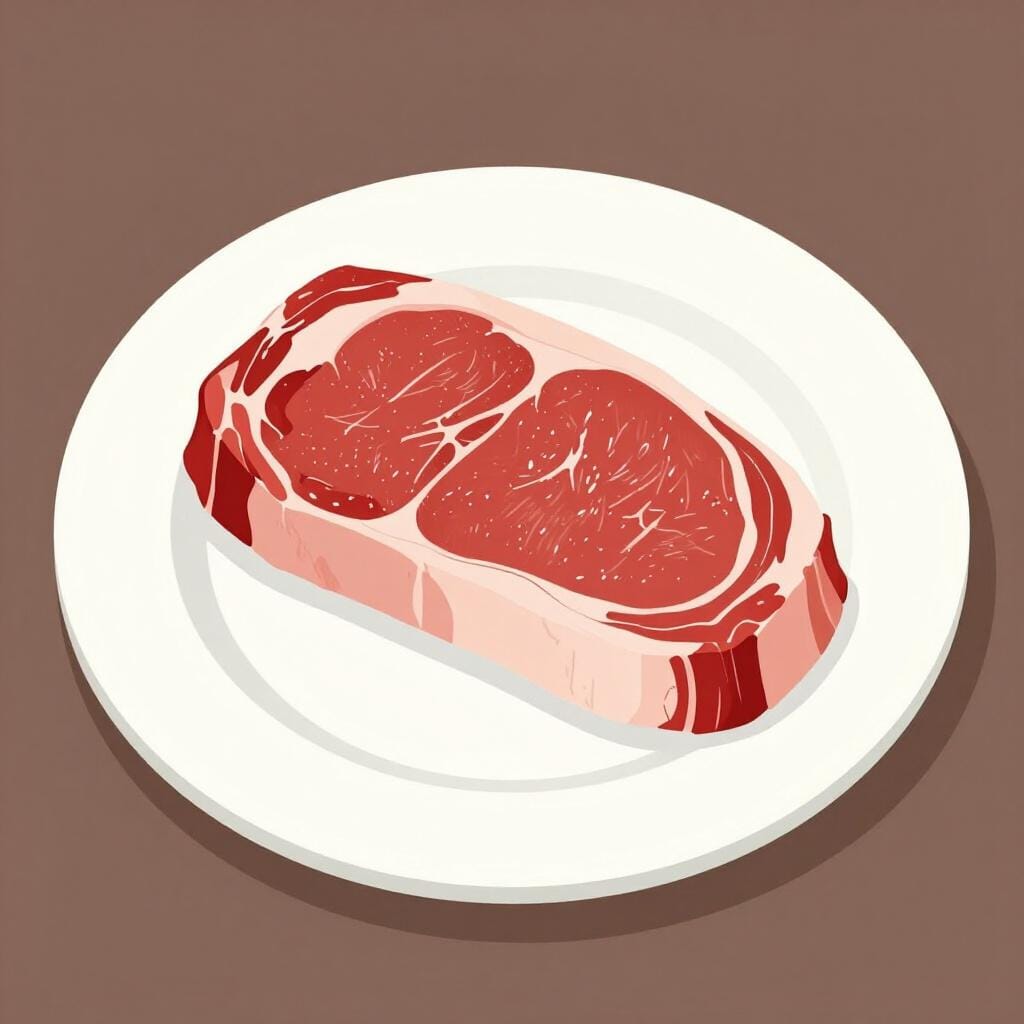
crudo
kroo-dohˈkɾuðo
Examples
No me gusta el pescado crudo.
I don't like raw fish.
Las zanahorias crudas son muy buenas para la salud.
Raw carrots are very good for your health.
Este pollo está crudo por dentro, hay que cocinarlo más.
This chicken is raw on the inside; it needs to be cooked more.
Matching the Ending
Since this is an adjective, it must match the gender of the food. Use 'crudo' for masculine things (el jamón crudo) and 'cruda' for feminine things (la cebolla cruda).
Placement
Usually, 'crudo' comes after the noun it describes, like 'pescado crudo,' to distinguish it from cooked fish.
Raw vs. Rude
Mistake: “Using 'crudo' to mean a 'rude' person.”
Correction: Use 'grosero' or 'maleducado' for people. 'Crudo' refers to the state of food or harsh reality.
Confusing 'raro' and 'crudo'
Related Translations
Learn Spanish with Inklingo
Interactive stories, personalized learning, and more.