pai
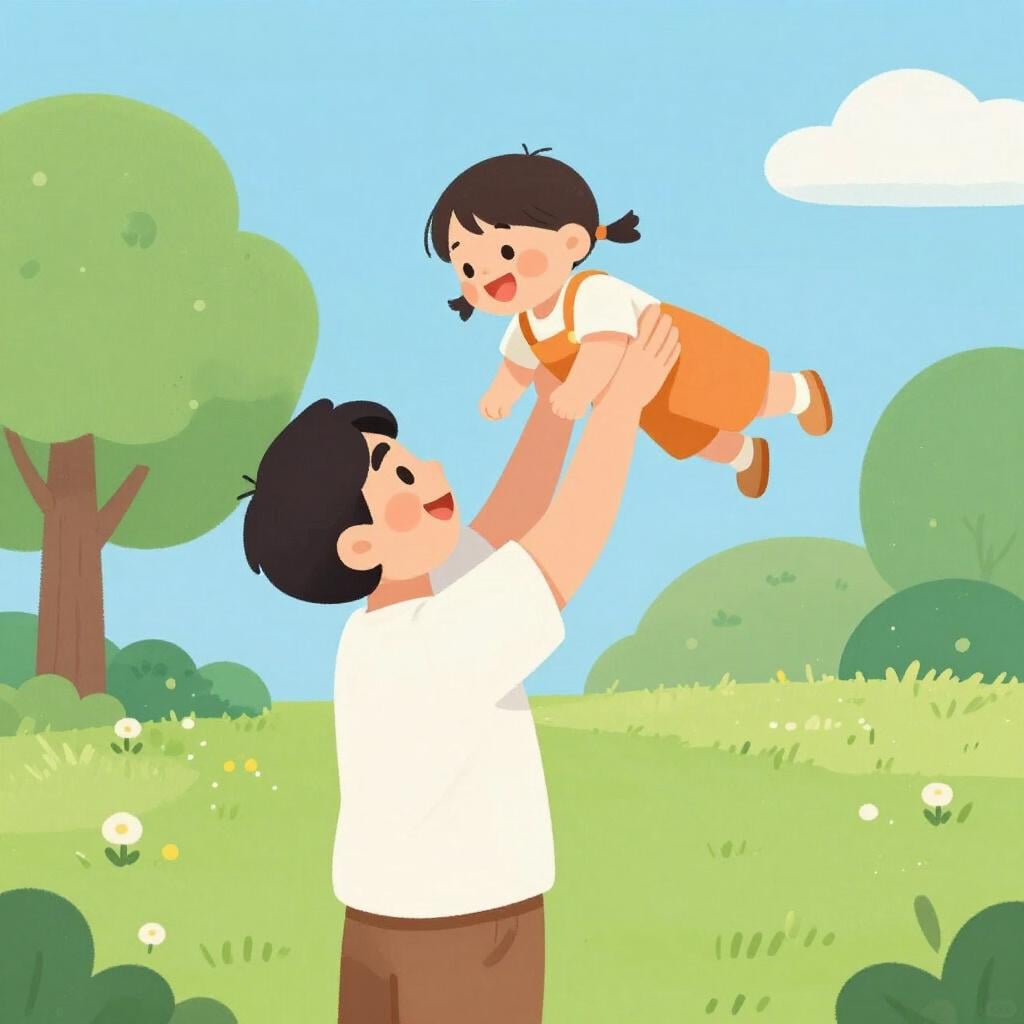
“pai” means “dad” in Spanish. It has 2 different meanings depending on context:
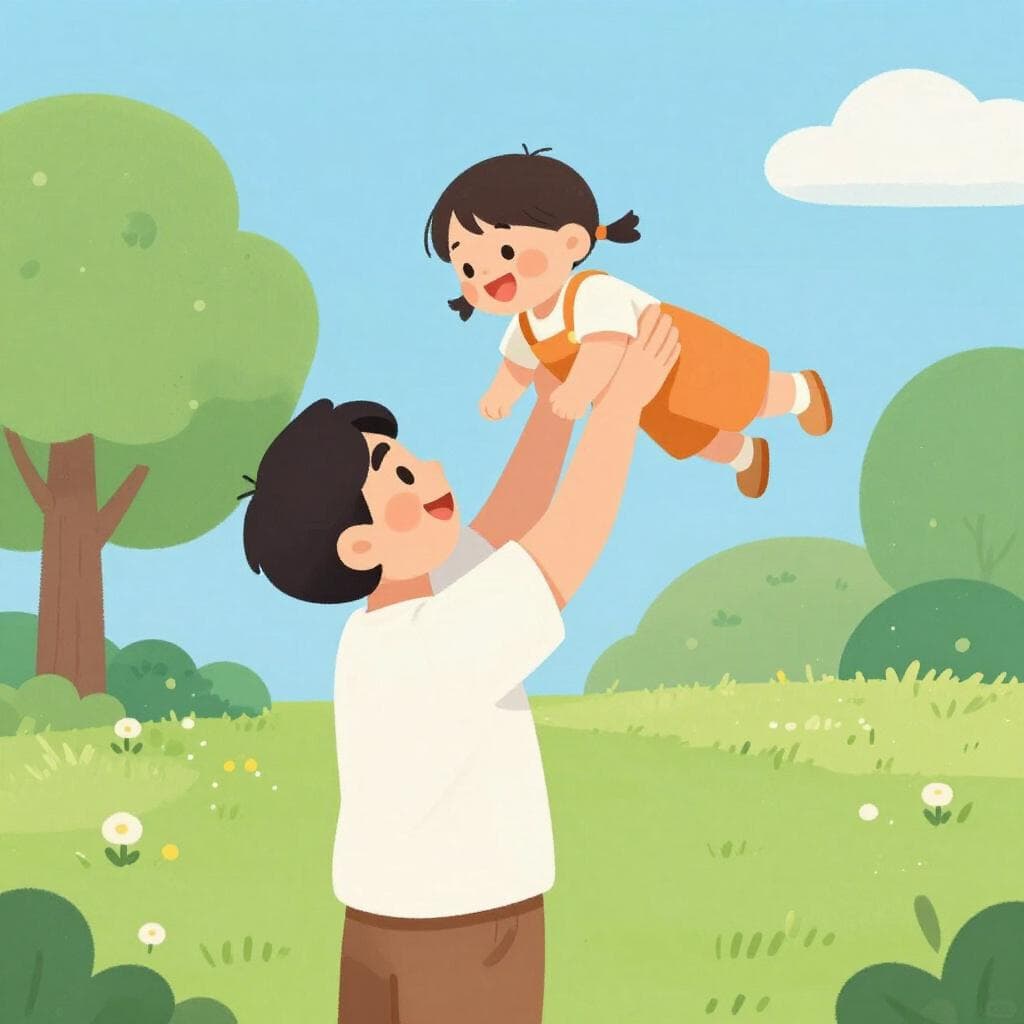
dadAlso: dude, man
📝 In Action
Mi pai me enseñó a conducir el carro.
A2My dad taught me how to drive the car.
¿Qué pasó, pai? ¿Todo bien?
B1What's up, dude? Everything good?
Dile a tu pai que lo espero en la esquina.
B2Tell your pop I'll wait for him on the corner.
Word Connections
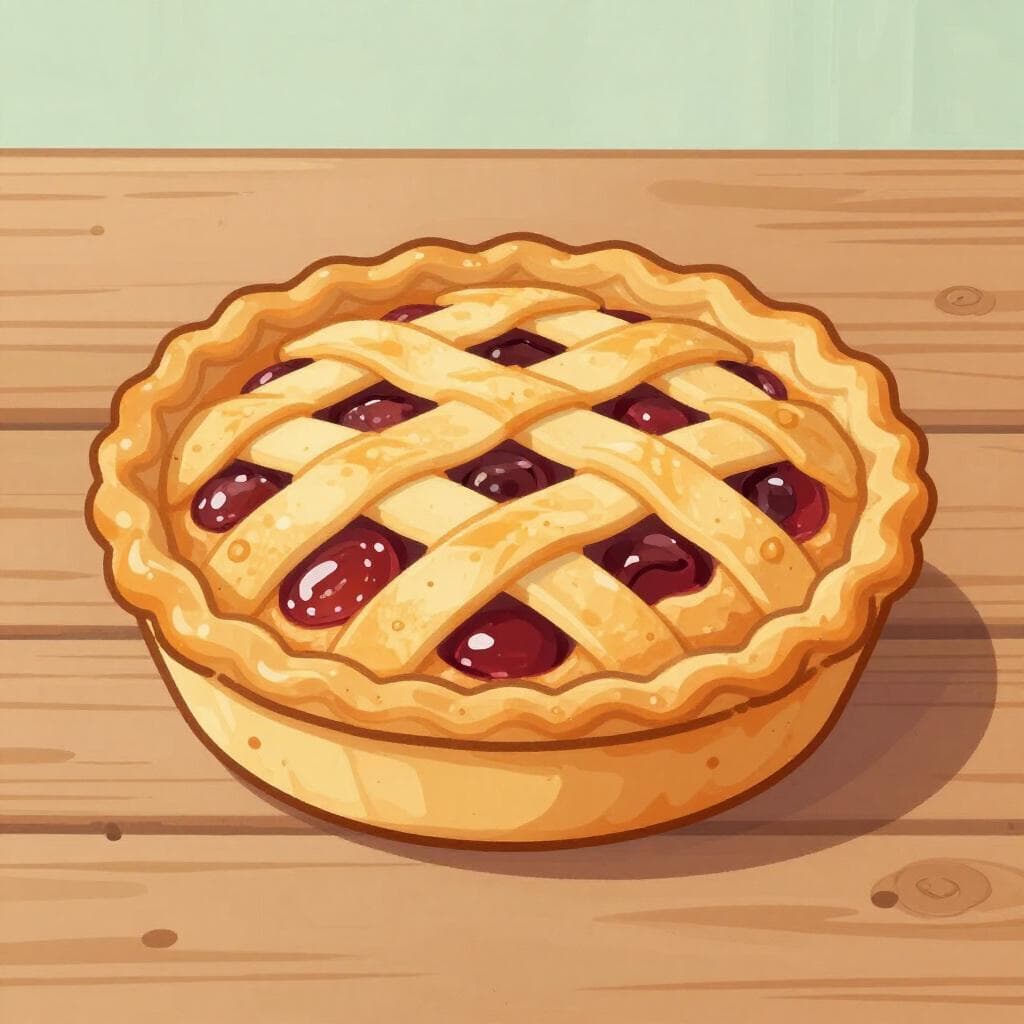
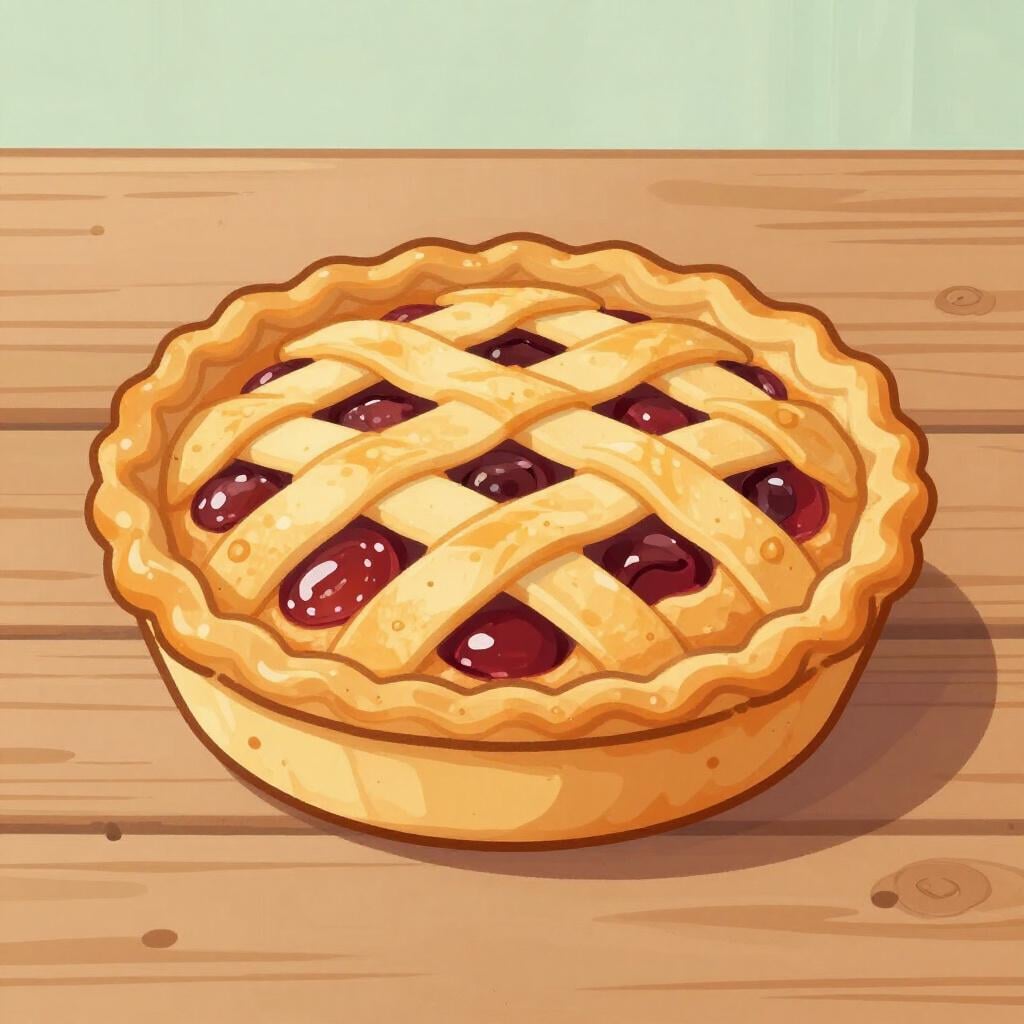
pieAlso: tart
📝 In Action
De postre quiero un pai de manzana.
A1For dessert, I want an apple pie.
Este pai de limón está delicioso.
A1This lemon pie is delicious.
Mi abuela hace el mejor pai de queso.
A2My grandma makes the best cheesecake/cheese pie.
Word Connections
✏️ Quick Practice
Quick Quiz: pai
Question 1 of 3
If someone in Puerto Rico says '¿Cómo está tu pai?', what are they asking?
📚 More Resources
👥 Word Family
📚 Etymology
The 'dad' meaning is a shortened form (apocope) of 'padre.' The 'dessert' meaning is a phonetic borrowing from the English word 'pie.'
First recorded: 20th century (slang and culinary borrowing)
Cognates (Related words)
💡 Master Spanish
Take your Spanish to the next level. Read 200+ illustrated and narrated Spanish stories tailored to your level with the Inklingo app!
Frequently Asked Questions
Is 'pai' the same as 'pie'?
No. 'Pie' (pronounced pee-ay) is the Spanish word for 'foot.' 'Pai' (pronounced like the English word 'pie') is slang for 'dad' or the word for the dessert.
Is 'pai' rude to use?
It is not exactly rude, but it is very informal. You should use it with friends or close family, but never with people you need to show formal respect to, like a judge or a teacher.
Why do some people spell the dessert as 'pay'?
Spanish doesn't have a standardized way to spell borrowed English words. Both 'pay' and 'pai' are used to represent the sound of the English word 'pie.'