How to Say "man" in Spanish
The most common Spanish word for “man” is “hombre” — use 'hombre' for an adult male human in a general or standard context, or when referring to humankind in a philosophical or scientific discussion.


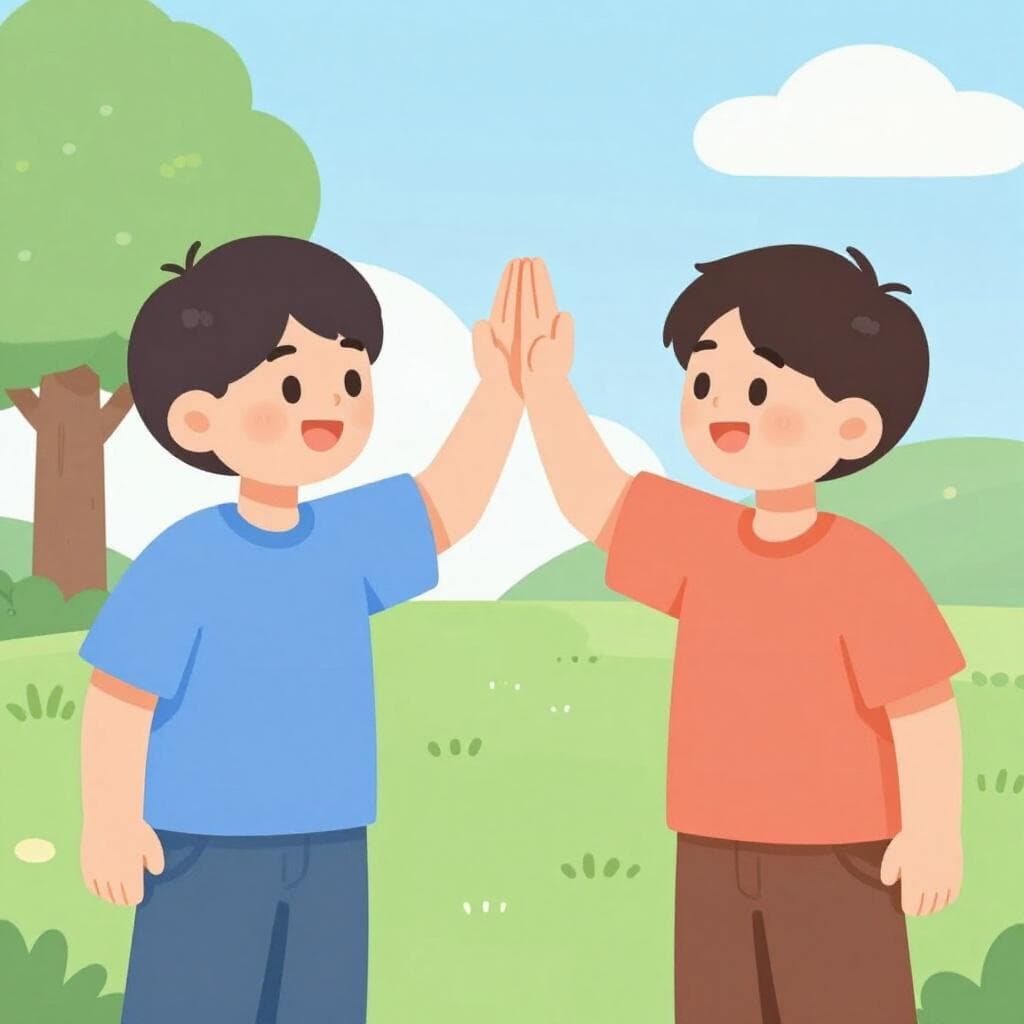
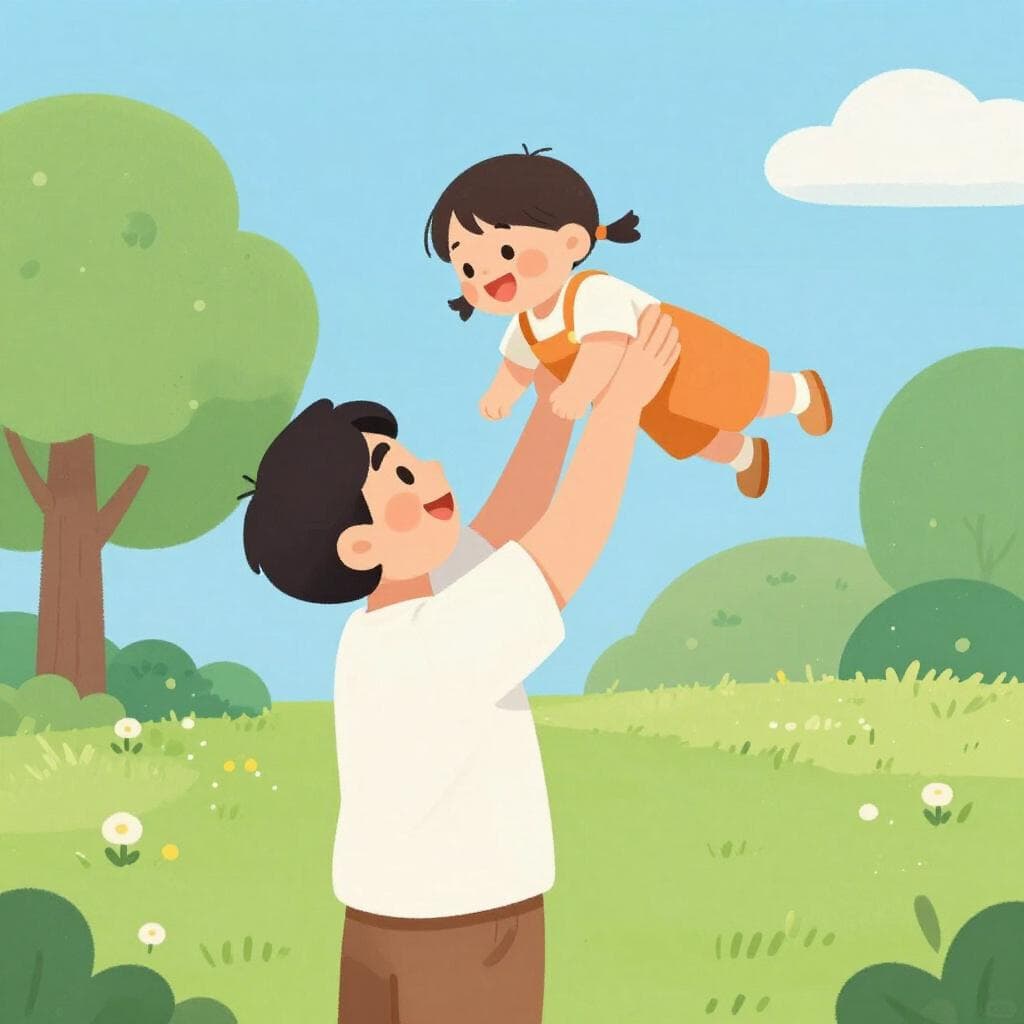




hombre
OM-brehˈombɾe

Examples
El hombre alto lee un libro.
The tall man is reading a book.
¿Conoces a ese hombre de allí?
Do you know that man over there?
Mi hombre llega a las seis.
My husband gets here at six.
El hombre ha logrado grandes avances tecnológicos.
Mankind has achieved great technological advances.
Always Masculine
The word 'hombre' is always masculine, so you'll always use 'el' or 'un' before it. For example, 'el hombre' (the man) or 'un hombre' (a man).
Singular for the Whole Group
When talking about humanity, Spanish often uses the singular, masculine 'el hombre' to represent everyone. Don't be surprised to see it used this way, even though it refers to all people.
Mixing up 'hombre' and 'hombro'
Mistake: “Me duele el hombre.”
Correction: Me duele el hombro. (My shoulder hurts). Be careful with that one letter difference! 'Hombre' is a person, 'hombro' is a body part.
señor
sen-YORseˈɲoɾ

Examples
Un señor me preguntó la hora en la calle.
A man asked me for the time on the street.
El señor que vive al lado tiene un perro muy grande.
The man who lives next door has a very big dog.
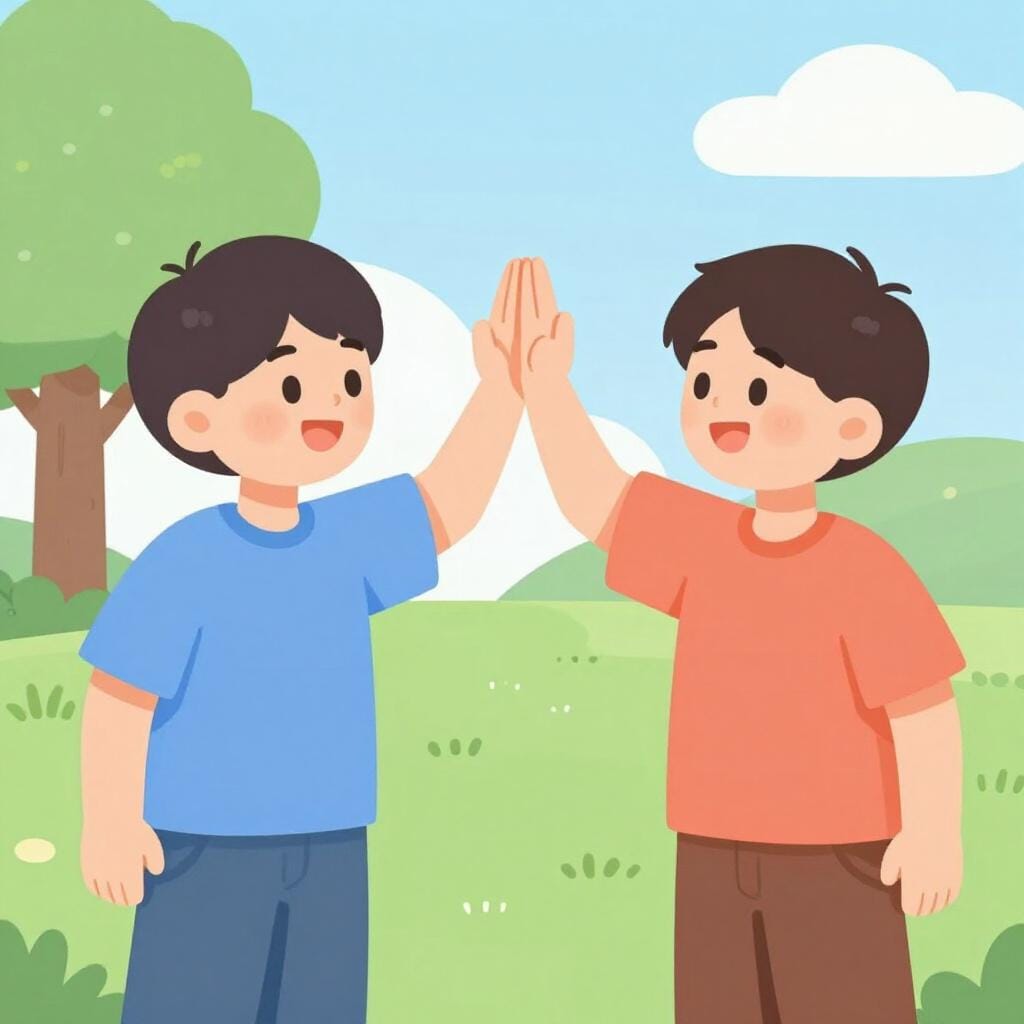
mae
mah-ehmae
Examples
Ese mae es muy buena gente.
That guy is a very nice person.
¿Qué pasó, mae?
What happened, dude?
Había un mae vendiendo comida en la esquina.
There was a guy selling food on the corner.
Using 'Mae' for everyone
While originally masculine, younger Costa Ricans often use 'la mae' to refer to a girl, though 'el mae' is the standard default for a guy.
The 'Friendly Filler'
This word often acts as a 'comma' in conversation. It doesn't always mean 'dude'; sometimes it's just a sound used to keep the conversation flowing.
Too much of a good thing
Mistake: “Using 'mae' in a job interview or with a doctor.”
Correction: Only use it with friends or people your own age. Using it in formal settings can sound disrespectful.
pai
pah-eeˈpai
Examples
Mi pai me enseñó a conducir el carro.
My dad taught me how to drive the car.
¿Qué pasó, pai? ¿Todo bien?
What's up, dude? Everything good?
Dile a tu pai que lo espero en la esquina.
Tell your pop I'll wait for him on the corner.
A Shortened Form
This word is a shortened version of 'padre.' It follows the pattern where the middle sounds are dropped in fast, informal speech.
Used for more than just Dads
Just like 'dude' or 'bro' in English, you can use this to address friends or even strangers in casual settings, even if they aren't your father.
Don't use it in school or work
Mistake: “Saying 'Hola, pai' to your boss.”
Correction: Use 'Señor' or their name. 'Pai' is strictly for friends and family in very relaxed environments.
varón
bah-rohnbaˈɾon

Examples
El recién nacido fue un varón de tres kilos.
The newborn was a male weighing three kilograms.
En los documentos oficiales, debe especificar si es varón o mujer.
In official documents, you must specify if you are male or female.
La población de varones es menor en esta ciudad.
The male population is smaller in this city.
Plural Form
To make 'varón' plural, you add '-es' to the end, forming 'varones.' The accent mark on the 'o' disappears when the word becomes plural.
jo
hoxo

Examples
¡Jo! Otra vez he perdido el autobús.
Jeez! I missed the bus again.
Jo, qué mala suerte tienes con el tiempo.
Man, you have such bad luck with the weather.
¡Jo, mamá! No quiero comer verduras.
Darn it, mom! I don't want to eat vegetables.
Using 'jo' for emotion
This word doesn't have a literal meaning; it functions as an 'emotional placeholder' to show you're slightly upset or surprised.
Softening your speech
Think of this as a 'safe' word. It's a milder version of much stronger swear words, making it acceptable to use in most casual conversations.
Pronunciation Mix-up
Mistake: “Pronouncing it like 'yo' (I).”
Correction: The 'j' in Spanish sounds like a breathy 'h' in English (as in 'hot'). Say it like 'ho!'
Formal Settings
Mistake: “Using 'jo' in a job interview or formal meeting.”
Correction: It is very informal. Use 'vaya' or 'qué pena' in formal situations instead.
we
waywe

Examples
No manches, we, ¡está carísimo!
No way, man, it's so expensive!
¡Apúrate, we, se nos va el camión!
Hurry up, man, the bus is leaving!
Es que, we, no sé qué decirle.
It's just that, man, I don't know what to tell him.
The 'Comma' Word
In heavy slang, 'we' is used almost like a comma or a period to end sentences or fill pauses.
cha
ch-ahtʃa

Examples
Cha, no sabía que tenías un carro nuevo.
Man, I didn't know you had a new car.
Cha, ¡qué calor hace hoy!
Whoa, it is so hot today!
Estaba caminando por ahí, cha, y de repente lo vi.
I was walking around, like, and suddenly I saw him.
The Verbal Bridge
This word acts as a 'filler.' Use it when you need a moment to think of your next word, much like how English speakers use 'like' or 'um' in casual conversation.
Flexible Placement
You can put this word at the very beginning of a sentence to set a casual tone, or in the middle to emphasize a specific point.
Using it formally
Mistake: “Using 'cha' in a job interview or with a teacher.”
Correction: Only use this with friends or family in very casual settings; otherwise, it sounds unprofessional.
homo
oh-mohˈomo

Examples
El Homo sapiens es la especie a la que pertenecemos los seres humanos.
Homo sapiens is the species to which we human beings belong.
Se han encontrado fósiles del género Homo en esta región.
Fossils of the genus Homo have been found in this region.
El Homo erectus caminaba de forma erguida.
Homo erectus walked in an upright manner.
Capitalization Rules
When you use 'Homo' as part of a scientific name (like Homo sapiens), the first letter must always be capitalized.
Italics in Writing
In formal writing, scientific names like 'Homo habilis' are usually written in italics to show they are specialized terms.
Lowercase in Science
Mistake: “homo sapiens”
Correction: Homo sapiens
Hombre vs. Señor
Learn Spanish with Inklingo
Interactive stories, personalized learning, and more.