How to Say "pale" in Spanish
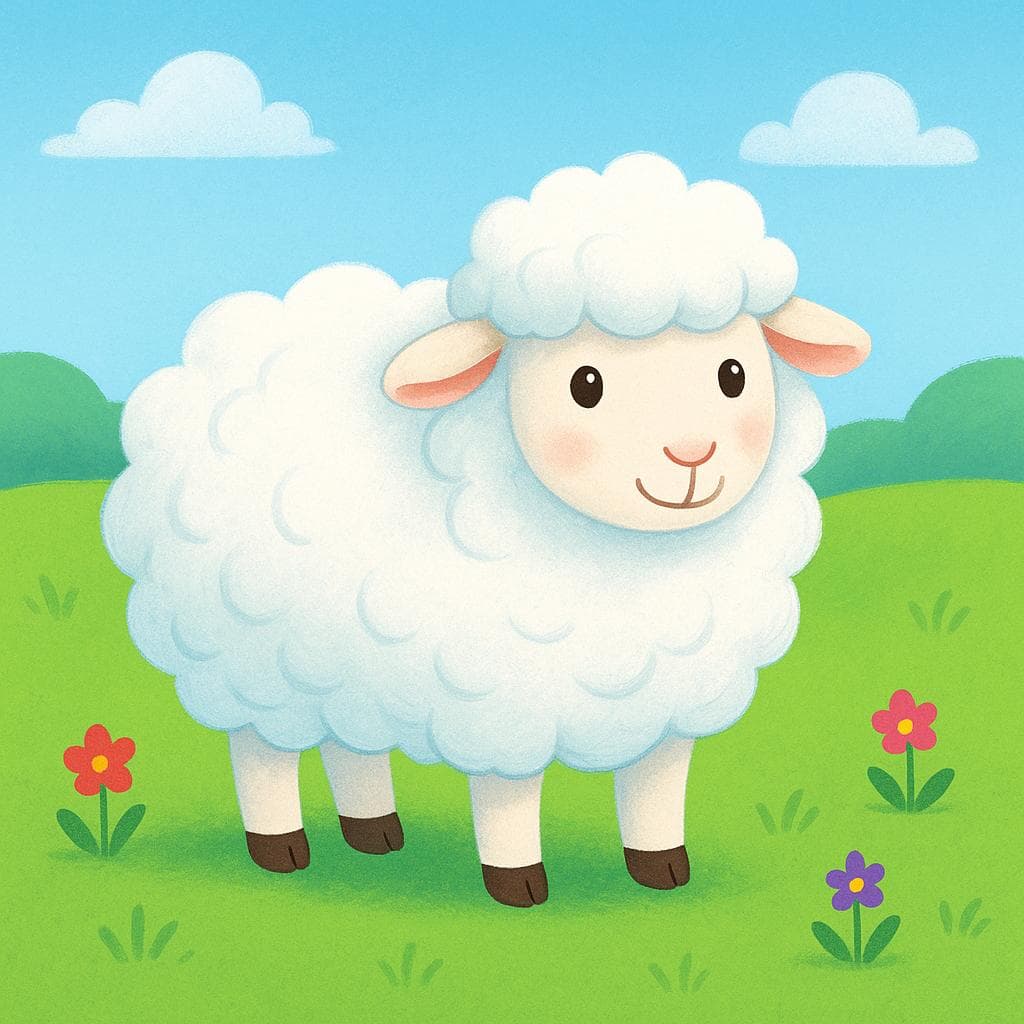
The most common Spanish word for “pale” is “pálido” — use 'pálido' to describe a person's skin color or appearance when it seems unusually light due to illness, shock, or lack of sun. It directly translates to 'pale' in this context.


pálido
Examples
Estás muy pálido, ¿te sientes bien?
You are very pale, do you feel okay?
blanco
BLAHN-koˈblaŋko
Examples
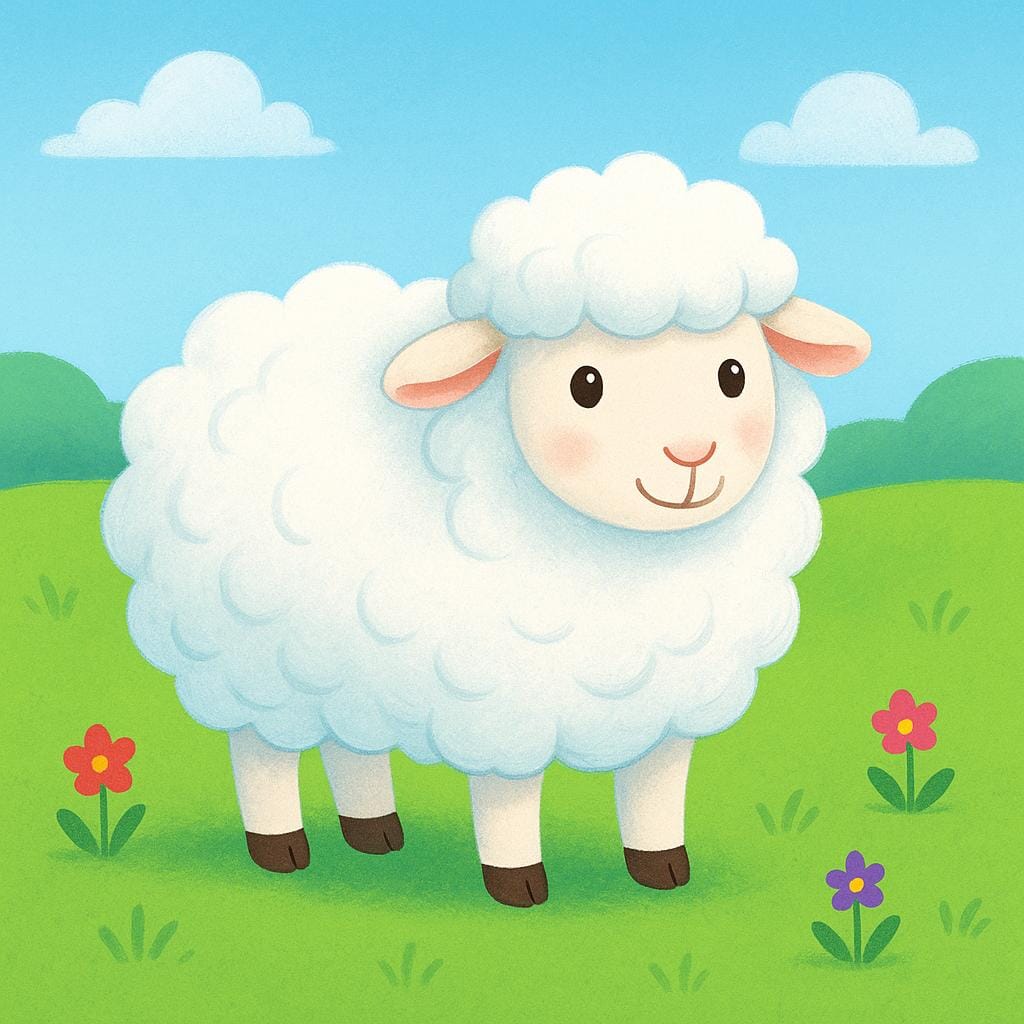
Se puso blanco al escuchar la noticia.
He turned white (pale) upon hearing the news.
Mi camisa favorita es blanca.
My favorite shirt is white.
Las nubes son blancas y esponjosas.
The clouds are white and fluffy.
Se puso blanco del susto.
He turned pale with fright.
Making Adjectives Agree
'Blanco' is a describing word, so it changes to match the thing it describes. If the thing is feminine, use 'blanca'. If it's plural, add an 's': 'blancos' or 'blancas'. For example: el coche blanco (the white car), la casa blanca (the white house), los coches blancos (the white cars).
Forgetting to Match
Mistake: “La pared es blanco.”
Correction: Say 'La pared es blanca.' because 'pared' (wall) is a feminine word, so the describing word needs to match it.
claro
KLAH-rohˈkla.ɾo

Examples
Prefiero el azul claro para las paredes.
I prefer light blue for the walls.
El agua del río está muy clara.
The river water is very clear.
Necesitamos una habitación más clara para leer.
We need a brighter room to read.
Me gusta el color azul claro.
I like the color light blue.
Matching the Noun
'Claro' is like a chameleon. It changes to match the thing it's describing. For a masculine thing, use 'claro' (cielo claro). For a feminine thing, use 'clara' (agua clara).
amarillo
ah-mah-REE-yoha.maˈɾi.ʎo

Examples
Su rostro adquirió un tono amarillo de preocupación.
His face took on a yellow (pale) tone of worry.
Compré una flor amarilla para mi madre.
I bought a yellow flower for my mother.
Todos los taxis en Nueva York son amarillos.
All the taxis in New York are yellow.
Después de la enfermedad, se quedó un poco amarillo.
After the illness, he looked a little pale (yellowish).
Making it Match
As an adjective, 'amarillo' must change its ending to match the thing it describes in number (singular/plural) and gender (masculine/feminine): 'amarillo' (masc. sing.), 'amarilla' (fem. sing.), 'amarillos' (masc. plural), 'amarillas' (fem. plural).
Forgetting Gender Agreement
Mistake: “La casa es amarillo.”
Correction: La casa es amarilla. (Since 'casa' is feminine, the adjective must end in -a.)
pastel
pas-TELpasˈtɛl
Examples
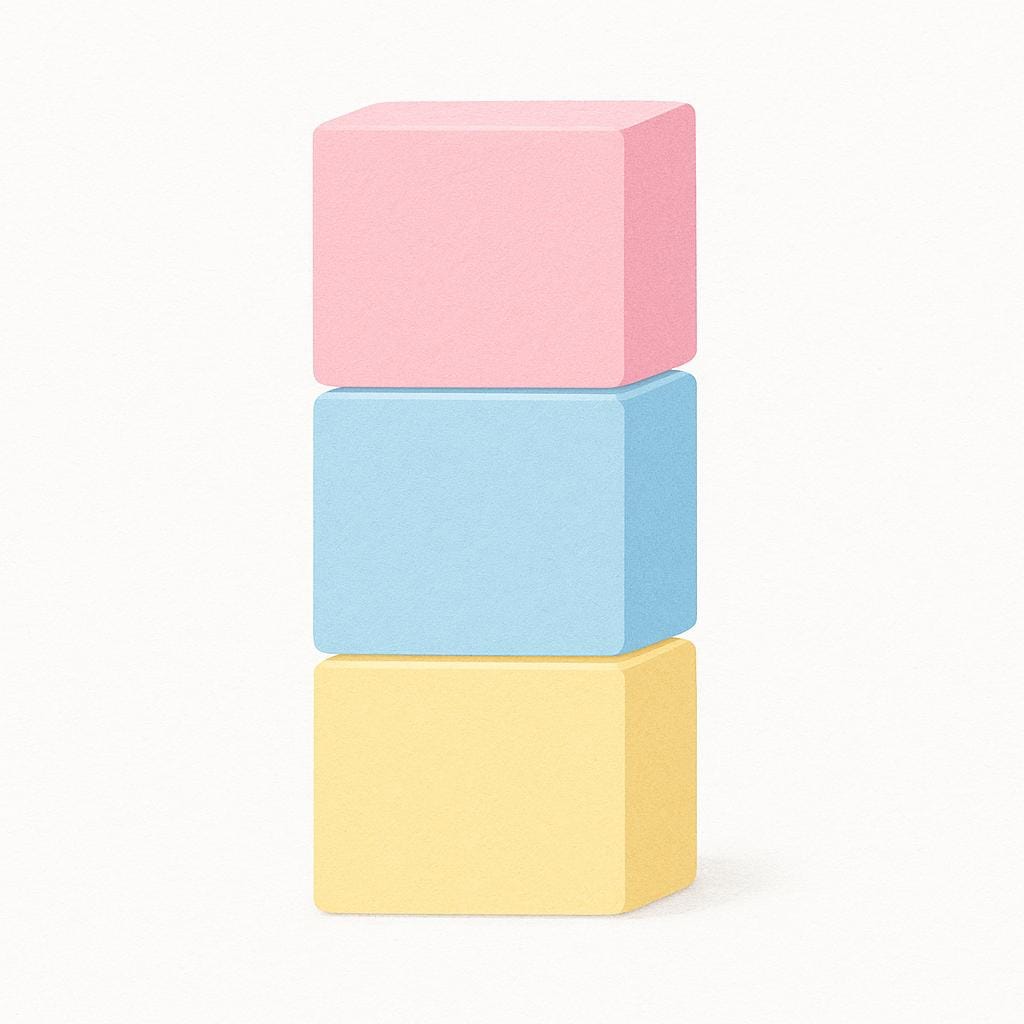
Me encanta su bolso de color pastel.
I love her pastel-colored bag.
Ella siempre usa ropa en tonos pastel.
She always wears clothes in pastel tones.
La pared está pintada de un color azul pastel muy claro.
The wall is painted a very light pastel blue color.
Adjective Agreement (Color)
When used to describe colors, 'pastel' often acts as a color modifier and typically remains singular and masculine, even if describing a plural feminine noun (e.g., 'las camisetas pastel').
Pluralizing the Adjective
Mistake: “Saying 'colores pasteles'.”
Correction: Treat 'pastel' here as describing the *type* of color. The plural is generally avoided in this specific context: say 'colores pastel' (plural subject, singular modifier).
Pale Complexion vs. Pale Color
Learn Spanish with Inklingo
Interactive stories, personalized learning, and more.